
When you experience a sudden twinge in your tooth or realize it has been years since your last checkup, the first thing most people do is reach for their phone and type the dentist near me into the search bar. In a world of endless digital options, finding the right local clinic is about more than just proximity; it is about finding a healthcare partner who understands your history, calms your anxieties, and provides elite clinical care.
At Walsh Dental, we believe that every patient in the Burnside and greater Adelaide area deserves a dental home that combines advanced technology with a compassionate, human touch. This guide is designed to help you navigate the when and how of local dental care, ensuring you make an informed decision for your long-term oral health.
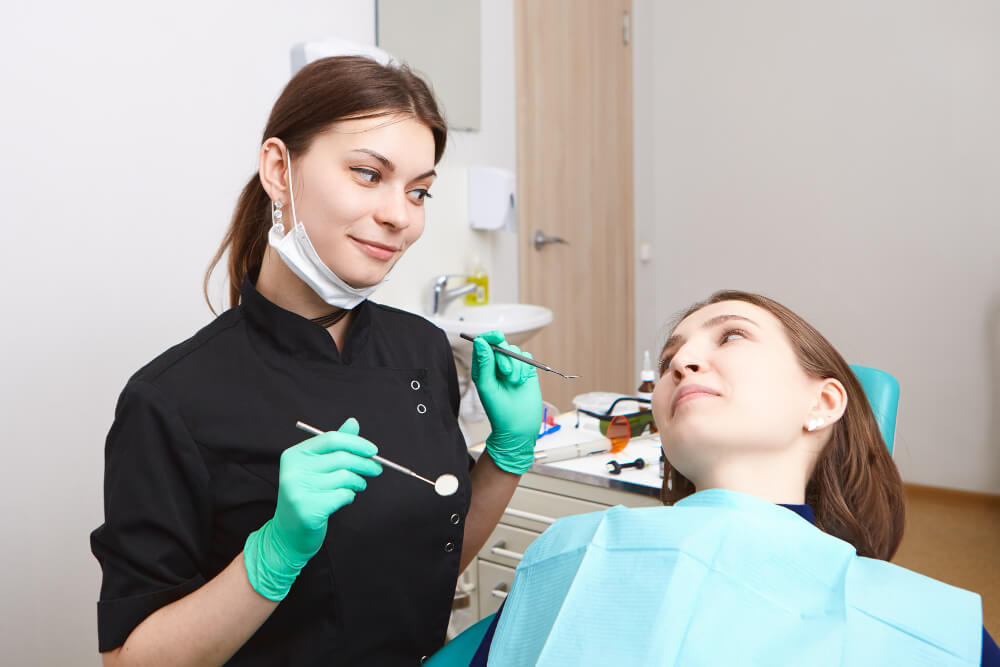
Introduction: Why Proximity and Quality Must Go Hand-in-Hand
In our busy modern lives, convenience often dictates our choices. However, when it comes to your smile, nearby should never mean average. Choosing a dentist near me isn’t just about saving a ten-minute drive; it’s about accessibility during emergencies, building a long-term relationship with a team that knows your dental history, and ensuring that professional care fits seamlessly into your lifestyle.
Dental health is a cornerstone of systemic wellness. Research has consistently linked oral infections to broader health issues, including cardiovascular disease and diabetes. By selecting a high-quality local clinic, you aren’t just fixing a cavity; you are investing in your overall longevity. In this post, we will explore the critical signs that indicate you need a visit, the criteria for selecting the best clinic, and why Walsh Dental has become a trusted name for families across South Australia.
5 Signs It’s Time to Search for a Dentist Near Me
Many dental issues are silent in their early stages, meaning they don’t cause pain until they have become significant. Here are the five most common indicators that you should book an appointment at a local dental clinic immediately.
1. Persistent Tooth Pain or Sensitivity:
Pain is the body’s alarm system. A sharp zing when you drink cold water or a dull ache that lingers after eating sweets often points to exposed nerves or thinning enamel. If the pain is throbbing or keeps you awake at night, it could indicate an abscess or a deep infection. Waiting to see if it goes away usually allows a simple filling to turn into a complex root canal.
2. Bleeding or Swollen Gums:
If you notice pink in the sink when you brush or floss, your gums are trying to tell you something. While occasional bleeding might happen with aggressive brushing, persistent redness and swelling are hallmarks of gingivitis or more advanced periodontal disease. Early intervention by a local professional can reverse gum disease before it leads to bone loss and tooth mobility.
3. Chipped, Cracked, or Worn Teeth:
Whether it’s from a sports injury or years of nocturnal teeth grinding, structural damage to a tooth is an open door for bacteria. Even if the chip is small and painless, it can weaken the tooth’s integrity. A dentist can provide bonding, veneers, or crowns to restore both the function and aesthetics of your smile.
4. Persistent Bad Breath:
Occasional bad breath is normal, but a bad breath that persists despite brushing and mouthwash is often a symptom of underlying decay or gum pockets where bacteria thrive. A professional checkup and clean removes the hardened tartar that home brushing simply cannot reach.
5. Routine Maintenance and Prevention:
The best time to visit a dentist is when nothing hurts. Regular six-monthly checkups allow your dentist to use diagnostic tools like digital X-rays and intraoral cameras to spot problems in their infancy. This “preventive” mindset saves you from pain, time, and significant financial costs in the future.
How to Choose the Best Dental Clinic Nearby
With so many options appearing in your search results, how do you distinguish a truly exceptional clinic from the rest? As dental experts, we recommend evaluating these four pillars:
1. Check Local Reviews and Real Patient Experiences: Online ratings are the modern word-of-mouth. Look for consistency in reviews; do patients mention a gentle touch, clear explanations, or friendly staff? At Walsh Dental, we are proud of our reputation for compassionate care, often cited by patients who previously struggled with dental anxiety.
2. Verify Credentials and Range of Services: A great local clinic should be a one-stop shop for your family. Ensure the dentists are members of professional bodies like the Australian Dental Association (ADA). Check if they offer a comprehensive suite of services, including:
- Preventive Dentistry: Cleanings, fluoride, and sealants.
- Restorative Care: Fillings, crowns, and bridges.
- Cosmetic Dentistry: Teeth whitening and veneers.
- Emergency Care: Availability for urgent, same-day appointments.
3. Modern Technology and Facilities: Dentistry has evolved significantly. The best clinics invest in technology that makes your experience faster and more comfortable. Ask if the clinic uses digital X-rays which involve less radiation, intraoral scanners, and modern sterilization protocols.
4. Atmosphere and Communication: The vibe of a clinic matters. When you call to book, is the staff helpful? During your visit, does the dentist take the time to explain your treatment plan in plain English? Transparency in pricing and a non-judgmental attitude are essential for a positive long-term relationship.
Why is Walsh Dental the Preferred Choice When Searching for a Dentist Near Me?
For over 20 years, Walsh Dental has been a pillar of the South Australian community. We have built our reputation on a simple philosophy: treating every patient like a member of our own family.
- A Gentle, Compassionate Approach: We specialize in helping anxious patients feel at ease. Dr. Thadsha and the team are known for their patient-centric care.
- Advanced Local Care: Our Burnside clinic is equipped with the latest diagnostic technology, ensuring that your treatments are precise, efficient, and long-lasting.
- Family-Focused Flexibility: We understand that local families are busy. We offer convenient booking times and prioritize emergency cases to ensure you are never left in pain.
- A Legacy of Trust: Our history in Adelaide means we have treated multiple generations of the same families, providing a level of continuity and trust that “corporate” dental chains simply cannot match.
Conclusion: Your Journey to a Healthier Smile Starts Locally
Choosing a dentist near me is one of the most important decisions you can make for your physical and emotional well-being. By focusing on quality, transparency, and a patient-first approach, you can turn a routine medical necessity into a positive, life-enhancing experience.
At Walsh Dental, we are more than just a clinic; we are your partners in health. Whether you are due for a routine clean, interested in a smile makeover, or facing a dental emergency, our team is ready to provide the elite care you deserve right here in your neighborhood. Stop searching and start smiling. If you’re looking for a trusted dentist near me, then Book Your Appointment Today to experience the difference for yourself!
FAQs: Finding and Visiting Your Local Dentist
1. How often should I realistically visit a dentist nearby?
For most patients, a checkup and professional cleaning every six months is the gold standard for prevention. However, if you have a history of gum disease or rapid decay, your dentist might suggest a three or four-month interval.
2. What should I bring to my first appointment at a new clinic?
Bring a list of any medications you are currently taking, your private health insurance card, and any previous dental records or X-rays if you have them. This helps your new team get a complete picture of your health.
3. Can a local dentist handle emergencies after hours?
Many local clinics, including Walsh Dental, have protocols for emergencies. We often keep emergency blocks in our daily schedule to accommodate patients who need urgent relief from pain.
4. Are dental X-rays safe?
Yes. Modern digital X-rays use extremely low levels of radiation; significantly less than traditional film X-rays. They are an essential tool for seeing decay between teeth and monitoring bone health.