
From Checkups to Fun Visits: Kids’ Dental Care with the Best Dentist in Adelaide
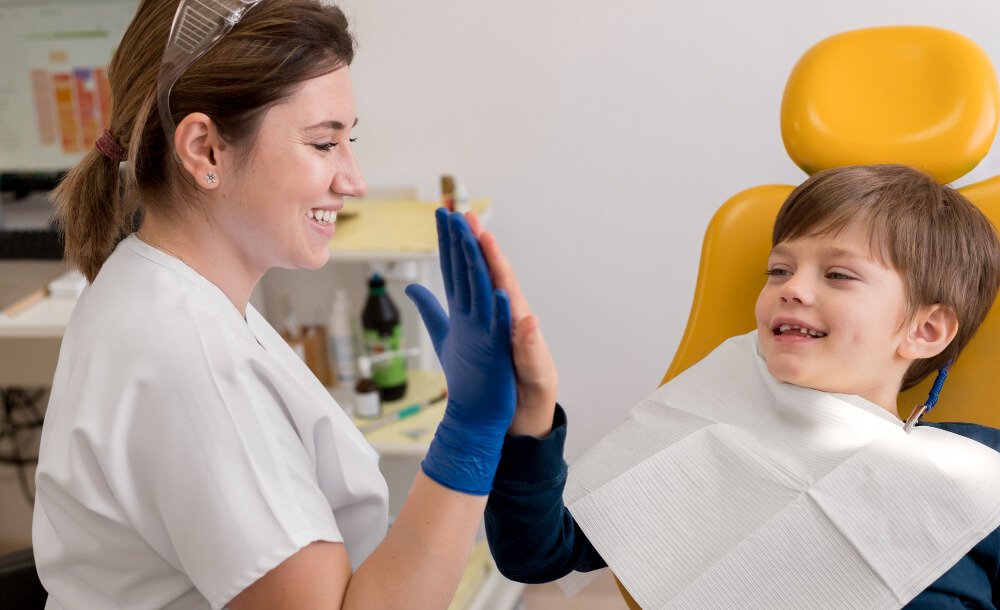
Introduction When it comes to your child’s health, dental care plays a much bigger role than many parents realise. A healthy smile supports not only proper eating and speaking but also a child’s confidence and overall development. At Walsh Dental, families are welcomed into a warm, supportive environment where children feel safe, understood, and encouraged to enjoy their visits. Choosing the Best Dentist in Adelaide for your child means investing in comfort, trust, and long term oral health from the very beginning. Parents today are more aware than ever of how early habits shape lifelong outcomes. Children who grow up with positive dental experiences are more likely to care for their teeth as adults and less likely to develop anxiety around treatment. At Walsh Dental, the team focuses on education, prevention, and gentle care to ensure every visit is something your child can look forward to. This guide is designed to help parents understand why children’s dental care matters, what to expect at each stage, and how choosing the right dental clinic in Adelaide can make all the difference. Why Children’s Dental Care Matters More Than Ever? Children’s dental care is no longer just about fixing problems when they appear. Today, it is about building strong foundations early so children can enjoy healthy smiles for life. Early oral health habits influence everything from speech development to nutrition and even self esteem. When kids learn that brushing, flossing, and visiting the dentist are normal and positive experiences, they grow up seeing dental care as part of everyday life. Positive dental experiences in childhood shape how a person feels about dentistry forever. A calm, friendly environment and a gentle dentist for kids can remove fear and replace it with trust. This is why there is a growing demand for child friendly dental clinic Adelaide practices that understand how to connect with young patients. Parents reading this guide will learn why early care matters, what services are essential for kids, and how to choose the Best Dentist in Adelaide to support their child’s long term oral health. You will also discover how children’s dental care Adelaide focuses on prevention, education, and comfort rather than just treatment. Understanding Kids’ Dental Care in Adelaide Children’s dentistry is different from adult care in many important ways. Kids are still growing, their teeth and jaws are developing, and their emotional needs require special attention. A paediatric dentist in Adelaide understands how to communicate at a child’s level, explain things simply, and provide treatment in a gentle, reassuring way. Common dental issues in children include cavities, early gum problems, thumb sucking related changes, and delayed or crowded tooth eruption. These issues often start small and are easy to manage when caught early. That is why dental checkups for children Adelaide are focused on prevention and education. The role of prevention is especially important in the early years. Teaching kids how to brush properly, choosing the right foods, and attending regular visits builds a strong base for children’s oral health in Adelaide. With the right care, many serious dental problems can be avoided altogether. When Should Children First Visit a Dentist? Most dental professionals recommend that children have their first dental visit by their first birthday or when the first tooth appears. This early visit helps your child become familiar with the dental setting and allows the dentist to check that development is on track. The first dental visit for kids is usually short, gentle, and focused on building comfort rather than performing treatment. Early checkups prevent future problems by identifying risks before they turn into pain or infection. A family dentist in Adelaide can spot early signs of decay, jaw issues, or habits like thumb sucking that may affect tooth alignment. At a child’s first appointment, parents can expect a friendly introduction, a simple exam, and helpful advice on brushing, diet, and oral care routines. The goal is to create a positive experience that sets the tone for many years of healthy visits ahead. Making Dental Visits Fun, Safe, and Stress Free A fun and welcoming environment makes a huge difference for children. A dental clinic for kids in Adelaide should feel bright, friendly, and non threatening. Small details like cheerful colours, toys, and kind staff help children feel relaxed the moment they walk in. Gentle communication is key. A gentle dentist for kids explains each step in simple words and never rushes a nervous child. Behaviour management techniques focus on encouragement and trust rather than pressure. Building trust between the dentist, the child, and the parent is essential. When kids feel heard and respected, they cooperate more easily and develop confidence. This is how fun dental visits for kids become normal rather than something to fear. Essential Dental Services for Kids 1. Preventive Care for Growing Smiles: Preventive care is the foundation of children’s dentistry. Regular checkups, kids teeth cleaning Adelaide, fluoride treatments, and sealants protect young teeth from decay. These visits also allow dentists to teach kids how to brush and floss correctly. 2. Treating Cavities and Tooth Decay in Children: Parents should watch for early signs such as white spots, sensitivity, or complaints of pain. Gentle fillings and pain free techniques help restore teeth without causing fear. Early treatment keeps small problems from becoming big ones. 3. Monitoring Jaw and Tooth Development: Early orthodontic assessments allow dentists to track how teeth and jaws are growing. Identifying issues early can prevent complex alignment problems later in life and support healthy development. Why Parents Trust the Best Dentist in Adelaide for Their Children? 1. Experience with Paediatric Patients: Parents value a dentist who understands children’s emotional and physical needs. A trusted kids dentist Adelaide has experience working with different ages and personalities. 2. Modern Technology and Safety Standards: Up to date equipment allows for accurate diagnosis and comfortable care. Safety and hygiene are always top priorities. 3. Personalised Care Plans: Every child is unique. Personalised care plans ensure that treatment is suited to each child’s development,
Invisalign Maintenance 101: Advice from an Experienced Invisalign Provider in Adelaide
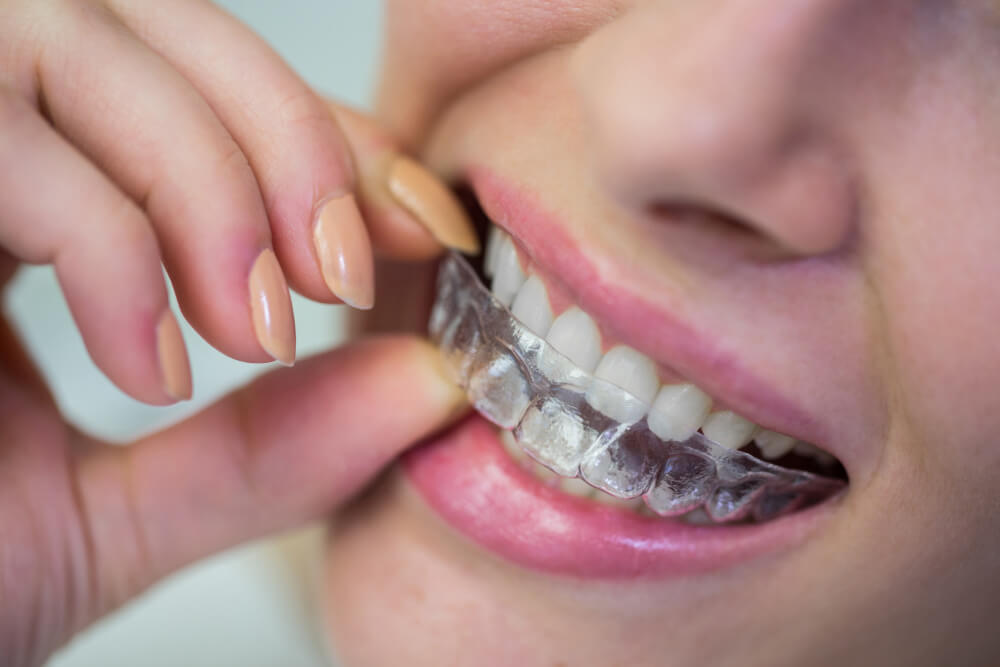
Introduction A confident smile is often the first thing people notice, and for many adults and teens, Invisalign has become the preferred way to achieve straighter teeth without the look of traditional braces. Clear aligners are comfortable, discreet, and highly effective, but their success depends on one crucial factor that is often overlooked: proper maintenance. Invisalign is not just about wearing aligners. It is about caring for them correctly, following good hygiene habits, and protecting your investment in your smile. Without proper maintenance, aligners can stain, smell, lose clarity, and even slow down your treatment progress. At Walsh Dental, patients receive not only expert treatment but also practical guidance on how to care for their aligners correctly at every stage. As an experienced Invisalign Provider in Adelaide, the team focuses on helping patients achieve predictable, healthy, and long lasting results. Many people start Invisalign with excitement, but they are not always prepared for the daily responsibility that comes with it. This guide is designed to help you understand Invisalign maintenance from start to finish. Whether you are just beginning your Invisalign treatment in Adelaide or already wearing aligners, this article will help you protect your aligners, improve comfort, and get the best possible outcome. Understanding Invisalign Maintenance Invisalign maintenance refers to the daily habits and professional guidance that keep your aligners clean, clear, effective, and safe to wear. It is not just about brushing your teeth. It involves how you clean your aligners, how you store them, how long you wear them, and how carefully you handle them. When aligners are not maintained properly, they can develop bacteria buildup, discoloration, and odor. This does not just affect appearance. It can impact your oral health and slow your progress. Invisalign maintenance tips are designed to prevent these issues and keep your treatment on track. Many patients assume that since aligners are removable, they require less care than braces. In reality, removable aligners demand more responsibility. You must remove them when eating, clean them daily, and wear them consistently. Invisalign care and cleaning also protects your gums and teeth. Poor hygiene during treatment can increase the risk of cavities and gum problems. Your aligners sit directly on your teeth, so any trapped bacteria can stay in close contact with your enamel. This is why Invisalign aftercare advice from professionals matters. When patients understand how to clean Invisalign aligners, how to store them, and how to wear Invisalign trays correctly, they avoid unnecessary complications and improve treatment comfort. Maintenance is not optional. It is part of the treatment itself. What Is Invisalign? Invisalign is a modern orthodontic system that uses clear, removable aligners to straighten teeth gradually. Instead of metal brackets and wires, Invisalign uses custom made trays designed to move your teeth into proper alignment over time. Each set of aligners is worn for a specific period before switching to the next set in the series. Every new aligner gently applies pressure to guide teeth into their correct position. This controlled movement is what makes Invisalign effective. They are designed to fit snugly over your teeth while remaining nearly invisible when worn. This makes Invisalign popular among adults, teens, and professionals who want a discreet solution. Invisalign treatment in Adelaide is commonly used to correct crowding, spacing, bite issues, and misaligned teeth. It offers comfort, flexibility, and convenience that traditional braces cannot. However, Invisalign is not a passive treatment. The success of clear aligners depends on patient commitment. Aligners must be worn for the recommended number of hours each day and handled properly. Why Is Invisalign Maintenance Necessary ? Invisalign maintenance is necessary for three main reasons: hygiene, effectiveness, and comfort. 1. First, hygiene: Your aligners sit tightly against your teeth and gums. If they are not cleaned properly, bacteria can build up quickly. This increases the risk of cavities, gum inflammation, and bad breath. Invisalign hygiene routine habits protect both your mouth and your aligners. 2. Second, effectiveness: Invisalign aligners must fit precisely to move teeth correctly. Dirty, warped, or damaged trays do not apply pressure evenly. This can delay your progress and affect your Invisalign treatment results. 3. Third, comfort and appearance: Clean aligners feel better in your mouth and stay clear. Poor maintenance leads to cloudy trays, unpleasant smells, and irritation. Invisalign attachment care is also important. These small tooth colored bumps help aligners grip your teeth. If they are not cleaned properly, plaque can build around them. The best way to store Invisalign aligners is also part of maintenance. Leaving trays exposed or placing them in napkins often leads to lost or damaged aligners. Replacement delays your treatment and increases cost. How Invisalign Maintenance Is Done ? 1. Daily Aligner Cleaning: Clean your aligners every morning and night using lukewarm water and a soft brush. This removes bacteria and prevents buildup that can cause bad odour and cloudiness. Regular cleaning also keeps your trays clear and comfortable to wear throughout the day. 2. Brushing Before Wearing: Always brush your teeth before putting aligners back in. Food particles trapped under trays increase the risk of tooth decay and gum problems. Clean teeth help your aligners fit properly and protect your enamel during treatment. 3. Proper Storage: Use your case every time you remove aligners. This is the best way to store Invisalign aligners safely and hygienically. A proper case also protects them from damage, loss, or exposure to germs when they are not in your mouth. 4. Consistent Wearing Time: Wearing Invisalign trays correctly means keeping them in for the recommended hours each day. This ensures steady and predictable tooth movement. Skipping wear time can slow progress and extend the overall length of your treatment. 5. Gentle Handling: Do not bend or force trays. Handle them carefully to prevent cracks or warping. Damaged aligners may not fit correctly and can interfere with how your teeth move. Maintenance Tips 1. Use the Right Cleaning Method: Avoid toothpaste on aligners. Use gentle cleaning methods designed for Invisalign care and cleaning.
Why Visiting a Local Dental Clinic Near Me Matters for Your Oral Health?
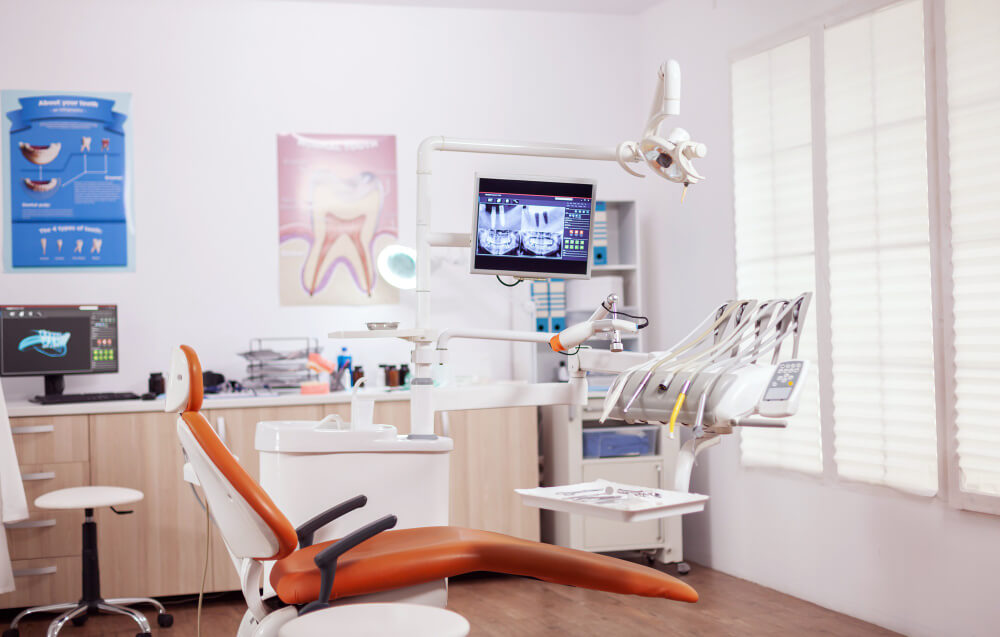
Introduction – The Power of Choosing a Dental Clinic Near Me When people search for a dental clinic near me, they’re usually not just looking for a nearby address. They’re looking for trust, convenience, continuity of care, and a place where their oral health is taken seriously. In today’s fast-paced world, proximity plays a powerful role in how consistently we maintain our health, especially dental health. At Walsh Dental, patients often share that choosing a local clinic completely changed how they approach their oral care. When your dentist is nearby, you’re more likely to attend regular checkups, act quickly when issues arise, and build a long-term relationship with your care team. These factors significantly improve both short-term comfort and long-term oral health outcomes. This article explores why selecting a dental clinic near me is one of the smartest decisions you can make for your smile. From preventive care to emergency access and personal connection, local dentistry supports healthier habits, stronger outcomes, and greater peace of mind. The Convenience Factor That Keeps You Consistent Consistency is the backbone of good oral health. Regular visits for cleanings, exams, and follow-ups at a Dental Clinic Near Me are what prevent small problems from becoming major dental issues. When your dentist is close to home or work, it removes one of the biggest barriers to consistency: time. Patients who choose a local Dental Clinic Near Me are far more likely to keep appointments because travel time is minimal. Shorter commutes mean fewer excuses to delay care. This makes it easier to fit dental visits into busy schedules, whether it’s before work, after school, or during a lunch break. Over time, this convenience directly translates into better oral health. Cavities are caught early. Gum disease is managed before it worsens. Restorations last longer because they’re properly maintained. Simply put, proximity increases compliance, and compliance improves outcomes. Stronger Patient-Dentist Relationships Build Better Care One of the most valuable benefits of visiting a nearby dental clinic is the relationship you build with your dentist and care team. Seeing the same professionals regularly creates familiarity, trust, and open communication. When your dentist knows your history, habits, fears, and goals, care becomes more personalized. They understand how you respond to treatment, what makes you anxious, and what outcomes matter most to you. This leads to better planning, gentler approaches, and more accurate recommendations. Patients are also more likely to ask questions and follow advice when they trust their provider. That two-way communication improves preventive care, encourages early treatment, and reduces long-term complications. Local Clinics Are Better for Preventive Dentistry Preventive dentistry is the most cost-effective and health-preserving form of dental care. It focuses on stopping problems before they start or catching them while they’re still easy to treat. A nearby dental clinic supports prevention in powerful ways. Because visits are easier to attend, patients stick to six-month cleanings and annual exams. Dentists can monitor subtle changes over time, such as early enamel wear, minor gum inflammation, or bite shifts. Preventive care at a local clinic typically includes: These services protect not only your teeth and gums but also your overall health, since oral infections can affect the heart, diabetes control, and immune function. Faster Access During Dental Emergencies Dental emergencies don’t follow schedules. A cracked tooth, sudden pain, swelling, or a knocked-out tooth needs immediate attention. When your dentist is nearby, help is easier and faster to access. Searching for a dental clinic near me during an emergency means you can get care quickly without traveling long distances or waiting days for an appointment. Local clinics often prioritize emergency patients and know exactly how to respond. Quick treatment can: The ability to act fast can be the difference between saving a tooth and losing one. Local Clinics Understand the Community They Serve Dentists who work in the same area where their patients live develop a deep understanding of local needs, habits, and health trends. They see patterns in diet, lifestyle, stress, and even water quality that affect oral health. This insight allows them to offer more relevant advice. For example, they may notice higher rates of grinding due to stress, more enamel erosion from certain diets, or increased gum issues related to smoking patterns in the community. That local awareness leads to more targeted care and better outcomes. It also builds trust, because patients feel understood rather than treated like just another case. Cost-Effective Care Through Early Detection Many people avoid the dentist because they fear high costs. Ironically, skipping regular visits is what leads to expensive treatments later. A nearby clinic encourages frequent checkups, which allow dentists to catch problems early. Small cavities are treated with simple fillings instead of root canals. Gum inflammation is reversed before it becomes advanced periodontal disease. Cracks are repaired before teeth break. Early care saves money, time, and discomfort. Local clinics support that early care by being accessible and easy to visit. Continuity of Care Improves Long-Term Results 1. Long-Term Health Planning: Seeing the same dental team over time allows your dentist to plan your oral health proactively instead of only reacting to problems as they appear. 2. Better Monitoring & Early Detection: Your dentist can track wear patterns, bite changes, gum stability, and how well restorations are holding up, leading to earlier intervention and fewer complications. 3. Smarter, More Consistent Treatment: When your history is well known, treatment decisions are more accurate and personalized. 4. Reliable Care Experience: Bouncing between clinics breaks continuity. A nearby, consistent dental practice makes long-term care simple, stable, and dependable. Local Clinics Make Family Dentistry Easier For families, a nearby dental clinic is invaluable. Parents can bring children after school. Elderly family members don’t have to travel far. Everyone in the household can receive care in one place. Family dentistry works best when visits are easy to schedule and attend. Children grow comfortable seeing the same dentist year after year, which reduces fear and builds positive habits. Parents stay consistent with their own care as
Professional Teeth Whitening vs DIY: Insights from a Dentist in St Georges
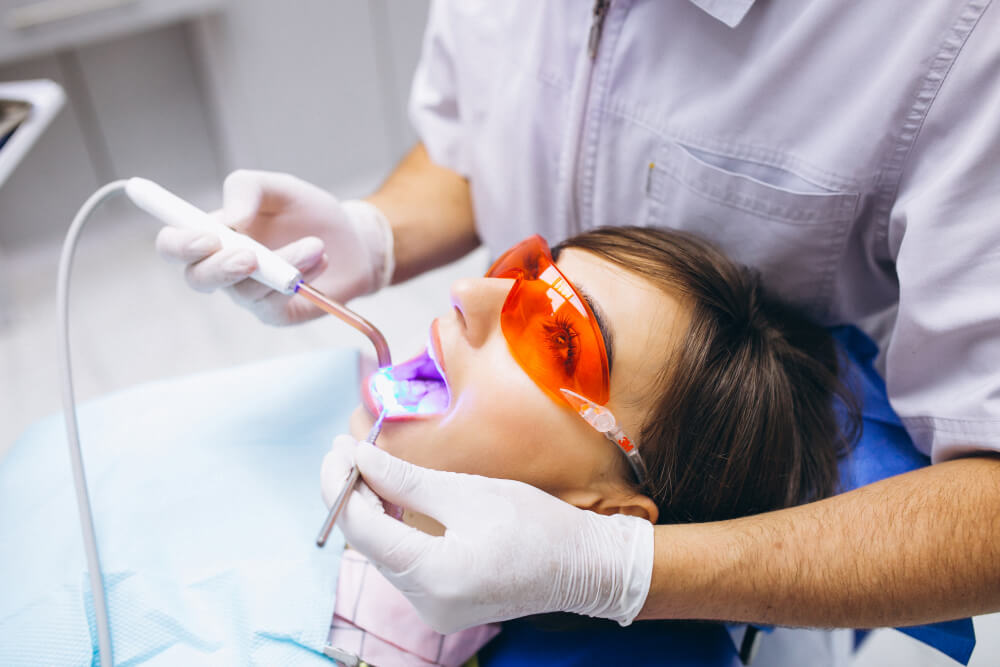
Introduction – Why Everyone Wants a Brighter Smile Have you ever looked at your smile in the mirror and thought it could be whiter? You are not alone. Studies show that tooth discolouration is one of the top cosmetic concerns among adults. A bright smile is often linked to confidence, health, and positive first impressions. Whether it is for work, social life, or personal confidence, people everywhere are searching for safe ways to improve the colour of their teeth. In St Georges, daily habits play a big role in how teeth look over time. Coffee from a local café, tea during the day, and even healthy foods like berries or sauces can slowly stain the enamel. These small lifestyle choices add up. Over the years, teeth lose their natural brightness and start to look dull or yellow. This is where confusion begins. Social media and store shelves are full of whitening strips, charcoal pastes, LED kits, and natural remedies. Many of them promise fast and cheap results. But patients often end up with sore gums, sensitive teeth, and uneven colour. This article is written from the perspective of a Dentist in St Georges to help you understand the real difference between professional teeth whitening and DIY options. You will learn what causes stains, why some methods fail, what is safe, and what delivers lasting results. At Walsh Dental, patients are guided through whitening with a strong focus on safety, comfort, and natural looking outcomes. This guide will help you make an informed decision that protects your smile and your long term oral health. What Causes Teeth to Stain Over Time ? Tooth discolouration does not happen overnight. It develops slowly and is influenced by both external and internal factors. External stains form on the surface of the enamel. Drinks like coffee, tea, red wine, and cola contain strong pigments that cling to enamel. Smoking also leaves dark residue behind. Even some healthy foods such as tomato sauce, berries, and curry can stain teeth over time. These stains sit on the outer layer and build up if not removed properly. Internal stains are deeper and they form inside the tooth structure and are harder to change. Aging naturally darkens teeth because enamel becomes thinner and the yellow dentin underneath shows through. Some medications can also cause internal discolouration. Trauma to a tooth can change its colour as well, making it appear grey or brown from the inside. Brushing alone is not enough to fix these problems. Toothpaste removes surface plaque, but it cannot lift deep stains. Whitening becomes the right solution when regular cleaning no longer restores brightness and when stains affect confidence. The DIY Teeth Whitening Trend Explained DIY teeth whitening has exploded in popularity because it looks easy, cheap, and fast. You can buy kits online, in supermarkets, and even at petrol stations. Influencers show dramatic before and after photos, making it look like anyone can whiten their teeth at home. Common at home methods include whitening strips, whitening pens, charcoal toothpaste, LED light kits, and so called natural remedies like baking soda or lemon juice. These products all work in different ways, but most rely on low strength bleaching agents or abrasive ingredients. People choose DIY whitening because of three main reasons. First is cost. These products are cheaper upfront than seeing a dentist. Second is convenience. You can use them at home without booking an appointment. Third is marketing hype. Bright packaging and social media trends make them look safe and effective. In reality, most DIY products use weak bleaching agents. They can lighten stains slightly, but results are often subtle and uneven. They also do not protect your gums and soft tissues. Many users end up with sore mouths and sensitive teeth. DIY whitening treats everyone the same. It does not consider your tooth shape, gum line, existing fillings, or enamel thickness. That is why results vary so much and often fade quickly. Risks of DIY Whitening – What Dentists See in Practice From a clinical point of view, the risks of DIY whitening are well known. A Dentist in St Georges sees these issues regularly in patients who try to whiten at home without guidance. 1. Enamel erosion and long term damage: Many DIY kits are acidic or abrasive. Lemon juice, charcoal, and baking soda wear down enamel. Once enamel is gone, it does not grow back. This leads to yellow looking teeth, sensitivity, and a higher risk of cavities. 2. Gum irritation and chemical burns: Generic trays and strips leak whitening gel onto the gums. This can cause redness, burning, and white patches on the tissue. Repeated exposure leads to chronic irritation. 3. Tooth sensitivity or “zingers”: Strong or poorly applied gel enters the tooth and irritates the nerve. Patients describe sharp pain when breathing in or drinking cold water. 4. Uneven and short lived results: Strips only cover the front surface. They miss the edges and spaces between teeth. This causes patchy colour and results that fade within months. These problems are common with DIY teeth whitening risks and at home whitening damage, especially when used repeatedly without supervision. What Makes Professional Whitening Different? Professional whitening is a controlled medical procedure, not just a cosmetic trend. A dentist follows a clinical process that focuses on safety first and results second. The whitening agents used in professional treatments are stronger, but they are also pH balanced and carefully applied. This means they break down stains without weakening the enamel. The dentist controls how long the gel stays on the teeth and how it is activated. Another key difference is customisation. Professional trays are molded to your teeth. They fit closely and prevent gel from leaking onto the gums. In office treatments use protective barriers to shield soft tissue before the whitening gel is applied. Supervision is critical. Before whitening begins, your dentist checks for cavities, gum disease, cracks, and worn enamel. Bleaching over unhealthy teeth can cause serious pain. Treating these problems first
Dental Care in Burnside: A Parent’s Guide to Healthy Smiles for Kids
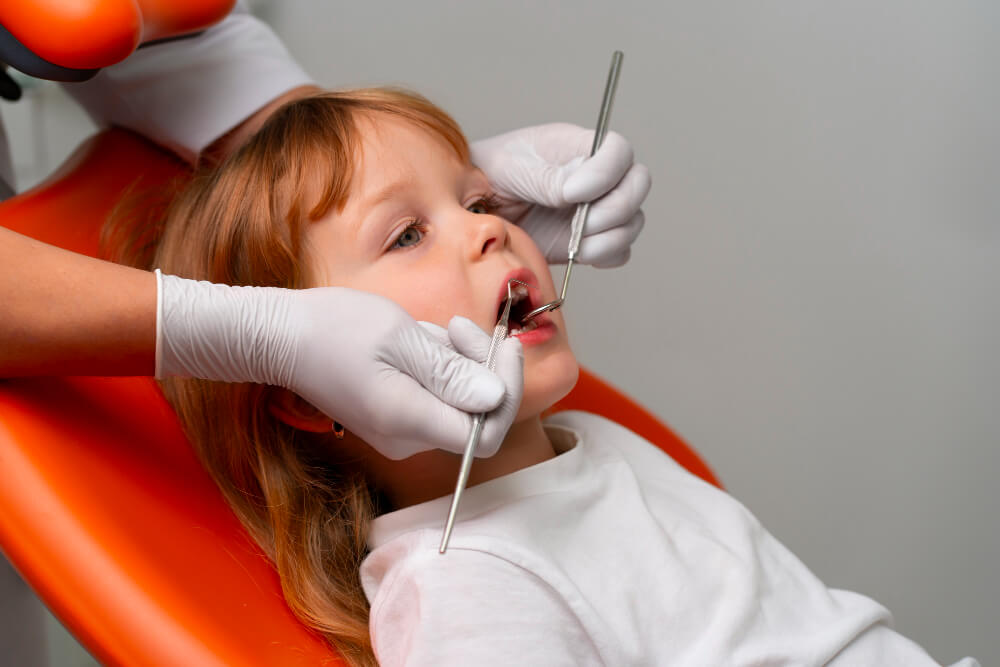
Introduction: Why Kids’ Dental Care Matters? Did you know that nearly half of children experience tooth decay by the time they reach their early school years? Childhood dental issues are one of the most common health problems that, if left untreated, can affect overall health, self-esteem, and quality of life. Ensuring your child develops healthy oral habits early is critical for long-term dental health and confidence. Dental Care in Burnside is especially important because local families are increasingly aware of how diet, lifestyle, and preventive habits influence children’s teeth. Walsh Dental is a trusted clinic in Burnside, specializing in pediatric dental care. Our team focuses on gentle, effective treatments tailored to children of all ages while educating parents about best practices. In this guide, parents will discover the key milestones of dental development, preventive care tips, the role of diet in healthy teeth, advice for managing emergencies, and how to choose the right dentist. With these insights, families can take proactive steps to ensure their children enjoy healthy, confident smiles throughout life. 1. Understanding Children’s Oral Health Needs 1.1 Key Milestones in Kids’ Teeth Development: Children’s teeth follow a predictable development timeline. Primary teeth, commonly called baby teeth, usually begin erupting around six months and are typically complete by age three. These teeth are essential not only for chewing and speaking but also for guiding permanent teeth into the correct position. Monitoring bite alignment and jaw development early helps prevent future orthodontic issues and ensures proper oral function. Parents should also observe the timing of permanent teeth, which usually begin replacing primary teeth around age six. Regular dental evaluations help track development and catch misalignment, crowding, or other issues before they require complex treatment. 1.2 Common Pediatric Dental Issues Tooth decay remains one of the most common pediatric dental problems. Cavities often develop due to sugary foods, inconsistent brushing habits, or inadequate fluoride exposure. Early signs include visible discoloration, sensitivity, or pain while eating sweet or hot and cold foods. Teething discomfort is another common concern, particularly in infants and toddlers. Symptoms such as swollen gums, irritability, and drooling are normal, but parents should seek guidance when discomfort persists or seems unusual. Dental emergencies, such as chipped teeth, knocked-out teeth, or injuries, require immediate attention. Understanding these potential issues empowers parents to act quickly, minimizing long-term complications. 2. Preventive Dental Care for Children 2.1 Establishing a Brushing and Flossing Routine Developing good oral hygiene habits early sets the stage for lifelong dental health. Children should brush at least twice a day using a soft-bristled toothbrush and age-appropriate fluoride toothpaste. Flossing should begin once teeth start to touch. For younger children, parents can assist using floss picks or gentle guidance. Pre-teens can gradually learn to floss independently while supervised to ensure proper technique. 2.2 Fluoride and Dental Sealants Fluoride strengthens tooth enamel, making teeth more resistant to decay. Fluoride toothpaste, mouth rinses, and professionally applied fluoride treatments at Walsh Dental can significantly reduce cavity risk. Dental sealants provide an extra protective layer over molars and premolars, preventing food particles and bacteria from causing decay in grooves and fissures. Sealants are especially effective for children and teenagers who may struggle with thorough brushing in hard-to-reach areas. 2.3 Regular Dental Checkups Regular visits to a pediatric dentist are essential for monitoring oral health and catching potential issues early. For most children, dental checkups every six months are recommended. Walsh Dental focuses on preventive care, ensuring early detection of cavities, gum problems, and developmental concerns. Routine exams also allow dentists to reinforce proper oral hygiene habits and offer guidance for parents. 3. Choosing the Right Dentist in Burnside for Kids 3.1 What to Look for in a Pediatric Dentist? Selecting the right dentist can make a significant difference in a child’s dental experience. Parents should look for: A dentist who can communicate effectively and create a positive environment for kids encourages lifelong dental health habits. 3.2 Tips for Making Visits Stress-Free Dental visits can be intimidating for children. Parents can help by preparing them in advance, explaining what to expect, and using positive reinforcement. Walsh Dental focuses on creating a welcoming environment, making the first visit enjoyable while building trust between the child and dentist. Calm communication and small rewards for bravery can go a long way in reducing anxiety. 4. Nutrition and Habits for Healthy Teeth A child’s diet directly impacts oral health. Foods rich in calcium, phosphorus, and vitamins promote strong enamel and healthy gums. Examples include dairy products, leafy greens, and crunchy fruits and vegetables that naturally clean teeth. Parents should limit sugary snacks and drinks, which are primary contributors to cavities. Encouraging regular water intake helps rinse food particles, maintain saliva production, and neutralize acids after meals. Integrating these habits into daily routines, combined with consistent brushing and flossing, supports long-term dental health. Addressing Dental Emergencies in Kids Dental emergencies can happen at any time, and knowing how to respond is crucial. Key steps include: Parents should not delay seeking professional care, as early intervention often prevents complex treatments later. Walsh Dental provides timely emergency dental care in Burnside , ensuring children receive safe and effective treatment. Why Choose Walsh Dental for Your Child’s Dental Care? Walsh Dental is a trusted provider of Dental Care in Burnside for children. Our team combines pediatric expertise with a family-centered approach, ensuring every child feels comfortable and supported. Conclusion: Start Building Healthy Smiles Early Preventive care, proper nutrition, and regular dental checkups are essential for children’s oral health. Dental Care in Burnside is not just about treating problems but creating lasting habits that protect teeth and gums for life. By selecting the right dentist and establishing a consistent routine, parents can help their children develop confidence and a lifetime of healthy smiles. Book your child’s dental appointment today and ensure a lifetime of strong, healthy teeth and confident smiles. FAQs 1. How often should children see a dentist? Most children should visit the dentist every six months for preventive checkups and cleaning.
Emergency Dentist in Green Hill: Fast Relief & Same-Day Appointments
Introduction Imagine enjoying your day in Green Hill when suddenly, a sharp, throbbing pain shoots through your tooth. Maybe your child falls and knocks out a front tooth, or a dental crown comes loose just before an important meeting. These are real-life scenarios where immediate access to a Dentist in Green Hill can make all the difference. Dental emergencies are not only painful but can also lead to serious complications if left untreated. Delaying care can result in infections, permanent tooth damage, or more complex procedures that could have been avoided with prompt intervention. At Walsh Dental, we understand the urgency of dental emergencies. As a trusted local clinic, we provide fast, same-day appointments, ensuring you and your family receive the care you need without unnecessary delays. Whether you’re dealing with a severe toothache, a chipped tooth, or a lost filling, our team is equipped to manage urgent cases effectively and comfortably. In this guide, you will learn what qualifies as a dental emergency, common types of emergencies, how to find the right emergency dentist, what to expect during a visit, and tips to prevent emergencies. By the end, you’ll be prepared to act quickly and make informed decisions for your oral health. Understanding Dental Emergencies What Qualifies as a Dental Emergency? Dental emergencies can happen at any time, and knowing which situations require immediate attention is crucial: Recognizing these emergencies early can prevent complications and preserve your teeth and overall oral health. Why is immediate action important? Immediate action is crucial when facing a dental emergency. Seeking prompt attention from a professional Dentist in Green Hill helps prevent infections and further oral damage, while providing quick relief from pain and discomfort. Acting quickly also preserves teeth, gums, and supporting oral structures, reducing the risk of long-term complications. Addressing issues early can avoid more complex and costly procedures in the future. Since dental emergencies are time-sensitive, timely intervention can make a significant difference in both recovery and overall oral health outcomes. Common Types of Dental Emergencies in Green Hill 1. Severe Toothache: A sudden or persistent toothache often indicates decay, infection, or an abscess. Ignoring it can lead to worsening pain or even systemic infection. Early professional care is essential. 2. Chipped or Broken Teeth: Minor chips may seem cosmetic, but they can expose nerves and lead to sensitivity or infection. Handling teeth carefully and visiting an emergency dentist quickly is vital. 3. Knocked-Out Tooth: Immediate action is critical. Keep the tooth moist, ideally in milk or a tooth preservation solution, and contact your dentist right away. Quick reimplantation can save the tooth. 4. Lost Filling or Crown: While waiting for an appointment, avoid chewing on the affected side. A temporary dental cement may provide short-term protection until professional repair is possible. 5. Soft Tissue Injuries: Cuts, bleeding, and swelling in the mouth should not be ignored. Rinse gently with water, apply pressure if bleeding persists, and seek professional care immediately. How to Find the Right Emergency Dentist in Green Hill? Finding the right emergency dentist in Green Hill requires careful consideration. Look for a clinic that offers same-day or walk-in availability to handle urgent cases promptly. It’s important to choose a dentist with experience in emergency procedures and dental trauma management to ensure safe and effective treatment. Modern equipment and strict infection control standards are essential for both patient safety and treatment quality. Additionally, check whether the clinic accepts your insurance and provides flexible payment options. Selecting a qualified emergency dentist ensures you receive immediate relief while maintaining the highest standard of care. Tips for Quick Decision-Making What to Expect During an Emergency Dental Visit When you visit for urgent care, the process is designed to address your pain quickly and efficiently: 1. Initial Assessment and Pain Management: The dentist evaluates your symptoms and provides immediate relief through medication or anesthesia if needed. 2. Diagnostic Evaluation: X-rays and oral examinations identify the underlying problem. 3. Immediate Treatment: Depending on the issue, this may include fillings, extractions, temporary crowns, or other interventions. 4. Follow-Up Care: You’ll receive instructions for recovery and guidance on preventive measures to avoid recurrence. Knowing what to expect helps reduce anxiety and ensures you are prepared for the necessary treatment steps. Preventive Measures to Avoid Emergencies Prevention is always better than cure. Simple daily habits and precautions can significantly reduce the risk of dental emergencies: Why Choose Walsh Dental for Emergency Dental Care in Green Hill? Walsh Dental combines expertise, care, and convenience to ensure every emergency is managed efficiently and safely. Final Thoughts Dental emergencies can happen unexpectedly, and timely care is crucial to protect your oral health. Choosing a trusted Dentist in Green Hill like Walsh Dental ensures prompt attention, modern treatment options, and lasting relief. Don’t wait for pain to worsen. Reach out today for same-day emergency dental care in Green Hill and get relief fast! Regular checkups, preventive care, and knowing your emergency options will keep your teeth and gums healthy long-term. Frequently Asked Questions 1. When should I see an emergency dentist? 1. When should I see an emergency dentist? Seek immediate care for severe pain, bleeding, broken teeth, or infections. Delaying can worsen the issue. 2. Can I get same-day appointments for urgent dental issues? Yes, clinics like Walsh Dental offer same-day or walk-in services to address emergencies promptly. 3. How do I handle a knocked-out tooth before reaching the dentist? Keep it moist in milk or a preservation solution and avoid touching the root. Quick reimplantation is key. 4. Are emergency dental services expensive in Green Hill? Costs vary, but many clinics accept insurance and offer flexible payment plans. Early treatment often reduces overall expenses. 5. What treatments are available for sudden tooth pain? Pain may be addressed with fillings, root canal therapy, temporary crowns, or medication depending on severity.
Why Are My Teeth Sensitive? 5 Common Causes Explained by a Dentist in Marryatville

Introduction: Understanding Tooth Sensitivity That sharp, sudden sting when you sip hot coffee or bite into an ice-cold dessert is something many people experience and often ignore. Tooth sensitivity can turn everyday pleasures into uncomfortable moments, affecting how you eat, drink, and even breathe in cold air. While it may seem minor at first, persistent sensitivity is often a sign that something deeper is happening within your teeth or gums. Tooth sensitivity is far more common than many realize, affecting people across all age groups. From young adults to seniors, sensitive teeth can develop gradually or appear suddenly, depending on underlying causes. Despite its prevalence, sensitivity should never be dismissed as “normal.” In many cases, it is an early warning signal that allows dental professionals to intervene before more serious damage occurs. At Walsh Dental, patients often ask whether sensitivity is something they simply have to live with. The answer is no. With the right diagnosis and timely care from a trusted Dentist in Marryatville, sensitivity can usually be managed or completely resolved before it progresses into long-term discomfort or complex dental problems. In this article, you’ll learn what tooth sensitivity really is, why it occurs, and the five most common causes explained from a clinical perspective. You’ll also discover how dentists diagnose sensitivity, what treatment options are available, and when professional care becomes essential. What Is Tooth Sensitivity and Why Does It Occur? To understand tooth sensitivity, it’s important to first understand basic tooth anatomy. Each tooth is made up of multiple layers. The outermost layer, enamel, is the hardest substance in the human body and acts as a protective shield. Beneath the enamel lies dentin, a porous structure filled with microscopic tubules that connect directly to the tooth’s nerve center, known as the pulp. When enamel is intact and gums are healthy, dentin remains protected. However, when enamel wears down or gums recede, dentin becomes exposed. This exposure allows external stimuli such as heat, cold, sweet foods, acidic drinks, or even air to travel through the dentinal tubules and stimulate the nerves inside the tooth. The result is that familiar sharp, sudden pain. It is also important to distinguish between short-term sensitivity and chronic discomfort. Temporary sensitivity may occur after dental treatments or exposure to acidic foods and often resolves on its own. Chronic sensitivity, on the other hand, tends to worsen over time and usually indicates an underlying dental condition that requires professional attention. 5 Common Causes of Sensitive Teeth Explained by a Dentist in Marryatville Cause 1: Worn Tooth Enamel One of the most common causes of sensitive teeth is enamel erosion. Although enamel is extremely strong, it is not indestructible. Over time, certain habits and dietary choices can gradually wear it away. Aggressive brushing is a frequent contributor. Using excessive force or brushing with a hard-bristled toothbrush can slowly abrade the enamel surface, especially near the gumline. Abrasive toothpaste designed for heavy stain removal can have a similar effect when used long term. Diet also plays a major role. Acidic foods and beverages such as citrus fruits, soft drinks, wine, and sports drinks weaken enamel by lowering the pH in the mouth. Once enamel softens, it becomes more vulnerable to physical wear. Early warning signs of enamel erosion include increased sensitivity to temperature, teeth appearing slightly yellow due to exposed dentin, and a smoother or thinner feel on tooth surfaces. Identifying these signs early allows for preventive measures before permanent damage occurs. Cause 2: Gum Recession Healthy gums protect the roots of your teeth, which lack enamel and are naturally more sensitive. When gums recede, these roots become exposed, dramatically increasing sensitivity. Gum recession can occur for several reasons. Periodontal disease is a leading cause, where bacterial infection damages gum tissue and supporting bone. Aging also plays a role, as gum tissue naturally becomes thinner over time. In addition, improper brushing techniques and long-term inflammation can accelerate recession. The importance of early intervention cannot be overstated. Once gum tissue recedes, it does not grow back on its own. Prompt treatment helps prevent further exposure, reduces sensitivity, and protects against more serious complications such as tooth mobility or loss. Cause 3: Tooth Decay or Cavities Cavities do not always cause obvious pain in their early stages. Small areas of decay can quietly erode enamel and dentin, allowing sensitivity to develop long before visible damage is noticed. Sensitivity caused by decay often appears as discomfort when eating sweets or drinking hot or cold beverages. This sensitivity acts as an early warning sign, signaling that bacteria have begun breaking down tooth structure. Prompt treatment is critical. Addressing decay early typically requires minor restorative procedures, while delayed care can lead to deeper infection, nerve involvement, and more complex treatments such as root canal therapy. Cause 4:Teeth Grinding Teeth grinding, also known as bruxism, is a common yet often overlooked cause of tooth sensitivity. Grinding places excessive pressure on teeth, gradually wearing down enamel and exposing dentin. Beyond sensitivity, bruxism can cause additional symptoms including jaw pain, facial muscle fatigue, headaches, and even cracked or flattened teeth. Many people grind their teeth unconsciously during sleep, making the condition difficult to identify without professional evaluation. Dentists commonly recommend protective solutions such as custom night guards. These appliances reduce enamel wear, protect tooth structure, and alleviate pressure on the jaw joints, helping prevent long-term damage. Cause 5: Recent Dental Treatments Temporary sensitivity can occur after certain dental procedures, even when treatment has been performed correctly. Fillings, crowns, deep cleanings, and professional whitening treatments may temporarily irritate the tooth’s nerve or surrounding tissues. In most cases, this type of sensitivity is mild and resolves within days or weeks. However, sensitivity that intensifies, persists, or is accompanied by pain when biting may indicate an issue that requires follow-up care. Dentists typically provide aftercare guidance to minimize discomfort, including dietary adjustments, desensitizing products, and temporary avoidance of extreme temperatures. How a Dentist in Marryatville Diagnoses Tooth Sensitivity? Accurate diagnosis is essential for effective treatment.
5 Simple Habits for Better Oral Health: Tips from an Adelaide Dentist

Introduction: Why Your Smile Deserves an Adelaide Dentist’s Expertise? Your smile plays a much bigger role in your life than you may realize. Oral health is closely connected to overall health, and problems in the mouth can often signal or contribute to wider health concerns. Studies have shown links between gum disease and conditions such as heart disease, diabetes, and chronic inflammation. When teeth and gums are neglected, harmful bacteria can enter the bloodstream and affect other parts of the body. In a city like Adelaide, everyday lifestyle habits can quietly impact dental health. These habits are enjoyable, but over time they can weaken enamel, stain teeth, and irritate gums if not balanced with good oral care. Even healthy diets can include hidden acids and sugars that slowly wear down teeth. This is why guidance from a trusted Adelaide Dentist is essential for maintaining long-term oral health. Clinics like Walsh Dental focus on prevention, education, and early intervention to help patients avoid major dental problems before they start. In this blog, you will learn five simple daily habits that make a real difference. These habits are easy to follow, suitable for all ages, and proven to support healthier teeth and gums over time. Habit 1: Master the “2-Minute” Technique 1.1 Why 120 Seconds Is the Golden Rule? Many people believe brushing once or twice a day is enough, but how long you brush matters just as much as how often. Research shows that most people brush for less than one minute, which is not enough time to remove plaque effectively. Plaque is a sticky film of bacteria that builds up quickly and hardens into tartar if not removed. Brushing for a full two minutes allows you to clean all tooth surfaces properly. This includes the front, back, and chewing surfaces of each tooth. Spending enough time brushing helps reduce the risk of cavities, gum inflammation, and bad breath. Setting a timer or using an electric toothbrush with a built-in timer can make this habit easier to maintain. 1.2 Circular Motion vs. Scrubbing Brushing harder does not mean brushing better. In fact, aggressive scrubbing can wear down enamel and cause gums to recede, leading to sensitivity and long-term damage. Dentists recommend using gentle pressure with small circular motions to clean teeth effectively. The modified Bass technique is a simple and safe method. It involves holding the toothbrush at a slight angle toward the gum line and making gentle circular movements. This approach cleans where the teeth meet the gums, which is where plaque often collects. Over time, this technique helps keep gums healthier and reduces the risk of gum disease. Using a soft-bristled or electric toothbrush can also improve results. These brushes are designed to clean effectively without damaging enamel, making them suitable for daily use. Habit 2: Don’t Neglect the Gaps: Flossing & Interdental Care 2.1 Brushing Only Cleans 60% of Your Teeth: Even with perfect brushing technique, a toothbrush cannot reach every area of the mouth. The tight spaces between teeth are especially difficult to clean, yet they are common places for cavities and gum disease to develop. Food particles and plaque easily become trapped in these areas. Flossing or using interdental tools helps remove debris from between teeth, where brushing alone falls short. Making this a daily habit significantly reduces the risk of tooth decay and gum problems over time. 2.2 Floss vs. Interdental Brushes: Different tools work better for different mouths. Traditional floss is effective for tight spaces, while interdental brushes are helpful for wider gaps, dental bridges, or orthodontic appliances. Water flossers can be a good option for people with sensitive gums or limited hand movement. The key is consistency. Choosing a tool that feels comfortable and easy to use will help ensure it becomes part of your daily routine. 2.3 The Bleeding Myth: Many people stop flossing when their gums bleed, assuming they are causing harm. In reality, bleeding gums are often a sign of inflammation caused by plaque buildup. Regular flossing helps reduce this inflammation over time. As gums become healthier, bleeding usually decreases and eventually stops. Habit 3: Hydration: The Adelaide Secret to Healthier Gums 3.1 The Power of Tap Water: Drinking enough water throughout the day supports oral health in several ways. Fluoridated tap water helps strengthen enamel and protect teeth against decay. Water also helps rinse away food particles and bacteria after meals. Staying hydrated is especially important for people who drink coffee, or sugary beverages, as these drinks can dry out the mouth and increase acid levels. 3.2 Fighting Dry Mouth: Saliva is essential for maintaining a healthy mouth. It neutralizes acids, controls bacteria, and helps repair early enamel damage. When saliva production is reduced, the risk of cavities and gum disease increases. Dry mouth can be caused by dehydration, certain medications, stress, or lifestyle habits. Drinking water regularly and chewing sugar-free gum can help stimulate saliva and keep the mouth comfortable. 3.3 Rinsing After Meals: When brushing is not possible, rinsing your mouth with water after eating is a simple yet effective step. This helps wash away acids and food residue, reducing the risk of damage until you can brush properly. Habit 4: Mindful Snacking & the Acid Attack Window 4.1 Frequency vs. Quantity: It is not just sugary foods that harm teeth. The frequency of eating plays a major role in dental health. Each time you eat or drink something acidic or sugary, your teeth experience an acid attack that weakens enamel. Frequent snacking keeps teeth under constant stress, giving them little time to recover. Reducing how often you snack allows saliva to neutralize acids and repair enamel naturally. 4.2 Tooth-Friendly Snack Choices: Some foods are better for teeth than others. Cheese, nuts, and crunchy fruits like apples help stimulate saliva and clean tooth surfaces naturally. These foods are less likely to stick to teeth and cause decay. Choosing snacks that are low in sugar and high in nutrients supports both oral and overall health. 4.3 Waiting
Finding the Right Dentist Near Me: Tips for a Healthy Smile
Introduction Have you ever searched a dentist near me on Google, hoping to find someone reliable, close by, and experienced? You’re not alone. Research shows that thousands of people search for a local dentist each month, emphasizing how crucial convenience, trust, and quality care are when it comes to oral health. Choosing the right dentist is more than just picking a clinic. It’s about safeguarding your long-term health, ensuring your family receives consistent care, and accessing advanced dental services when needed. At Walsh Dental, we understand that finding a trustworthy, professional, and compassionate dental clinic is a top priority for families and individuals alike. With years of experience providing both family and cosmetic dentistry, Walsh Dental combines cutting-edge technology with a patient-first approach. In this guide, you will learn how to: Understanding Your Dental Needs 1. Identifying Your Oral Health Goals: Every individual or family has unique dental requirements. Some may prioritize preventive care to avoid cavities and gum disease, while others may focus on cosmetic procedures like teeth whitening, veneers, or smile makeovers. For those experiencing pain or dental emergencies, prompt treatment is essential. Regular dental checkups are crucial for detecting problems early, preventing complications, and maintaining overall oral health. Consistent care reduces the likelihood of extensive treatments and improves confidence, nutrition, and overall well-being. 2. Family vs Cosmetic Dentistry Needs: Family dentistry typically focuses on preventive and general care, cleanings, fillings, fluoride treatments, and routine checkups for patients of all ages. Cosmetic dentistry, on the other hand, enhances the appearance of teeth, addressing issues such as discoloration, chipped teeth, misalignment, and gaps. Walsh Dental excels in both areas, providing comprehensive solutions for families and individuals who want a balance of health and aesthetics. By combining preventive care with cosmetic expertise, patients achieve lasting results that enhance both function and confidence. How to Search for a Dentist Near Me Effectively? Key Factors to Consider When Choosing a Dentist 1. Location and Accessibility A conveniently located dental clinic saves time and encourages regular visits. Proximity to home, school, or work ensures that maintaining oral health doesn’t become a logistical challenge. Easy accessibility also matters for emergencies, allowing prompt care when urgent dental issues arise. Additionally, a nearby clinic makes it simpler for families with children or elderly members to attend appointments without stress. Choosing a dentist within a convenient distance supports both your oral health and overall lifestyle. 2. Services Offered: When selecting a dentist, it’s important to choose one who offers a comprehensive range of services to meet all your dental needs. This includes preventive care to maintain oral health, cosmetic dentistry to enhance the appearance of your smile, orthodontic treatments to correct alignment issues, and emergency care for urgent dental problems. Additionally, it’s essential to verify whether the clinic accepts your insurance and provides flexible payment options, ensuring that your dental care is both accessible and convenient. 3. Technology and Facilities: Modern dental technology enhances accuracy, reduces treatment time, and improves patient comfort. Digital X-rays, laser treatments, and CAD/CAM systems are signs that a clinic invests in advanced care. hese tools also allow for more precise diagnostics and treatment planning, minimizing errors and improving outcomes. Patients benefit from less invasive procedures, shorter recovery times, and more predictable results. Additionally, clinics with up-to-date technology often stay ahead in offering innovative solutions, ensuring that you receive the best possible care for both routine and complex dental needs. 4. Comfort and Patient Experience: A clean, welcoming environment, professional staff, and effective pain management strategies ensure a positive experience, especially for patients with dental anxiety. This focus on comfort and care helps patients feel at ease, encouraging regular checkups and fostering long-term oral health. By prioritizing comfort and care, the clinic ensures that patients are more likely to maintain regular checkups, fostering long-term oral health and a positive attitude toward dental visits. Red Flags to Avoid When Choosing a Dentist It’s important to be cautious when choosing a dental clinic. Clinics with poor or limited online reviews, hidden fees, or unclear billing practices can lead to unexpected frustrations. Outdated equipment or unprofessional staff may also compromise the quality of care. Being mindful of these red flags helps you avoid unnecessary stress and ensures that your oral health is managed by capable and trustworthy professionals. Tips for Maintaining a Healthy Smile Between Visits Maintaining oral health is a daily commitment. Key tips include: These steps, combined with professional care, prevent major dental issues and enhance the longevity of your smile. Why Choose Walsh Dental for Your Dental Needs? Walsh Dental has built a reputation for providing comprehensive, patient-focused dental care in Adelaide. With expertise spanning family dentistry and cosmetic procedures, patients receive tailored treatments that address both oral health and aesthetics. The clinic emphasizes convenience, affordability, and professionalism. Numerous testimonials highlight consistent, positive patient experiences. Whether you need routine checkups, emergency care, or advanced cosmetic dentistry, Walsh Dental is a reliable choice for families and individuals alike. Conclusion: Take the First Step Toward a Healthy Smile Selecting the right Dentist Near Me is crucial for maintaining long-term oral health, boosting your confidence, and having peace of mind. Start by identifying your specific dental needs and goals, whether it’s preventive care, cosmetic treatments, or emergency services. Conduct a careful search using online tools, reviews, and personal referrals to find a trustworthy professional. Evaluate the clinic’s range of services, modern facilities, and overall patient experience to ensure quality care. Avoid red flags such as poor reviews, hidden fees, or outdated equipment, and prioritize ongoing preventive care. For families and individuals in Adelaide, Walsh Dental stands out as a reliable option that combines expertise, advanced technology, and a patient-first approach to support your dental health journey. Make your appointment today and experience trusted, family-friendly dental care in Adelaide! Frequently Asked Questions 1. How do I find the best dentist near me in Adelaide? Search online using local directories, read patient reviews, and verify credentials. Personal recommendations also provide valuable insight. 2. What services should a
Best Dental Care in Adelaide: Trusted Family & Cosmetic Dentistry
Introduction – Why Choosing the Right Dental Care in Adelaide Matters? The standard of dental care people expect today has evolved significantly. In Adelaide, patients are no longer satisfied with basic treatments alone; they seek comprehensive, comfortable, and reliable dental solutions that support long-term oral health and confidence. With growing awareness around preventive care, cosmetic improvements, and overall wellness, the demand for high-quality dental care in Adelaide continues to rise. Families want a dental clinic they can trust for every stage of life, from a child’s first dental visit to advanced restorative or cosmetic treatments later on. At the same time, modern patients value gentle care, transparent communication, and results that look natural while preserving oral health. This guide explores what defines the best dental care in Adelaide, how family and cosmetic dentistry work together, and what to look for when choosing a dentist who prioritizes both health and aesthetics. Whether you are maintaining routine oral care or considering a smile enhancement, understanding your options helps you make confident, informed decisions. What Defines the Best Dental Care in Adelaide? Choosing the right dental provider goes beyond location or availability. The best dental clinics in Adelaide are defined by a combination of expertise, technology, patient care, and consistent results. 1. Experience and Qualifications of Dental Professionals: Highly qualified dentists with ongoing training ensure patients receive care that aligns with current best practices. Experience across family dentistry, restorative procedures, and cosmetic treatments allows a clinic to offer comprehensive care under one roof. Skilled professionals also recognize early signs of dental issues, preventing small problems from becoming complex conditions. 2. Use of Modern Technology and Treatment Methods: Advanced tools such as digital imaging, modern sterilization systems, and precision treatment planning significantly improve accuracy, comfort, and outcomes. Clinics that invest in updated technology deliver safer, more efficient dental care in Adelaide, benefiting patients of all ages. 3. Patient-Focused Approach and Transparent Communication: Trust is built through clear explanations, honest recommendations, and respectful communication. Patients appreciate understanding their treatment options, costs, and expected outcomes before proceeding. A patient-centered approach ensures care plans are tailored, not rushed or generalized. 4. Hygiene Standards, Safety Protocols, and Clinical Excellence: Strict hygiene protocols and infection control are non-negotiable in quality dental care. Clean, well-maintained clinical environments reflect professionalism and commitment to patient safety, reinforcing confidence in long-term care. Comprehensive Family Dentistry for All Ages Family dentistry forms the foundation of lifelong oral health. A trusted family dentist in Adelaide provides continuity of care, making dental visits familiar and comfortable for everyone. Advanced Cosmetic Dentistry Services in Adelaide Cosmetic dentistry enhances smiles while preserving function and health. Modern cosmetic treatments are designed to look natural and support long-term oral wellness. Smile Makeovers That Boost Confidence Smile makeovers combine multiple treatments to improve appearance and harmony. Teeth whitening removes stains caused by food, drinks, or aging, restoring brightness safely. Veneers and aesthetic restorations correct chips, gaps, or uneven teeth, delivering balanced, natural-looking results. Cosmetic dentistry in Adelaide is no longer about dramatic changes, it focuses on subtle enhancements that reflect each patient’s personality and facial features. Modern Solutions for Damaged or Missing Teeth Dental crowns and bridges restore strength and appearance to damaged or missing teeth. Smile alignment options address spacing or misalignment concerns, improving both aesthetics and bite function. Ceramic Restoration solutions not only enhance appearance but also protect surrounding teeth and support proper chewing and speech. Technology-Driven Dental Care for Better Results Modern dental technology plays a crucial role in improving patient outcomes and comfort. Digital X-rays provide detailed images with lower radiation exposure, allowing dentists to detect issues earlier. Advanced diagnostics support precise treatment planning, reducing guesswork and improving efficiency. Technology-driven dental care in Adelaide often leads to shorter appointments, faster recovery times, and less discomfort; key factors for patients seeking a stress-free experience. Why do Adelaide Families Trust Walsh Dental? 1. Personalized Care for Every Family Member: Walsh Dental focuses on building lasting relationships by understanding each patient’s unique dental history and preferences. Families appreciate the personal attention and care tailored to children, adults, and seniors alike. 2. Familiar Faces and Continuity of Care: Seeing the same dental professionals regularly helps patients feel comfortable and confident. Familiarity ensures that treatments are consistent and personalized, reducing anxiety and improving overall dental experiences. 3. Convenient Scheduling and Easy Access: Local families prefer Walsh Dental because of its accessible location and flexible appointment timings. The clinic’s approach ensures that busy schedules are accommodated without compromising dental care. 4. Trusted Reputation in the Community: Word-of-mouth referrals and positive patient reviews reflect Walsh Dental’s reliability. A strong local reputation signals trust, expertise, and a history of satisfied patients. 5. Long-Term Relationships with Dentists: Adelaide families value continuity of care, which allows Walsh Dental to track and manage long-term oral health effectively. Building these relationships contributes to preventive care, early detection, and better dental outcomes. How to Choose the Best Dentist in Adelaide for Your Needs? Selecting the right dentist requires thoughtful consideration. Start by asking about services offered, experience, and treatment philosophy. Evaluate how clearly the clinic communicates options and whether they prioritize patient comfort. A good dentist values follow-up care, listens to concerns, and builds trust through consistency. Comfort, transparency, and long-term planning should guide your decision, ensuring your dental care supports both immediate needs and future health. The Long-Term Benefits of Quality Dental Care 1. Promotes Overall Health and Well-Being: Investing in quality dental care goes beyond just maintaining a bright smile. Regular checkups and preventive treatments reduce the risk of serious dental problems, contributing to better overall health. 2. Boosts Confidence and Lifestyle: Consistent dental care helps patients feel more confident about their appearance. Improved oral health can enhance nutrition, speech, and social interactions, creating a positive impact on daily life. 3. Minimizes Dental Emergencies: Preventive dental care reduces the likelihood of urgent dental issues. Early detection of problems ensures timely intervention, saving patients from discomfort and invasive procedures. 4. Cost-Effective in the Long Run: Regular, high-quality dental