
Dental Emergencies in Adelaide: What to Do for a Toothache
Dental pain has a way of showing up at the worst possible time, late at night, during a busy workday, or right before an important event. A sudden toothache can be stressful, confusing, and even frightening if you don’t know what’s causing it. That’s why understanding how to respond quickly and correctly is so important. At Walsh Dental, patients are often guided on how to handle urgent dental situations calmly and effectively before they reach the clinic. In this blog, we’ll walk you through everything you need to know about handling a toothache, when to seek Emergency Dental Care in Adelaide, and how to prevent future issues. What Is a Toothache and Why Does It Happen? A toothache is not just a minor inconvenience, it’s your body’s way of telling you that something is wrong. The pain can range from mild discomfort to severe throbbing, and it may come and go or persist continuously. Common causes of toothaches include: Ignoring the pain can make the problem worse, which is why early action is always the best choice. Is Your Toothache a Dental Emergency? Not every toothache requires immediate treatment, but some situations definitely do. Knowing the difference can save your tooth and your health. You may be facing a serious issue if: In these cases, it’s important to seek Emergency Dental Care in Adelaide as soon as possible. Walsh Dental are equipped to handle urgent cases quickly and safely. What Should You Do Immediately for a Toothache? When a toothache strikes, your first reaction matters. Acting quickly can reduce pain and prevent the situation from getting worse. 1. Rinse Your Mouth: Start by rinsing your mouth with warm salt water. This helps clean the area and reduce inflammation. 2. Remove Any Food Particles: Sometimes, food stuck between teeth can cause pain. Gently floss to remove any debris. 3. Use a Cold Compress: Apply a cold compress on the outside of your cheek to reduce swelling and numb the pain. 4. Take Over-the-Counter Pain Relief: Painkillers can help manage discomfort temporarily. However, they should not replace professional dental treatment. 5. Avoid Trigger Foods: Stay away from very hot, cold, or sugary foods that can worsen the pain. These steps can provide short-term relief, but they are not a permanent solution. If pain continues, professional care is essential. When Should You Visit a Dentist Immediately? Many people delay dental visits, hoping the pain will go away on its own. Unfortunately, this often leads to more serious complications. You should visit a dentist immediately if: Dental Emergencies in Adelaide should never be ignored. Early treatment can prevent the need for more complex procedures like root canals or extractions. What Happens If You Ignore a Toothache? It’s tempting to ignore mild pain, but dental problems don’t heal on their own. In fact, they usually get worse over time. Ignoring a toothache can lead to: At Walsh Dental, many emergency cases could have been prevented with early care. Acting quickly not only saves your tooth but also protects your overall health. How Dentists Treat Toothaches The treatment depends on the cause of the pain. A professional examination helps identify the exact issue and determine the best solution. Common treatments include: Modern dentistry ensures that these procedures are safe, effective, and as comfortable as possible. Can Toothaches Be Prevented? The good news is that most dental emergencies are preventable with proper care and habits. Preventative care is always easier, less painful, and more affordable than emergency treatment. Why Choose Professional Emergency Dental Care? Handling a toothache at home is only a temporary fix. Professional care ensures that the root cause is treated properly. Choosing Emergency Dental Care in Adelaide means: Walsh Dental focuses on providing timely and compassionate care, ensuring patients feel comfortable even in urgent situations. Common Questions About Toothaches 1. Can a toothache go away on its own? Sometimes the pain may reduce, but the underlying problem usually remains. It’s always best to get it checked. 2. Is a toothache always serious? Not always, but it should never be ignored. Even minor pain can indicate a bigger issue. 3. What if I have a toothache at night? Follow first-aid steps like rinsing and pain relief, then book an emergency appointment as soon as possible. 4. Can stress cause tooth pain? Yes, stress can lead to teeth grinding, which may result in pain or sensitivity. Final Thoughts Toothaches are more than just discomfort, they’re a sign that something needs attention. Acting quickly can make all the difference between a simple treatment and a serious dental procedure. If you ever experience sudden or severe pain, don’t wait. Seeking timely care can save your tooth and protect your overall health. Walsh Dental are dedicated to helping patients manage urgent dental issues with ease and confidence. Remember, when it comes to dental health, early action is always the best action. Experiencing tooth pain? Contact us today and get the care you need.
10 Signs Your Toothache Might Be an Emergency
Toothaches are one of the most common dental problems people experience, but not all tooth pain is the same. Sometimes, it’s just mild sensitivity that goes away on its own. Other times, it can be a sign of a serious issue that needs immediate attention. Understanding the difference can help you avoid complications and protect your oral health. At Walsh Dental, patients are often surprised to learn that ignoring certain toothache symptoms can lead to infections, tooth loss, or even more severe health concerns. Knowing when to seek Emergency Dental Care in Adelaide can make all the difference. Let’s explore the warning signs that your toothache might not be something to ignore. What Makes a Toothache an Emergency? A toothache becomes an emergency when it interferes with your daily life, worsens over time, or signals a deeper infection or damage. Pain is your body’s way of telling you something is wrong, and in dentistry, early action often prevents bigger and more expensive treatments later. But how do you know when it’s serious? 1. Severe and Persistent Pain If your toothache is intense and doesn’t go away after a day or two, it could indicate a deeper problem such as an infection or nerve damage. Pain that keeps you awake at night or makes it difficult to eat or speak is not normal. At Walsh Dental, cases like these are often linked to issues requiring urgent treatment such as root canal therapy or extraction. 2. Swelling Around the Tooth or Face Swelling in your gums, jaw, or face is a major red flag. It often indicates an infection that could spread if left untreated. In some cases, swelling can make it difficult to open your mouth or even breathe properly. This is one of the most important reasons to seek Emergency Dental Care in Adelaide without delay. 3. Fever Along with Tooth Pain A toothache accompanied by fever usually means your body is fighting an infection. Dental infections can spread to other parts of the body if ignored, making this a serious condition. If you notice fever, fatigue, and tooth pain together, it’s time to act quickly and consult a dental professional. 4. Sensitivity to Hot and Cold That Lingers It’s normal to feel slight sensitivity when consuming hot or cold foods. However, if the pain lingers long after the stimulus is removed, it could indicate nerve damage or decay deep inside the tooth. This is often a sign that the pulp inside your tooth is affected, and delaying treatment could worsen the situation. 5. Bleeding Gums with Pain While occasional gum bleeding can occur due to brushing too hard, consistent bleeding combined with tooth pain may indicate gum disease or infection. Ignoring this can lead to more serious periodontal problems, which may eventually affect the stability of your teeth. 6. Bad Taste or Odour in the Mouth A constant bad taste or foul smell, especially when paired with tooth pain, can be a sign of pus or infection. This could mean you have an abscess, which is a serious dental condition. Abscesses don’t heal on their own and require immediate professional care to prevent further complications. 7. Difficulty Chewing or Biting If you feel sharp pain when biting or chewing, it might be due to a cracked tooth, cavity, or infection. This type of pain often gets worse over time and can affect your ability to eat properly. Dentists at Walsh Dental frequently see patients who delay treatment, only to find the damage has worsened. 8. Loose or Knocked-Out Tooth Adult teeth should never feel loose. If your tooth suddenly becomes loose or gets knocked out due to an accident, it’s a dental emergency. Quick action can sometimes save the tooth. Seeking Emergency Dental Care in Adelaide immediately increases the chances of successful treatment. 9. Pus or Visible Infection Pus around the tooth or gums is a clear sign of infection. You might notice a small bump on your gums that releases fluid. This is often painful and requires urgent dental care. Ignoring it can lead to serious health risks, as infections can spread beyond the mouth. 10. Pain After Dental Treatment That Worsens Some discomfort after dental procedures is normal. However, if the pain increases instead of improving, it could indicate complications such as infection or improper healing. In such cases, returning to your dentist promptly is essential. When Should You Visit a Dentist Immediately? Many people try to manage tooth pain at home using remedies or painkillers. While these may provide temporary relief, they do not address the root cause. You should seek immediate help if: Delaying treatment often leads to more complex procedures and higher costs. How Walsh Dental Can Help At Walsh Dental, patient comfort and quick response are top priorities. Whether it’s a sudden toothache or a severe dental issue, their team is equipped to handle emergencies with advanced treatments and compassionate care. From diagnosing the problem to providing effective solutions, they ensure that every patient receives timely and reliable support. Their expertise in handling urgent cases makes them a trusted choice for those needing Emergency Dental Care in Adelaide. Can You Prevent Dental Emergencies? While not all emergencies can be avoided, many can be prevented with proper care and regular dental visits. Maintaining good oral hygiene, including brushing twice daily and flossing, plays a crucial role. Routine check-ups help identify problems early before they turn into emergencies. Using protective gear like mouthguards during sports and avoiding hard foods that can crack teeth are also simple yet effective preventive steps. What Happens If You Ignore a Toothache? Ignoring a toothache may seem harmless at first, but it can lead to serious consequences. What starts as a minor cavity can develop into an infection requiring more invasive treatment. In some cases, untreated dental infections can even impact overall health. That’s why early diagnosis and treatment are always recommended. Final Thoughts Toothaches are never something to take lightly. While some may resolve on their own, others
What to Do in a Dental Emergency: Adelaide’s Expert Care Guide

Dental emergencies can happen when you least expect them. Whether it’s a sudden toothache, a broken tooth, or a knocked-out tooth after an accident, these situations can be painful and stressful. Knowing how to respond quickly can make a big difference in protecting your teeth and reducing discomfort. Understanding the right steps to take and when to seek Emergency Dental Care in Adelaide can help you handle the situation calmly and effectively. This guide explains common dental emergencies, immediate first-aid steps, pain relief tips, and when to contact a professional for urgent treatment. Understanding Dental Emergencies A dental emergency refers to any oral health problem that requires immediate attention to relieve severe pain, stop bleeding, or save a tooth. Quick action is essential because delays can lead to more complex dental issues. Access to reliable Emergency Dental Care in Adelaide ensures that patients receive timely treatment from experienced dentists who can diagnose the problem and provide the right solution. Common Types of Dental Emergencies Dental emergencies can occur in many forms. Knowing the most common ones can help you react appropriately before visiting a dentist for Emergency Dental Care in Adelaide. 1. Severe Toothaches: A persistent or severe toothache is often a sign of underlying issues such as tooth decay, infection, or gum disease. The pain can range from mild discomfort to intense throbbing. If a toothache does not go away, it is important to seek Emergency Dental Care in Adelaide to identify the cause and prevent the problem from worsening. 2. Knocked-Out Teeth: Accidents, sports injuries, or falls can sometimes cause a tooth to be completely knocked out. Acting quickly is critical because the tooth may still be saved if treated within a short time. Dentists providing Emergency Dental Care in Adelaide may be able to reinsert the tooth successfully if it is handled properly and brought to the clinic quickly. 3. Broken or Chipped Teeth: Biting on hard foods, trauma, or accidents can lead to cracked, chipped, or fractured teeth. Even minor damage should be checked by a dentist to prevent further complications. Immediate Emergency Dental Care in Adelaide can restore the tooth and reduce the risk of infection or additional damage. 4. Lost Fillings or Crowns: Dental restorations such as fillings and crowns can occasionally become loose or fall out. When this happens, the exposed tooth structure becomes vulnerable to damage and sensitivity. Visiting a clinic that provides Emergency Dental Care in Adelaide allows the dentist to repair or replace the restoration quickly. 5. Gum and Soft Tissue Injuries: Injuries to the gums, lips, cheeks, or tongue can cause bleeding and discomfort. While minor injuries may heal on their own, significant bleeding requires urgent dental attention. Professional Dental Care in Adelaide ensures that these injuries are properly treated and monitored to prevent infection. Immediate Steps to Take During a Dental Emergency Knowing what to do before reaching a dentist can help stabilise the situation and reduce discomfort. 1. Managing a Toothache: If you experience a severe toothache: If the pain persists, contact a clinic for professional evaluation. 2. Handling a Knocked-Out Tooth: If a tooth is knocked out: If reinsertion is not possible, store the tooth in milk or saliva and visit a dentist providing Emergency Dental Care in Adelaide immediately. 3. Dealing With a Broken or Chipped Tooth: If your tooth is broken: Prompt Emergency Dental Care in Adelaide can repair the tooth and prevent complications. 4. Coping With Lost Fillings or Crowns: When a filling or crown falls out: 5. Treating Gum and Soft Tissue Injuries: For injuries involving the gums or mouth tissues: If bleeding continues, seek Emergency Dental Care in Adelaide immediately. Managing Pain During a Dental Emergency Dental emergencies often involve significant discomfort. While professional treatment is essential, temporary pain relief methods may help until you reach a dentist. These methods can help manage symptoms temporarily, but they should never replace professional Dental Care. Preparing a Dental First Aid Kit Having a dental emergency kit at home can be very helpful. Consider including the following items: These supplies can help manage the situation until you can access Emergency Dental Care. What Not to Do During a Dental Emergency? Just as important as knowing what to do is understanding what to avoid. When in doubt, always contact a dentist who provides Emergency Dental Care in Adelaide. When to Seek Professional Dental Treatment? Immediate dental care is necessary when you experience: Clinics offering Emergency Dental Care in Adelaide are equipped with modern tools and experienced dentists who can diagnose and treat urgent dental issues quickly. Preventing Future Dental Emergencies While not all emergencies can be avoided, certain habits can significantly reduce your risk. Long-Term Oral Health After a Dental Emergency After receiving treatment, it is important to follow your dentist’s advice carefully to support proper healing and prevent future problems. Attending any recommended follow-up appointments allows your dentist to monitor your recovery and ensure the treated tooth or area is healing correctly. Maintaining strong oral hygiene habits such as brushing twice daily, flossing regularly, and using mouthwash also plays a key role in protecting your teeth and gums after an emergency. In some cases, your dentist may suggest protective dental appliances like mouthguards to prevent further damage, especially if you play sports or grind your teeth. Taking these steps after receiving Emergency Dental Care in Adelaide helps keep your teeth healthy, functional, and well protected for the long term. Final Thoughts Dental emergencies can be frightening, but knowing how to respond can make the situation much easier to manage. Quick action, proper first aid, and timely professional treatment are key to protecting your smile. If you ever experience sudden dental pain, trauma, or other urgent oral health concerns, seeking Emergency Dental Care in Adelaide immediately can help relieve pain, restore your teeth, and prevent further complications. The experienced team at Walsh Dental is committed to providing prompt, compassionate care when you need it most. Prompt attention from skilled dental professionals ensures that your
How to Handle Tooth Pain Before Getting Emergency Dental Care in Burnside
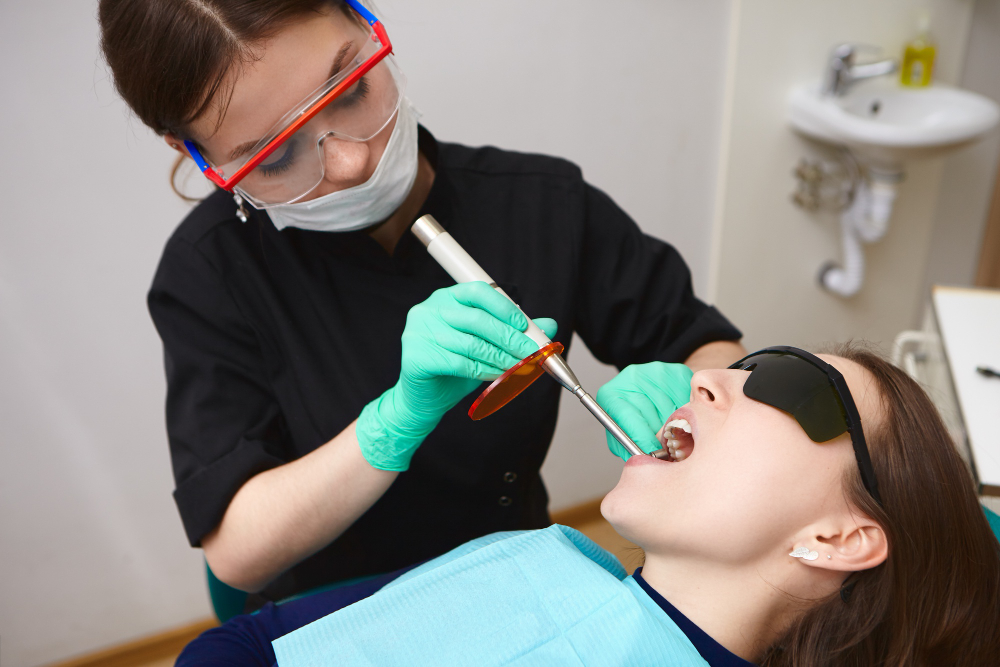
Tooth pain is just the worst. It never seems to hit at a good time. It can just start out of nowhere. Maybe it hits in the middle of the night. Or during a big, important meeting. Or maybe even while you are enjoying your favorite dinner. What starts as just a dull ache. That can quickly become sharp. Throbbing. Making it nearly impossible to eat. To sleep. Or to even think straight. So many people totally panic when this happens. They are not sure what the first step should be. Or how bad the issue really is. If you are in Burnside and suddenly dealing with bad tooth pain. Remember this one thing. You are not the only one this happens to. And help is totally available nearby. Knowing exactly how to handle the pain. Right before you get to a professional. That can seriously make things easier. It keeps you much more comfortable. And it helps stop the problem from getting even worse. This simple guide will walk you through easy. Safe things you can do at home. Plus. It explains how Emergency Dental Care in Burnside can get rid of that pain fast. And fix your smile. Why Jumping Into Action (But Staying Chill) Matters You should never ever ignore tooth pain. It is your body’s major warning sign. It is telling you something is very wrong. Maybe it is just a simple cavity. Or a bad infection. Or an injury. Getting help fast stops things from getting complicated. Things like abscesses. Or maybe even losing the tooth. But honestly. Staying calm is just as important as being quick. Panicking often makes people rush into bad decisions. Like trying some unsafe home cure. Or delaying care because they are scared. If your pain is really severe. Or it is constant and not stopping. Or if you have swelling. A fever. Or it is hard to swallow. This could be a true dental emergency. In those cases. You absolutely need to call your dentist immediately. Ask for Emergency Dental Care in Burnside. But until you can get into their office. There are a few totally safe steps you can try. These will help ease that horrible discomfort. What to Do at Home Before Your Appointment When tooth pain hits hard. Your main goal is simple. Get some relief. But do it without causing any more harm. Here are gentle. Proven ways to manage the pain right at home. Before you get professional treatment. 1. Swish with Warm Salt Water This is one of the easiest tricks there is. Mix half a teaspoon of regular salt. Mix it into a glass of warm water. Swish that mixture all around your mouth. Do it for about 30 seconds. Then spit it out. This helps clean the painful spot. It reduces swelling. And it can wash away any food bits stuck in there. Repeat this several times a day if you need to. 2. Apply Something Cold If your jaw or face looks swollen. Grab a cold compress. Or an ice pack wrapped gently in a soft towel. Hold it on the outside of your cheek. Keep it there for about 10 to 15 minutes at a time. This cold temperature helps to numb the whole area. And it cuts down on inflammation. That is what offers temporary relief from the awful throbbing pain. 3. Take Simple Pain Relief (Be Careful!) A simple pain reliever you buy at the store. Things like ibuprofen or paracetamol. They can really help until you get in to see your dentist. Always follow the dose written on the box. And this is key. Never put the pill right onto your gums or your tooth. That can actually cause bad chemical burns on the soft tissues. 4. Skip Hot, Cold, and Sugary Stuff Extreme temperatures. Or sweet snacks. They always make tooth sensitivity worse. And they increase the pain level. Just stick to soft. Lukewarm foods for a while. Until you get professional help. Avoid chewing anything on the side that hurts. You do not want to irritate it more. 5. Keep Everything Clean Sometimes. Tooth pain is just caused by a bit of food. Maybe it is trapped right between your teeth. Or stuck near your gums. Brush very gently around the sore area. And floss carefully to try and pull out any trapped junk. Rinse again after that with warm salt water. Just to keep the area super clean. 6. Try Sitting Upright Lying totally flat can push blood pressure up into your head. That can make the throbbing pain feel much worse than it is. Try keeping your head raised up. Especially when you are sleeping or trying to rest. This helps reduce the throbbing sensation. What You Should NOT Do When pain hits suddenly. It is easy to pick remedies that seem helpful. But they actually cause even more harm. Here is what you must definitely avoid doing: The best thing you can do is use gentle care at home. And quickly arrange Emergency Dental Care in Burnside right away. How Emergency Dental Care Works When you get to the dental clinic for an emergency visit. The team has one main goal. Get rid of your pain fast. And figure out exactly what is causing it all. Here is what usually goes down during your visit: The huge benefit of seeing an emergency dentist is getting that quick relief. And stopping the problem from spreading. Or from becoming much more serious. Clinics that provide Emergency Dental Care in Burnside have the right tools. And the right expertise. To handle urgent situations carefully and efficiently. Why You Must Not Put Off Seeing a Professional Tooth pain rarely ever gets better by itself. Even if the pain seems to go away for a little while. The core problem. Like decay or infection. That is still there. Delaying treatment only leads to bigger issues. This includes nerve damage. Abscesses. Or even losing the whole
Emergency Dental Care in Adelaide: How to Act Fast and Effectively
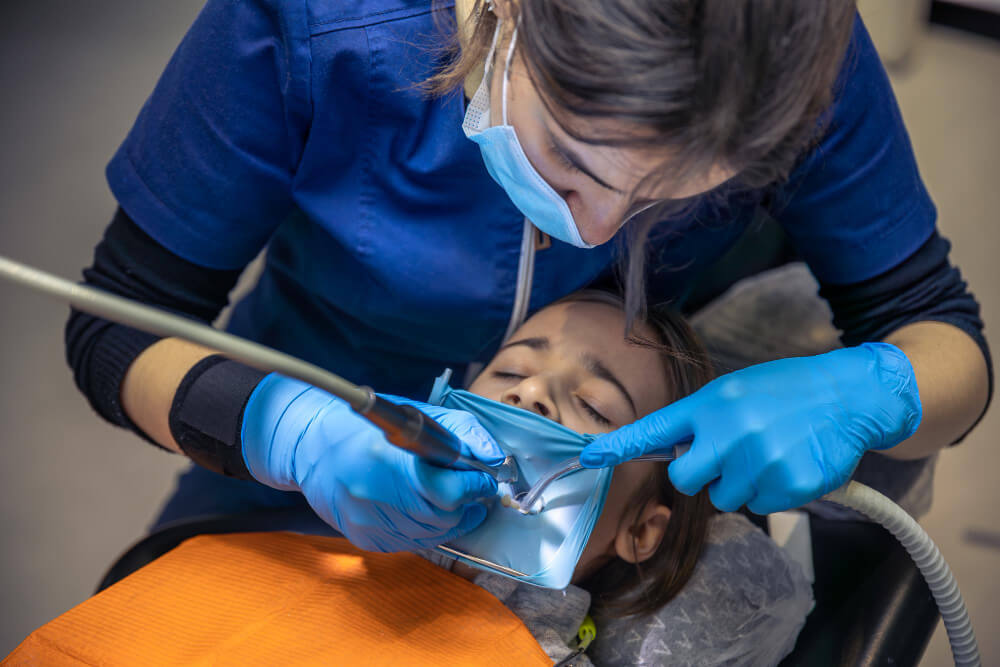
Dental emergencies can happen when least expected, causing pain, distress, and confusion about what to do next. Whether it’s a sudden toothache, a broken tooth, or an accident affecting your oral health, knowing how to respond quickly and effectively is crucial. If you live in or around Adelaide, understanding Emergency Dental Care in Adelaide and having access to trusted providers like Walsh Dental can make all the difference in safeguarding your smile. What Constitutes a Dental Emergency? Before diving into the steps to take during a dental emergency, it’s important to understand what qualifies as one. Not all dental issues require immediate emergency care, but some conditions do, including: If you experience any of these, it’s important to act quickly to prevent further damage and relieve pain. Immediate Steps to Take During a Dental Emergency When a dental emergency strikes, your first reaction might be panic or uncertainty. However, staying calm and knowing what to do can help improve the outcome. 1. Assess the Situation Evaluate the severity of the injury. If there is excessive bleeding, severe swelling, or a broken jaw, seek medical emergency services immediately. For other issues like a knocked-out tooth or severe toothache, follow these steps. 2. Control Bleeding If there is bleeding, apply gentle pressure with a clean cloth or gauze to the affected area. Keep your head elevated to reduce blood flow to the area and help slow the bleeding. 3. Preserve a Knocked-Out Tooth If a tooth has been completely knocked out, time is of the essence. Handle the tooth carefully by the crown (the part you chew with), avoiding touching the root. Rinse the tooth gently with milk or saline solution—never scrub or use soap—and try to place it back into the socket if possible. If you can’t, keep it moist by storing it in milk, saliva, or a tooth preservation kit and get to a dentist immediately. 4. Manage Pain and Swelling Use a cold compress on the outside of your mouth or cheek near the injury to reduce swelling and numb pain. Over-the-counter painkillers like ibuprofen can also help, but avoid aspirin, as it may increase bleeding. 5. Avoid Eating or Drinking Until you see a dentist, avoid eating hard, hot, or cold foods and drinks that could irritate the injured area. Why Prompt Emergency Dental Care in Adelaide is Crucial Quick and effective treatment can mean the difference between saving a tooth and permanent loss. This is where Emergency Dental Care providers in Adelaide like Walsh Dental come in. Their expertise and access to modern dental technology ensure that your dental emergency is handled with precision and care. Here’s why timely professional care matters: Finding the Right Emergency Dental Care in Adelaide When you’re in pain or dealing with a dental emergency, knowing where to turn can be overwhelming. Many dental clinics in Adelaide offer emergency services, but it’s important to choose one that provides comprehensive care, quick response, and compassionate support. Walsh Dental is a trusted name for Dental Treatment in Adelaide, offering a range of emergency dental services with experienced dentists ready to assist you. Their approach focuses on patient comfort and efficient care, ensuring that your emergency is handled professionally. Common Emergency Dental Treatments At Walsh Dental and other good dental clinics, there are times when the dentist needs to help someone right away. This happens when you suddenly have bad tooth pain, hurt your mouth, or something serious happens to your teeth or gums. In these situations, you cannot wait for a normal visit. You need help fast so the problem does not get worse. Tooth Reimplantation Sometimes a tooth can come out of your mouth completely. When this happens, the dentist may try to put it back in the same place. This is called reimplantation. It works best if you see the dentist very quickly, within one hour after the tooth comes out. The dentist will clean the tooth and the spot in your mouth where it came from. Then they will put the tooth back in and keep it still so it can heal. You must act fast because the more time you wait, the harder it is to save the tooth. Tooth Repair A tooth can break or lose a small part. This can happen if you fall, bite something very hard, or if the tooth is already weak. If the damage is small, the dentist can fix it with a special material that looks like your tooth. They will shape it so it looks normal again. If the break is big, the dentist might put a crown on the tooth to protect it. Sometimes they may put a thin cover called a veneer to make it look nice again. The aim is to make the tooth strong and look the way it should. Abscess Treatment An abscess is when you get a small pocket of pus in your tooth or gums because of an infection. It can be very painful and can sometimes make your face swell. If it is not treated quickly, the infection can spread to other parts of your body. The dentist will drain the pus to remove the infection. They may also give you medicine to fight the infection. Getting it treated early can stop bigger health problems. Root Canal Therapy If a tooth is badly damaged or has a deep infection inside, the dentist may do a root canal. In this treatment, the dentist removes the infected part inside the tooth, cleans it, and fills the empty space to protect it. This can help you keep your real tooth instead of removing it. Pain Care and Temporary Fixes When you have a sudden tooth problem, the pain can be very strong. The dentist can give you medicine to make the pain and swelling less. Sometimes they will give you a temporary fix, like a filling or cover, until they can do the full treatment. This helps you feel better while they get ready to give
Dental Emergency in Adelaide: What You Should Do for a Toothache

Having a toothache is very annoying. The next second you are holding your breath and wondering what just happened. You might feel a slow ache that starts to bother you while you are eating or it might come on quickly and make you stop what you are doing. It is difficult to think of anything else once the pain starts. As anyone who has had one knows, it can make a normal day completely different. In Adelaide, knowing what to do and where to go when it happens is helpful. Actually, tooth pain doesn’t wait for a good time. It comes up in the middle of the night, right before a big meeting or while you’re just trying to relax on the weekend. What should you do when the pain comes on? We want to make it very easy to understand and get right to the point. If you ever face a dental emergency in Adelaide, it’s important to act fast and get proper care. That’s exactly what we provide at Walsh Dental. Whether it’s a cracked tooth, sudden swelling or unbearable pain, knowing where to turn can make all the difference. At Walsh Dental, we are here for those moments when you need fast expert care because toothaches don’t follow a schedule. What Actually Counts as a Dental Emergency Not every little twinge in your tooth is a full-blown emergency. Sometimes it’s something minor that just needs a bit of care. But there are certain signs you really shouldn’t ignore. Here’s when you should stop what you’re doing and take it seriously: Your tooth is pounding and the pain is not letting up Your face or jaw is swollen, and it looks like something’s off Your gums are bleeding, and it won’t stop A tooth has chipped, cracked or popped right out You feel sharp pain when you eat or drink anything hot or cold You’ve got pus, a nasty taste in your mouth, or a fever If any of that sounds like what you are feeling, don’t brush it off. That’s your body throwing up a red flag. And when it comes to your teeth, ignoring things often makes it worse later. Why Toothaches Happen in the First Place Tooth pain always has a reason. At first, it might not seem like there is anything going on, but there is. What might be causing the pain can help you decide what to do next. As usual, here are the suspects: Cavities One reason that happens a lot is tooth loss. If you haven’t been to the dentist in a while and plaque has been building up, it can cause holes in your teeth. The pain starts when it touches a nerve. Bad gums Do your gums hurt, swell, or bleed? That could mean you’re getting gum disease. Sometimes the gums are the real source of pain, even though it feels like tooth pain. Infection or abscess in the tooth This is an important one. If bacteria get in and make a pus pocket near the root, the pain can get very bad very quickly. You may also have a fever or notice that your face is swollen. Teeth that are broken or cracked When you bite into something too hard, out pops a crack you didn’t even notice at first. But that crack can hurt after a while, especially when you chew or drink something cold. Tooth pain after dental work Have you recently had a filling or crown put on? You should expect to feel sensitive after that. But if things keep getting worse, you might need to change something. Sore sinuses It is true that sinus diseases can hurt your top teeth. It can feel like you have a toothache because the pressure from your lungs is putting pressure on your tooth roots. What You Can Do Right Now to Ease the Pain When tooth pain hits, you need relief fast. Here are a few easy things you can try at home before you can see a dentist. Warm salty water rinse Mix a bit of salt in warm water and gently swish it around your mouth. This helps clean the area and can bring down swelling. It won’t fix the problem but it can soothe things for a while. Painkiller Ibuprofen or paracetamol are both good options for toothache. Just follow the instructions on the box. And no don’t crush the tablet and put it on your tooth. That’s an old myth and it can actually burn your gums. Cold compress Got swelling? Grab a clean cloth, wrap it around some ice or a bag of frozen peas, and hold it against your cheek. It helps numb the area and calm things down. Avoid anything too hot or cold Skip the steaming tea or ice-cold juice for now. Same goes for sugary treats. Soft, room-temperature foods are your best friend until you are feeling better. Keep your head elevated Lying flat can sometimes make the pain throb even more. Prop yourself up with an extra pillow if you’re trying to rest. These tips won’t solve the root cause but they’ll make the situation a bit more bearable while you figure out what to do next. When It’s Time to Call a Dentist If the pain is mild and goes away in a day or so, it might not be an emergency. But if it sticks around, gets worse, or you see any of those serious signs we talked about earlier, don’t wait. You should see a dentist in Adelaide quickly if: The pain keeps you up at night or ruins your day Your face is puffing up and you can’t open your mouth properly You have a high fever or feel generally sick You can’t chew, speak, or concentrate A tooth has broken or come out There’s ongoing bleeding in your mouth Getting treatment early can save you a lot of time, pain, and money in the long run. It’s always better to deal
Top Signs You Need Emergency Dental Care in Burnside

Dental problems may arise at any given time, often unexpectedly, and in some cases, they can be converted to an emergency that needs immediate professional intervention. If such happens, then one needs to visit an emergency dentist in an attempt to avoid additional damage, pain, or worsening. No matter if a toothache, injury, or rotten infection is acute or not, knowing the symptoms that mean you need immediate dental care can mean the difference between recovery time and the level of care the problem is receiving. Being located in Burnside and aware of these symptoms and where to look can keep your mouth and overall health in the best shape they can be in. 1. Acute Toothache The most prevalent excuse people use to visit an emergency dentist is due to a toothache. Painful and persistent toothache that does not seem to settle with over-the-counter medication is the unmistakable sign that something amiss is. Maybe an infected tooth, cavitation that infected the pulp, or a fractured tooth. All of which need the attention of a dental expert right away before things get out of hand. If you are stinging, burning, or have pain that does not improve, you will need to reach out to a dentist as quickly as possible. Delays will result in worsening problems, such as infection or loss of a tooth. Going to the dentist in Burnside might give you the prompt relief you seek and permit the underlying cause to be treated before it worsens. 2. Swelling of the Mouth or Face Severe swelling in your face or mouth, either within or outside your mouth, is the other significant sign that you urgently need dental treatment. Swelling is due to gum infection or tooth abscess, which, if not treated, can extend to other parts and lead to very serious health complications. An abscess may cause severe pain, fever, and difficulty in swallowing. In other cases, the swelling may be minimal but is a sign that something has been amiss in the deeper layers. Irregular swelling must be treated urgently by visiting dental care centers. In Burnside, centers such as Walsh Dental are open where such cases receive professional and compassionate care, draining the infection before any damage can happen. 3. Knocked-Out or Broken Tooth A broken or knocked-out tooth is yet another dental emergency that needs immediate attention. Whether a result of an accident, sport, or fall, the loss of a tooth can be a painful and harrowing experience. If your tooth has been knocked out, do your best to pick it up, and refrain from touching the root. Wash it in clean water if dirty, and attempt to replace it in the socket if possible. If you can’t do that, keep the tooth moist by placing it in a milk or water container. For broken teeth, make sure to keep the area clean and avoid chewing on that side of your mouth. It’s crucial to get to an emergency dentist as soon as possible to avoid infection and increase the chances of saving the tooth. At a clinic offering dental care in Burnside, professionals can offer solutions to restore your tooth or repair any damage, depending on the severity of the situation. 4. Excessive Bleeding While common to moderate bleeding in the mouth during or following dental treatment or injury, excessive bleeding should be excessively controlled or excessive rather than something to look out for. In the event you realize you are excessively bleeding from the gums, teeth, or in the mouth and are unable to stop it through firm pressure, perhaps it is the manifestation of more evolved conditions like gum infection, abscess, or severe oral tissue trauma. Heavier bleeding, however, can also be caused by vascular trauma or a bleeding disease in the blood vessels of your mouth. Either of these conditions will need to be treated by a dentist immediately, however. Dentists such as those at Walsh Dental of Burnside are provided with the training needed to examine and treat any instance of heavier bleeding in an attempt to give it the time and attention it needs. 5. Losing a Filling or Crown A lost filling or crown will not always appear to be an emergency, but it can result in serious problems if it is not treated. Without a filling or crown covering your tooth, your tooth is exposed to destructive food and bacteria, which can cause infection, pain, or damage. If a filling or crown becomes loose, one should see the dentist right away. A dentist can reattach the filling or crown and fix any underlying problem with the tooth. In some instances, they will also have to treat any infection that has happened due to loss of the crown or filling. 6. Trouble Breathing or Swallowing If you cannot breathe or swallow because of a problem in the mouth, you must have urgent dental treatment right away. These are indications that there may be an infection or abscess in the mouth that is affecting the rest of the body or an indication that there is an allergy to medication, food, or a dental procedure. Swallowing or breathing difficulty should never be taken lightly because it can be a sign of a potentially life-threatening disease. Your condition can be evaluated, you can get the treatments you need, and you can be referred to the right medical specialists by a dentist if necessary. 7. Hot and Cold Sensitivity Although intermittent heat and cold sensitivity is normal, irritating or troublesome excess sensitivity might be the harbinger of some grave issue. Increasing sensitivity over time may indicate the symptoms of rot in a tooth, gum exposure, or a broken tooth, and all should be handled by specialists. If sensitivity is painful and does not go away, it’s necessary to visit a dentist immediately. If left untreated, such conditions may result in infection, tooth loss, or more damage. Fortunately, dental professionals within Burnside can identify your symptoms and administer the appropriate treatment to
Dental Emergency in Adelaide: What to Do When You Have a Toothache

Severe Toothache is an Abomination and a Painful Experience Stabbing, aching, or throbbing—it is necessary to learn how to manage a dental emergency. In case you are facing a dental emergency in Adelaide, knowing what to do relieves pain and prevents complications. In this definitive guide, we will diagnose the causes of toothaches you are suffering from, home remedies to relieve you immediately, when to use the services of a dentist, and how Walsh Dental can act in cases of dental emergencies. Common Causes of Toothache Mild toothache can be caused by numerous underlying factors. The initial step toward effective recovery is knowing the reasons for your toothache. A few of the most prevalent causes of toothache are: 1. Tooth Decay (Cavities) Cavities occur when the bacteria erode the tooth enamel, creating holes in teeth. Decay, if not attended to, may progress deeper to the inner pulp, which may lead to aching and infection. 2. Gum Disease (Gingivitis and Periodontitis) Infected or inflamed gums can be accompanied by pain, swelling, and bleeding. Advanced gum disease can infect the roots of teeth, leading to chronic toothache. 3. Dental Abscess Dental abscess is an infection caused by bacteria that forms a pocket of pus. It is typically painful, throbbing, swollen, and causes fever. An abscess must be treated immediately by a dentist. 4. Broken or Cracked Teeth Tooth crack may expose nerves and cause pain while chewing or drinking hot or cold liquids. 5. Impacted Wisdom Teeth Infected wisdom tooth can be impacted behind the gum and cause pain, swelling, and infection. 6. Sinus Infections No one would have imagined, but sinus infection can cause toothache because pressure that sinus congestion has placed on front teeth. Home Remedies to Get Instant Toothache Relief In event of acute toothache, relief can be achieved in the meantime until more treatment is possible. 1. Gargle with Warm Salt Water Warm salt water is a natural disinfectant that kills bacteria and lowers swelling. Add one teaspoon of salt to warm water and gargle to provide relief. 2. Use a Cold Compress Put a cold compress on the swollen area to make it swell less and dull the pain. Place an ice pack wrapped in a cloth over your cheek for 15-20 minutes. 3. Use Over-the-Counter Pain Relievers Pain from a toothache will be temporarily alleviated by pain relievers like ibuprofen or acetaminophen. Aspirin can’t be used on the gum since it will irritate. 4. Use Clove Oil Clove oil is antibacterial and analgesic. Soak a cotton ball in clove oil and put it gently over the sore area. 5. Avoid Trigger Foods and Drinks Hot, cold, or sweet foods will aggravate toothache. Consume warm food that is soft and do not chew on the sore side. 6. Hydrogen Peroxide Rinse Hydrogen peroxide and water mixture and rinsing through the mouth to kill bacteria and avoid inflammation. Do not swallow. When to See an Adelaide Dentist Although home treatment is comforting, there are toothaches that require your prompt professional intervention. They are signals that you should see an Adelaide dentist urgently: 1. Intense or Chronic Pain When the toothache persists beyond 24-48 hours, it can be a symptom of a significant oral condition requiring expert intervention. 2. Swelling of Face or Jaw Swelling can cause infection or abscess, and if left untreated, can spread to other areas of the body. 3. Toothache Fever Toothache fever is a sign of infection and needs to be treated by a dentist right away. 4. Pain While Eating or Speaking If pain makes you uncomfortable while eating, drinking, or talking, you need to get immediate consultation from a dentist. 5. Pus or Bad Taste in Mouth Pus in gums or bad taste in the mouth is a indication of an abscess which has to be treated right away. What to Expect at an Emergency Dental Visit If you visit Walsh Dental for emergency care, the dentist will: 1. Examination and Diagnosis The dentist will examine your teeth and gums and perhaps X-ray to discover why you are experiencing a toothache. 2. Pain Relief If you are very painful, the dentist can administer local anaesthesia or painkillers. 3. Treatment The treatment can differ based on the cause you have a toothache and can be: 4. Preventive Advice Dietary advice will be provided by the dentist on how to maintain the teeth in such a condition that there are no future complications. Prevention of Future Dental Emergencies Emergencies cannot be prevented, but good oral hygiene can be used for the prevention of toothaches. 1. Maintain Good Oral Hygiene Brush teeth twice daily, floss daily, and work together with an antiseptic mouthwash to avoid developing bacteria. 2. Visit Your Dentist Regularly Visiting a regular Adelaide dentist will ensure that anything is identified before it has the opportunity to become an emergency. 3. Steer Clear of Hard Foods Ice, popcorn seeds, and hard candies will crack your teeth, injuring and hurting you. 4. Wear a Mouthguard If you bruise at night or are an athlete, a mouthguard will shield your teeth. 5. Hydration Water must be consumed in order to rinse the bacteria and food out of the mouth, thereby improving oral hygiene. Why Choose Walsh Dental Emergency Care? For any dental emergency in Adelaide, having an excellent dental clinic nearby is crucial. Walsh Dental makes it a point to offer timely, effective, and caring treatment for any dental emergency. 1. Extremely Experienced and Certified Dentists Walsh Dental professionals are well-equipped to handle urgent dental problems, ranging from toothache to abscess and fracture. 2. Advanced Equipment With the latest dental equipment, Walsh Dental offers accurate diagnosis and effective treatment. 3. Same-Day Emergency Appointments With a realization of the importance of toothache, Walsh Dental offers same-day emergency appointments to help you feel better right away. 4. Patient-Centric Approach Walsh Dental is patient-centered and ensures that you are cared for in a professional and relaxed atmosphere. Final Thoughts Toothaches are painful and infuriating, but ignorance is