
Teeth Whitening Adelaide: What It Fixes, What It Cannot
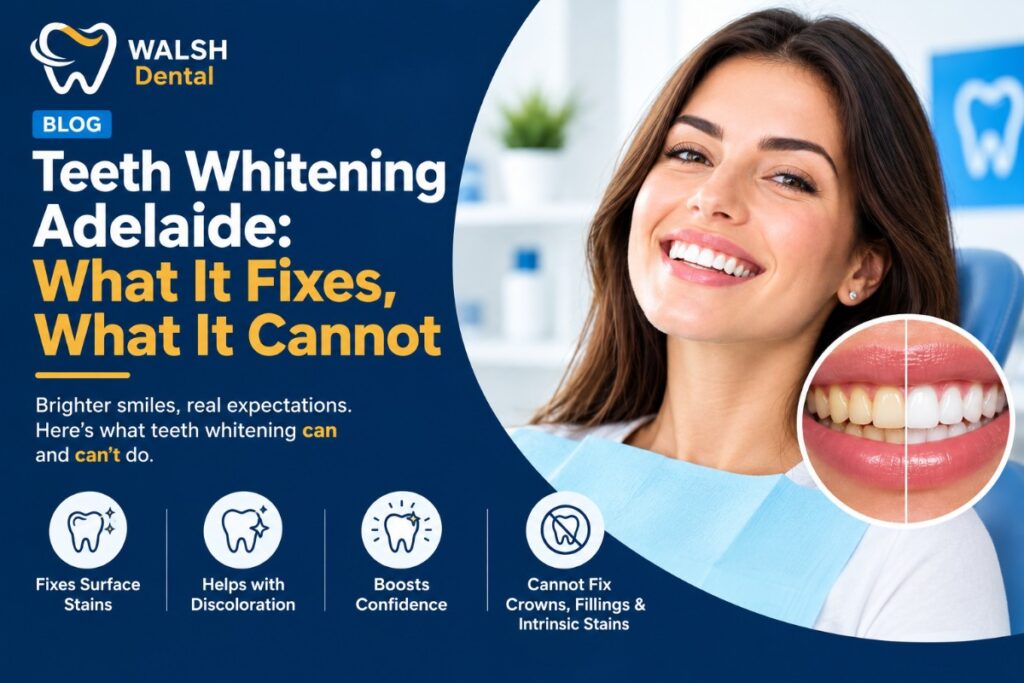
Teeth Whitening Adelaide: What It Fixes, What It Cannot If your smile has lost some of its brightness, professional whitening may be a simple way to bring back its natural sparkle. For many people, it can make a noticeable difference. However, whitening does not work on every type of tooth discolouration. Understanding the cause of the staining first can help you choose the right treatment and avoid unrealistic expectations. At Walsh Dental, we often see patients who expect whitening to remove every stain, mark, or dark spot on their teeth. While surface stains and some types of natural discolouration can respond very well to professional treatment, deeper or internal stains may need another approach. If you are considering teeth whitening Adelaide, knowing what the treatment can and cannot improve will help you make a more informed decision about your smile. How Does Teeth Whitening Actually Work? Professional teeth whitening uses a peroxide-based gel (usually hydrogen peroxide or carbamide peroxide) to break down stain molecules trapped in and on the enamel. The peroxide penetrates the tooth structure, oxidises the discoloured compounds, and lightens their appearance. There are two main approaches: In-chair whitening (such as Zoom Whitening): A stronger concentration gel is applied by a dentist and activated with light, delivering visible results in a single visit. Take-home whitening kits: Custom-fitted trays and a lower-strength gel are used over one to two weeks, offering a gradual, controlled result. Both methods work on the same principle, but they only work on certain types of discolouration, which is where most of the confusion starts. What Teeth Whitening Can Fix The good news is that whitening handles the most common causes of discoloured teeth very effectively. Surface stains from food and drink: Coffee, tea, red wine, curry, and dark sauces all leave pigment behind on enamel over time. These extrinsic stains sit on the surface and respond well to bleaching. Stains from smoking or tobacco: Nicotine and tar build up on enamel in a similar way to food stains, and whitening can lift much of this discolouration. Age-related yellowing: As enamel naturally thins with age, the yellower dentin layer underneath becomes more visible. Whitening can brighten this appearance significantly, even if it doesn’t reverse the underlying enamel thinning. General dullness from diet and lifestyle: Everyday wear and tear from your diet, oral hygiene habits, and time can leave teeth looking duller than they used to be. This is one of the most reliably improved concerns with whitening. Mild to moderate discolouration before an event: If you want a brighter smile for a wedding, job interview, or photos, whitening is often the fastest, least invasive way to get noticeable results. What Teeth Whitening Cannot Fix This is the part most patients don’t hear about until they’re already in the chair. Some causes of discolouration simply don’t respond to bleaching, no matter how many sessions you do. Tetracycline stains: If antibiotics were taken during childhood tooth development (or by a mother during pregnancy), they can cause grey or brownish banding deep within the tooth structure. These stains are internal and structural, not surface-level, so standard whitening has little to no effect. White spots from fluorosis or enamel defects: Whitening evens out yellow and brown tones, but it can’t blend away white spots caused by fluorosis or developmental enamel defects. In some cases, whitening the surrounding enamel can actually make white spots more noticeable by contrast. Restorations: crowns, veneers, fillings, and bonding: Porcelain, composite, and ceramic materials don’t respond to peroxide gel the way natural enamel does. If you whiten your natural teeth, any existing crowns or fillings will stay the same shade, which can create a mismatched smile. This needs to be planned for before treatment. Dead or root-canal-treated teeth: A root-canal-treated or dead tooth can darken from the inside, making external whitening ineffective. Internal (non-vital) whitening treats the discolouration from inside the tooth and helps restore its natural appearance. Enamel wear, chips, and structural damage: Whitening changes colour, not shape or structure. Cracks, chips, or worn edges need restorative treatment, not a bleaching gel. Gum-related discolouration: Shadows caused by receding gums or thinning enamel near the gumline are structural issues, not staining, and whitening won’t resolve them. In-Chair Whitening vs At-Home Kits vs Over-the-Counter Products Not all whitening is equal, and this matters as much as understanding what whitening can treat. In-chair professional whitening offers the fastest, most dramatic, and most predictable results because it’s supervised, uses higher-strength gel, and protects your gums during treatment. Dentist-supplied take-home kits use custom trays for an even, comfortable fit, giving controlled results over a slightly longer timeframe. Over-the-counter strips and pens use much lower concentrations and generic, one-size-fits-all trays. Results are usually modest, uneven, and slower, and there’s a higher risk of gum irritation from poor-fitting applicators. Seeing a qualified whitening dentist Adelaide patients trust means your treatment is tailored to your specific staining, your enamel condition, and your sensitivity levels rather than a generic approach that may not suit your teeth at all. Not sure whether teeth whitening can fix your tooth discoloration? CALL: 08 8331 0436 BOOK AN APPOINTMENT What to Do When Whitening Won’t Work If your discolouration falls into the “cannot fix” category, that doesn’t mean you’re out of options. It just means whitening isn’t the right tool. Depending on the cause, alternatives include: Porcelain veneers to mask tetracycline stains, white spots, or uneven enamel Composite bonding for smaller, localised discolouration or chips Crowns where structural damage or heavy staining is combined with weakened tooth structure Internal (non-vital) whitening specifically for root-canal-treated teeth A proper assessment is the only way to know which category your teeth fall into, which is why a consultation matters more than guessing based on what worked for a friend or a product you saw online. Is Teeth Whitening Safe? For most healthy adults, professional whitening is safe when supervised by a dentist. Temporary tooth sensitivity or mild gum irritation are the most common side effects, and they usually settle within
Teeth Whitening in Adelaide: Common Mistakes to Avoid After Treatment
A bright and confident smile can completely change the way you feel about yourself. Many people choose professional whitening treatments to remove stains caused by coffee, tea, wine, smoking, and daily food habits. But getting your teeth whitened is only the first step. What you do after the treatment plays a big role in keeping your smile white and healthy for a longer time. At Walsh Dental, patients often ask how they can protect their results after professional whitening. The truth is that many people unknowingly make small mistakes that reduce the effectiveness of their treatment. If you recently had Teeth Whitening in Adelaide, this guide will help you understand what to avoid and how to maintain your bright smile for months. Why Aftercare Matters After Teeth Whitening Professional whitening treatments remove deep stains and improve the natural shade of your teeth. However, your teeth become slightly more sensitive immediately after the treatment. During this time, they can absorb colours from foods and drinks more easily. This is why proper aftercare is extremely important. Following the right habits can help your whitening results last longer and reduce sensitivity. Ignoring aftercare instructions may lead to quick staining and uneven colour changes. A trusted Whitening dentist in Adelaide will always guide you about the right after-treatment care to protect your smile. Are You Eating the Wrong Foods After Whitening? One of the most common mistakes people make is eating strongly coloured foods immediately after whitening. The first 48 hours are especially important because your teeth are more vulnerable to stains during this period. Foods and Drinks to Avoid These items can stain your freshly whitened teeth quickly. What Should You Eat Instead? Choose light-coloured foods such as: This is often called the “white diet” and can help maintain whitening results during the first few days. Do You Smoke After Whitening Treatment? Smoking is one of the fastest ways to ruin whitening results. Tobacco contains nicotine and tar, both of which create yellow and brown stains on teeth. Even a few cigarettes after treatment can reduce the brightness of your smile. Smoking can also increase tooth sensitivity and affect overall oral health. If quitting completely feels difficult, try avoiding smoking for at least 48 to 72 hours after whitening. This can make a noticeable difference in maintaining your results. Are You Skipping Proper Oral Hygiene? Many people think whitening treatment alone is enough to maintain a bright smile. Unfortunately, poor oral hygiene can quickly lead to plaque buildup and new stains. Daily Habits That Help Good oral hygiene not only keeps your teeth white but also protects your gums and overall dental health. At Walsh Dental, patients are encouraged to follow a complete oral care routine after whitening treatment for longer-lasting results. Are You Using the Wrong Toothpaste? Another common mistake is using harsh or highly abrasive toothpaste after whitening. Some products promise instant whitening but may damage enamel if overused. What Happens With Abrasive Toothpaste? Always choose gentle whitening products recommended by your dentist. Sensitive toothpaste can also help reduce discomfort after treatment. Do You Ignore Tooth Sensitivity? Mild sensitivity after whitening is completely normal. However, many people either panic unnecessarily or ignore severe discomfort. Common Signs of Sensitivity What You Can Do If sensitivity lasts longer than expected, contact your dentist for professional advice. Are You Drinking Too Many Acidic Beverages? Acidic drinks can weaken enamel and make teeth more likely to stain again. This includes: These beverages can also increase sensitivity after whitening treatment. Smart Alternatives Drinking water regularly also helps wash away food particles and reduce staining. Do You Forget Regular Dental Check-Ups? Many people invest in whitening treatments but skip regular dental visits. Professional cleanings help remove surface stains before they become permanent. Routine check-ups can also detect problems like: Scheduling regular dental appointments is one of the easiest ways to maintain a brighter smile. Are DIY Whitening Products Damaging Your Teeth? After professional treatment, some people continue using random whitening kits or internet remedies at home. This can actually damage your teeth. Common DIY Mistakes These methods may weaken enamel and create uneven whitening results. Professional advice is always safer and more effective than experimenting with home remedies. How Long Do Whitening Results Usually Last? This is one of the most common questions patients ask. The answer depends on your habits and oral care routine. In general, professional whitening results may last from several months to a few years. Factors That Affect Results People who follow proper aftercare instructions usually enjoy longer-lasting whitening effects. Can You Drink Coffee Again? Yes, but timing matters. Avoid coffee for at least 48 hours after treatment. Once you start drinking it again, try these tips: Small habits like these can help reduce future staining. What Makes Professional Whitening Better Than Home Kits? Professional treatments are safer, faster, and more effective compared to over-the-counter products. Benefits of Professional Whitening Choosing professional care also ensures that underlying dental issues are checked before whitening begins. Patients who choose Teeth Whitening in Adelaide through experienced dental professionals often achieve more natural and longer-lasting results. How Can You Keep Your Smile White for Longer? Maintaining your whitening results does not have to be difficult. A few consistent habits can make a huge difference. Simple Tips for Long-Lasting Results At Walsh Dental, patients receive guidance on maintaining healthy and beautiful smiles long after their whitening treatment. Is Teeth Whitening Safe for Everyone? Professional whitening is generally safe for most adults. However, it may not be suitable for: A proper dental consultation helps determine whether whitening is the right option for you. Final Thoughts A brighter smile can improve confidence and leave a lasting impression. However, keeping your teeth whitening results long-lasting requires proper care and healthy daily habits. Avoiding common mistakes like smoking, consuming staining foods and drinks, poor oral hygiene, and overusing DIY whitening products can help maintain a whiter and healthier smile for a longer time. If you are planning to enhance your smile
White Fillings: Shade, Strength, and Smart Timing
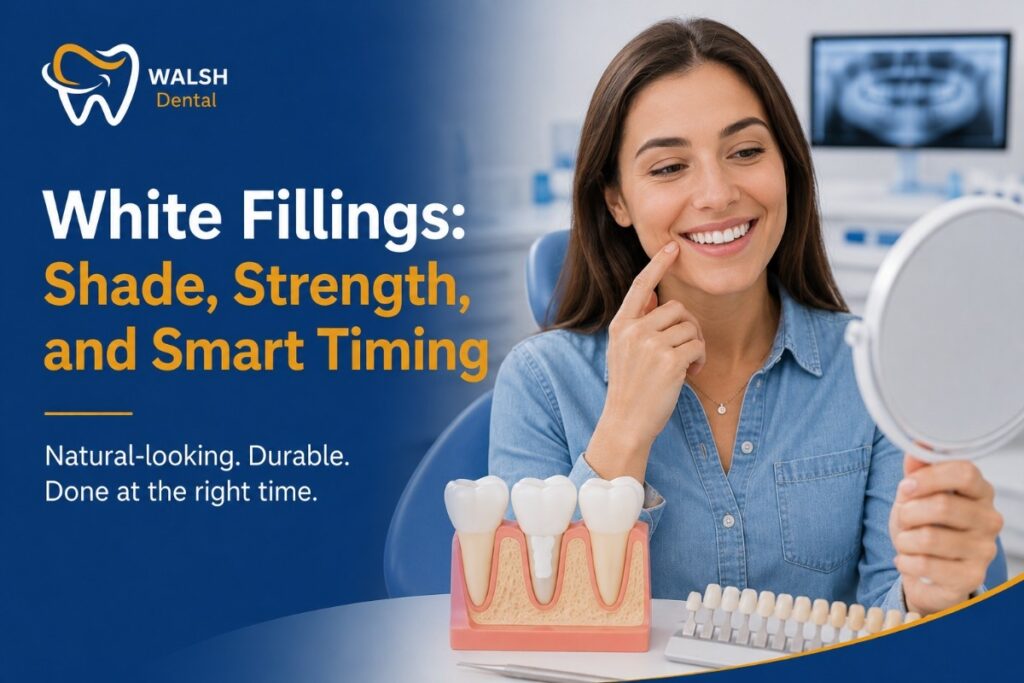
A healthy smile is not only about appearance. It also affects confidence, comfort, and oral health. Modern dentistry has made it possible to restore damaged teeth without the noticeable silver fillings used in the past. White fillings are now one of the most preferred dental treatments because they blend naturally with teeth while also providing strength and durability. At Walsh Dental, patients often choose white fillings to improve both the function and beauty of their smiles. Many people today want dental solutions that look natural and feel comfortable. White fillings help repair cavities, cracks, and worn teeth while maintaining the natural appearance of the smile. Whether someone is considering cosmetic improvements or looking for a practical restoration, white fillings can be an excellent option. Patients who visit a Whitening dentist Adelaide also often ask about white fillings because they want all dental work to match the brightness of their teeth. What Are White Fillings? White fillings are tooth-colored restorations made from composite resin materials. These fillings are carefully matched to the natural shade of the tooth so they are less visible when smiling, speaking, or eating. Unlike traditional metal fillings, white fillings bond directly to the tooth structure, which helps support the remaining healthy tooth. Dentists commonly use white fillings to treat tooth decay, repair chipped teeth, close small gaps, and improve the appearance of discolored teeth. They are popular among adults and teenagers because they offer both cosmetic and functional benefits. At Walsh Dental, white fillings are designed to blend naturally with surrounding teeth. The treatment process is usually quick and comfortable, making it suitable for patients who want long-lasting results without changing the natural appearance of their smile. Why Are White Fillings Becoming So Popular? Over the years, patients have become more conscious about how their teeth look. Metal fillings may still work well, but many people dislike the dark appearance they create. White fillings solve this issue by offering a restoration that is almost invisible. Another reason for their popularity is their versatility. White fillings can be used on front and back teeth, making them suitable for many dental situations. Since the material bonds directly to the tooth, less drilling is often needed compared to older filling methods. Many patients who undergo Teeth Whitening in Adelaide later decide to replace older metal fillings with white fillings to achieve a more even and natural smile appearance. This combination helps improve the overall look of the teeth without extensive cosmetic procedures. How Do Dentists Match the Shade? One of the biggest advantages of white fillings is the ability to customize the shade. Dentists carefully compare different tones and colors to select a filling material that closely matches the natural tooth. Several factors are considered during shade selection: Modern composite materials come in many shades, allowing dentists to create very natural-looking results. In some cases, layering techniques are used to mimic the translucency and texture of real teeth. Patients planning whitening treatments should discuss this with their dentist before receiving white fillings. Whitening products do not change the color of composite materials, so dentists may recommend completing whitening first and then matching the filling to the brighter tooth shade. This is one reason why patients visiting a Whitening dentist Adelaide often receive personalized treatment planning. Coordinating whitening and restorative treatments helps create a more balanced and attractive smile. Are White Fillings Strong Enough? Many people assume white fillings are only for front teeth because of their appearance. However, modern composite materials are much stronger than older versions. Today, white fillings are commonly used on molars and other teeth that experience heavy chewing pressure. The strength of a white filling depends on several factors: When properly cared for, white fillings can last for a long time while maintaining both function and appearance. Walsh Dental focuses on high-quality restorative care to ensure patients receive durable and natural-looking results. When Is the Right Time to Get a White Filling? Timing plays an important role in dental care. Many people delay treatment because they do not feel pain immediately. However, early treatment often prevents more serious dental problems later. You may need a white filling if you notice: Treating decay early usually means a smaller filling and less invasive treatment. Waiting too long may allow the damage to spread deeper into the tooth, increasing the risk of root canal treatment or extraction. Patients interested in smile improvements also choose white fillings for cosmetic reasons. Minor imperfections such as uneven edges or small gaps can often be corrected quickly with composite bonding techniques. Can White Fillings Improve Cosmetic Appearance? Yes, white fillings are not only restorative but also cosmetic. Dentists can reshape teeth, smooth rough surfaces, and improve symmetry using composite materials. This treatment is often recommended for patients who: For patients considering cosmetic dentistry, white fillings can sometimes provide a more affordable and conservative option compared to veneers or crowns. At Walsh Dental, treatment plans are customized based on each patient’s goals, oral health, and budget. This approach helps patients achieve natural-looking results while protecting healthy tooth structure. Do White Fillings Stain Over Time? Although white fillings resist stains better than many people expect, they can discolor over time due to coffee, tea, wine, smoking, and poor oral hygiene. However, regular professional cleaning and proper care can help maintain their appearance. Patients who frequently consume staining foods or drinks should rinse with water afterward and maintain regular dental checkups. Professional polishing may also help refresh the appearance of fillings. People who have undergone Teeth Whitening in Adelaide should remember that whitening treatments only affect natural teeth. Existing fillings may need replacement if they no longer match the lighter shade of the surrounding teeth. What Happens During the Procedure? Getting a white filling is usually a straightforward process. The dentist first examines the tooth and removes any decay or damaged areas. The tooth is then cleaned and prepared for bonding. A special adhesive helps the composite material attach securely to the tooth surface. The
Adelaide Teeth Whitening: Expert Tips and Treatment Options
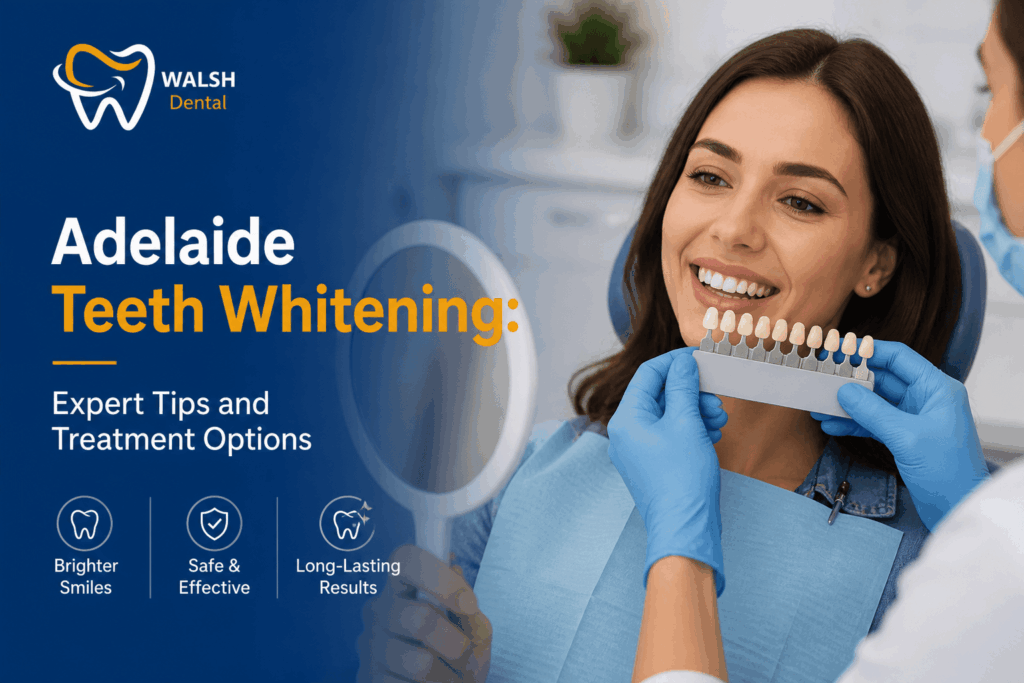
A bright, white smile is one of the first things people notice and it can instantly boost your confidence. Whether you’re preparing for a special occasion or simply want to enhance your everyday appearance, teeth whitening has become one of the most popular cosmetic dental treatments today. If you’re considering improving your smile, Walsh Dental offers advanced solutions tailored to your needs, ensuring safe and effective results. In this guide, we’ll walk you through everything you need to know about teeth whitening, including expert tips, available treatment options, and how to maintain long-lasting results. Why Do Teeth Become Discolored? Before choosing a whitening treatment, it’s important to understand why teeth lose their natural brightness. Over time, several factors can contribute to staining and discoloration. One of the most common causes is diet. Drinks like coffee, tea, red wine, and even certain fruits can stain your teeth when consumed regularly. Smoking or tobacco use is another major contributor, often leading to deep yellow or brown stains. Age also plays a role. As we grow older, the outer enamel layer wears down, revealing the yellowish dentin beneath. Poor oral hygiene, certain medications, and even genetics can further impact the color of your teeth. At Walsh Dental, professionals assess the root cause of discoloration before recommending the best treatment option, ensuring more effective and longer-lasting results. What Is Teeth Whitening? Teeth whitening is a cosmetic dental procedure designed to lighten the color of your teeth and remove stains or discoloration. It can be done in a dental clinic or at home using professional-grade products. If you’re looking for safe and reliable results, visiting a Whitening dentist Adelaide is always the best choice. Professional treatments use advanced techniques and stronger whitening agents compared to over-the-counter products, delivering noticeable improvements in a shorter time. What Are the Different Teeth Whitening Options Available? In-Clinic Whitening Treatments In-chair whitening is one of the fastest and most effective ways to achieve a brighter smile. This method involves applying a high-concentration whitening gel to your teeth, often activated with a special light. Treatments like Zoom Teeth Whitening can significantly whiten your teeth in just one session. At Walsh Dental, this procedure is performed under expert supervision, ensuring both safety and optimal results. Take-Home Whitening Kits Dentists may also provide customized take-home kits. These include specially made trays and professional-grade whitening gel. While results take longer compared to in-clinic treatments, they offer flexibility and convenience. A trusted Whitening dentist Adelaide will guide you on how to use these kits properly to avoid sensitivity and achieve even whitening. Over-the-Counter Products Whitening strips, gels, and toothpaste are widely available, but they usually contain lower concentrations of whitening agents. While they may help with minor stains, they often don’t deliver dramatic results and may take longer to show any noticeable difference. Is Teeth Whitening Safe? Yes, teeth whitening is generally safe when performed under professional supervision. One of the biggest advantages of choosing Teeth Whitening in Adelaide through a dental clinic is that the procedure is customized based on your oral health condition. Some people may experience temporary tooth sensitivity or mild gum irritation after treatment, but these side effects are usually short-lived. At Walsh Dental, dentists take precautions to minimize discomfort and ensure a smooth experience. How Long Do Whitening Results Last? The longevity of your whitening results depends on your lifestyle habits and oral hygiene routine. On average, professional teeth whitening results can last anywhere from six months to two years. To maintain your bright smile, it’s important to follow good dental practices. Regular check-ups at Walsh Dental can also help preserve your results and keep your teeth healthy. What Are Expert Tips to Maintain Whiter Teeth? Maintaining your newly whitened smile requires consistency and care. One of the most effective tips is to avoid stain-causing foods and beverages, especially right after your treatment. Brushing your teeth twice a day and flossing daily helps prevent plaque buildup and keeps your teeth looking clean. Using a straw when drinking colored beverages can reduce direct contact with your teeth. Regular dental cleanings are equally important. Professional cleaning removes surface stains and helps maintain the brightness of your smile over time. Who Is a Good Candidate for Teeth Whitening? Teeth whitening is suitable for most people with healthy teeth and gums. However, it may not be effective for everyone. For example, whitening treatments work best on natural teeth and may not lighten crowns, veneers, or fillings. Individuals with severe staining or dental issues may require alternative cosmetic treatments like veneers or crowns. Consulting with a Whitening dentist Adelaide ensures you receive the right recommendation based on your specific needs. Can Teeth Whitening Damage Your Teeth? This is one of the most common concerns among patients. When done correctly under professional supervision, teeth whitening does not damage your enamel. Problems usually arise when people overuse whitening products or rely on unverified DIY methods. That’s why it’s always recommended to seek guidance from experts like Walsh Dental, who prioritize both aesthetics and oral health. Why Choose Professional Teeth Whitening Over DIY Methods? DIY whitening methods found online can be risky and often lack scientific backing. Ingredients like baking soda or lemon juice may harm your enamel if used incorrectly. Professional treatments, on the other hand, are carefully designed to deliver safe and consistent results. Dentists use clinically tested products and monitor the entire process to avoid complications. When you opt for Teeth Whitening in Adelaide through a professional clinic, you’re not just investing in a brighter smile, you’re also protecting your dental health. How to Prepare for a Teeth Whitening Treatment? Preparation plays a key role in achieving the best results. Before undergoing whitening, your dentist may recommend a thorough cleaning to remove plaque and tartar. It’s also important to address any dental issues like cavities or gum disease beforehand. This ensures the whitening process is both safe and effective. At Walsh Dental, patients receive personalized guidance before starting their treatment, helping them achieve optimal
Best Practices for Safe and Effective Teeth Whitening in Adelaide
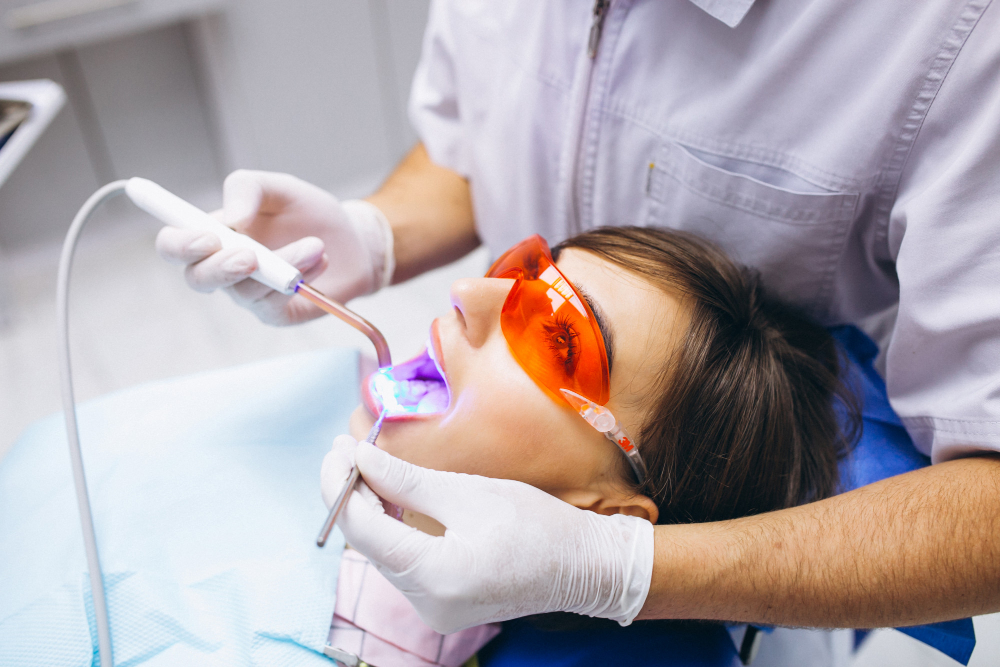
A bright, white smile can make a powerful first impression. Over time, however, teeth can become stained or discoloured due to lifestyle habits such as drinking coffee, tea, red wine, or smoking. Natural aging can also cause teeth to lose their brightness. Fortunately, professional Teeth Whitening in Adelaide offers a reliable way to restore a whiter and more confident smile. While many over-the-counter products promise quick results, professional whitening treatments are designed to be safer, more effective and tailored to your individual needs. Understanding the best practices for Teeth Whitening in Adelaide can help you achieve long-lasting results while protecting your dental health. Understanding Professional Teeth Whitening Professional Teeth Whitening in Adelaide is a cosmetic dental treatment that lightens the colour of your teeth by removing stains and discolouration from the enamel and dentin layers. Unlike store-bought whitening products, professional treatments use stronger yet carefully controlled whitening agents that are applied under the supervision of dental professionals. These treatments are customised according to your dental condition, ensuring that the whitening process is both safe and effective. Many patients choose Teeth Whitening in Adelaide because it provides faster and more noticeable results compared to home remedies or generic whitening kits. Professional whitening is particularly effective for stains caused by food, drinks, smoking and natural ageing. By working with a dental professional, you can achieve a brighter smile while minimising the risk of tooth sensitivity or gum irritation. Consult a Dentist Before Whitening One of the most important steps before starting Teeth Whitening in Adelaide is scheduling a consultation with a qualified dentist. A professional examination ensures that your teeth and gums are healthy enough for whitening treatment. During this consultation, your dentist will check for cavities, gum disease or enamel damage. Addressing these issues before beginning Teeth Whitening in Adelaide is essential because whitening agents can sometimes worsen existing dental problems if they are not treated first. Your dentist may also evaluate the type and severity of staining on your teeth. Not all discolouration responds equally to whitening treatments, so understanding the cause of the staining helps determine the most effective approach for Teeth Whitening in Adelaide. Exploring Different Teeth Whitening Options There are several professional whitening methods available, and each option offers different benefits depending on your goals and preferences. When considering Teeth Whitening in Adelaide, your dentist may recommend one of the following treatments. 1. In-Office Teeth Whitening In-office whitening is one of the fastest and most effective methods of Teeth Whitening in Adelaide. This treatment is performed at a dental clinic using high-strength whitening gels that are carefully applied to your teeth. A protective barrier is placed over the gums to prevent irritation, and a specialised light or activation system may be used to enhance the whitening effect. Many patients notice significant results after just one appointment, making it an ideal option for special events or quick smile improvements. 2. Take-Home Whitening Kits Some dental clinics offer professional take-home kits for Teeth Whitening in Adelaide. These kits include custom-made trays designed to fit your teeth perfectly along with professional-grade whitening gel. Although the results may take longer compared to in-office treatments, take-home kits allow patients to whiten their teeth at their own pace while still benefiting from professional supervision. 3. Laser Teeth Whitening Laser whitening is another advanced option for Teeth Whitening in Adelaide. This technique often combines whitening gel with laser technology to accelerate the bleaching process. Laser treatments can deliver noticeable improvements quickly, but they are typically more expensive than other whitening methods. Your dentist can help determine whether laser whitening is suitable for your dental needs. Preparing for Your Whitening Treatment Preparation plays an important role in achieving the best results from Teeth Whitening in Adelaide. Before the procedure begins, your dentist will typically perform a professional cleaning to remove plaque, tartar and surface stains. This cleaning ensures that the whitening gel can work directly on the tooth surface for maximum effectiveness. Your dentist may also recommend a fluoride treatment to strengthen the enamel and reduce potential sensitivity. Discussing any previous experiences with tooth sensitivity is also important. Your dentist can suggest strategies to minimise discomfort while still achieving effective whitening results. What Happens During the Whitening Procedure? The process of professional Teeth Whitening in Adelaide is straightforward and usually takes about an hour for in-office treatments. First, your dentist will protect your gums using a barrier or shield to prevent irritation. Next, the whitening gel is applied evenly across the surface of your teeth. In some cases, a specialised light or laser may be used to activate the whitening agent and enhance the results. The gel is typically left on the teeth for several minutes before being removed and reapplied if necessary. By the end of the session, patients often notice their teeth appearing several shades brighter after Teeth Whitening in Adelaide. Post-Whitening Care and Lifestyle Tips After completing Teeth Whitening in Adelaide, proper aftercare is essential to maintain your results. Newly whitened teeth can be more susceptible to staining during the first 24 to 48 hours. To preserve your brighter smile, dentists usually recommend avoiding strongly coloured foods and beverages such as coffee, tea, red wine and dark sauces. Smoking should also be avoided, as tobacco can quickly cause staining after Teeth Whitening in Adelaide. Using a straw for drinks and brushing your teeth soon after consuming staining foods can help extend the results of your whitening treatment. Managing Tooth Sensitivity Tooth sensitivity is one of the most common temporary side effects after Teeth Whitening in Adelaide. Some patients may experience mild sensitivity to hot or cold foods for a short period following treatment. Using toothpaste formulated for sensitive teeth can help reduce discomfort. Dentists may also recommend fluoride treatments or desensitising gels to support enamel protection after Teeth Whitening in Adelaide. Fortunately, this sensitivity is usually temporary and fades within a few days as the teeth adjust after the whitening process. Avoiding Overuse of Whitening Treatments While professional Teeth Whitening in
How to Choose the Right Whitening Dentist in Adelaide
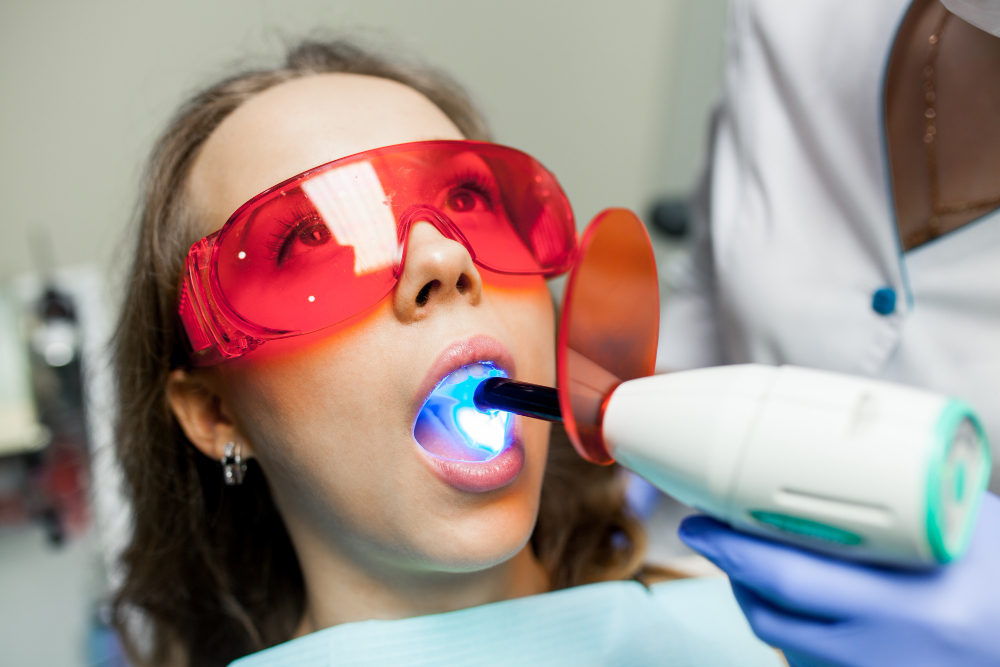
Everyone wants a bright smile. Clean white teeth can change how a person feels. It can lift confidence. It can make talking to others easier. Even simple moments feel better when you smile with no worry. This is why teeth whitening has become so popular. People want teeth that look natural and fresh. But getting it done safely matters too. Picking the right dentist for whitening is very important. At Walsh Dental, we understand how confusing it feels to trust someone with your smile. Choosing a Whitening Dentist in Adelaide is not about clicking the first result you see online. It is not about running to the cheapest offer. Whitening is still a dental treatment. Like any treatment, it needs care. It needs skill. It also needs safety. A good result is not just about white teeth. It must also keep the gums and teeth healthy. Taking a little time to know what to check in a dentist can save stress later. It can even save money in the long run. Why whitening is not all the same Many people believe whitening means putting on a gel and waiting. The truth is not so simple. Not all treatments are the same. There are shop products. There are online kits. And there are professional treatments done by dentists. The difference is huge. Dentists use strong and safe products that match your teeth. Kits sold in stores may look easy, but they can cause harm. Some people end up with uneven shades or gum problems. A dentist always checks the teeth first. This is very important. Teeth with cavities, gum disease, or thin enamel can react badly to whitening. Without this step, the treatment may cause pain or damage. This is one main reason why professional whitening is safer and works better than quick fixes. The importance of experience Experience matters when choosing a whitening dentist. A dentist who has done this for many years knows that every tooth is different. Some stains come from food. Some stains come from drinks like coffee or tea. Some come from age or even medicine. Not every tooth responds the same way. Experienced dentists know how to adjust so the smile looks natural. Another part of experience is how they deal with sensitivity. Many people fear tooth pain after whitening. A skilled dentist knows how to reduce this. They know which products to use. They know how to make the treatment gentle and still effective. Technology and modern methods Dentistry has changed a lot in recent years. A good whitening dentist uses modern methods. New systems give faster results. They cause less irritation. Clinics that use the latest tools show they care about quality. This is a sign the dentist values long-term results, not just a quick change. Comfort and trust Some people feel nervous about visiting the dentist. That is why comfort matters as much as skill. Whitening might sound simple, but the person doing it must create a calm space. A dentist who explains the process and answers questions shows care. Trust makes the whole experience easier. It is also important that the dentist is honest. Whitening will not give the same shade to everyone. Some may get very white teeth. Others may only get a few shades lighter. A good dentist sets real expectations. They never over promise. Personalised treatment plans Every patient has different needs. A reliable dentist looks at the health of the mouth before making a plan. Some people may need in-chair whitening. Some may benefit from a mix of in-office and at-home treatments. By personalising the plan, the dentist makes sure the results fit the person’s lifestyle. Reviews and reputation Looking at reviews can help. Patients often share how they felt about their care. No clinic is perfect, but good feedback shows trust. A dentist known for kind service, clear talk, and strong results is often the safe choice. Costs and value Cost is always part of the choice. Whitening is an investment. But price alone should not decide it. Cheap deals often skip important steps. The most expensive one is not always best either. What matters most is value. This means good care, safe products, and results that last. A dentist who charges fairly and gives aftercare offers the best value. Aftercare and long-lasting results Whitening does not stop at the clinic chair. Aftercare matters too. A good dentist explains how to keep the smile bright. They may give tips on food and drinks to avoid. They may talk about brushing habits. They may suggest touch-ups. With the right care, whitening results can last for a long time. What sets a good clinic apart Many clinics offer whitening. The best ones give more than just the treatment. They focus on the full experience. From the moment you enter, the staff should be warm. The place should feel clean and calm. The dentist should explain clearly. These small things can turn an okay visit into a great one. At Walsh Dental, we always aim to give this full care. Whitening is not just about changing tooth colour. It is about giving people confidence. It is about giving peace of mind. Questions to ask before choosing Before picking a dentist, ask simple questions. What system do they use? How long will the result stay? What if sensitivity happens later? Do they give follow-up visits? These questions show how honest and open the dentist is. Whitening as part of overall dental health Whitening may feel like a cosmetic thing, but it is still linked to overall dental health. A dentist who truly cares will check that the teeth and gums are healthy first. Whitening on unhealthy teeth might look fine for a while. But it can cause problems later. A good dentist always treats whitening as part of total dental care. Making the right choice Choosing the right Whitening Dentist in Adelaide means finding someone skilled, honest, caring, and updated with modern tools. The right choice balances all these.
How to Treat Sensitivity After Teeth Whitening in Adelaide
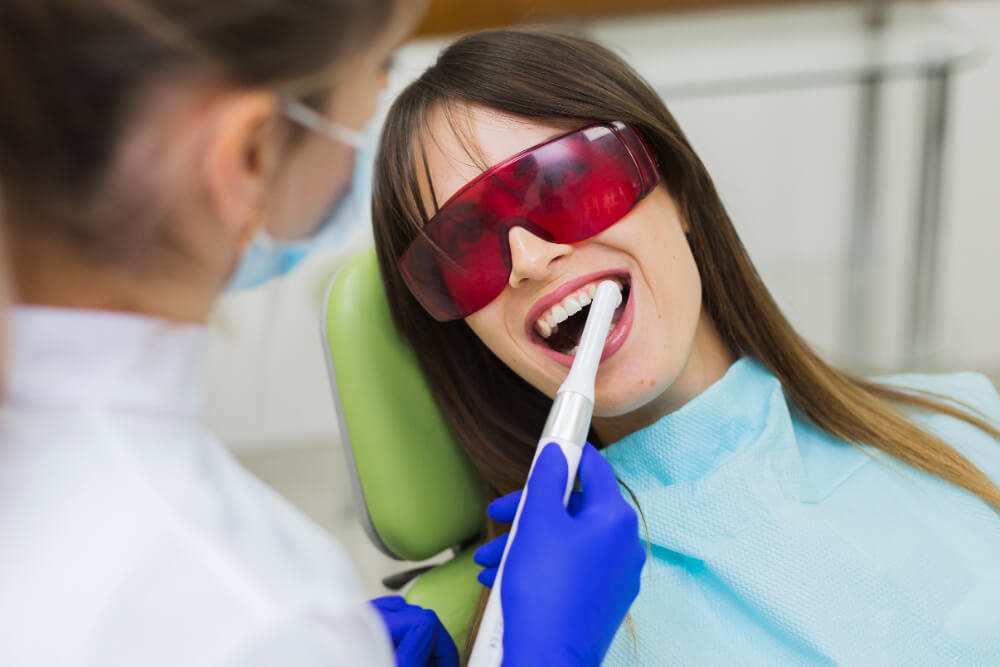
One of the most common cosmetic dental procedures utilized is teeth whitening, and it allows for patients to maintain a whiter, brighter smile. However, the most common side effect from teeth whitening is tooth sensitivity. The majority of patients report pain or sensitivity to hot and cold foods and liquids after whitening. Understanding why this sensitivity is occurring and how to best prevent and manage it can enable you to appreciate your whitened smile without excessive distress. In this comprehensive guide, we are going to be finding out what causes sensitivity after teeth whitening, effective ways of curing it, and how to prevent it from happening in the future. We will also be discussing professional treatments at Walsh Dental, where Dr. Thadsha and team provide professional service for all dental needs. Understanding Sensitivity After Teeth Whitening Teeth hypersensitivity following the teeth bleaching treatment process is caused by bleach applied during treatment. Hydrogen peroxide and carbamide peroxide are the most widely used bleaching agents. They dissolve discoloration as well as spots in the enamel; however, while carrying out this function, they alter the dentin layer beneath the enamel. As a result of this disruption of the dentin layer, temporary microtubule exposure providing access to tooth nerve endings happens. When the tubules are open, external stimuli—i.e., hot or cold foods and liquids—may trigger temporary pain or discomfort. This should pass in a few days to a week, but, for some, it may last longer. Factors That Affect Tooth Sensitivity Several factors may influence how sensitive you get after a whitening procedure: How to Treat Sensitivity After Teeth Whitening If you are sensitive after your whitening treatment, there are several ways in which you can cope with and reduce discomfort effectively. 1. Use Desensitizing Toothpaste Reducing sensitivity is best done with toothpaste that has stannous fluoride or potassium nitrate. They block nerve channels, and therefore less pain and discomfort are felt. Sensodyne or Colgate Sensitive Pro-Relief work well. How to Use: 2. Use Fluoride Treatments Fluoride strengthens enamel and protects teeth from sensitivity. Use over-the-counter fluoride mouthwashes, or have your dentist apply fluoride professionally. How to Use: 3. Avoid Super-Hot or Super-Cold Foods and Drinks Your teeth will be sensitive to hot or cold following whitening. Avoid consuming and drinking: Replace with lukewarm foods and drinks until the sensitivity resolves. 4. Modify Brushing Habits Hard bristling can make sensitivity worse. Brush teeth with a gentle circular motion using a soft-bristled toothbrush without irritating. Best Practices: 5. Use a Sensitivity-Reduction Gel Certain whitening clinics offer desensitizing gels that are designed to soothe teeth after they have been whitened. The gels contain chemicals like calcium phosphate or arginine, which have been proven to shut down sensitivity messages. How to Use: 6. Reduce Whitening Frequency Too much use of whitening treatments in the dental office or at home will result in your teeth becoming more and more sensitive. Allowing some time to pass between bleaching treatments ensures the enamel has adequate time to reform itself. Frequency Recommendations: 7. Use a Non-Peroxide Bleach Replacement For severely sensitive ones when whitening, non-peroxide whitening would be the safest option. They use whitening products with substances like sodium bicarbonate or activated charcoal, which are gentler on the enamel. How to Prevent Sensitivity Before Whitening While sensitivity control can be performed, preventive procedures done before whitening will actually forestall any discomfort. 1. Harden Your Enamel Before Whitening If you’re to use a tooth whitener, try to use a fluoride toothpaste or mouthwash a few weeks before your treatment. Pre-whitening hardening of your enamel will minimize post-whitening sensitivity. 2. Get a Dental Checkup Before Whitening Check with Dentist before whitening your teeth to have your teeth checked. If your tooth is presented with cavities, gum recession, or enamel loss, having them treated first will avoid drastic sensitivity. 3. Opt for Professional Whitening vs. DIY Kits DIY teeth whitening kits might look like an easy escape, but teeth whitening in Adelaide by a professional is safer and more efficient. Dentists are able to tailor treatments to reduce sensitivity and offer better long-term results. Professional Solutions at Walsh Dental If you want the best dental treatment in Adelaide, Walsh Dental offers cutting-edge teeth-whitening procedures based on your personal needs. Our experts are well aware that sensitivity is a problem for most people and take extra care to make you comfortable while the teeth-whitening process is being carried out. What Makes Walsh Dental Different? Other Dental Services Aside from teeth whitening, Walsh Dental offers a wide range of dental treatments in Adelaide, including: If you experience sensitivity following whitening or are considering a professional procedure, Dr. Thadsha and her team at Walsh Dental are ready to help. Conclusion Sensitivity after whitening is a normal but acceptable side effect. With the aid of toothpaste containing desensitizing agents, fluoride treatments, dietary modifications, and oral hygiene modifications, sensitivity can be minimized, and you can wear your whiter smile confidently. Pre-whitening preventive measures also minimize sensitivity and maximize overall results. For the whitest whitening treatment, visit professional teeth whitening in Adelaide at Walsh Dental. With trained hands and tailored treatments, Dr. Thadsha provides you with that beaming smile without any discomfort or sensitivity. Book an appointment at Walsh Dental today if you’re ready to whiten your smile or need consultation on managing sensitivity!
Is a chipped tooth considered an emergency?
A chipped tooth can occur suddenly, either by biting hard on something, a fall, or a sports injury. It seems like nothing serious at first, but what usually happens is that most individuals find themselves asking: Is a chipped tooth a dental emergency? It depends on the level of chip, the level of pain, and whether it is a contributing factor to your overall oral health. In this full guide, we will inform you when a chipped tooth needs urgent treatment, what to do if you chip a tooth, and the best treatments. If you are in need of treatment for your teeth whitening in Adelaide, understanding when to get urgent care can avoid further issues and keep your smile strong and healthy. Dr. Thadsha is an extremely seasoned dental professional at Walsh Dental that specializes in restorative and emergency dentistry, thereby enabling patients to recover immediately and be as healthy as they can in their mouth. When is a chipped tooth a dental emergency? Not all chipped teeth are dental emergencies, but some of them are imperative to address immediately. Below are some of the most important things to consider: 1. Why the Chip is Serious 2. Pain and Sensitivity 3. Bleeding or Swelling 4. The Chip Location 5. Risk of Infection What to Do If You Chip a Tooth When you chip a tooth, doing the right thing can help avoid damage and complications. Here’s what to do: 1. Check the Damage 2. Clean Your Mouth 3. Use a Cold Compress 4. Cover the Tooth 5. Use Over-the-Counter Pain Relievers 6. Keep Any Broken Pieces 7. Make an Appointment with Your Dentist Treatment for a Chipped Tooth Depending on the severity of the damage to the tooth, a dentist can recommend one of the following treatments: 1. Dental Bonding 2. Dental Veneers 3. Dental Crowns 4. Root Canal Treatment 5. Extraction of a Tooth (Last Resort) How to Avoid Chip of the Teeth To prevent chipping your teeth, you should adopt the following preventive measures: 1. Don’t Bite Hard Objects 2. Use a Mouth Guard 3. Treat Teeth Grinding 4. Maintain Good Oral Hygiene 5. Visit Your Dentist Regularly for Check-ups When to Visit a Dentist for a Chipped Tooth If you notice any of the following, see an Adelaide dentist right away: For non-emergency chips, book an appointment as soon as possible with a trusted dental clinic in Adeliade like Walsh Dental to repair your tooth and prevent further issues. Final Thoughts A cracked tooth is not always a dental emergency, but if it hurts, compromises the inner tooth layers, or disrupts your eating and speaking comfort, you must visit an Adelaide dentist urgently. It may be prevented, safeguard your oral health, and reinstate your smile by doing so early enough. No matter how tiny or large your chipped tooth is, there are treatments you can undergo under the expert care of Dr. Thadsha and the Walsh Dental team. Don’t let the chip become a bothersome problem—book an appointment with us today!
What to Expect: Before, During, and Even After Teeth Whitening in Burnside
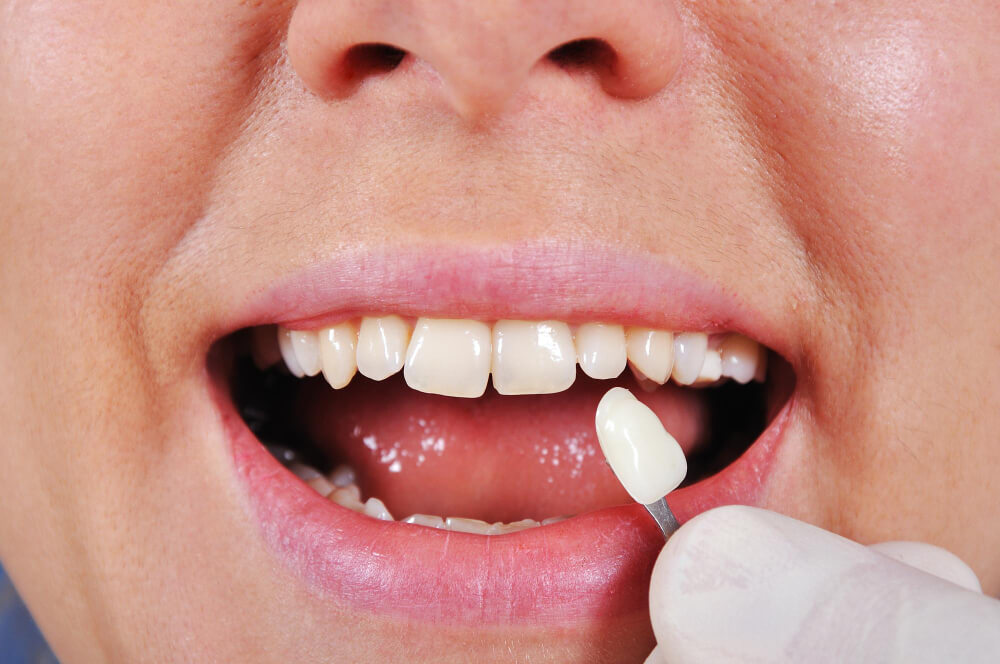
Teeth whitening ranks as one of the most prevalent cosmetic dental treatments that can bestow you a brighter, more confident smile. If thinking of teeth whitening in Burnside, then perhaps it is proper to know just what to anticipate before, at the time when, and indeed after the teeth whitening procedures so that the patient is thus prepared. From professional whitening to removing coffee or wine stains, whitening can be a miracle to help your smile shine so bright for that special occasion. In this blog, we will guide you through the process and benefits so that you know exactly what to expect each step of the way. Pre-whitening prep: Getting ready for a brighter smile Before starting any teeth whitening, there are some important preparation steps to be taken and followed to ensure that the progress is smooth and safe. Here’s what you can expect beforehand for your teeth-whitening session at Walsh Dental: Consultation and Assessment Going to a dental expert is the first step in this teeth-whitening process. At Walsh Dental, your consultation will include an evaluation of your teeth and gums. Your dentist will discuss your oral history, current dental concerns, and goals for whitening. This step is critical in establishing whether teeth whitening is suitable for you. In such consultation, your dentist will also check on your teeth in case there is a condition known as cavity or gum disease that would need to be treated first before whitening because whitening one’s teeth with existing conditions may cause irritation or ineffective results. Best Whitening Procedure There are many whitening treatments, and they can be at home or in the office. The in-office treatments typically take less time and are always more effective. The results appear right after application. The at-home treatments are very time-consuming, but they are a gentler way over time. Your dentist will tell you what will be good for you and what you might prefer according to the specific needs that your teeth or mouth may need. They can also refer you to a professional whitening in the clinic by making use of higher concentration agents that you cannot obtain over-the-counter in the market. Either through an in-clinic whitening or a home kit, they will take care to make sure it’s safe and comfortable for you. Managing Results and Expectations Realistic expectations are very important regarding the outcome of teeth whitening. Whitening can remove stains and lighten the color of your teeth but will not work on all types of discoloration. For example, teeth that get stained to a deeper extent because of some medicines or genetic reasons may not respond as well to treatment. Your dentist will explain the expected outcome based on the condition of your teeth. Additionally, your dentist may provide instructions on how to care for your teeth before the whitening procedure. For example, they might suggest avoiding staining foods and drinks, such as coffee or red wine, for a certain period before the treatment. During Teeth Whitening This is what one can anticipate when preparing to whiten teeth if she takes a seat back in the chair at Walsh Dental. The treatment is easy and quite painless but, of course, will be a little different according to your dentist for safety and to ensure your comfort. The process involves the in-office application of a high-strength bleaching gel on your surface teeth. This whitening agent contains hydrogen peroxide or carbamide peroxide, which breaks down the molecules causing stains. This dentist applies the gel carefully in a manner so that it’s spread evenly to all areas where your teeth are required to be whitened. In some cases, your dentist adds special light or laser to the whitening gel so that it can work more intensely and within a much shorter time frame. One procedure usually lasts for 60 to 90 minutes, which depends on the amount of whitening you want your teeth to be. Smooth and Pain-free Process Even though the procedure appears to be challenging, most patients do not experience any discomfort during the whitening process. Your dentist will apply a protective barrier to cover your gums and soft tissues from the whitening gel. This way, only your teeth will be treated, thus leaving no room for irritation. If you are afraid of pain, then discuss this issue with your dentist beforehand, and they will change their treatment for you. You can sleep while on treatment. For most patients, a pair of headphones or in-clinic entertainment is used to entertain the patient. Where in-office is utilized, an instant result is witnessed after the treatment process, providing more benefits since with home treatment, weeks have to elapse before the changes are seen to be positive. Sensitive Issues There are sometimes patients who become sensitive to the teeth during or after whitening. It is often a common side effect, however usually temporary, and will normally subside within hours to a day. If you have any concerns about sensitivity, your dentist at Walsh Dental can help you with desensitizing gels or other aftercare products that can reduce the discomfort experienced once you have had whitening done. Teeth Whitening Aftercare: Caring for Your Whiter Smile You have passed through your whitening treatment and are now beaming with brightness. But a few things have to be done to ensure that the effects of treatment last as long as they should, with your teeth shining their brightest. Post-Treatment Care After your whitening procedure, your dentist may have some recommendations for aftercare. It’s very important to strictly follow these suggestions to protect the results and longevity of your shining smile. Within the first 48 hours following whitening, your teeth may be more susceptible to staining. For this reason, it would be best to avoid foods and drinks that might stain your teeth, such as: And finally, depending on the after-whitening advice from your dentist, it may be urged that you never smoke or take tobacco again in your life. Tobacco stains one’s teeth just like