
A Comprehensive Guide to Pediatric Dental Care in Adelaide

Your child’s smile is an essential component of his or her health, and good dental habits in the early years lay the foundation for a lifetime of healthy gums and teeth. For Adelaide parents, knowledge about what pediatric dentistry entails may be the secret to a healthy smile on their child’s face or a lifetime of dental problems. In this comprehensive guide, we will inform you about child dentistry in Adelaide and how well-established clinics such as Walsh Dental are assisting families to keep their pearly whites and healthy smiles intact. Why Pediatric Dental Care is Important The dental needs of children are much different from those of an adult. They have more sensitive teeth, and cavities or dental problems during their childhood can amount to more if left unchecked. Pediatric dentistry is not merely all about treating dental conditions but also prevention and education, especially for children. Adelaide children receive expert care tailored specifically to the unique dental needs of children. This gives children gentle, successful treatment in a friendly child environment, minimizing fear and keeping kids coming back regularly. What is Adelaide Child Dentistry? Adelaide child dentistry is dental care especially made for teens, babies, and toddlers. These are the kinds of experts who have specialized training to deal with teeth development and growth, child behavior methods, and treatment of child dental trauma or cavities. At practices such as Walsh Dental, skilled pediatric dentists employ the most advanced technology and methods to deliver enjoyable and stress-free dental experiences. From orthodontic assessments to dental sealants and fluoride, Adelaide child dentistry provides end-to-end solutions for every phase of your child’s dental development. Getting Started Early: Early Visits and Regular Care One of the best ways of ensuring the oral health of your child is starting dental visits early. The Australian Dental Association recommends that the first dental visit should be made by the age of one year or six months since the first tooth erupted. During this first visit, the dentist will: Six-monthly check-ups are important to keep teeth and mouths healthy and recognize any issue at an early stage. Pediatric dentists provide gentle cleaning and fluoride treatment and keep track of your child’s dental health for years. Preventing Childhood Dental Conditions The most prevalent dental problems encountered by children are dental cavities, tooth rot, and gum disease. The good news is that all these can be prevented to a significant degree by Parents must encourage the application of fluoride toothpaste once or twice daily and supervise little ones until they develop the motor skills required to brush themselves well. The Role of Nutrition in Pediatric Dental Care Nutrition is very important in developing healthy teeth. The kid should consume a balanced diet of vitamins and minerals, such as calcium and vitamin D, to assist tooth and bone development. Sweets and beverage avoidance prevents tooth decay and erosion. Water is the ideal beverage of choice for kids to remain properly hydrated and flush out food. Steer clear of exposing kids too often to sugars in beverages, particularly the bottle or sippy cup type, as this can significantly reduce the risk of early childhood caries. Tending to Dental Urgencies in Children The dental crisis may occur at any moment—either a knocked-off tooth, toothache, or cracked tooth. Understanding where to seek emergency dental treatment urgently in Adelaide will spare your child pain and injury. Emergency dental treatment in Adelaide is accessible in specialist clinics such as Walsh Dental, comprising practitioners prepared to administer urgent care to children. Among the most common emergencies are In the event your child has a dental emergency, it is crucial to act swiftly and call a credible emergency dental facility. Prompt intervention can enhance outcomes and limit the necessity for treatments in the long run. Picking the Perfect Pedodontist in Adelaide Selecting a good child dentist is a challenge it is very much needed in creating favorable dental experiences. The following are some of the things that will guide you in selecting the right one: Walsh Dental is a wonderful example of a clinic that checks all these boxes, providing experienced care to suit children in a caring environment. Typical Pediatric Dental Procedures Defined Finding out about the treatments your child could require makes you more equipped to make informed decisions regarding their oral care. Following are some typical treatments: Techniques for pain control and sedation are employed as needed by pediatric dentists for painless appointments with children. The Importance of Regular Dental Care for Proper Long-Term Health The value of developing a routine of dental care at an early age cannot be exaggerated. The children who go to their dentist every now and then develop healthier patterns, experience fewer cavities, and are less anxious about going to the dentist. Early preventive treatment and care may save one from high-cost and elaborate dental procedures in the future. Parents need to make regular trips a priority and engage in open, positive dialogue regarding dental care. Last Thoughts: Give Your Child’s Smile TLC Today Adelaide children’s dental care is more than just teeth—it’s about building confidence, health, and happiness for your child’s future. With highly qualified child dentistry in Adelaide at your fingertips, parents now have the expertise and tools to help ensure their children end up with healthy smiles. By adopting preventative measures, regular dental check-ups, and understanding where to find emergency dental services in Adelaide, family members will be in a position to effectively guard oral health in children. Relying on experienced experts like Walsh Dental ensures your child is treated to the finest care in an envy-inducing setting. Book Your Child’s Appointment Now. If you’re seeking expert pediatric dental care in Adelaide, Walsh Dental offers a welcoming space with comprehensive services tailored just for kids. Contact them today to schedule an appointment and give your child the gift of a healthy, happy smile.
How to Choose the Best Dental Implant Dentist in Adelaide: Your Complete Guide
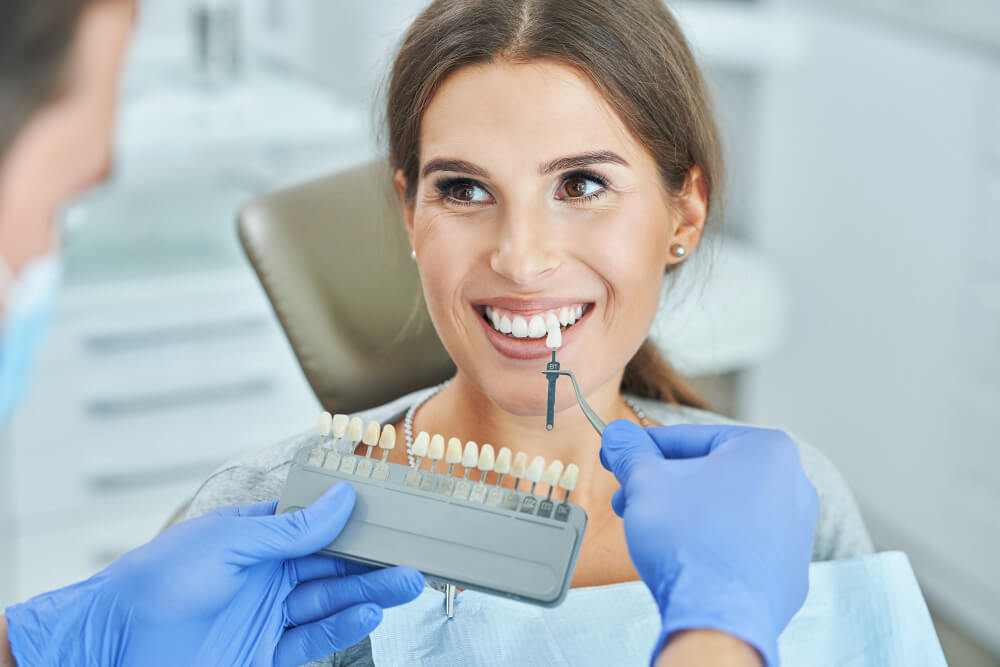
Tooth loss can strike a whole lot more than your smile — chewing, talking, and even overall oral wellness are impacted. Dental implants are now the standard for replacing teeth with something that’s natural-looking, natural-feeling, and natural-functioning. But whether your dental implant is a success or not relies significantly on the training and ability of the dental implant dentist you use. If you are looking for dental implants in Adelaide, this complete guide will walk you through everything that you need to know. From learning why dental implants are necessary to how to select the ideal expert, like Walsh Dental. Why Do You Need Dental Implants? Let’s cut to why dental implants are your best option before we move on to how to select the right dentist. What If I Lose a Tooth? Teeth, apart from looks, have important functions such as chewing and speaking. After you’ve lost a tooth from decay, trauma, or gum disease, many complications can arise: Dental implants speak to these worries by replacing the whole tooth structure, root and crown, with a long-lasting and natural-feeling substitute. What Are Dental Implants? A dental implant is actually a titanium screw inserted surgically into the jawbone, which serves as a substitute root for an artificial tooth. Once the implant becomes integrated with the bone—a process referred to as osseointegration — it holds an abutment and a crown individually fabricated to match your natural tooth. The restoration replicates the appearance, sensation, and function of a natural tooth. Who Requires Dental Implants? Dental implants are well-suited for those who have: Why it is Important to Have the Proper Dental Implant Dentist in Adelaide Dental implant surgery is a procedure that needs experience and precision. The incorrect selection of a dental implant dentist can cause issues like The proper dentist will be educated, experienced, and equipped to deliver a safe procedure with stunning, long-term results. How to Choose the Best Dental Implant Dentist in Adelaide The following are the most important factors to take into account when choosing a dental implant dentist in Adelaide. 1. Credentials and Experience The dentist’s qualification is the first thing. Seasoned dentists will know the nuances and modify treatments based on your needs. 2. Modern Technology Accuracy is needed for dental implants. New technology makes it more accurate, safer, and more comfortable for the patient. Make sure your dentist’s office is equipped to provide better results. 3. Comprehensive Evaluation and Customized Treatment Plan Your dental implant dentist must give you: And now, a special bonus chapter for you: Bonus Chapter: Making an Informed Decision 4. Patient Reputation and Testimonials Reviews and testimonials from patients provide a notion of the quality of the care provided by the dentist. 5. Comfort and Support Dental implant surgery can be a source of fear for the majority. Select a dentist that: 6. Clear Pricing and Financing Options Dental implants are an investment in your health and self-esteem. 7. Follow-Up Care and Maintenance Support Post-surgery care is critical for implant success. Walsh Dental: Trusted Experts in Dental Implants Adelaide When it comes to superior dental implant treatment in Adelaide, Walsh Dental leads the way. They are renowned for marrying up-to-date technology with individualized, empathetic care. Welcoming Walsh Dental means you will receive reliable, high-level care tailored to your specific needs. What to Expect from Your Dental Implant Procedure Knowing what to expect can make you feel more at ease. This is a step-by-step guide: 1. Consultation and Examination Your dentist will: 2. Planning and Preparation If you lack jawbone, bone grafting may be necessary. Your dentist will create a detailed surgical plan. 3. Placement of Implant Surgery The implant is properly seated in the jawbone under sedation or local anesthetic. It may take less than an hour per implant. 4. Osseointegration and Healing A healing phase, which is a very important time when the implant integrates with the bone — usually 3 to 6 months. 5. Attaching the Abutment and Crown Once healed, the abutment is connected, and impressions are taken to create a custom crown that blends with your natural teeth. 6. Follow-Up and Maintenance Regular visits ensure the implant remains healthy, and your dentist will provide hygiene tips to keep everything in top shape. Why Dental Implants Are Worth the Investment Dental implants possess something that other tooth replacements do not have: Final Tips on Choosing Your Dental Implant Dentist in Adelaide In Conclusion Dental implants provide a permanent solution to missing teeth, but it’s a matter of selecting the best-trained dental implant dentist in Adelaide. Dental clinics such as Walsh Dental are the blend of expertise, technology, and care that is needed for a successful outcome. If you’re looking at dental implants in Adelaide, invest the time to learn, get your questions answered, and choose a skilled professional who’ll walk you through your implant process with precision and respect. Your new smile — confident, beautiful, and functional — is waiting! Ready to move forward? Book your appointment with skilled dental implant dentist Dr. Thadsha today in Adelaide at Walsh Dental. She will care for you with compassion, precision, and personal attention throughout your implant process to give you back beautiful, confident smiles.
What Happens to Your Teeth When You Don’t Get Enough Calcium?

When most people think of the word “calcium,” bones are most likely going to be the very first thing that they think of immediately. But although calcium is extremely important when it comes to healthy bones, calcium also plays a very important role in healthy teeth. Lack of calcium not only ruins your structure of bones—though it can lead to other issues aside from cavities and stinky mouth with your teeth too. This blog explores what happens to your teeth when your calcium intake is insufficient, signs to watch out for, and how to maintain optimal dental health. If you’re concerned about your calcium levels or your dental well-being, this is essential reading. The Role of Calcium in Dental Health Calcium is a mineral employed to produce hard bones and teeth. The body holds almost 99% of its calcium in teeth and bones and employs it to aid in making them hard and organized. Calcium and phosphate within your teeth unite to form hydroxyapatite, the mineral employed to provide enamel with hardness. But wait, there’s more. Calcium plays a vital part also in maintaining healthy gums, healthy jawbones, and oral pH balance. When your body lacks calcium, it diverts the very functions of the heart, muscles, and nerves. If it’s not getting it from food, it steals it from your teeth and bones, making them weaker and weaker. What Goes Wrong When You Don’t Get Enough Calcium 1. Thinning Tooth Enamel The enamel is the tooth’s outer layer and protective barrier. It’s the hardest part in the body—but not invincible. Without sufficient calcium, the enamel starts to be less mineralized, so it thins out and gets more permeable. This may lead to: 2. Tooth Decay A diet poor in calcium will soften the enamel and predispose it to penetration by acid and bacteria. This can accelerate decay and necessitate fillings, root canals, or extractions. Lost enamel cannot be restored, so prevention is the key. 3. Gum Disease Calcium is used to stiffen the jawbone under and around the teeth and gum tissue. Gum inflammation (gingivitis) and periodontal disease will be created by a lack of calcium. The gums bleed and recede due to gum disease, causing bad breath, and the teeth will be lost if not treated. 4. Loss of Jawbone Your teeth are fixed in the jawbone, and this relies on calcium in order to be firm. If there is no calcium, the jawbone will begin to deteriorate. This compromises the support system of teeth, thus loosening teeth or even causing tooth loss. This is quite so among older persons, and even more so among post-menopausal women, as they are already at risk of osteoporosis. 5. Developmental Disorders in Children Teenagers and children are forming bones and teeth, and its enormous demand has to be fulfilled in these growth periods. Its absence in these growth periods could cause 6. Inefficient Healing After Dental Interventions Calcium is necessary for maximum blood clotting and healing of cells. If you lack calcium, your body won’t heal as fast after dental treatment such as surgery, extractions, or implants. Red Flags You Might Be Calcium Deficient While the ideal test for measuring calcium is by blood, there are red flags of certain signs and symptoms: If you do any of these, it is recommended that you consult with your dentist in Adelaide to ascertain the cause. How Much Calcium Do You Really Need? The amount of calcium needed on a daily basis varies by age and gender. Based on Australian dietary guidelines: Pregnant or breastfeeding women may need additional calcium. Where to Get Your Calcium You do not have to get all of your calcium from supplements. There are many foods that contain calcium, which you can obtain from food: Dairy Foods: Non-Dairy Foods: If you are lactose intolerant or a vegan, leafy greens and fortified foods are especially convenient. Calcium and Vitamin D: A Working Team Calcium requires vitamin D in order to be absorbed. Without enough vitamin D, your body will not absorb the calcium in food regardless of how much you consume. The best sources of vitamin D are sunshine, fatty fish, eggs, and fortified products. If you are one of those individuals that receive very little sunlight exposure—something extremely normal for wintertime in southern Australia—it is probably a good suggestion to discuss supplementation with a healthcare professional. Prevention and Long-Term Care Preventing calcium deficiency and how it affects your teeth is something that you should implement in an active manner. Here is what you should do: 1. Eat a Balanced Diet Highlight some of the high-calcium foods at lunchtime and dinner. Provide them with foods that contain vitamin D so they will be absorbed as efficiently as possible. 2. See Your Dentist From Time to Time Regular checks can identify warning signs of tooth enamel loss, gum disease, or bone recession. Your Adelaide dentist will inform you if changes in your diet and way of life will improve these aspects. 3. Do Not Eat Sugary, Acidic Foods Sugars, fizzy beverages, and extremely acidic fruits are more likely to spoil already weakened enamel quicker. Rinse with water after consuming them, and don’t brush immediately to avoid destroying them. 4. Brush Fluoride Toothpaste Enamel is fortified by fluoride, which also makes enamel harder to decay. Fluoride treatment can also be provided by your dentist if your enamel is abnormally thin or compromised. 5. Drink Lots of Water Saliva helps neutralize acids in the mouth and provides minerals to protect enamel. Drink plenty of water, especially if you’re consuming foods that are acidic or high in sugar. Dental Care in Adelaide: Why Local Matters The water chemistry, diet, and environment of Adelaide will decide dental health. South Australian water can be treated, say, but it will contain varying levels of fluoride and minerals that influence enamel strength. Personal dental care in Adelaide involves you being given advice and treatment with local conditions in mind. Walsh Dental, for instance, offers one-on-one preventive care
What is Crossbite? Signs, Effects, and Treatment
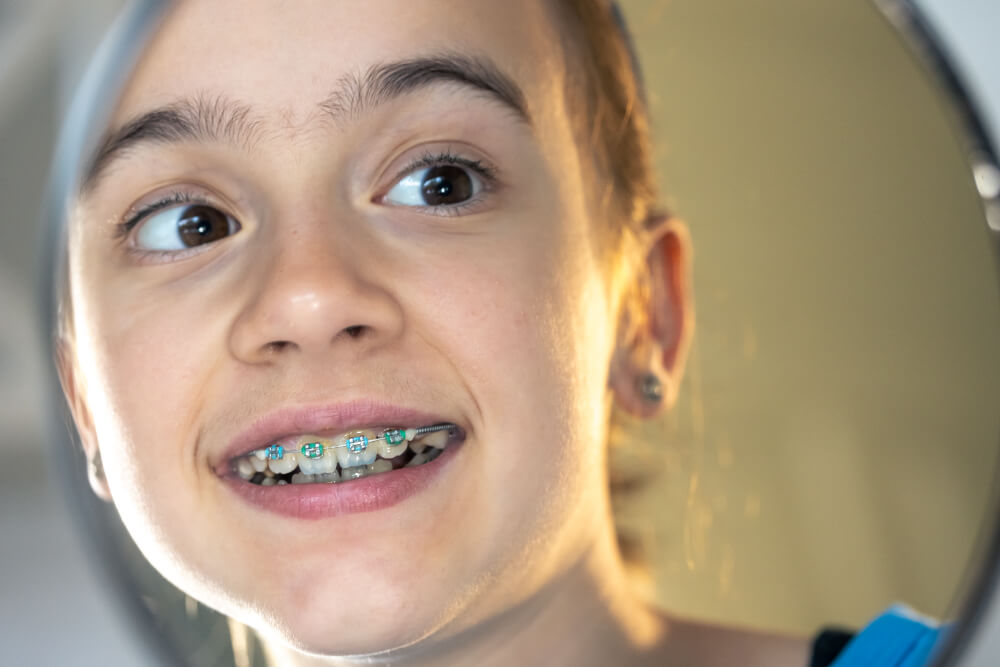
A crossbite is a common dental misalignment where the upper teeth bite inside the lower teeth instead of slightly overlapping them. This condition can affect both children and adults, leading to various dental health problems if left untreated. Understanding the signs, causes, effects, and treatment options for crossbite is essential for maintaining optimal oral health. This blog will explore everything you need to know about crossbite, including its types, symptoms, causes, effects on oral health, and available treatments. If you are experiencing issues related to crossbite, seeking professional dental care is crucial for proper diagnosis and treatment. Types of Crossbite Crossbite is categorized into two main types, depending on which teeth are affected: 1. Anterior Crossbite An anterior crossbite occurs when the front upper teeth sit behind the lower front teeth. This condition may result from skeletal discrepancies such as a prominent lower jaw or a retruded upper jaw. An anterior crossbite is often confused with an underbite, but they are distinct conditions. 2. Posterior Crossbite A posterior crossbite occurs when the upper molars and premolars sit inside the lower molars and premolars. It can affect one side (unilateral) or both sides (bilateral) of the mouth. This condition is commonly associated with a narrow upper jaw, which can be due to genetics, prolonged oral habits, or improper jaw development. Both types of crossbite require early diagnosis and treatment to prevent long-term dental complications. Signs and Symptoms of Crossbite Recognizing the signs of crossbite early can help prevent further complications. Here are some common indicators: If you notice any of these symptoms, it is important to consult a dentist or orthodontist for evaluation. Causes of Crossbite Crossbite can develop due to various genetic and environmental factors, including: 1. Genetic Factors Heredity plays a significant role in jaw and tooth development. If parents have a history of crossbite, their children may be more likely to develop it. 2. Delayed Loss of Baby Teeth If primary (baby) teeth do not fall out on time, permanent teeth may erupt in incorrect positions, leading to crossbite. 3. Abnormal Jaw Growth Disproportionate growth of the upper and lower jaw can cause misalignment, resulting in crossbite. 4. Prolonged Oral Habits Habits such as thumb sucking, prolonged pacifier use, or tongue thrusting can influence jaw development and lead to crossbite. 5. Breathing Issues Chronic mouth breathing due to nasal obstructions (e.g., allergies, enlarged tonsils, or adenoids) can affect jaw formation, increasing the risk of crossbite. Early intervention can help correct crossbite before it worsens and leads to long-term oral health problems. Effects of Untreated Crossbite Leaving crossbite untreated can result in several complications, including: 1. Tooth Decay and Gum Disease Misaligned teeth are harder to clean, increasing the risk of plaque buildup, cavities, and gum disease. 2. Jaw and TMJ Problems A crossbite can strain the temporomandibular joint (TMJ), leading to pain, clicking sounds, and difficulty opening or closing the mouth. 3. Uneven Tooth Wear Improper alignment causes excessive wear on certain teeth, leading to fractures, enamel erosion, and increased sensitivity. 4. Speech Impediments Severe crossbite can affect speech clarity by interfering with tongue placement during pronunciation. 5. Facial Asymmetry In children, an untreated crossbite can lead to an imbalanced facial appearance due to uneven jaw growth. 6. Digestive Issues Difficulty in chewing food properly may impact digestion and overall nutrition. Seeking professional dental care in Adelaide can help prevent these complications and ensure long-term oral health. Diagnosis of Crossbite A dentist or orthodontist can diagnose crossbite through a thorough dental examination, which may include: If you suspect you have a crossbite, visiting a dentist in Adelaide for an evaluation is the first step toward correction. Treatment Options for Crossbite Treatment for crossbite depends on the severity of the condition and the patient’s age. Several methods are available to correct crossbite, including: 1. Palatal Expanders A palatal expander is a device used to gradually widen the upper jaw, creating space for proper alignment. This treatment is most effective in children and teenagers whose jawbones are still developing. 2. Braces Traditional braces are an effective solution for correcting crossbite by gradually shifting teeth into their proper positions. Braces apply controlled pressure to realign both anterior and posterior crossbites. 3. Clear Aligners (Invisalign) For mild to moderate crossbites, clear aligners such as Invisalign provide a discreet and comfortable alternative to traditional braces. These custom-made trays gradually move teeth into proper alignment. 4. Myofunctional Therapy Myofunctional therapy consists of exercises designed to correct improper tongue posture and swallowing patterns that contribute to crossbite development. 5. Tooth Reshaping and Bonding In some cases, minor reshaping of the teeth or the use of dental bonding can help improve the bite. 6. Orthognathic Surgery For severe crossbite cases involving skeletal discrepancies, orthognathic (jaw) surgery may be necessary to reposition the jaw for optimal alignment. 7. Retainers After active treatment, retainers are often recommended to maintain the corrected bite and prevent relapse. Choosing the right treatment depends on factors such as age, severity of misalignment, and personal preference. Consulting an experienced dentist in Adelaide will help determine the best treatment plan. Early Intervention and Prevention Correcting crossbite at an early stage is beneficial as children’s bones are more adaptable to treatment. Here are some preventive measures: Early intervention reduces the need for invasive treatments later in life. Why Choose Walsh Dental for Crossbite Treatment? At Walsh Dental, we specialize in providing advanced orthodontic treatments tailored to individual needs. Our team, led by Dr. Thadsha, is dedicated to helping patients achieve a healthy, properly aligned smile. Whether you require braces, clear aligners, or other corrective treatments, we ensure personalized care with state-of-the-art technology. If you’re experiencing crossbite issues, seeking professional dental care in Adelaide is the best way to restore proper alignment and improve your oral health. Conclusion Crossbite is a common dental issue that can lead to serious complications if left untreated. Recognizing the signs and seeking timely treatment is crucial for maintaining a healthy smile and preventing long-term problems. If you or your
How Frequently Do You Require a Routine Dental Cleaning?

Maintaining good oral health is not merely about having a beautiful smile but also about being healthy. Perhaps one of the best tools to keep gums and teeth healthy is visiting the dentist for a cleaning on a regular basis. However, how regular are you in visiting the dentist for a cleaning? This all depends on several factors, such as your current oral status, lifestyle, and medical history. In this last guide, we will be finding out the significance of regular dental cleanings, why frequency is determined, and why having a reliable dentist in Adelaide to ensure proper oral health is crucial. The Importance of Routine Dental cleanings Prophylaxis, or regular dental cleaning, is the elimination of tartar and plaque that build up on your teeth over time. Despite brushing and flossing daily, there are some areas in the mouth that are hard to clean properly, resulting in plaque buildup. Plaque, if not treated, hardens into tartar (calculus) that causes cavities, gum disease, and other oral diseases. Some of the major advantages of professional dental cleaning are given below: Cavity Prevention Plaque is a thin biofilm on teeth that is coated with bacteria. Plaque is an adhesive and if left untouched, leads to acid production that damages tooth enamel and forms cavities. Frequent cleaning by the dentist eliminates plaque before it starts causing harm. Prevention of Gum Disease Periodontitis and periodontal disease, or gingivitis, is a common result of poor oral hygiene. Gum infection begins with it and develops to a full-blown infection with loss of teeth unless treated. Harmful bacteria are eliminated by professional cleaning and prevent gum disease development. Early Detection of Dental Problems Routine dental check-ups enable your dentist to detect such issues as cavities, gum disease, oral cancer, and even bite misalignments before they become major issues. Early catches are more efficient and less uncomfortable. Fresh Breath Chronic bad breath (halitosis) is often caused by food particles and bacteria trapped between the teeth. Cleanings remove these villains, making your mouth fresh and clean-smelling. General Health Benefits Studies have found strong connections between general health, mouth health, and oral health. Studies have shown that dirty mouths and dental infection have been associated with heart disease, diabetes, and lung infection. Healthy gums and healthy teeth can offer better overall health. How Often Should You Have a Dental Cleaning? For years, the norm has been to get a cleaning done at the dentist every six months. However, this suggestion may not be ideal for all. The dental cleaning frequency needs to be modified based on oral health status, lifestyle, and risk factors. Following are some general guidelines provided below according to various oral health statuses: 1. For People with Good Oral Health If you have good gums and no more than what would build up an acceptable layer, cleaning at regular visits by your dentist every six months is sufficient. Keeping you healthy, twice-yearly visits with nothing extra in the interim will maintain good overall health without growing an unresolved matter. 2. For Persons Having Experienced Cavities Some people are prone to cavities due to their genes, diet, or bad oral hygiene. If you’ve been getting regular cavities, your dentist may recommend professional cleanings every three or four months to prevent decay and save your teeth. 3. For People with Gum Disease If you have gingivitis (early gum disease), your dentist can recommend more frequent cleanings in hopes of preventing the development of periodontitis. For patients with periodontitis, deep cleaning (root planing and scaling) often will need to be repeated every three or four months to remain in charge of healthy gums and bacterial infection. 4. For People with Braces or Dental Appliances Individuals who wear braces, retainers, or other dental appliances can find it difficult to keep their teeth clean. Food particles become lodged, causing plaque and cavities. A dental cleaning every three to four months is advisable here. 5. Smokers and Heavy Coffee/Tea Drinkers Smoking and frequent consumption of staining foods like coffee, tea, and red wine can lead to tooth discoloration and plaque. If you smoke or consume these frequently, get your teeth cleaned every three to four months to maintain your pearly whites. 6. For Those with Specific Medical Conditions Medical conditions like diabetes, heart disease, and compromised immune systems render patients susceptible to oral complications. These patients require a visit to the dentist for professional cleaning every three or four months to avert infection and complications. What Happens During a Routine Dental Cleaning? A routine dental cleaning by a professional usually includes the following: 1. Oral Examination Following a preliminary survey of your mouth prior to cleansing, your dentist or dental hygienist will then search for indications of gum disease, cavities, or any other issues within your teeth. 2. Removal of Plaque and Tartar Your hygienist will also use special dental tools to scrape plaque and tartar off the surface of your teeth and along your gum line. Tartar is hardened plaque that cannot be removed by brushing, so this is the most important part of good oral health. 3. Polishing and Deep Cleaning Following tartar removal, the hygienist will buff your teeth using a high-speed electric brush and abrasive toothpaste. This smoothes out surface stains, and it becomes more difficult for plaque to stick. 4. Rinsing and Flossing Flossing loosens any remaining plaque or food fragments between teeth. The hygienist will rinse your mouth to dislodge debris. 5. Fluoride Treatment (Optional) Some dental offices offer fluoride treatments after cleanings. Fluoride strengthens tooth enamel and helps prevent cavities. Choosing the Right Dentist in Adelaide If you’re looking for high-quality dental care in Adelaide, choosing the right dentist is essential. A good dentist will provide personalized care, use advanced dental technology, and create a comfortable environment for patients. Why Choose Walsh Dental? Walsh Dental is a reputable dental care in Adelaide that provides quality treatment to patients of all ages. Their skilled practitioners are experts in preventive care and patient education to ensure you
What to Expect: Before, During, and Even After Teeth Whitening in Burnside
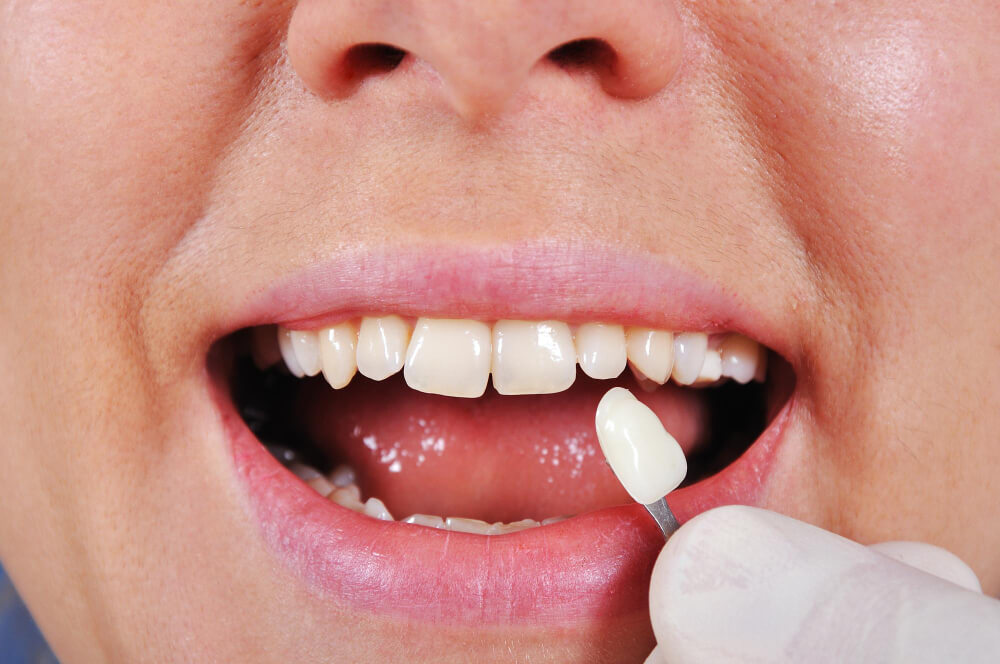
Teeth whitening ranks as one of the most prevalent cosmetic dental treatments that can bestow you a brighter, more confident smile. If thinking of teeth whitening in Burnside, then perhaps it is proper to know just what to anticipate before, at the time when, and indeed after the teeth whitening procedures so that the patient is thus prepared. From professional whitening to removing coffee or wine stains, whitening can be a miracle to help your smile shine so bright for that special occasion. In this blog, we will guide you through the process and benefits so that you know exactly what to expect each step of the way. Pre-whitening prep: Getting ready for a brighter smile Before starting any teeth whitening, there are some important preparation steps to be taken and followed to ensure that the progress is smooth and safe. Here’s what you can expect beforehand for your teeth-whitening session at Walsh Dental: Consultation and Assessment Going to a dental expert is the first step in this teeth-whitening process. At Walsh Dental, your consultation will include an evaluation of your teeth and gums. Your dentist will discuss your oral history, current dental concerns, and goals for whitening. This step is critical in establishing whether teeth whitening is suitable for you. In such consultation, your dentist will also check on your teeth in case there is a condition known as cavity or gum disease that would need to be treated first before whitening because whitening one’s teeth with existing conditions may cause irritation or ineffective results. Best Whitening Procedure There are many whitening treatments, and they can be at home or in the office. The in-office treatments typically take less time and are always more effective. The results appear right after application. The at-home treatments are very time-consuming, but they are a gentler way over time. Your dentist will tell you what will be good for you and what you might prefer according to the specific needs that your teeth or mouth may need. They can also refer you to a professional whitening in the clinic by making use of higher concentration agents that you cannot obtain over-the-counter in the market. Either through an in-clinic whitening or a home kit, they will take care to make sure it’s safe and comfortable for you. Managing Results and Expectations Realistic expectations are very important regarding the outcome of teeth whitening. Whitening can remove stains and lighten the color of your teeth but will not work on all types of discoloration. For example, teeth that get stained to a deeper extent because of some medicines or genetic reasons may not respond as well to treatment. Your dentist will explain the expected outcome based on the condition of your teeth. Additionally, your dentist may provide instructions on how to care for your teeth before the whitening procedure. For example, they might suggest avoiding staining foods and drinks, such as coffee or red wine, for a certain period before the treatment. During Teeth Whitening This is what one can anticipate when preparing to whiten teeth if she takes a seat back in the chair at Walsh Dental. The treatment is easy and quite painless but, of course, will be a little different according to your dentist for safety and to ensure your comfort. The process involves the in-office application of a high-strength bleaching gel on your surface teeth. This whitening agent contains hydrogen peroxide or carbamide peroxide, which breaks down the molecules causing stains. This dentist applies the gel carefully in a manner so that it’s spread evenly to all areas where your teeth are required to be whitened. In some cases, your dentist adds special light or laser to the whitening gel so that it can work more intensely and within a much shorter time frame. One procedure usually lasts for 60 to 90 minutes, which depends on the amount of whitening you want your teeth to be. Smooth and Pain-free Process Even though the procedure appears to be challenging, most patients do not experience any discomfort during the whitening process. Your dentist will apply a protective barrier to cover your gums and soft tissues from the whitening gel. This way, only your teeth will be treated, thus leaving no room for irritation. If you are afraid of pain, then discuss this issue with your dentist beforehand, and they will change their treatment for you. You can sleep while on treatment. For most patients, a pair of headphones or in-clinic entertainment is used to entertain the patient. Where in-office is utilized, an instant result is witnessed after the treatment process, providing more benefits since with home treatment, weeks have to elapse before the changes are seen to be positive. Sensitive Issues There are sometimes patients who become sensitive to the teeth during or after whitening. It is often a common side effect, however usually temporary, and will normally subside within hours to a day. If you have any concerns about sensitivity, your dentist at Walsh Dental can help you with desensitizing gels or other aftercare products that can reduce the discomfort experienced once you have had whitening done. Teeth Whitening Aftercare: Caring for Your Whiter Smile You have passed through your whitening treatment and are now beaming with brightness. But a few things have to be done to ensure that the effects of treatment last as long as they should, with your teeth shining their brightest. Post-Treatment Care After your whitening procedure, your dentist may have some recommendations for aftercare. It’s very important to strictly follow these suggestions to protect the results and longevity of your shining smile. Within the first 48 hours following whitening, your teeth may be more susceptible to staining. For this reason, it would be best to avoid foods and drinks that might stain your teeth, such as: And finally, depending on the after-whitening advice from your dentist, it may be urged that you never smoke or take tobacco again in your life. Tobacco stains one’s teeth just like