
Dental Emergency in Adelaide: What You Should Do for a Toothache

Having a toothache is very annoying. The next second you are holding your breath and wondering what just happened. You might feel a slow ache that starts to bother you while you are eating or it might come on quickly and make you stop what you are doing. It is difficult to think of anything else once the pain starts. As anyone who has had one knows, it can make a normal day completely different. In Adelaide, knowing what to do and where to go when it happens is helpful. Actually, tooth pain doesn’t wait for a good time. It comes up in the middle of the night, right before a big meeting or while you’re just trying to relax on the weekend. What should you do when the pain comes on? We want to make it very easy to understand and get right to the point. If you ever face a dental emergency in Adelaide, it’s important to act fast and get proper care. That’s exactly what we provide at Walsh Dental. Whether it’s a cracked tooth, sudden swelling or unbearable pain, knowing where to turn can make all the difference. At Walsh Dental, we are here for those moments when you need fast expert care because toothaches don’t follow a schedule. What Actually Counts as a Dental Emergency Not every little twinge in your tooth is a full-blown emergency. Sometimes it’s something minor that just needs a bit of care. But there are certain signs you really shouldn’t ignore. Here’s when you should stop what you’re doing and take it seriously: Your tooth is pounding and the pain is not letting up Your face or jaw is swollen, and it looks like something’s off Your gums are bleeding, and it won’t stop A tooth has chipped, cracked or popped right out You feel sharp pain when you eat or drink anything hot or cold You’ve got pus, a nasty taste in your mouth, or a fever If any of that sounds like what you are feeling, don’t brush it off. That’s your body throwing up a red flag. And when it comes to your teeth, ignoring things often makes it worse later. Why Toothaches Happen in the First Place Tooth pain always has a reason. At first, it might not seem like there is anything going on, but there is. What might be causing the pain can help you decide what to do next. As usual, here are the suspects: Cavities One reason that happens a lot is tooth loss. If you haven’t been to the dentist in a while and plaque has been building up, it can cause holes in your teeth. The pain starts when it touches a nerve. Bad gums Do your gums hurt, swell, or bleed? That could mean you’re getting gum disease. Sometimes the gums are the real source of pain, even though it feels like tooth pain. Infection or abscess in the tooth This is an important one. If bacteria get in and make a pus pocket near the root, the pain can get very bad very quickly. You may also have a fever or notice that your face is swollen. Teeth that are broken or cracked When you bite into something too hard, out pops a crack you didn’t even notice at first. But that crack can hurt after a while, especially when you chew or drink something cold. Tooth pain after dental work Have you recently had a filling or crown put on? You should expect to feel sensitive after that. But if things keep getting worse, you might need to change something. Sore sinuses It is true that sinus diseases can hurt your top teeth. It can feel like you have a toothache because the pressure from your lungs is putting pressure on your tooth roots. What You Can Do Right Now to Ease the Pain When tooth pain hits, you need relief fast. Here are a few easy things you can try at home before you can see a dentist. Warm salty water rinse Mix a bit of salt in warm water and gently swish it around your mouth. This helps clean the area and can bring down swelling. It won’t fix the problem but it can soothe things for a while. Painkiller Ibuprofen or paracetamol are both good options for toothache. Just follow the instructions on the box. And no don’t crush the tablet and put it on your tooth. That’s an old myth and it can actually burn your gums. Cold compress Got swelling? Grab a clean cloth, wrap it around some ice or a bag of frozen peas, and hold it against your cheek. It helps numb the area and calm things down. Avoid anything too hot or cold Skip the steaming tea or ice-cold juice for now. Same goes for sugary treats. Soft, room-temperature foods are your best friend until you are feeling better. Keep your head elevated Lying flat can sometimes make the pain throb even more. Prop yourself up with an extra pillow if you’re trying to rest. These tips won’t solve the root cause but they’ll make the situation a bit more bearable while you figure out what to do next. When It’s Time to Call a Dentist If the pain is mild and goes away in a day or so, it might not be an emergency. But if it sticks around, gets worse, or you see any of those serious signs we talked about earlier, don’t wait. You should see a dentist in Adelaide quickly if: The pain keeps you up at night or ruins your day Your face is puffing up and you can’t open your mouth properly You have a high fever or feel generally sick You can’t chew, speak, or concentrate A tooth has broken or come out There’s ongoing bleeding in your mouth Getting treatment early can save you a lot of time, pain, and money in the long run. It’s always better to deal
How to Choose the Best Dental Implant Dentist in Adelaide: Your Complete Guide
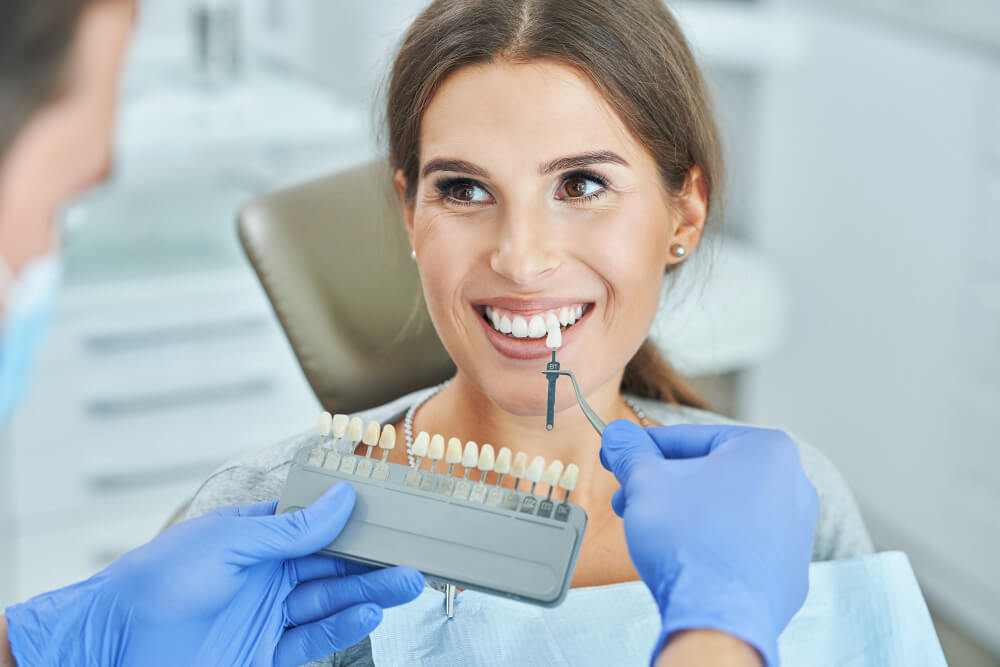
Tooth loss can strike a whole lot more than your smile — chewing, talking, and even overall oral wellness are impacted. Dental implants are now the standard for replacing teeth with something that’s natural-looking, natural-feeling, and natural-functioning. But whether your dental implant is a success or not relies significantly on the training and ability of the dental implant dentist you use. If you are looking for dental implants in Adelaide, this complete guide will walk you through everything that you need to know. From learning why dental implants are necessary to how to select the ideal expert, like Walsh Dental. Why Do You Need Dental Implants? Let’s cut to why dental implants are your best option before we move on to how to select the right dentist. What If I Lose a Tooth? Teeth, apart from looks, have important functions such as chewing and speaking. After you’ve lost a tooth from decay, trauma, or gum disease, many complications can arise: Dental implants speak to these worries by replacing the whole tooth structure, root and crown, with a long-lasting and natural-feeling substitute. What Are Dental Implants? A dental implant is actually a titanium screw inserted surgically into the jawbone, which serves as a substitute root for an artificial tooth. Once the implant becomes integrated with the bone—a process referred to as osseointegration — it holds an abutment and a crown individually fabricated to match your natural tooth. The restoration replicates the appearance, sensation, and function of a natural tooth. Who Requires Dental Implants? Dental implants are well-suited for those who have: Why it is Important to Have the Proper Dental Implant Dentist in Adelaide Dental implant surgery is a procedure that needs experience and precision. The incorrect selection of a dental implant dentist can cause issues like The proper dentist will be educated, experienced, and equipped to deliver a safe procedure with stunning, long-term results. How to Choose the Best Dental Implant Dentist in Adelaide The following are the most important factors to take into account when choosing a dental implant dentist in Adelaide. 1. Credentials and Experience The dentist’s qualification is the first thing. Seasoned dentists will know the nuances and modify treatments based on your needs. 2. Modern Technology Accuracy is needed for dental implants. New technology makes it more accurate, safer, and more comfortable for the patient. Make sure your dentist’s office is equipped to provide better results. 3. Comprehensive Evaluation and Customized Treatment Plan Your dental implant dentist must give you: And now, a special bonus chapter for you: Bonus Chapter: Making an Informed Decision 4. Patient Reputation and Testimonials Reviews and testimonials from patients provide a notion of the quality of the care provided by the dentist. 5. Comfort and Support Dental implant surgery can be a source of fear for the majority. Select a dentist that: 6. Clear Pricing and Financing Options Dental implants are an investment in your health and self-esteem. 7. Follow-Up Care and Maintenance Support Post-surgery care is critical for implant success. Walsh Dental: Trusted Experts in Dental Implants Adelaide When it comes to superior dental implant treatment in Adelaide, Walsh Dental leads the way. They are renowned for marrying up-to-date technology with individualized, empathetic care. Welcoming Walsh Dental means you will receive reliable, high-level care tailored to your specific needs. What to Expect from Your Dental Implant Procedure Knowing what to expect can make you feel more at ease. This is a step-by-step guide: 1. Consultation and Examination Your dentist will: 2. Planning and Preparation If you lack jawbone, bone grafting may be necessary. Your dentist will create a detailed surgical plan. 3. Placement of Implant Surgery The implant is properly seated in the jawbone under sedation or local anesthetic. It may take less than an hour per implant. 4. Osseointegration and Healing A healing phase, which is a very important time when the implant integrates with the bone — usually 3 to 6 months. 5. Attaching the Abutment and Crown Once healed, the abutment is connected, and impressions are taken to create a custom crown that blends with your natural teeth. 6. Follow-Up and Maintenance Regular visits ensure the implant remains healthy, and your dentist will provide hygiene tips to keep everything in top shape. Why Dental Implants Are Worth the Investment Dental implants possess something that other tooth replacements do not have: Final Tips on Choosing Your Dental Implant Dentist in Adelaide In Conclusion Dental implants provide a permanent solution to missing teeth, but it’s a matter of selecting the best-trained dental implant dentist in Adelaide. Dental clinics such as Walsh Dental are the blend of expertise, technology, and care that is needed for a successful outcome. If you’re looking at dental implants in Adelaide, invest the time to learn, get your questions answered, and choose a skilled professional who’ll walk you through your implant process with precision and respect. Your new smile — confident, beautiful, and functional — is waiting! Ready to move forward? Book your appointment with skilled dental implant dentist Dr. Thadsha today in Adelaide at Walsh Dental. She will care for you with compassion, precision, and personal attention throughout your implant process to give you back beautiful, confident smiles.
Why More Adults Are Choosing Invisalign Over Braces

In recent years, it is possible to notice a major shift in the area of dental correction. Orthodontic braces have been the traditional method for straightening teeth for centuries, but now more and more adults are opting for Invisalign as a sought-after alternative. The popularity of the trend is growing at a meteoric pace, and it is clear that the advantages of Invisalign are now finally surpassing the advantages of traditional orthodontic braces for the majority of adults. Why is this the case? This blog article will explore how increasing numbers of adults are choosing Invisalign over traditional braces, brushing against the benefits, the anonymity of Invisalign, the ease that it provides, and the way that modern dental practice is enabling individuals to achieve the perfect smile more than ever before. The Rise of Invisalign Invisalign, the product of cutting-edge technology and innovation, is more than two decades old. Its ability to align teeth without the apparent use of metal wires and brackets has transformed the field of orthodontics. In contrast to the traditional braces, which involve frequent appointments to adjust the wires and brackets, Invisalign employs a series of transparent plastic aligners, which, incrementally, move the teeth into position. Invisalign was initially used on teens when it came out. However, with the passage of time, adults also discovered the benefits of this clear aligner system. The treatment is also becoming increasingly popular because of its subtlety and because the aligners are removable while eating or brushing teeth. The Attraction of Secrecy One of the major reasons why adults are turning to Invisalign is discretion. Braces, with their metal and wires prominently visible, are often unpopular among most adults. For adults working in an office environment or even for adults who just want to feel more comfortable about the way they look, having braces can be embarrassing. Invisalign aligners, on the other hand, are nearly impossible to see. Made of transparent plastic, they are not visible from your teeth, so much so that it is difficult to see them at all. Adults who may feel embarrassed wearing normal braces can now wear Invisalign and live their lives without a worry. This level of confidentiality is one of the main reasons why Invisalign is appealing to most adults, particularly those who may not want to expose themselves to judgments of their appearance in the course of their orthodontic treatment. Comfort and Convenience Apart from the fact that Invisalign is less noticeable, it also has a major comfort factor over traditional braces. Braces are metallic and tend to hurt and chafe the inner mouth. The wires and brackets also need frequent adjustments, which are quite painful, particularly after tightening sessions. Invisalign aligners, however, are made of smooth plastic that does not chafe the mouth in a similar manner. While there is initial discomfort as the aligners begin to shift teeth, in general the experience is typically more comfortable than that of metal braces. Because Invisalign aligners are removable, patients also do not need to worry about food being caught in their braces while eating and drinking, since they can simply remove them. The ease with which the aligners can be removed also facilitates oral hygiene practice because you are able to brush and floss your teeth just as you would have done beforehand. The ease and comfort are excellent selling points among working professionals who do not have to be bothered by the hassle of regular braces. The fact that they can remove the aligners for a special evening, meeting, or dinner gives patients greater convenience in treatment and lifestyle. Increased Treatment Time and Efficiency But another advantage of Invisalign is the shorter overall treatment time compared to old-school braces. Okay, okay, treatment time certainly does depend on the person, but overall, most adults will find Invisalign achieves the same thing in less time. Old-fashioned braces take years to achieve the type of straightening of teeth that they accomplish, while Invisalign accomplishes the same in a year or two and sometimes less. Invisalign’s cutting-edge technology allows precise planning of the treatment procedure. Digital impressions and 3D imaging allow for the creation of a personalized treatment plan, which is fine-tuned incrementally as the teeth shift. These ensure that the aligners can move the teeth into position properly, which can produce results at a higher rate than traditional braces. Better Oral Health While orthodontic braces do an excellent job straightening teeth, they make oral hygiene complicated. There is food trapped in the braces with brackets and wires, which creates a plaque buildup and risk for cavities and periodontal disease. Brushing past the braces is more challenging, and it is hard to remove all food and trapped bacteria in the area. Because you can remove the aligners, it is that much easier to maintain good oral health with Invisalign. Because you are able to take out the aligners in order to brush or eat, there will be less chance for food to get caught between your teeth and the aligners. This will be easier for you to do to have healthy and clean teeth during your treatment. This is a great oral health advantage for busy adults who already are. Fewer Trips to the Dentist Another benefit of Invisalign treatment is that it typically requires fewer trips to the dentist for adjustments. Orthodontic braces require regular visits to tighten the wires and move the brackets, while Invisalign aligners are designed with the overall treatment process in mind. Once your aligners are made, you will be provided with a series of aligners to wear during your treatment, with checkups typically every 6 to 8 weeks. For the busybody adults, it means less hassle in their routines and less time off from living at the orthodontist. Getting to wear your aligners and continue life as usual without a never-ending array of orthodontist appointments is a great benefit for the majority of people. When appointments are required, they tend to be brief, making it more convenient to
Is It Time for a Dental Checkup? Signs You Should See a Dentist in Adelaide
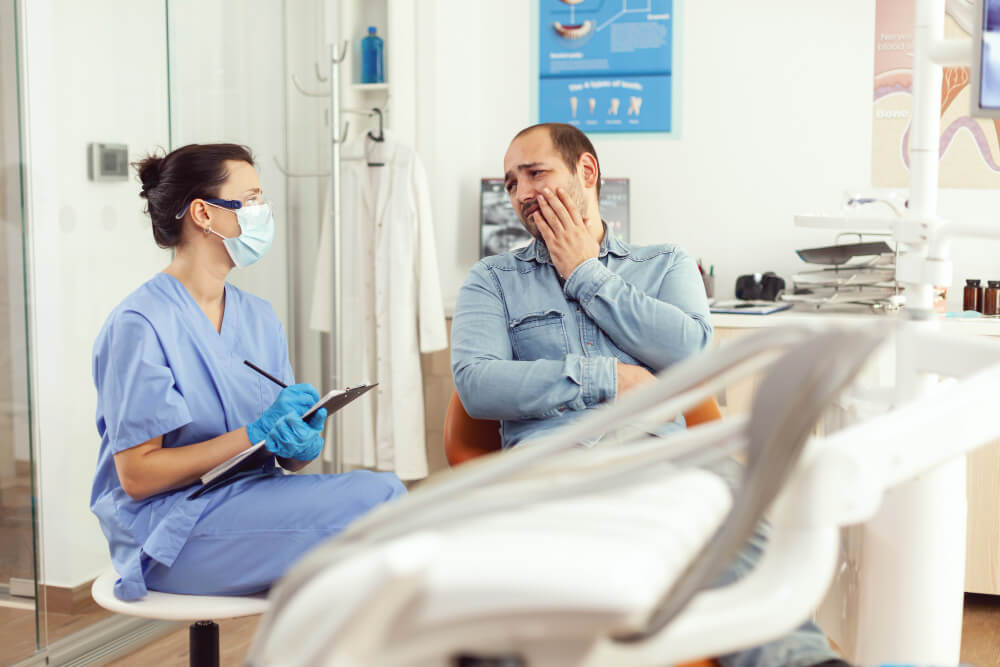
If you can’t recall and are drawing a blank, a safe wager is that you should go see someone. Your mouth and your teeth are not things you’d want to be neglecting, and having any possible problem taken care of in advance can reap dividends down the road in the form of prevented headaches. Whether you are one of the conscientious tooth-brushers and flossers or have been putting off that appointment for months (years), take note of the warning signals that your gums and teeth require a professional. On this site, we outline the most common signs that suggest that it is time to drop by and visit a dentist in Adelaide. Here’s a sneak preview of the number one symptom that will send you running to a dental pro — and why you’ll save not only your smile but possibly your entire health as well. 1. Toothache or Sensitivity Tooth sensitivity is your mouth’s way of telling you it’s flying a red flag. It may begin as an ache, or when you drink and consume something sweet, hot, or cold, shock you with a jolt up through the jaw. Either pain or sensitivity can indicate decay, a cracked tooth, enamel worn away, or infection. Don’t let it get out of control. A visit to your trusted Adelaide dentist can diagnose the cause of the problem and ease the pain before things get out of control. 2. Bleeding or Swollen Gums Pink in the sink when brushing? Bleeding gums are not normal. They’re usually a sign of gingivitis — the initial stage of gum disease. Untreated, it can develop into periodontitis, which destroys the bone structure that holds your teeth in place and can lead to losing them. Sore and inflamed gums also need to be checked. While inflamed gums may indicate over-brushing, persistent swelling indicates that something is wrong that needs to be rectified by a professional. 3. Persistent Bad Breath Bad breath is something normal — we all have garlic breath or morning breath at some point. But if you find yourself having a persistent stench even after you brush, floss, and use mouthwash, something’s amiss. Bad breath (halitosis) may be a sign of gum disease, dry mouth, or a cavity. A trip to the dentist will diagnose the issue and bring freshness to your breath and your confidence. 4. You Have Dental Restorations If you have dental restorations that are like fillings, crowns, bridges, dentures, or dental implants, you must visit your dentist regularly for routine checkups so that all these workpieces are in good health. Chewing and other forces, looseness, or getting damaged will be the cause of trouble unless inspected. At Walsh Dental, we will be in a position to ensure everything is in good order and operational, providing a warranty and prevention against future issues. 5. Clicking or Pain in Jaw Does your jaw click on yawning or chewing? Do you wake with a headache or jaw ache? You can have nighttime teeth grinding (bruxism) or temporomandibular joint (TMJ) disorder. Either may cause long-term harm if left uncured. Accurate diagnosis may ascertain the cause and prescribe the right therapy, i.e., stress-control methods or a night guard. 6. Your Teeth Look Different Alterations in the looks of your teeth — such as dark spots, yellowing, or apparent cracks to the eye — may indicate decay, staining, or other destructive impairment. Even subtle alterations may be indications of larger issues. Your dentist can check if these changes are structural or cosmetic and recommend the appropriate treatment plan — from fillings to veneers to teeth whitening — to restore your smile. 7. Dry Mouth Saliva cleans food and acid out of your mouth. You might have a dry mouth that is caused by a side effect of a medication, dehydration, or a disease. Dry mouth over a long time leads to gum disease and tooth decay. A dentist will be able to tell you why you’ve got it and how you can prevent your mouth from getting dry. 8. You Haven’t Been in Over Six Months Even if you don’t think anything’s wrong, having regular dental visits is a good idea. The Australian Dental Association suggests that you visit your dentist every six months to be cleaned up and checked out. Regular checkups catch trouble early on — most often before you experience symptoms. Preventative care of the mouth is always more affordable and less painful than fixing severe problems. 9. You Have a Medical Condition That Impacts Oral Health Some health conditions — including diabetes, heart disease, and autoimmune diseases — directly impact your oral health. Either the conditions themselves or their treatments can cause dry mouth, swelling, or increased risk of infection. You must visit your dentist more frequently if you have a chronic condition so that your teeth and gums can be maintained in the best possible state. Walsh Dental provides individualized care to medically complicated patients. 10. You’re Having a Baby Hormonal fluctuations that accompany pregnancy can lead to further gum disease and tooth loss. If you are pregnant or expect to be in the coming weeks, now is a good time to visit for an exam. Healthy gums and teeth can also benefit your overall health and that of your baby. There was evidence that gum disease may cause preterm labor, so don’t skip a visit to the dentist while pregnant. Why Adelaide Dental Care Matters Adelaide has plenty of good stuff too — lovely weather, great food, and healthy, active individuals. No matter how wonderful the lifestyle, though, your teeth require proper maintenance. The finest Adelaide dentists can make your family and you have healthy smiles all year round. Whether it is your child’s first visit or your regular one, having a good, reliable professional is what matters. That’s where Walsh Dental comes in. At the very center of Adelaide, Walsh Dental is famous for its friendly service, state-of-the-art technology, and patient-focused philosophy. Their professional team listens to you, learning
Why Is Flossing Important for Your Oral Health?

When you’re thinking about taking care of your teeth, brushing is probably the first thing that comes to mind. It’s what we do daily. What about flossing? To some, it’s that “optional” oral hygiene aspect that gets conveniently skipped. But leaving out flossing could be the difference between a smiling mouth and a future filled with expensive, painful dental work. If you’ve ever questioned whether or not flossing is even worth the bother, the answer is a resounding yes. Flossing is integral to maintaining a clean, healthy mouth — and its benefits extend far beyond better breath. In this comprehensive article, we’re going to debunk exactly why flossing is essential, what goes wrong if you don’t, and how it fits into the big picture of oral health and professional dental care — whether upkeep is being done at home or preparation is being made for dental treatment in Adelaide. What Is Flossing, Really? Flossing uses a long, thin, flexible string (or floss picks or water flossers) to dislodge plaque and food particles between teeth and below the gumline — areas your toothbrush can’t reach. These tiny crevices between your teeth are where plaque, bacteria, and food particles enjoy hiding and accumulating. Your toothbrush, no matter how good your technique is, only cleans about 60-70% of your tooth surfaces. The rest? That’s what flossing is for. By moving floss between the teeth and bending it around the sides, you dislodge plaque and food particles that would otherwise lead to cavities, gum inflammation, and bad breath. The Benefits of Flossing Every Day If you want some motivation to include flossing in your daily routine, here’s how it can help you: 1. Prevents Gum Disease Gum disease starts when plaque develops above and below the gumline. Plaque, without flossing, becomes tartar and causes gingivitis — the first stage of gum disease. The symptoms are red, inflamed, or bleeding gums. Without intervention, it develops into periodontitis, which breaks down the bone and tissues that hold your teeth in place. 2. Prevents Cavities Gaps between your teeth are the most valuable real estate for bacteria. When food particles get stuck between teeth, bacteria dine on them and overflow with acid. The acid dissolves tooth enamel and causes cavities. Flossing wipes out these danger zones. 3. Freshens Your Breath Bad breath, or halitosis, usually is caused by bacteria that live on food particles trapped between your teeth. There is no mouthwash that can substitute for the mechanical removal that flossing provides in eliminating you of the cause. 4. Makes Your Teeth Whiter Brushing eliminates surface stains, but flossing eliminates debris that can lead to staining over time. Whiter and healthier-looking teeth look when they are cleaner. 5. Saves You Money Preventive care is always less expensive than treatment. A daily floss can keep you out of fillings, deep cleanings, root canals, or worse — losing a tooth. What Happens If You Don’t Floss? Not flossing has short-term and long-term effects: In the short term, you might not even realize anything is wrong. But inflammation may already be simmering below the gumline. It accumulates over time. You may experience gums bleeding as you brush — an indication that something is not right. If left over time, unless cleaned by professionals removing the tartar, it may cause deep infection, bone resorption, loose teeth, and even total loss of teeth. As per studies, flossing can lower your chances of developing periodontal disease by as much as 40%. That’s a big decrease from an activity that only takes less than two minutes a day. Flossing Technique: Are You Doing It Correctly? Good technique is important when flossing. Here’s a step-by-step: If you bleed when you floss, don’t worry. That is usually a sign of inflammation due to not flossing enough — and will cease after a week or so of regular flossing. Alternatives If You’re Having Trouble With Regular Floss Not everyone is comfortable flossing, particularly if you have tight teeth, braces, or mobility problems. The good news is that there are wonderful alternatives: Discuss with your Adelaide dentist what product will suit your lifestyle and mouth. The Link Between Flossing and Overall Body Well-being You may be amazed to know that your overall health is connected directly with your oral health. Gum disease does not remain in your mouth — it has been linked with: The bacteria that live in infected gums can migrate to your bloodstream and cause inflammation in other parts of your body. Flossing, combined with brushing and professional attention, is a front-line defense. Flossing for Children and Older Adults Flossing is appropriate for everyone. Children can begin flossing when they have two teeth that touch. Parents will need to assist until the child can manage on their own. Teenagers will resist, but pointing out now how important flossing is prevents problems with braces and establishes habits that will last a lifetime. Seniors also have special challenges such as gum recession, dry mouth, or loss of dexterity — but flossing is still essential to healthy teeth and preventing costly prosthetic intervention down the road. Getting into the Habit: Strategies That Work If flossing is a hassle, try these tips to make it less so: Remember: habits stick when they’re easy, in sight, and rewarding. Flossing and Your Professional Dental Care Routine No matter how diligently you floss, you’ll still require professional cleanings. That’s where professional dental care comes in. Cleanings remove tartar buildup and allow early problem detection — before they hurt or cost you a great deal of money. If you’re noticing bleeding gums, tooth sensitivity, or bad breath even with good hygiene, it might be time for a checkup. The team at Walsh Dental specializes in comprehensive oral care, including preventive strategies tailored to your needs. Whether you’re due for a general exam or need more advanced care, booking a consultation with a trusted dentist in Adelaide is a great next step. When Flossing Just Isn’t Cutting It: Time for a Checkup Despite
What Happens to Your Teeth When You Don’t Get Enough Calcium?

When most people think of the word “calcium,” bones are most likely going to be the very first thing that they think of immediately. But although calcium is extremely important when it comes to healthy bones, calcium also plays a very important role in healthy teeth. Lack of calcium not only ruins your structure of bones—though it can lead to other issues aside from cavities and stinky mouth with your teeth too. This blog explores what happens to your teeth when your calcium intake is insufficient, signs to watch out for, and how to maintain optimal dental health. If you’re concerned about your calcium levels or your dental well-being, this is essential reading. The Role of Calcium in Dental Health Calcium is a mineral employed to produce hard bones and teeth. The body holds almost 99% of its calcium in teeth and bones and employs it to aid in making them hard and organized. Calcium and phosphate within your teeth unite to form hydroxyapatite, the mineral employed to provide enamel with hardness. But wait, there’s more. Calcium plays a vital part also in maintaining healthy gums, healthy jawbones, and oral pH balance. When your body lacks calcium, it diverts the very functions of the heart, muscles, and nerves. If it’s not getting it from food, it steals it from your teeth and bones, making them weaker and weaker. What Goes Wrong When You Don’t Get Enough Calcium 1. Thinning Tooth Enamel The enamel is the tooth’s outer layer and protective barrier. It’s the hardest part in the body—but not invincible. Without sufficient calcium, the enamel starts to be less mineralized, so it thins out and gets more permeable. This may lead to: 2. Tooth Decay A diet poor in calcium will soften the enamel and predispose it to penetration by acid and bacteria. This can accelerate decay and necessitate fillings, root canals, or extractions. Lost enamel cannot be restored, so prevention is the key. 3. Gum Disease Calcium is used to stiffen the jawbone under and around the teeth and gum tissue. Gum inflammation (gingivitis) and periodontal disease will be created by a lack of calcium. The gums bleed and recede due to gum disease, causing bad breath, and the teeth will be lost if not treated. 4. Loss of Jawbone Your teeth are fixed in the jawbone, and this relies on calcium in order to be firm. If there is no calcium, the jawbone will begin to deteriorate. This compromises the support system of teeth, thus loosening teeth or even causing tooth loss. This is quite so among older persons, and even more so among post-menopausal women, as they are already at risk of osteoporosis. 5. Developmental Disorders in Children Teenagers and children are forming bones and teeth, and its enormous demand has to be fulfilled in these growth periods. Its absence in these growth periods could cause 6. Inefficient Healing After Dental Interventions Calcium is necessary for maximum blood clotting and healing of cells. If you lack calcium, your body won’t heal as fast after dental treatment such as surgery, extractions, or implants. Red Flags You Might Be Calcium Deficient While the ideal test for measuring calcium is by blood, there are red flags of certain signs and symptoms: If you do any of these, it is recommended that you consult with your dentist in Adelaide to ascertain the cause. How Much Calcium Do You Really Need? The amount of calcium needed on a daily basis varies by age and gender. Based on Australian dietary guidelines: Pregnant or breastfeeding women may need additional calcium. Where to Get Your Calcium You do not have to get all of your calcium from supplements. There are many foods that contain calcium, which you can obtain from food: Dairy Foods: Non-Dairy Foods: If you are lactose intolerant or a vegan, leafy greens and fortified foods are especially convenient. Calcium and Vitamin D: A Working Team Calcium requires vitamin D in order to be absorbed. Without enough vitamin D, your body will not absorb the calcium in food regardless of how much you consume. The best sources of vitamin D are sunshine, fatty fish, eggs, and fortified products. If you are one of those individuals that receive very little sunlight exposure—something extremely normal for wintertime in southern Australia—it is probably a good suggestion to discuss supplementation with a healthcare professional. Prevention and Long-Term Care Preventing calcium deficiency and how it affects your teeth is something that you should implement in an active manner. Here is what you should do: 1. Eat a Balanced Diet Highlight some of the high-calcium foods at lunchtime and dinner. Provide them with foods that contain vitamin D so they will be absorbed as efficiently as possible. 2. See Your Dentist From Time to Time Regular checks can identify warning signs of tooth enamel loss, gum disease, or bone recession. Your Adelaide dentist will inform you if changes in your diet and way of life will improve these aspects. 3. Do Not Eat Sugary, Acidic Foods Sugars, fizzy beverages, and extremely acidic fruits are more likely to spoil already weakened enamel quicker. Rinse with water after consuming them, and don’t brush immediately to avoid destroying them. 4. Brush Fluoride Toothpaste Enamel is fortified by fluoride, which also makes enamel harder to decay. Fluoride treatment can also be provided by your dentist if your enamel is abnormally thin or compromised. 5. Drink Lots of Water Saliva helps neutralize acids in the mouth and provides minerals to protect enamel. Drink plenty of water, especially if you’re consuming foods that are acidic or high in sugar. Dental Care in Adelaide: Why Local Matters The water chemistry, diet, and environment of Adelaide will decide dental health. South Australian water can be treated, say, but it will contain varying levels of fluoride and minerals that influence enamel strength. Personal dental care in Adelaide involves you being given advice and treatment with local conditions in mind. Walsh Dental, for instance, offers one-on-one preventive care
Dental Emergency in Adelaide: What to Do When You Have a Toothache

Severe Toothache is an Abomination and a Painful Experience Stabbing, aching, or throbbing—it is necessary to learn how to manage a dental emergency. In case you are facing a dental emergency in Adelaide, knowing what to do relieves pain and prevents complications. In this definitive guide, we will diagnose the causes of toothaches you are suffering from, home remedies to relieve you immediately, when to use the services of a dentist, and how Walsh Dental can act in cases of dental emergencies. Common Causes of Toothache Mild toothache can be caused by numerous underlying factors. The initial step toward effective recovery is knowing the reasons for your toothache. A few of the most prevalent causes of toothache are: 1. Tooth Decay (Cavities) Cavities occur when the bacteria erode the tooth enamel, creating holes in teeth. Decay, if not attended to, may progress deeper to the inner pulp, which may lead to aching and infection. 2. Gum Disease (Gingivitis and Periodontitis) Infected or inflamed gums can be accompanied by pain, swelling, and bleeding. Advanced gum disease can infect the roots of teeth, leading to chronic toothache. 3. Dental Abscess Dental abscess is an infection caused by bacteria that forms a pocket of pus. It is typically painful, throbbing, swollen, and causes fever. An abscess must be treated immediately by a dentist. 4. Broken or Cracked Teeth Tooth crack may expose nerves and cause pain while chewing or drinking hot or cold liquids. 5. Impacted Wisdom Teeth Infected wisdom tooth can be impacted behind the gum and cause pain, swelling, and infection. 6. Sinus Infections No one would have imagined, but sinus infection can cause toothache because pressure that sinus congestion has placed on front teeth. Home Remedies to Get Instant Toothache Relief In event of acute toothache, relief can be achieved in the meantime until more treatment is possible. 1. Gargle with Warm Salt Water Warm salt water is a natural disinfectant that kills bacteria and lowers swelling. Add one teaspoon of salt to warm water and gargle to provide relief. 2. Use a Cold Compress Put a cold compress on the swollen area to make it swell less and dull the pain. Place an ice pack wrapped in a cloth over your cheek for 15-20 minutes. 3. Use Over-the-Counter Pain Relievers Pain from a toothache will be temporarily alleviated by pain relievers like ibuprofen or acetaminophen. Aspirin can’t be used on the gum since it will irritate. 4. Use Clove Oil Clove oil is antibacterial and analgesic. Soak a cotton ball in clove oil and put it gently over the sore area. 5. Avoid Trigger Foods and Drinks Hot, cold, or sweet foods will aggravate toothache. Consume warm food that is soft and do not chew on the sore side. 6. Hydrogen Peroxide Rinse Hydrogen peroxide and water mixture and rinsing through the mouth to kill bacteria and avoid inflammation. Do not swallow. When to See an Adelaide Dentist Although home treatment is comforting, there are toothaches that require your prompt professional intervention. They are signals that you should see an Adelaide dentist urgently: 1. Intense or Chronic Pain When the toothache persists beyond 24-48 hours, it can be a symptom of a significant oral condition requiring expert intervention. 2. Swelling of Face or Jaw Swelling can cause infection or abscess, and if left untreated, can spread to other areas of the body. 3. Toothache Fever Toothache fever is a sign of infection and needs to be treated by a dentist right away. 4. Pain While Eating or Speaking If pain makes you uncomfortable while eating, drinking, or talking, you need to get immediate consultation from a dentist. 5. Pus or Bad Taste in Mouth Pus in gums or bad taste in the mouth is a indication of an abscess which has to be treated right away. What to Expect at an Emergency Dental Visit If you visit Walsh Dental for emergency care, the dentist will: 1. Examination and Diagnosis The dentist will examine your teeth and gums and perhaps X-ray to discover why you are experiencing a toothache. 2. Pain Relief If you are very painful, the dentist can administer local anaesthesia or painkillers. 3. Treatment The treatment can differ based on the cause you have a toothache and can be: 4. Preventive Advice Dietary advice will be provided by the dentist on how to maintain the teeth in such a condition that there are no future complications. Prevention of Future Dental Emergencies Emergencies cannot be prevented, but good oral hygiene can be used for the prevention of toothaches. 1. Maintain Good Oral Hygiene Brush teeth twice daily, floss daily, and work together with an antiseptic mouthwash to avoid developing bacteria. 2. Visit Your Dentist Regularly Visiting a regular Adelaide dentist will ensure that anything is identified before it has the opportunity to become an emergency. 3. Steer Clear of Hard Foods Ice, popcorn seeds, and hard candies will crack your teeth, injuring and hurting you. 4. Wear a Mouthguard If you bruise at night or are an athlete, a mouthguard will shield your teeth. 5. Hydration Water must be consumed in order to rinse the bacteria and food out of the mouth, thereby improving oral hygiene. Why Choose Walsh Dental Emergency Care? For any dental emergency in Adelaide, having an excellent dental clinic nearby is crucial. Walsh Dental makes it a point to offer timely, effective, and caring treatment for any dental emergency. 1. Extremely Experienced and Certified Dentists Walsh Dental professionals are well-equipped to handle urgent dental problems, ranging from toothache to abscess and fracture. 2. Advanced Equipment With the latest dental equipment, Walsh Dental offers accurate diagnosis and effective treatment. 3. Same-Day Emergency Appointments With a realization of the importance of toothache, Walsh Dental offers same-day emergency appointments to help you feel better right away. 4. Patient-Centric Approach Walsh Dental is patient-centered and ensures that you are cared for in a professional and relaxed atmosphere. Final Thoughts Toothaches are painful and infuriating, but ignorance is
How to Treat Sensitivity After Teeth Whitening in Adelaide
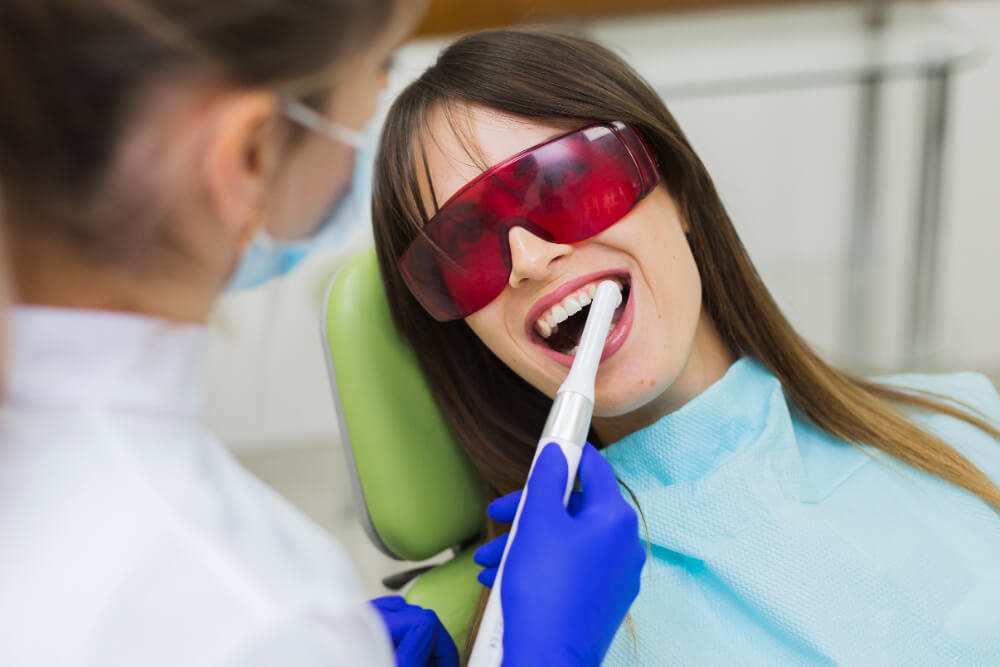
One of the most common cosmetic dental procedures utilized is teeth whitening, and it allows for patients to maintain a whiter, brighter smile. However, the most common side effect from teeth whitening is tooth sensitivity. The majority of patients report pain or sensitivity to hot and cold foods and liquids after whitening. Understanding why this sensitivity is occurring and how to best prevent and manage it can enable you to appreciate your whitened smile without excessive distress. In this comprehensive guide, we are going to be finding out what causes sensitivity after teeth whitening, effective ways of curing it, and how to prevent it from happening in the future. We will also be discussing professional treatments at Walsh Dental, where Dr. Thadsha and team provide professional service for all dental needs. Understanding Sensitivity After Teeth Whitening Teeth hypersensitivity following the teeth bleaching treatment process is caused by bleach applied during treatment. Hydrogen peroxide and carbamide peroxide are the most widely used bleaching agents. They dissolve discoloration as well as spots in the enamel; however, while carrying out this function, they alter the dentin layer beneath the enamel. As a result of this disruption of the dentin layer, temporary microtubule exposure providing access to tooth nerve endings happens. When the tubules are open, external stimuli—i.e., hot or cold foods and liquids—may trigger temporary pain or discomfort. This should pass in a few days to a week, but, for some, it may last longer. Factors That Affect Tooth Sensitivity Several factors may influence how sensitive you get after a whitening procedure: How to Treat Sensitivity After Teeth Whitening If you are sensitive after your whitening treatment, there are several ways in which you can cope with and reduce discomfort effectively. 1. Use Desensitizing Toothpaste Reducing sensitivity is best done with toothpaste that has stannous fluoride or potassium nitrate. They block nerve channels, and therefore less pain and discomfort are felt. Sensodyne or Colgate Sensitive Pro-Relief work well. How to Use: 2. Use Fluoride Treatments Fluoride strengthens enamel and protects teeth from sensitivity. Use over-the-counter fluoride mouthwashes, or have your dentist apply fluoride professionally. How to Use: 3. Avoid Super-Hot or Super-Cold Foods and Drinks Your teeth will be sensitive to hot or cold following whitening. Avoid consuming and drinking: Replace with lukewarm foods and drinks until the sensitivity resolves. 4. Modify Brushing Habits Hard bristling can make sensitivity worse. Brush teeth with a gentle circular motion using a soft-bristled toothbrush without irritating. Best Practices: 5. Use a Sensitivity-Reduction Gel Certain whitening clinics offer desensitizing gels that are designed to soothe teeth after they have been whitened. The gels contain chemicals like calcium phosphate or arginine, which have been proven to shut down sensitivity messages. How to Use: 6. Reduce Whitening Frequency Too much use of whitening treatments in the dental office or at home will result in your teeth becoming more and more sensitive. Allowing some time to pass between bleaching treatments ensures the enamel has adequate time to reform itself. Frequency Recommendations: 7. Use a Non-Peroxide Bleach Replacement For severely sensitive ones when whitening, non-peroxide whitening would be the safest option. They use whitening products with substances like sodium bicarbonate or activated charcoal, which are gentler on the enamel. How to Prevent Sensitivity Before Whitening While sensitivity control can be performed, preventive procedures done before whitening will actually forestall any discomfort. 1. Harden Your Enamel Before Whitening If you’re to use a tooth whitener, try to use a fluoride toothpaste or mouthwash a few weeks before your treatment. Pre-whitening hardening of your enamel will minimize post-whitening sensitivity. 2. Get a Dental Checkup Before Whitening Check with Dentist before whitening your teeth to have your teeth checked. If your tooth is presented with cavities, gum recession, or enamel loss, having them treated first will avoid drastic sensitivity. 3. Opt for Professional Whitening vs. DIY Kits DIY teeth whitening kits might look like an easy escape, but teeth whitening in Adelaide by a professional is safer and more efficient. Dentists are able to tailor treatments to reduce sensitivity and offer better long-term results. Professional Solutions at Walsh Dental If you want the best dental treatment in Adelaide, Walsh Dental offers cutting-edge teeth-whitening procedures based on your personal needs. Our experts are well aware that sensitivity is a problem for most people and take extra care to make you comfortable while the teeth-whitening process is being carried out. What Makes Walsh Dental Different? Other Dental Services Aside from teeth whitening, Walsh Dental offers a wide range of dental treatments in Adelaide, including: If you experience sensitivity following whitening or are considering a professional procedure, Dr. Thadsha and her team at Walsh Dental are ready to help. Conclusion Sensitivity after whitening is a normal but acceptable side effect. With the aid of toothpaste containing desensitizing agents, fluoride treatments, dietary modifications, and oral hygiene modifications, sensitivity can be minimized, and you can wear your whiter smile confidently. Pre-whitening preventive measures also minimize sensitivity and maximize overall results. For the whitest whitening treatment, visit professional teeth whitening in Adelaide at Walsh Dental. With trained hands and tailored treatments, Dr. Thadsha provides you with that beaming smile without any discomfort or sensitivity. Book an appointment at Walsh Dental today if you’re ready to whiten your smile or need consultation on managing sensitivity!
What is Crossbite? Signs, Effects, and Treatment
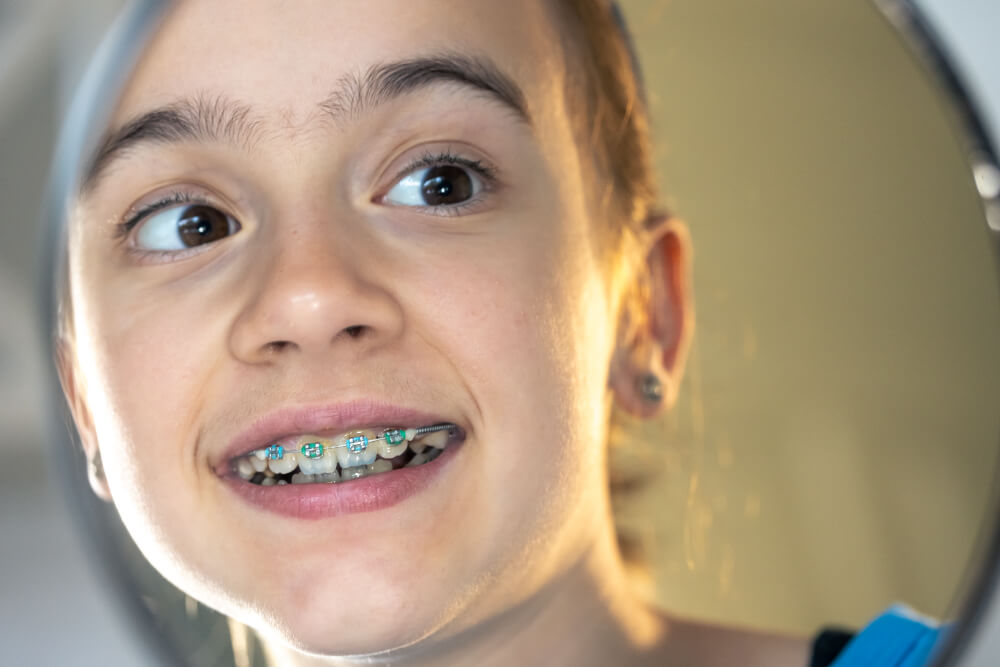
A crossbite is a common dental misalignment where the upper teeth bite inside the lower teeth instead of slightly overlapping them. This condition can affect both children and adults, leading to various dental health problems if left untreated. Understanding the signs, causes, effects, and treatment options for crossbite is essential for maintaining optimal oral health. This blog will explore everything you need to know about crossbite, including its types, symptoms, causes, effects on oral health, and available treatments. If you are experiencing issues related to crossbite, seeking professional dental care is crucial for proper diagnosis and treatment. Types of Crossbite Crossbite is categorized into two main types, depending on which teeth are affected: 1. Anterior Crossbite An anterior crossbite occurs when the front upper teeth sit behind the lower front teeth. This condition may result from skeletal discrepancies such as a prominent lower jaw or a retruded upper jaw. An anterior crossbite is often confused with an underbite, but they are distinct conditions. 2. Posterior Crossbite A posterior crossbite occurs when the upper molars and premolars sit inside the lower molars and premolars. It can affect one side (unilateral) or both sides (bilateral) of the mouth. This condition is commonly associated with a narrow upper jaw, which can be due to genetics, prolonged oral habits, or improper jaw development. Both types of crossbite require early diagnosis and treatment to prevent long-term dental complications. Signs and Symptoms of Crossbite Recognizing the signs of crossbite early can help prevent further complications. Here are some common indicators: If you notice any of these symptoms, it is important to consult a dentist or orthodontist for evaluation. Causes of Crossbite Crossbite can develop due to various genetic and environmental factors, including: 1. Genetic Factors Heredity plays a significant role in jaw and tooth development. If parents have a history of crossbite, their children may be more likely to develop it. 2. Delayed Loss of Baby Teeth If primary (baby) teeth do not fall out on time, permanent teeth may erupt in incorrect positions, leading to crossbite. 3. Abnormal Jaw Growth Disproportionate growth of the upper and lower jaw can cause misalignment, resulting in crossbite. 4. Prolonged Oral Habits Habits such as thumb sucking, prolonged pacifier use, or tongue thrusting can influence jaw development and lead to crossbite. 5. Breathing Issues Chronic mouth breathing due to nasal obstructions (e.g., allergies, enlarged tonsils, or adenoids) can affect jaw formation, increasing the risk of crossbite. Early intervention can help correct crossbite before it worsens and leads to long-term oral health problems. Effects of Untreated Crossbite Leaving crossbite untreated can result in several complications, including: 1. Tooth Decay and Gum Disease Misaligned teeth are harder to clean, increasing the risk of plaque buildup, cavities, and gum disease. 2. Jaw and TMJ Problems A crossbite can strain the temporomandibular joint (TMJ), leading to pain, clicking sounds, and difficulty opening or closing the mouth. 3. Uneven Tooth Wear Improper alignment causes excessive wear on certain teeth, leading to fractures, enamel erosion, and increased sensitivity. 4. Speech Impediments Severe crossbite can affect speech clarity by interfering with tongue placement during pronunciation. 5. Facial Asymmetry In children, an untreated crossbite can lead to an imbalanced facial appearance due to uneven jaw growth. 6. Digestive Issues Difficulty in chewing food properly may impact digestion and overall nutrition. Seeking professional dental care in Adelaide can help prevent these complications and ensure long-term oral health. Diagnosis of Crossbite A dentist or orthodontist can diagnose crossbite through a thorough dental examination, which may include: If you suspect you have a crossbite, visiting a dentist in Adelaide for an evaluation is the first step toward correction. Treatment Options for Crossbite Treatment for crossbite depends on the severity of the condition and the patient’s age. Several methods are available to correct crossbite, including: 1. Palatal Expanders A palatal expander is a device used to gradually widen the upper jaw, creating space for proper alignment. This treatment is most effective in children and teenagers whose jawbones are still developing. 2. Braces Traditional braces are an effective solution for correcting crossbite by gradually shifting teeth into their proper positions. Braces apply controlled pressure to realign both anterior and posterior crossbites. 3. Clear Aligners (Invisalign) For mild to moderate crossbites, clear aligners such as Invisalign provide a discreet and comfortable alternative to traditional braces. These custom-made trays gradually move teeth into proper alignment. 4. Myofunctional Therapy Myofunctional therapy consists of exercises designed to correct improper tongue posture and swallowing patterns that contribute to crossbite development. 5. Tooth Reshaping and Bonding In some cases, minor reshaping of the teeth or the use of dental bonding can help improve the bite. 6. Orthognathic Surgery For severe crossbite cases involving skeletal discrepancies, orthognathic (jaw) surgery may be necessary to reposition the jaw for optimal alignment. 7. Retainers After active treatment, retainers are often recommended to maintain the corrected bite and prevent relapse. Choosing the right treatment depends on factors such as age, severity of misalignment, and personal preference. Consulting an experienced dentist in Adelaide will help determine the best treatment plan. Early Intervention and Prevention Correcting crossbite at an early stage is beneficial as children’s bones are more adaptable to treatment. Here are some preventive measures: Early intervention reduces the need for invasive treatments later in life. Why Choose Walsh Dental for Crossbite Treatment? At Walsh Dental, we specialize in providing advanced orthodontic treatments tailored to individual needs. Our team, led by Dr. Thadsha, is dedicated to helping patients achieve a healthy, properly aligned smile. Whether you require braces, clear aligners, or other corrective treatments, we ensure personalized care with state-of-the-art technology. If you’re experiencing crossbite issues, seeking professional dental care in Adelaide is the best way to restore proper alignment and improve your oral health. Conclusion Crossbite is a common dental issue that can lead to serious complications if left untreated. Recognizing the signs and seeking timely treatment is crucial for maintaining a healthy smile and preventing long-term problems. If you or your
How Do I Get Over Dental Anxiety? Importance of Overcoming Dental Fear
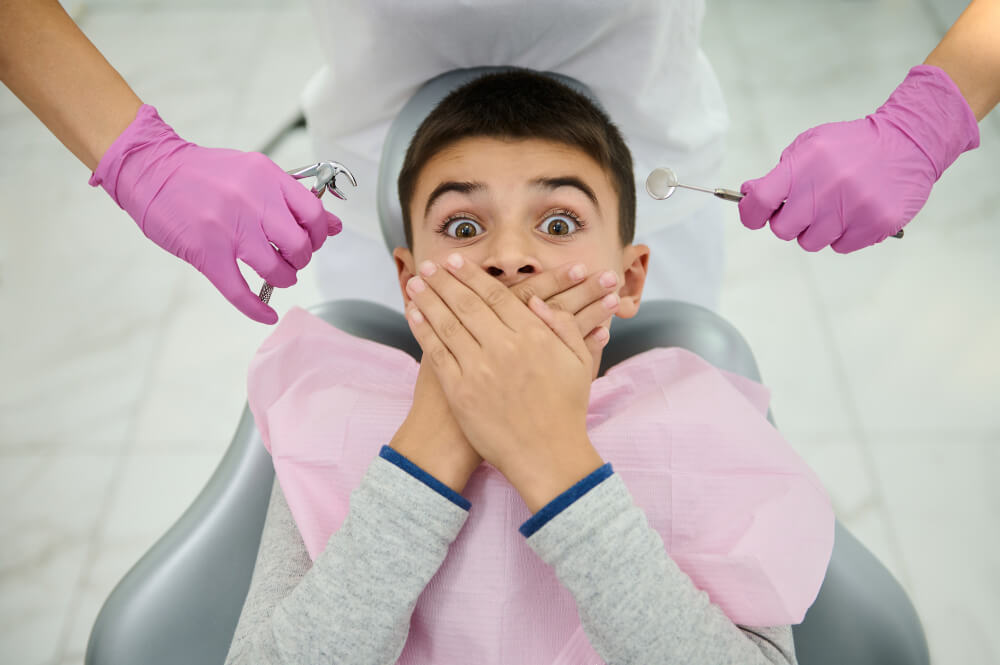
For most people, a visit to the dentist’s clinic is an ordeal to suffer through fear. Either dental pain fear, bad past experience, or merely the sound of dental equipment, dental phobia spares none at any age. Fear thus is bound to deter them from treatment otherwise unavoidable, thereby piling opportunities for oral disease. Conquering fear of the dentist is crucial, not only for a healthy smile but also to prevent serious health complications. If you are afraid of the dentist, don’t worry—you’re not alone, and the good news is that there are ways of conquering and reducing your fear. In this, we will explain why conquering dental fear is important, the primary reasons for dental fear, and simple tips to assist you in becoming more comfortable in the dentist’s chair. We will also elaborate on how a visit to the right dentist in Leabrook, such as Dr. Thadsha at Walsh Dental, will make a difference in having an anxiety-free procedure. Why Overcoming Dental Fear is Important Dental fear is more than a nervous anticipation of an appointment; it can have severe consequences on your overall health and well-being. Here’s why it’s so crucial to overcome your dental fear: Common Causes of Dental Phobia Learn why you are afraid of the dentist so that you can take action. The most common causes are as follows: 1. Fear of Pain: Maybe the biggest cause for people dreading the dentist is the prospect of pain sitting in the dentist chair. Negative past experiences, such as with someone else who’s had horrifying experiences, may plant seeds of fear. 2. Loss of Control: Recounting yourself lying back in a dental chair while someone manipulates inside your mouth can lead people to feel vulnerable and tense. 3. Embarrassment About Oral Health: A patient with an oral issue, such as stained teeth or chipped teeth, may feel embarrassed about it and afraid of judgment from the dentist. 4. Previous negative experiences: An unpleasant dental experience, especially at an early age, can lead a person to become long-term phobic. A single unpleasant experience can yield dental avoidance. 5. The Fear of Drills or Needles: The noise and visual of dental tools, particularly drills and needles, can frighten some patients. 6. Sensitive Gag Reflex: Some individuals feel dental procedures will gag them and cause pain. Fortunately, modern dentistry is patient-focused. Dental clinics like Walsh Dental make every effort to provide patients with a comfortable, anxiety-free experience. Practical Solutions to Overcome Dental Fear Dentist phobia is common, but it doesn’t have to dictate your oral hygiene. The solutions listed below are practical ways to overcome your phobia and ease the experience of visiting the dentist. How a Good Dental Clinic Can Help Alleviate Anxiety The right dental practice choice would be a revolution. Trustworthy clinics such as Walsh Dental ensure patient relaxation. They keep patients relaxed in a friendly setting, their needs catered to while undergoing consultation and treatment, and even inform them of each step taken while keeping them secure in the treatment process. A compassionate staff also understands dental fear, being more careful to make their visit as painless as possible. Pain-Free Dentistry: Using the latest technology and techniques, pain is reduced to an absolute minimum, making treatment nearly pain-free. Flexible Treatment Plans: A plan acceptable to you and comfortable for you will be customized by the dentist. If you are in need of dental treatment in Adelaide, then visit Walsh Dental; locating a practice concerned with and appreciative of patient comfort is a must. Conclusion Dental fear is a daily challenge, but you should never allow it to hinder you from brushing your teeth. Through recognizing the necessity of coping with dental fear, understanding the reasons why, and adopting beneficial tips, dental fear can be coped with. Selecting an empathetic dentist in Leabrook, such as Dr. Thadsha, practicing relaxation techniques, and investigating sedation will leave you feeling more confident regarding dental treatment. If you are seeking professional dental treatments in Adelaide, an individual-centered clinic such as Walsh Dental is at your disposal, and we will make you feel safe and comfortable. Contact us today! Don’t let fear stand in the way of healthy, confident smiles—start now and make that first step to secure, healthy smiles!