
The Impact of Lifestyle on Oral Health: Tips from a Dentist in Kensington Park
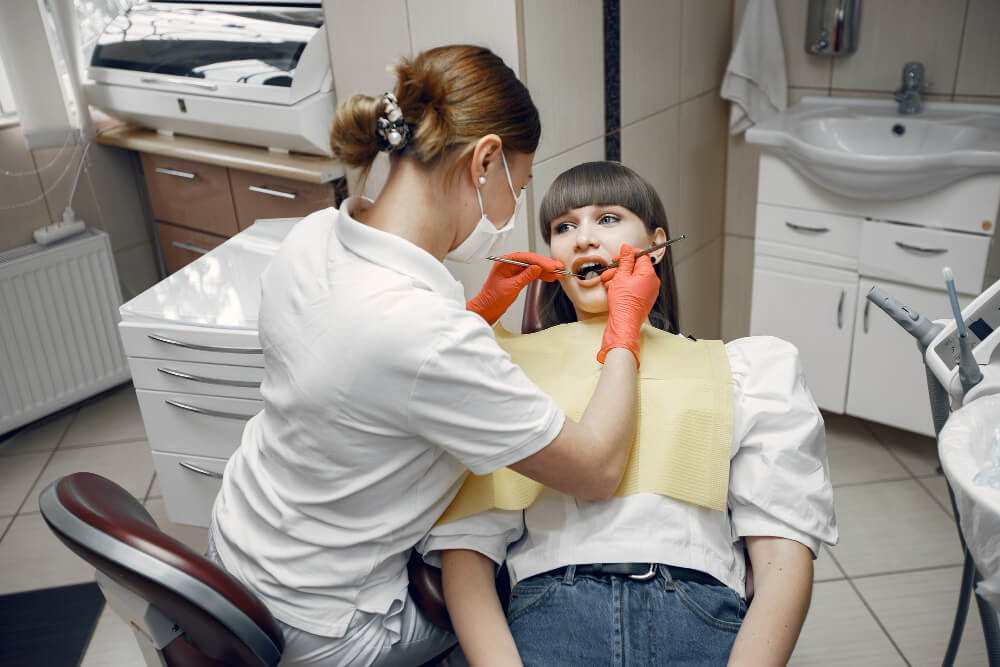
Introduction Your lifestyle choices shape more than just your general wellbeing. They also play a major role in your oral health. From what you eat and drink to how you manage stress and sleep, everyday habits influence the strength of your teeth, the health of your gums, and even your long term smile. At Walsh Dental, we see firsthand how small lifestyle changes can lead to big improvements in dental health. As a trusted Dentist in Kensington Park, our goal is to help patients understand how their daily routines connect to their oral health and how they can protect their smiles for life. Many people think brushing and flossing alone are enough, but true oral health care in Kensington Park goes beyond the bathroom sink. It includes smart food choices, avoiding harmful habits, managing stress, and visiting your dentist regularly. In this guide, you will learn how lifestyle affects your teeth and gums, what common mistakes to avoid, and how preventive dental care in Kensington Park can help you stay ahead of problems. Whether you are caring for your own smile or your family’s, this article will give you clear, practical insight into building strong, healthy habits with help from a Dentist in Kensington Park you can trust. Why Lifestyle Plays a Big Role in Oral Health? Your daily habits and routines have a direct impact on your teeth and gums. What you eat, how often you clean your mouth, whether you smoke, and how you manage stress all influence your oral health. Many dental problems are not caused overnight. They develop slowly through repeated lifestyle choices that either support or harm your mouth. One common mistake is assuming dental issues only come from poor brushing. In reality, diet and dental health are closely linked. Sugary drinks, frequent snacking, and acidic foods weaken enamel over time. Skipping dental visits or ignoring early warning signs like bleeding gums also allows small issues to become serious problems. There is growing awareness today about preventive dental care Kensington Park residents can rely on. More people are learning that it is easier to prevent cavities and gum disease than to fix them later. This guide will help you understand how lifestyle choices affect your oral health and what you can do to protect your smile for the long term. How Lifestyle Choices Affect Your Teeth and Gums? Your mouth reflects your overall lifestyle. Poor eating habits, inconsistent hygiene, and unmanaged stress can damage both teeth and gums. For example, frequent sugar intake feeds harmful bacteria that cause cavities and gum disease. Skipping brushing at night leaves plaque sitting on teeth for hours, increasing the risk of decay. Daily oral hygiene habits are the foundation of long term dental health. When brushing and flossing become routine, plaque and bacteria are removed before they can do damage. On the other hand, irregular habits allow problems to grow quietly. Prevention starts at home. The way you care for your mouth every day sets the tone for your future dental health. A Dentist in Kensington Park can treat problems, but your daily choices determine how often you need treatment. Diet and Dental Health – What You Eat Matters What you eat and drink fuels your body and your mouth. Sugary and acidic foods are among the biggest threats to your enamel. Soft drinks, sweets, and even fruit juices can slowly wear down the protective outer layer of your teeth. Balanced nutrition supports strong enamel and healthy gums. Foods rich in calcium, protein, and vitamins help your teeth stay resilient. Crunchy fruits and vegetables also help stimulate saliva, which naturally cleans your mouth. Hydration is equally important. Water helps wash away food particles and supports saliva production. Saliva plays a key role in preventing tooth decay naturally by neutralising acids and fighting bacteria. Choosing water over sugary drinks is one of the simplest ways to protect your smile. Oral Hygiene Habits That Protect Your Smile Brushing and flossing correctly every day is essential for healthy teeth and gums. Brushing twice a day removes plaque before it hardens into tartar. Flossing cleans areas your toothbrush cannot reach. Choosing the right tools matters. A soft bristled toothbrush and fluoride toothpaste are best for daily use. Hard brushes can damage gums, and non fluoride toothpaste may not protect against cavities effectively. Consistency is the real key. Daily oral hygiene habits done properly protect your smile far more than occasional intense cleaning. Your Dentist in Kensington Park can guide you on the best routine for your needs. The Effects of Smoking and Alcohol on Oral Health 1. Smoking and gum disease: Smoking reduces blood flow to the gums, making it harder for them to heal. It also increases the risk of gum disease, tooth loss, and infections. 2. Stained teeth and bad breath: Tobacco and alcohol stain teeth and dry out the mouth. This leads to bad breath and a higher chance of cavities. 3. Increased risk of oral cancer: Long term smoking and heavy drinking raise the risk of oral cancer. Regular checkups at a dental clinic in Kensington Park help with early detection. Stress, Sleep, and Teeth Grinding 1. How stress leads to bruxism: Stress and anxiety often cause people to grind their teeth at night. This wears down enamel and causes sensitivity. 2. Jaw pain, headaches, and worn enamel: Grinding leads to jaw tension, headaches, and damaged teeth. 3. Protecting teeth with night guards: A custom night guard from a family dentist in Kensington Park protects your teeth while you sleep. Preventive Dental Care in Kensington Park Why Choose a Local Dentist in Kensington Park? Choosing a local Dentist in Kensington Park means personalised care and long term support. A trusted dentist gets to know your history and can provide consistent guidance. Convenience also makes it easier to attend regular appointments, which is vital for long term dental health. Tips from a Dentist in Kensington Park for Better Oral Health Simple changes like drinking more water, brushing properly, and
Why Choosing a Local Dentist in Burnside Ensures Better Dental Care?
Introduction Maintaining excellent oral health requires more than just brushing and flossing. The dentist you choose plays a critical role in your long-term dental care. For residents in Burnside, proximity matters. A trusted dentist in Burnside can provide timely, personalized care that is difficult to match when traveling long distances. Walsh Dental has become a preferred choice for many in the community, offering comprehensive services while ensuring patients feel confident and comfortable at every visit. Selecting a local dentist is more than a convenience; it directly impacts the quality of care you receive. From regular checkups to emergency procedures, local dentists provide the guidance and accessibility that keep your oral health on track. In this guide, we explore why choosing a local dentist in Burnside ensures better dental care, highlighting the practical, professional, and community-focused benefits of staying local. Accessibility: Why Location Matters in Dental Care Being close is a top reason. This is a big plus for a local dentist. Dental emergencies happen at bad times. Tooth pain is scary. Abscesses are scary. Sudden injury is scary. Waiting makes the problem worse. A local dentist gives fast appointments. This lowers travel stress. Regular visits are easier to keep up. Fewer checkups are missed this way. Short travel helps busy families. Walsh Dental is easy to reach. They have longer hours for busy lives. Being accessible prevents big dental issues. It is more than just being convenient. Personalized Care: The Advantage of Familiarity Local dentists give consistent care. The care is personal for you. Knowing your dental history helps them. Professionals make better treatment plans. They watch your progress well. Knowing your past helps diagnose problems. Care is continuous over time. This helps with long term work. This means braces work. This means repair work. Patients feel more comfortable. Trust builds up over many visits. A dentist who knows your history can spot issues early and provide solutions before problems arise. Care is not only medical. It is also personal. A dentist who knows your history sees problems coming. They give solutions before things go wrong. Community Trust and Reputation Choosing a local dentist means trust. It means using the clinic’s reputation. Local clinics must answer to neighbors. Patient reviews show long time satisfaction. Good word of mouth means quality service is given. Dentists in Burnside join community events often. They teach health classes too. This builds trust greatly. Supporting a local clinic helps the community. It shares health knowledge. The focus is on patient care and community wellness. Positive feedback helps people choose dentists who consistently deliver results. Emergency Dental Services Made Simple Emergencies happen any time. A local dentist in Burnside is vital. They give fast help. They give effective help. Immediate appointments cut pain fast. They stop problems from getting worse. Dentists give advice for home care. This is for when you cannot get to the clinic right away. Local places know regional risks. They know about sports injuries. They know about common accidents in the area. Local Expertise: Understanding Burnside’s Health Trends Local dentists understand local health. They know community health concerns. Things like the environment matter. Food habits matter. Water quality matters. These things affect mouth health. Knowing water fluoride levels helps. Knowing water minerals helps. This gives better advice. Local diets, like high sugar use, guide their counseling. Dentists know common problems in Burnside. They offer good ways to stop them. Working in Burnside, Walsh Dental gives local guidance. This makes preventive care work better for you. Long-Term Benefits of Choosing Local Care Regular dental care gives long term benefits. Choose a local clinic for this. Stress is lower from travel. Stress is lower from scheduling. Strong patient dentist ties grow. This helps you follow treatment plans better. Regular check-ups catch small issues early. Problems are addressed before they become serious. Patients who choose a local dentist experience better long-term oral health. Consistent care means fewer surprises and stronger results. Advanced Technology in Local Clinics Tips for Choosing the Right Local Dentist in Burnside Selecting a dentist involves more than convenience. Here are expert tips: By following these steps, residents can ensure they choose a dentist who meets both professional standards and personal expectations. Conclusion: Prioritize Local Care for Optimal Results Choosing a dentist in Burnside is vital. It affects your health. It affects your safety. It affects your whole well being. Local care is accessible. It is personal attention. It builds community trust. It uses modern tech. Walsh Dental has all these benefits. They add pro expertise. They are a reliable choice for families. They are good for individuals. Local dental care gives better results long term. It means fewer emergencies. It gives consistent, quality treatment. Pick a trusted local provider now. Get care that is easy, personal, and dependable. Your Smile Deserves Expert Care. Reserve Today. Schedule Your Visit Today. Put your oral health in expert hands. Get professional care, advanced technology, and personal attention. Keep your smile healthy and reserve your appointment now. FAQs 1. How often should I visit a dentist in Burnside? Most adults need a checkup every six months. People with special needs may need to visit more often. 2. Does choosing a local dentist affect emergency care? Yes. Local dentists give faster help when urgent. This lowers complications and reduces discomfort. 3. Are modern dental technologies available in local clinics? Yes, absolutely. Many local clinics use them. Walsh Dental uses digital X-rays. They use lasers. They use advanced tools. 4. How do I know if a dentist is trustworthy? Check their papers. Read local reviews. Ask for recommendations. Visit the clinic to talk first. 5. Can a local dentist provide care for the whole family? Yes. Many Burnside dentists offer family care. They treat children. They treat adults. They treat seniors. They give plans that fit everyone.
10 Tips For Good Everyday Dental Hygiene
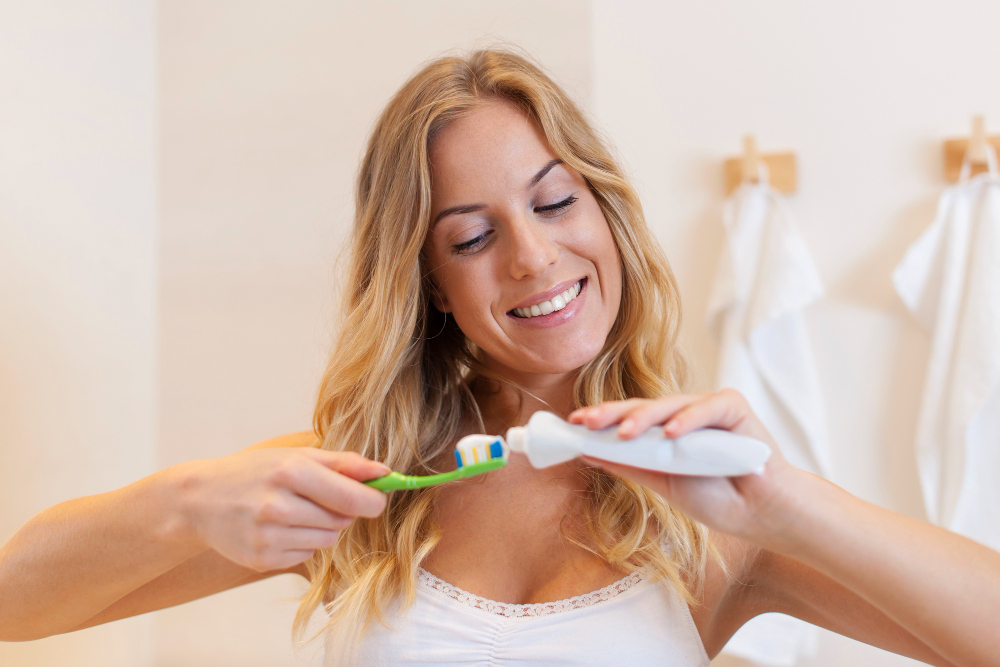
Most people think about brushing when they hear the words clean teeth. But real care is more than just picking up a brush two times a day. At Walsh Dental, we see many people who are surprised at how small daily steps can make a big difference. Taking care of the mouth is not hard. It just needs some care and the right way to do it again and again. A healthy smile is not only about looks. Strong teeth help you chew food. They help you speak. They even help you feel sure about yourself in front of others. Gums are just as important as teeth. If gums are not cared for, small issues can quickly turn into pain. Good daily care is one of the best gifts you can give yourself and your family. Here we share ten easy tips you can add to daily life. These habits keep your mouth fresh. They lower the risk of cavities. They protect gums for the future. Brushing the Right Way Brushing is the base of care. But many people rush or skip the key parts. The brush should be soft, not rough. Soft bristles are safe. They clean well and do not hurt gums or wear out enamel. How you hold the brush matters too. The best way is to keep it at about forty five degrees near the gum line. This clears away hidden plaque. Two minutes is the right time. Less than that and some spots stay dirty. More than that may hurt gums. Move the brush in small circles. Do not scrub hard back and forth. Make sure you reach the back teeth, the top parts where you chew, and even the inside of the front teeth. Do Not Forget About Flossing Floss feels like an extra task. But it is just as important as brushing. A brush cannot reach between teeth. That is where food and bacteria hide. Floss cleans those tiny spaces. The trick is to be gentle. Do not snap it down fast, as that can hurt gums. Slide it slowly along each side of the tooth in a curve. Once it becomes a habit, flossing only takes one minute. But it gives big results for the future. Mouthwash for Extra Protection Many think mouthwash is only for fresh breath. But the right rinse does more. A rinse with antibacterial power cuts harmful bacteria. This means fewer chances of gum problems and fewer cavities. A rinse with fluoride makes enamel stronger too. Mouthwash cannot replace brushing or flossing. But it adds another layer of safety. A quick rinse in the morning or at night leaves the mouth fresh and helps fight germs that brushing can miss. Choosing Foods That Help Food has a big role in mouth care. Sweet snacks and fizzy drinks are bad for teeth. Sugar feeds the bacteria that cause holes. Acidic food can wear down enamel too. You can still enjoy them at times. But daily food should be balanced with choices that help teeth. Crunchy fruits and vegetables like apples, carrots, and celery act like natural scrubbers. Cheese and yogurt give calcium that makes enamel strong. Drinking water is one of the easiest steps to keep the mouth fresh. It also prevents dry mouth where bacteria can grow. Stay Hydrated Throughout the Day Saliva is the body’s natural shield. It washes away food bits and reduces acids. A dry mouth lets bacteria grow faster. Drinking enough water keeps saliva flowing and protects teeth and gums. Water should be the main drink. It cleans the mouth as you sip. It avoids the sugar and acids in juice or soda. Carrying a bottle of water makes it simple to sip after meals through the day. Replace Your Toothbrush Regularly A toothbrush does not work forever. The bristles get weak over time and clean less. Old brushes can even hold bacteria. Changing your brush every three months is an easy but vital step. If the bristles spread out sooner, replace it right away. After being sick, swap brushes too. This stops germs from coming back. Pick a brush that feels right in your hand and fits your mouth. This makes daily brushing more easy. Regular Dental Check Ups Even with good home care, visits to the dentist are needed. A dentist can see problems early. Cleaning at the clinic clears tartar that brushing and flossing cannot. These visits are also a chance to learn better ways to care for your teeth. Many wait until pain starts. But preventing is easier than fixing. Going twice a year is best for most people. Some with gum issues or many cavities may need more visits. Having a trusted dentist near Burnside makes it simple to stay regular. Do Not Ignore Your Gums Healthy gums are just as important as teeth. Red or swollen gums or gums that bleed are early signs of disease. If untreated, this can lead to loss of teeth. Gentle brushing along the gum line, daily floss, and a rinse with mouthwash all help keep gums safe. Food rich in vitamin C and D also helps gums stay strong. If gums look or feel different, bring it up at your next visit. Catching it early is always better than waiting for pain. Limit Snacks and Late Night Eating Eating snacks too often harms enamel. Each time sugar touches teeth, bacteria make acid. Acid slowly weakens enamel. If this happens many times a day, the damage adds up. Eating late at night is another problem. Brushing before bed clears food and germs from the day. If you eat after brushing, bacteria sit on teeth all night. Saliva is low when you sleep, so damage is faster. Keeping to regular meal times helps protect your mouth. Teach Kids Early and Set an Example Kids learn by copying adults. If parents care for their teeth, kids follow. Make brushing fun with music or bright brushes. A short two minute song can guide them. Regular
10 Simple Toothbrushing Tips from a Dentist in Burnside
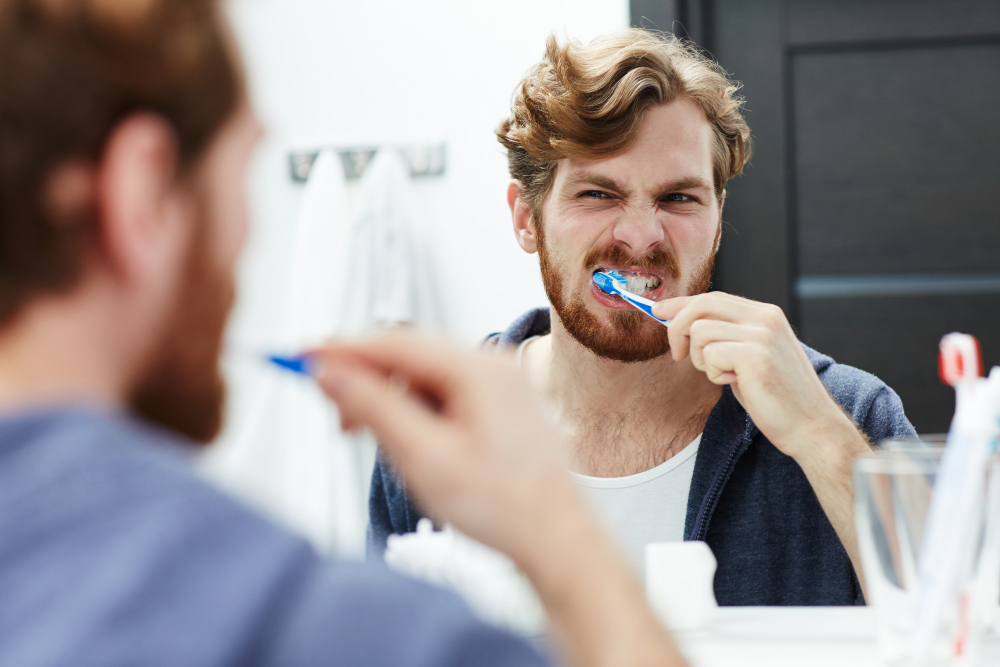
Keeping your teeth clean is something everyone knows is important. But sometimes people rush or do it the wrong way. At Walsh Dental, we see many people who think brushing is easy. But brushing well is more than just moving a brush around. If you do it right, it keeps your teeth healthy, your gums happy, and your smile looking nice for a long time. Here are 10 simple toothbrushing tips from a dentist in Burnside. They are easy to follow and remember. 1. Choose the Right Toothbrush This might sound simple, but many people use the wrong toothbrush. Soft-bristled brushes are best. They clean teeth well without hurting your gums or enamel. Hard bristles can feel like they clean better, but they can damage enamel over time. Size also matters. Your brush should fit in your mouth so you can reach every tooth. The back teeth are often missed. Electric toothbrushes are a good choice too. They make brushing easier and work well if you rush. Some electric brushes have timers. These help you brush long enough. Many people forget to brush for enough time. 2. Use the Right Toothpaste Toothpaste is not all the same. Fluoride toothpaste is very important. It makes enamel stronger and helps stop cavities. There are types for sensitive teeth, whitening, or gum health. The main thing is to have fluoride. You do not need much toothpaste. A pea-sized amount is enough. Just cover the bristles and you are good. 3. Brush at Least Twice a Day Most people know they should brush twice a day. But life is busy and it can be missed. Brushing once in the morning and once at night is best. Night brushing is very important. It removes food and plaque from the day. If you skip it, bacteria can stay on your teeth overnight. This can cause cavities and gum problems. Some people brush after meals. This can be okay. But wait about 30 minutes after eating. This is important if you ate something acidic like soda or citrus. Brushing too soon can damage enamel that is soft from acid. 4. Take Your Time Rushing is a big mistake. Many people brush for 30 seconds or less. That is not enough. You should spend about two minutes brushing. Divide your mouth into four parts. Brush each part for about 30 seconds. Slow brushing works better than fast scrubbing. It also helps protect your gums. 5. Focus on Technique How you brush is more important than how hard. Use gentle circular movements. Do not scrub back and forth too hard. Brush the front, back, and top of each tooth. Gums are important too. Brush gently along the gum line to remove plaque. The inside of front teeth is often missed. Tilt your brush vertically and use small up-and-down strokes. This cleans those spots well. 6. Do Not Forget Your Tongue Your tongue has bacteria too. It can cause bad breath and plaque. Brushing your tongue or using a scraper helps. Many people skip this. But it makes a big difference. A quick brush of the tongue after teeth brushing can keep your mouth fresh. It also helps stop bacteria from spreading. 7. Replace Your Toothbrush Often Even the best brush wears out. Most dentists, including Walsh Dental, say to change your toothbrush every three or four months. Worn bristles do not clean well. Using an old brush is almost like not brushing. Watch your brush and change it on time. Travel toothbrushes or extra brushes are helpful. Especially if you travel or forget your main brush. Make sure these are replaced regularly too. 8. Do Not Skip Flossing Brushing cannot reach all the spaces between teeth. Flossing is very important. It removes food and plaque stuck in tight spots. You can floss before or after brushing. Do it gently. Snapping floss can hurt your gums. If regular floss is hard, try floss picks or water flossers. They help stop gum disease and cavities in places brushes cannot reach. 9. Watch Your Diet Brushing is important. But what you eat also matters a lot. Sugary snacks and drinks feed bacteria. Bacteria make acid that can cause cavities. If you snack a lot, rinse your mouth with water or chew sugar-free gum. This reduces acid. Fruits, vegetables, and dairy can help clean teeth naturally. They also strengthen enamel. Eating a balanced diet is very good for your smile. 10. See Your Dentist Regularly Even if you brush perfectly, check-ups are important. A dentist in Burnside can find problems early. They can clean areas you might miss. They also give advice for your teeth and gums. At Walsh Dental, we like seeing patients often. This keeps small issues from becoming big problems. Check-ups include cleaning, exams, and sometimes X-rays. Brushing is only part of the story. Dentist visits make sure your routine works. They keep teeth strong and healthy. Do not wait for pain. Prevention is better than treatment. Extra Tips Some small habits help a lot. Drink water after meals. Avoid smoking. Limit sticky or hard foods. Using mouthwash can reduce bacteria. But it is not a replacement for brushing and flossing. Kids need help learning to brush well. Watch them until they learn the right way. Good habits early make a big difference for life. Adults should notice changes like bleeding gums or sensitivity. Fixing problems early prevents bigger issues later. Brushing is not just to keep teeth white. It keeps your whole mouth healthy. With good habits, the right toothbrush and toothpaste, and regular check-ups, your smile stays strong. Walsh Dental makes it easy to understand these steps. Families can follow them to keep teeth and gums healthy. Good oral care is simple. Do not rush. Be consistent. Teeth and gums will thank you. You will have fresh breath, less sensitivity, and fewer dental problems. Even a few minutes of proper care each day can prevent big issues later. Brushing is a small part of your day. But
How to Prepare for Your Dental Check-Up: Tips from the Best Dentist in Adelaide
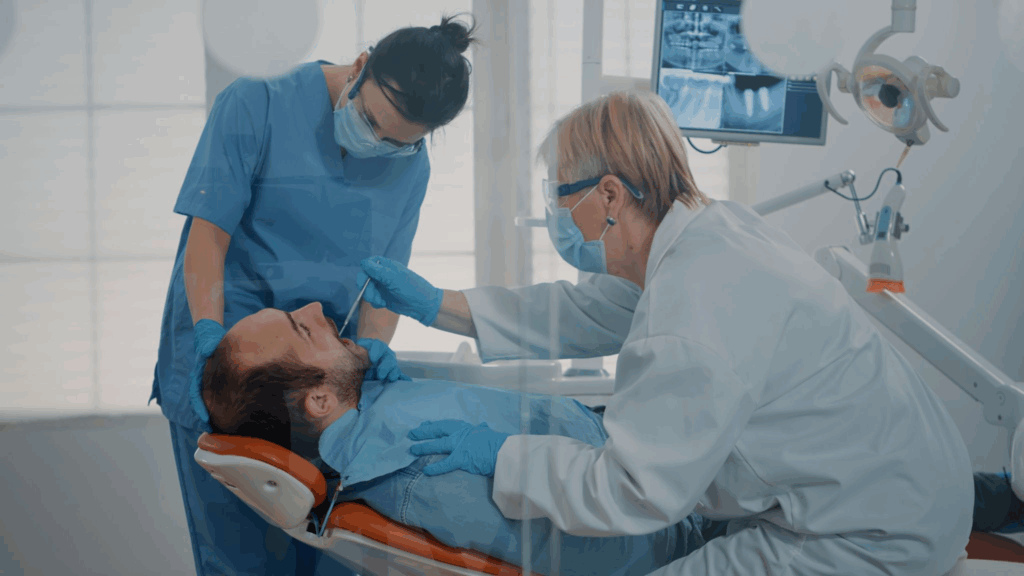
How to Get Ready for a Dental Check-Up—Real Tips from the Best Dentist in Adelaide Let’s be honest—a lot of people feel nervous before going to the dentist. You’re not alone. Even if nothing hurts, just thinking about sitting in that chair can make your stomach turn. But here’s the truth: a dental check-up doesn’t have to feel scary or stressful. It can actually be quick, calm, and helpful—if you’re prepared the right way.If you’re looking for the best dentist in Adelaide, especially around places like Burnside or Stonyfell, there’s a lovely spot called Walsh Dental. They’re known for being gentle and kind. They don’t rush, they explain things in simple words, and they truly care. Now, if you’re wondering what to do before your check-up, let’s go through it together. No fancy talk. Just real, easy tips. 1. First—Understand Why You’re Going You’re not going just because something’s wrong. A dental check-up is like a routine check for your teeth—just to make sure everything’s okay. Even if your mouth feels fine, there might be small issues you can’t see. Catching problems early means less pain later. It’s like taking your car in before it breaks down. Smart, right? 2. Clean Your Teeth (But Be Gentle) Before your visit, go ahead and brush your teeth. Give them a light clean. Maybe floss too. But don’t scrub like crazy thinking it’ll impress the dentist. That might actually hurt your gums. Just do what you normally do—neat and simple. And don’t panic if you forget. Dentists understand. They’ve seen it all. 3. Got Questions? Jot Them Down Ever walk out of the dentist and then remember something you wanted to ask? Yup, we’ve all been there. Before your appointment, write down: Any tooth pain or gum soreness Bleeding when brushing Bad breath that’s not going away Clicking in your jaw Questions about brushing, food, or anything else You can write it in a notebook or on your phone. And yes—every question matters. The team at Walsh Dental listens and explains without rushing. 4. Talk About Your Health Your mouth is part of your body—and everything’s connected. So, let your dentist know if: You’re on medication You’re pregnant You have diabetes or heart issues You feel nervous or scared They’re not just checking your teeth—they’re looking out for your full well-being. At Walsh Dental, they’re good at this. They speak kindly and listen without making you feel small. 5. Skip Eating Right Before Try not to eat a big meal right before your appointment. It’s better for you and easier for them. If you do eat, rinse your mouth or brush lightly. And maybe avoid foods that leave a strong smell (like garlic or coffee).You want to feel fresh when you sit back in that chair. 6. Get There a Little Early If your appointment’s at 10, try to reach by 9:45. That way, you’re not rushing. You can fill any forms, have a seat, and take a few deep breaths. Feeling nervous? Totally normal. Listen to music, take slow breaths, or bring a friend if it helps. The space at Walsh Dental is calm and peaceful. Most people say their nerves go away once they step inside. 7. Bring a Friend or Family Member Feeling shy or uneasy? No problem. Bring someone along. Whether it’s your partner, a friend, or your child, having a familiar face nearby can really help. Little kids and older folks especially feel safer with someone they trust beside them. 8. What Happens During the Visit? Here’s the usual: They check your teeth and gums—looking for holes, loose teeth, gum swelling, and more. Maybe an X-ray—it’s fast, safe, and helps see under the surface. Cleaning—they’ll remove tartar, polish your teeth, and leave you with that clean-mouth feeling. Advice—they’ll tell you what’s going well and what needs work. Simple. Not scary. No surprise pokes or pain. 9. After the Check-Up, Do What They Suggest Once it’s done, your dentist might say: Try brushing a little differently Use a softer toothbrush Get a small filling done Come back in 6 months If you don’t understand something, ask again. They’ll explain. At Walsh Dental, they’re patient and use simple words so you don’t leave confused. 10. Be Proud of Yourself You went. You showed up. You took care of your health. That’s a big deal. Not everyone does that. Many people avoid the dentist for years. But you made time for your teeth—and that’s something to feel proud of.Healthy teeth help you eat, talk, smile, and live better. You’re doing the right thing. Quick Recap (Easy to Remember) Understand why you’re going Clean your teeth gently Write down any questions Share your health info Don’t eat right before Arrive early and stay calm Bring someone along if needed Know what to expect during the visit Follow advice afterward Feel good about caring for yourself Why So Many People Trust Walsh Dental Some clinics feel cold. Some feel rushed. But Walsh Dental is warm, family-run, and built on kindness. They’ve been in Burnside for over 20 years, helping people from nearby suburbs like Erindale, Beaumont, Linden Park, Hazelwood Park, and Stonyfell. What makes them different? They explain things slowly and clearly They treat every patient with care They welcome kids, adults, and seniors They have easy parking out the back They actually listen to what you say If you’re looking for a place where you won’t feel judged or scared, they’re a great choice. A Final Word Taking care of your teeth is part of taking care of your whole self. It doesn’t need to be fancy or stressful. Next time your check-up is coming up, try these tips. Go somewhere that treats you like a person, not just a patient. Walsh Dental in Adelaide is one of those rare places. Contact us today and feel the difference for yourself—gentle care, clear answers, and a team that truly wants the best for you.
How to Help Your Child Develop Healthy Dental Habits

Taking care of your child’s teeth might sound scary at first, but don’t worry—it’s not hard. You don’t need to be a dentist. You just need a little bit of time, some patience, and a lot of love. At Walsh Dental, we meet many parents who ask things like, “When should I start brushing my baby’s teeth?” or “How do I stop my child from eating too many sweets?” Let’s begin with the first step. 1. Clean Even Before Teeth Come In You can begin cleaning your baby’s mouth before they get teeth. After feeding, take a clean, soft cloth, wrap it around your finger, and gently wipe their gums. That’s it. Nothing fancy. Just wipe. This helps keep their mouth clean and also gets them used to the idea that cleaning is a part of life. 2. First Tooth? Time for a Tiny Brush When the first little tooth shows up (usually around 6 months), it’s time to bring in a baby toothbrush. Select one with a tiny head and gentle bristles. Just water, no toothpaste yet. A small amount of toothpaste can be used once your child is one year old. Just a dot. Like a grain of rice. Nothing more. 3. Brushing Should Be Fun—Not a Fight Most kids don’t like brushing in the beginning. That’s normal. Don’t make it feel like a job. Make it a game. Let them choose the toothbrush they want, maybe one with a cartoon on it. Play music while brushing. Dance a little. Sing a silly brushing song. Or make up a story: “Let’s chase the sugar bugs away!” And yes—brush together. Kids love copying parents. 4. Show Them How, Step by Step Don’t expect your child to know how to brush correctly. They need to learn from you. Stand with them in front of a mirror. When brushing, teach them to utilize small circles. Say anything like. “Let’s clean the front teeth first.” At first, you’ll be the one brushing. Later, they’ll start doing it by themselves. 5. Two Times a Day, Every Day Morning and night. No skipping—not even when you’re tired. Try adding brushing to their daily routine: Morning: Wake up → brush teeth → breakfast Night: Dinner → story → brush teeth → sleep Kids like routines. If brushing becomes part of “what we do every day,” there’ll be less fuss. 6. Cut Down the Sugar (But Don’t Panic) Yes, children love sweets. It’s okay. Saying “no” to every treat is not necessary. Just watch how much and how often. Here’s what helps: 7. First Dentist Visit? Go Early Many parents think they should wait until their child is older before seeing a dentist. But it’s better to go early—around age 1 or when the first tooth shows up. Why? 8. Be a Good Example Your child watches everything you do. If you brush your teeth and smile while doing it, they will copy you. If you floss, they’ll want to try it too. If your child brushes for 30 seconds, praise them. So, don’t just tell them to brush—show them. Say things like: 9. Praise Goes a Long Way Want to take it further? Make a brushing chart. Every time they brush, they get a star. After 7 stars, they can get a small reward—a sticker, a story, or a little surprise. Not candy! Kids love feeling proud. 10. Use Toys or Stories to Help Turn brushing into a game. Say things like: Make up silly voices. Let their favorite toy “talk” about brushing. It becomes easier the more joyful you make it. 11. Don’t Scare Them Never say things like Instead, say: 12. When to Start Flossing When your child’s teeth start touching each other (usually after age 2), you can start flossing. Don’t worry if it’s hard at first. Use soft, colorful flossers made for kids. Floss for them gently. Later, they’ll try it themselves. One step at a time. No rush. 13. Play Sports? Get a Mouthguard If your child plays football, cricket, or any sport where there’s risk of falling or bumping into others—ask your dentist about a mouthguard. It’s like a helmet for teeth. It can save your child from injury. 14. No Smoking Around Kids Even if your child doesn’t smoke (of course!), breathing in smoke from adults nearby can harm their dental health. Try to keep smoking far from kids. Their growing bodies and teeth are very sensitive. 15. Teens Need Reminders Too Just because your child is older doesn’t mean they stop needing you. Teenagers sometimes forget to brush or think they’re too busy. Keep reminding them—gently. You can say: Look, parenting is not easy. You have so much to do already. And sometimes, your child might cry, refuse to brush, or make a mess. That’s normal. Just keep trying. Every little effort adds up. A clean, healthy mouth means fewer problems later. No pain, no fear, and a big, happy smile. And remember—if you ever feel unsure or just need someone to guide you and your child through it, Walsh Dental is here. We love helping families and have years of experience in children dentistry, making dental visits simple and fun for kids.Call us today to book an appointment. Let’s keep those little teeth strong, shiny, and smiling—together.
Best Ways to Prevent Tooth Decay and Cavities
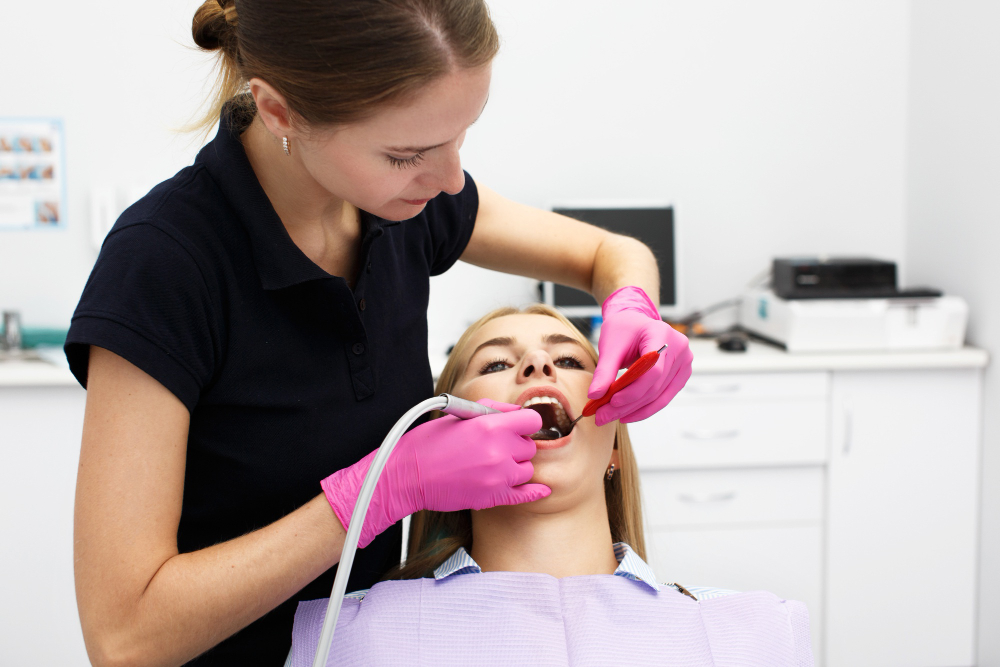
Tooth decay and cavities are problems that many people have. They are very common. Children get them. Adults get them. Even older people get them. But the good part is that you can stop them. You do not need to wait until you feel pain or see a hole in your tooth. You can take care of your teeth every day and avoid problems before they even start. At Walsh Dental, we see many people who wish they had done something sooner. They often ask how they can stop tooth decay from coming back. So we want to help you understand how easy it is to keep your teeth strong and healthy. What causes tooth decay? Tooth decay happens when the outer part of your tooth starts to break. This outer layer is called enamel. It is very strong but it can still get weak if you do not take care of it. When you eat food, especially sugary food, small germs in your mouth eat the sugar too. These germs make acid. That acid attacks the enamel. If this happens again and again, the enamel gets weaker. Soon a small hole forms. That is called a cavity. You can stop this from happening. You just need to know what helps your teeth and what hurts them. And you have to follow simple habits every day. Let us talk about the best ways to do that. Brush your teeth every day One of the most important things you can do is brush your teeth. You should do it two times every day. Once in the morning and once before you go to bed. Brushing helps remove bits of food and germs. Use a toothbrush with soft bristles. Use toothpaste with fluoride in it. Fluoride is very good for your teeth. It helps make your enamel stronger. Take your time when you brush. Do not do it too fast. Move the brush in small circles. Make sure you brush the front, back and top of every tooth. Also brush your tongue. Germs live there too. Try to brush for two full minutes each time. Flossing is just as important Flossing is just as important as brushing. A toothbrush cannot clean between your teeth. But food gets stuck there too. Flossing helps remove it. You can floss once every day. It is better to do it at night before you go to sleep. That way your mouth is clean while you rest. If you find it hard to use normal floss, you can use floss sticks. They are easy to hold and work well. Watch what you eat and drink The food you eat matters a lot. Sugary snacks and drinks can hurt your teeth. Candy, cookies, soda and even fruit juice have a lot of sugar. Sticky sweets are worse because they stay on your teeth longer. When germs eat this sugar, they make acid. That acid is what causes the decay. Try not to eat sweet snacks all day. If you want to have something sweet, eat it during a meal. Drink water after. That will help wash the sugar away. Water is the best drink for your teeth. It keeps your mouth clean and helps make more spit. Spit is very important. It helps fight germs and keeps your mouth healthy. Some foods help your teeth. Foods with calcium like milk, yogurt and cheese are good. They help your teeth stay strong. Crunchy fruits and vegetables like apples and carrots are also good. They clean your teeth while you chew them. Nuts, eggs and green vegetables help too. Eating a mix of healthy foods is great for your whole body and also your teeth. Go to the dentist often Seeing your dentist is also very important. You should go two times a year. Even if your teeth feel fine, a dentist can find small problems early. They can clean your teeth better than brushing at home. They can tell you what your teeth need. If you are looking for a dentist near Burnside, it is a good idea to find someone who makes you feel relaxed. A kind and gentle dentist can help you take care of your teeth without fear. Going for regular visits means you can avoid big problems later. Sealants can help protect your teeth Sometimes your dentist may suggest something called sealants. These are thin layers that go on the back teeth. They cover the deep parts of the teeth where food likes to hide. Sealants help keep germs and food out. They are safe and do not hurt. Many children get them but adults can get them too. Be careful with your drinks You also need to be careful with the drinks you choose. Many drinks that look healthy are not so good for teeth. Fruit juices, flavored waters and sports drinks often have sugar and acid. These can wear away the enamel. If you do drink them, use a straw and do not sip them all day. Drink them in one go and rinse your mouth with water after. Dry mouth can be a problem Some people have dry mouth. That means their mouth does not make enough spit. This can be a problem because spit helps clean your teeth. If you often feel like your mouth is dry, drink more water. Chew sugar free gum to make more spit. If that does not help, talk to your dentist. They can help you find ways to fix it. Start good habits early with kids If you have children, it is very important to help them build good habits early. Teach them how to brush and floss. Make it fun. Use a timer or play a short song while they brush. Give small rewards for brushing every day. Taking care of baby teeth is important too. They help children speak clearly and chew their food well. Look out for signs of problems Watch for signs that something may be wrong. If
Why Is It Important to Replace Missing Teeth?

It is possible that tooth loss may not feel like such a big deal at first. You might think to yourself, “It’s only one tooth, I can still eat and talk, what’s the big deal?” But when you lose a tooth and you don’t replace it, all these little issues begin to accumulate. They don’t appear immediately, but they get progressively worse and worse. And then increasingly difficult and costly to repair. Which is why it’s so important to know what actually occurs when a tooth is lost and why its replacement is a healthy and intelligent decision. At Walsh Dental, we meet numerous patients who have lost a tooth due to injury, decay, or gum disease. Some individuals go for years before coming to see us, not knowing how one missing tooth affects their whole mouth. Teeth Are Like a Team When you lose a tooth, the first thing that changes is how your other teeth behave. Teeth are like a team. They stand next to each other and help each other stay in place. When one tooth is gone, the teeth around it start to lean or move into the empty space. This makes them crooked. Your bite, which is how your teeth fit together when you close your mouth, also changes. It might become uneven. Some teeth may start to wear down because they are getting more pressure than they should. This can even lead to jaw pain. Chewing Becomes Harder Another thing that happens is your chewing changes. Even if the missing tooth is in the back and no one can see it, that tooth still had a job. It helped chew your food. When it is not there anymore, the rest of your teeth have to do more work. You may start chewing on one side of your mouth more than the other. Over time, this can make those teeth feel sore. It can also make it harder for you to enjoy certain foods like apples, nuts, or meat. Some people begin to avoid these foods, and that means their diet becomes limited. Not chewing food well can also hurt your digestion. If food is not broken down properly in your mouth, your stomach has to work harder. You may start feeling bloated or uncomfortable after meals. So even though it may not seem like a big problem at first, one missing tooth can affect the way your whole body feels. Speaking Becomes Difficult Teeth also assist you in speaking. We operate our tongue, lips, and teeth together when we speak. Without a tooth, particularly one in the front, it makes certain words more difficult to pronounce. You might hear a slight whistle or lisp when you speak. Some individuals feel embarrassed about this and halt speaking as freely as they once did. They might refuse to speak in groups or refrain from smiling in pictures. This impacts your confidence and self-esteem. Your Jawbone Can Shrink Now let us talk about something people do not always know. Your tooth is attached to your jawbone by its root. That root is what sends signals to your bone that maintain its strength. Once the tooth is lost, those signals cease. Consequently, the bone in that area begins to contract. This is referred to as bone loss. It is not something you will notice, and it is a slow process, but eventually it can alter the structure of your face. Your cheeks may appear sunken or your jawline less firm.That makes you appear older than your age. Bone loss also complicates replacing the tooth later. If there is not sufficient bone, it may not be possible to put in a dental implant without additional treatment. That is why dentists frequently recommend it is best to replace a missing tooth early One Missing Tooth Can Lead to More Some people think they can get by with one less tooth. But the truth is, when one tooth goes missing, it often leads to others falling out later. The nearby teeth become weak or start to tilt. Your gums in that area may become more sensitive or infected. This turns a small problem into a bigger one. So if you replace a missing tooth early, you are actually protecting your other teeth too. Your Smile and Confidence Matter There is also the emotional part. Our smile is a big part of how we connect with others. If you are missing a tooth, especially in the front, you may stop smiling or cover your mouth when you laugh. This can affect your confidence and mood. You might stop going to social events or avoid meeting new people. Fixing a missing tooth can help you feel like yourself again. It brings back your natural smile and helps you speak, eat, and laugh without worry. Good Replacement Options Are Available Today, there are many good ways to replace a missing tooth. Some people choose dental implants. These are small posts placed in the jaw that act like a new root. A crown is then placed on top to look and feel like a real tooth. Others choose a bridge, which is held in place by the teeth next to the gap. Some people may use partial dentures that can be removed. A good Dentist in Burnside can help you decide which option is best for you. The important thing is not to wait too long. Replacing a Tooth Saves Money Later Replacing a tooth also helps you save money in the long run. If you leave the space empty, more problems can come up. You may need more dental work later, like root canals, gum treatments, or even more replacements. Fixing the problem early often means less pain, less cost, and less time spent at the dentist. It is like fixing a small crack before it becomes a big hole. Is It Painful to Replace a Tooth? Many people ask us if replacing a missing tooth is painful. The good news
Foods That Help Strengthen Your Teeth and Gums
We all love having strong teeth and healthy gums. That helps us smile without worry, chew food easily, and talk clearly. Most of us know how important brushing and flossing are, but there is something else that matters just as much. That is the food we eat every day. What we eat can either make our teeth stronger or weaker. At Walsh Dental, we always tell people that good dental health is not just about using a toothbrush. It is also about what goes into your mouth during breakfast, lunch, dinner, and snacks. Let us now talk about the simple foods that help make your teeth and gums stronger. You do not need any special diet. Most of these foods are things you might already have at home. When you include them in your meals, your teeth and gums get stronger and healthier over time. Why Does Food Matter for Your Mouth Your teeth are made from minerals like calcium and phosphorus. Your gums are made from soft tissue that also needs vitamins like vitamin C to stay firm and pink. If you do not get enough of these nutrients in your food, your teeth may get weak, and your gums may bleed or swell. The good news is that many normal foods can give your mouth the strength it needs. Eating healthy food is like giving your teeth and gums protection from the inside. It is not just about avoiding candy. It is about adding the right fruits, vegetables, and drinks to your day. Milk, Cheese, and Yogurt for Stronger Teeth Milk is one of the best drinks for your teeth. It has calcium, which helps build and protect tooth enamel. Enamel is the outer layer of your teeth, and it is what keeps them safe from cavities. Cheese and yogurt are also full of calcium and protein. These help repair your teeth and also make your mouth produce more saliva. Saliva is important because it cleans your mouth and washes away bits of food and germs. Yogurt has good bacteria too. These friendly bacteria help keep away the bad ones that cause tooth decay. If you do not drink milk, you can still get these benefits from soy milk or almond milk, as long as they have added calcium and are not sweetened. Crunchy Fruits and Vegetables That Clean Your Teeth Fruits and vegetables that are crunchy are great for your teeth. Apples, carrots, and celery are especially helpful. When you chew them, they clean your teeth and help remove food stuck between them. These crunchy foods also make you chew more, which helps make more saliva. This saliva protects your teeth from acid and helps clean away harmful germs. Carrots and celery have lots of water and fiber. These help keep your teeth clean naturally. Pears are also helpful because they do not have much acid and are full of water, which is good for your mouth. Leafy Greens for Healthy Gums Leafy greens like spinach, kale, and lettuce are full of vitamins and minerals that help your mouth. They have calcium, which keeps teeth strong, and vitamin C, which keeps gums healthy. These greens also have fiber, which is good for your digestion and helps make more saliva. You do not have to eat a bowl of salad to get the benefits. You can add spinach to your sandwich or blend kale into a smoothie. These small additions still help. At our Dentist in Burnside clinic, we often tell families to start by adding a handful of greens to dinner a few times a week. That small step makes a big difference over time. Nuts and Seeds Are Small but Powerful Nuts like almonds, walnuts, and cashews are great for your teeth. Seeds like sunflower seeds and sesame seeds also help. These foods are packed with healthy fats, calcium, and magnesium. They protect the enamel on your teeth and give your gums what they need to stay healthy. Chewing nuts also helps your mouth make more saliva. That is important for washing away food and keeping your mouth fresh. Try to choose plain, unsalted nuts. If you do not like chewing nuts, you can crush them and sprinkle them on top of your yogurt or salad. Fish and Eggs Give You Vitamin D Fish like salmon and sardines are full of vitamin D. Eggs are also a good source. Vitamin D is important because it helps your body take in calcium from your food. Without vitamin D, even if you eat a lot of calcium, your body cannot use it well. Vitamin D also helps reduce swelling in your gums and keeps your teeth strong. Getting sunlight also gives your body vitamin D. Just a little time outdoors each day can make a big difference. We always encourage people to enjoy fresh air and sunshine whenever possible. Green Tea Helps Fight Bacteria Green tea is a healthy drink that protects your teeth and gums. It has natural ingredients that kill harmful bacteria in your mouth. Drinking green tea helps reduce plaque and keeps your gums from getting sore or swollen. It also helps with bad breath. If you drink green tea, try to avoid adding sugar. Even one unsweetened cup a day can help your mouth feel cleaner. At our Dentist in Burnside location, some patients have told us they felt better after switching from soda to green tea. They noticed fewer cavities and a fresher mouth overall. Fruits with Vitamin C Help Your Gums Oranges, kiwis, strawberries, and even bell peppers are all good sources of vitamin C. This vitamin helps keep your gums strong and healthy. It also helps your mouth heal faster if your gums are sore or bleeding. Some of these fruits have acid in them, so it is best to eat them during a meal and rinse your mouth with water afterward. That way you get the good benefits without hurting your enamel. Water Is the Best Drink
Dental Care in Adelaide: The Role of Diet in Oral Health

Maintaining a healthy smile is about more than just regular brushing and flossing;it also depends heavily on what you eat. If you are looking for reliable Dental Care in Adelaide, it is important to understand how your daily food choices directly affect your teeth and gums. At Walsh Dental, we believe that good nutrition is just as important as your checkups for keeping your smile strong and pain-free. Your daily habits can either protect your teeth or lead to early decay. Whether you’re snacking on a crunchy apple that helps clean your teeth or sipping a sugary soft drink that can wear down enamel, your diet plays a major role in your dental well-being. This guide explores how nutrition impacts your mouth and offers simple tips to help you make smarter food choices that support your professional Dental Care in Adelaide. Understanding the Link Between Diet and Oral Health Your oral cavity serves as the primary gateway to your overall health, meaning every nutritional choice significantly impacts the condition of your teeth and gums. While poor dietary habits can accelerate tooth decay, gingivitis, and enamel wear, a diet rich in essential minerals helps fortify tooth structure and combat localized inflammation. The substances you consume dictate the microbial balance within your mouth. Specifically, refined sugars and fermentable carbohydrates act as fuel for acid-producing bacteria, which systematically dissolve protective enamel. Without intervention, this chemical process leads to dental caries, increased sensitivity, and advanced gum disease. The Top Offenders: Identifying Foods That Compromise Oral Health Not all dietary choices are beneficial for your teeth. Certain foods and beverages can have a damaging effect, particularly when consumed frequently or without a consistent hygiene routine. As specialists in Dental Care in Adelaide, we recommend being mindful of these common culprits: 1. High-Sugar Snacks and Beverages: Chocolates, pastries, and soft drinks are loaded with sugars that interact with oral bacteria to create enamel-eroding acids. Regular consumption significantly elevates your risk of developing dental caries. 2. Acidic Consumables: Citrus fruits, vinegar-heavy dressings, and carbonated drinks can chemically soften and wear down tooth enamel. While nutritious, these should be balanced to prevent long-term surface loss. 3. Sticky and Chewy Foods: Dried fruits and caramels tend to lodge in the grooves of your teeth. Because they are difficult for saliva to rinse away, they provide a lingering food source for acid-producing bacteria. 4. Refined Carbohydrates: Items like white bread and crackers break down into simple sugars almost immediately, fueling the same harmful bacteria responsible for tooth decay. The Tooth-Friendly Diet: Nutritional Building Blocks for a Healthy Smile Fortunately, many delicious foods actively promote a resilient smile. A balanced diet rich in specific nutrients can reinforce enamel, support gum health, and lower cavity risks. 1. Calcium-Dense Dairy: Cheese, milk, and plain yogurt are vital for enamel remineralization. Cheese, in particular, helps neutralize mouth acids after a meal. 2. Fibrous Fruits and Vegetables: Raw apples, carrots, and celery function as “natural toothbrushes.” Their crunchy texture stimulates saliva flow, which is your body’s primary defense against plaque. 3. Nutrient-Rich Leafy Greens: Kale and spinach provide essential folic acid and calcium, supporting both the bone structure around your teeth and healthy gum tissue. 4. Essential Nuts and Seeds: These are excellent sources of phosphorus and magnesium, minerals that are fundamental to maintaining high bone density and strong teeth. 5. Polyphenol-Rich Teas: Unsweetened green and black teas contain compounds that can suppress the growth of bacteria linked to cavities and gum disease. The Essential Role of Hydration Water is the most effective tool for maintaining oral hygiene throughout the day. Drinking fluoridated tap water helps mechanically rinse away debris while providing the minerals needed to repair early enamel damage. Furthermore, staying hydrated ensures adequate saliva production which naturally neutralizes acids and protects your mouth. For those prioritizing Dental Care in Adelaide, simply swapping one sugary drink a day for water can lead to measurable improvements in your oral health. Practical Habits for Optimal Oral Hygiene Improving your dental health doesn’t require a total dietary overhaul; it’s about making smarter, more mindful choices: Reduce Snacking Frequency: Frequent grazing keeps your teeth in a constant state of acid attack. Aim for defined meal times to give your enamel time to recover. Strategic Food Pairing: If you consume something acidic, follow it with a neutralizing food, like a small piece of cheese or a handful of nuts. Utilize Sugar-Free Gum: Chewing gum can boost saliva flow and help clear food particles after eating. Use a Straw: This simple step reduces the direct contact between sugary or acidic liquids and your tooth surfaces. Conclude Meals Wisely: Ending your meal with a crunchy vegetable or water helps cleanse the mouth naturally. Why Dietary Consultations are Part of Professional Dental Care? Quality Dental Care in Adelaide involves more than just clinical procedures; it includes personalized education. At Walsh Dental, we take the time to discuss your unique dietary habits during routine check-ups. Whether you have specific restrictions or a fondness for certain snacks, we provide realistic, non-judgmental advice to help you protect your smile. A brief conversation about your lifestyle can lead to practical strategies that prevent future dental issues. Supporting the Next Generation: Children and Teens Developing teeth are particularly susceptible to decay, making early nutritional education vital. Our team works closely with parents to ensure children receive the right nutrients while minimizing the impact of hidden sugars found in many processed snacks. By establishing these healthy habits now, you are setting the foundation for a lifetime of confident, healthy smiles. Final Thoughts Good oral health starts at home—with your toothbrush, floss, and yes, your plate. A balanced, tooth-friendly diet can be just as crucial as your dental routine and regular visits to the clinic. Small changes in what you eat can lead to big improvements in your dental health over time. By becoming more mindful of your food choices and working closely with a knowledgeable dentist in Adelaide, you can protect your smile for years to come.