
Invisalign: Your Path to a Perfect Smile—Before and After Transformations

A beautiful straight and pretty smile can be a life-changer. In life, in the workplace, or simply by gazing in the mirror, a pretty smile provides a confidence boost. For most, however, concerns of dental alignment like overcrowding, spaces, or bites are the turn-off. Traditional metal braces have been the standard procedure, but at the expense of aesthetics and comfort as well. That is where Invisalign revolutionized the art of orthodontics. What is Invisalign? Invisalign is a cutting-edge orthodontic system that uses transparent, removable aligners to straighten teeth rather than metal braces. The aligners are custom-made for every patient and move the teeth incrementally into their ideal positions. With metal braces, Invisalign aligners are nearly invisible, a subtle way to have a perfect smile. Treatment is dependent on advanced 3D imaging technology, which is utilized to produce a full treatment plan. The patients change to a new aligner every one or two weeks and wear each for 20 to 22 hours per day. The teeth are gradually moved into their final position by the aligners. Why Invisalign Over Metal Braces While Invisalign and braces are both doing the same thing—straightening teeth to a healthier, more gorgeous smile—there are several reasons why most individuals choose Invisalign: Transformations Before and After: Real Results with Invisalign The greatest proof of success with Invisalign is on before-and-after photographs. Invisalign is able to correct a variety of dental issues, such as: Case Study 1: Correction of Overcrowding Before: A patient presented with a moderate type of overcrowding, and she was experiencing difficulty in having good oral hygiene due to the overcrowding of the teeth. Plaque deposition put her at increased risk of cavities and gum disease. After: After 12 months of treatment with Invisalign, the teeth were well aligned and gave more room for easy brushing and an even better smile. There was improved oral health and increased confidence on the part of the patient. Case Study 2: Closing Spaces Between Teeth Before: There was a patient with big spaces between the front upper teeth, not only affecting the aesthetic perception of the smile but also gum sensitivity and easy chewing of food. After: At 10 months of Invisalign, the spaces closed completely, giving an even and natural smile. The patient could bite and chew more efficiently and felt better about their appearance. Case Study 3: Overbite Correction Before: One patient had an overbite in which the upper front teeth were overlapping significantly lower teeth. It was causing jaw pain, uneven tooth wear, and distress about their smile. After: Following treatment for more than 18 months, Invisalign corrected the overbite, aligning the upper and lower teeth properly. The patient experienced less jaw pain, improved functioning, and a more evenly shaped smile. The Invisalign Treatment Process If you’re considering Invisalign, the treatment follows a structured process: Choosing the Right Invisalign Provider Selecting a qualified dentist is the best way to realize successful Invisalign treatment. Seeking Invisalign in Burnside, Walsh Dental is an ideal choice that boasts a solid reputation for delivering quality, personalized orthodontic treatment. Walsh Dental patients are treated to: In addition, when looking for Burnside dentistry, the experts at Walsh Dental provide a wide range of treatment, so your teeth are in optimal hands. Conclusion: Is Invisalign Right for You? Invisalign is a cutting-edge orthodontic treatment that provides a pain-free, invisible, and successful means of obtaining the smile of your dreams. With before-and-after photo results for themselves, Invisalign remains one of the finest solutions for individuals who need a healthy, confident smile. If you need Burnside dental care, a visit to Walsh Dental for consultation will allow you to determine whether Invisalign is the right fit for you. Dr. Thadsha and team offer expert advice and treatment options to help you achieve the best outcome. A personalized consultation can lead you to a dazzling transformation. Ready to get your dream smile? Schedule an appointment today with Dr. Thadsha at Walsh Dental and be the confident best version of you!
Enhance Your Confidence with Professional Whitening Treatment from a Skilled Dentist in Leabrook
A shiny, white smile tends to go with confidence, success, and good first impressions. But routine behaviors such as the consumption of coffee, tea, or red wine, smoking, and even the natural process of aging can lead to yellowed, dull, or stained teeth. Professional whitening of the teeth is the best remedy if you find yourself covering up your smile for the camera or blushing at parties. Unlike over-the-counter whitening products, professional whitening treatment is safe, very effective, and lasts much longer. Looking for a dependable dentist in Leabrook? Dr. Thadsha at Walsh Dental provides the best whitening treatments customized to you. Keep reading to find out how professional whitening can boost your self-confidence and how expert care does make a difference. Why Teeth Whitening Does Matter Your smile is also one of the first things that anyone ever notices when they meet you. A whiter smile can: Professional teeth whitening is not just about looks; it is about looking and feeling great in every area of life. Why Do Teeth Stain or Yellow? There are a number of reasons why teeth stain or turn yellow over time, such as: 1. Food and Drinks Rich foods and drinks like coffee, tea, red wine, berries, and tomato sauces have pigments that are left behind in your enamel, causing stains. 2. Smoking Smoking or chewing tobacco puts your teeth in contact with tar and nicotine, which deposit hard yellow and brown stains that cannot be eliminated by brushing. 3. Aging As you get older, the outer layer of enamel erodes and the yellow dentin underneath is exposed. It is a natural phenomenon that can cause tooth discoloration as you get older. 4. Lack of Oral Hygiene Lack of brushing, flossing, and dental cleaning leaves room for stains and plaque to develop, blunting your smile. 5. Medications Teeth discoloration is a rare side effect of antibiotics, antihistamines, and certain blood pressure medications. 6. Genetics Your own tooth color also is influenced by genetics to a certain degree, so of course there are individuals who have whiter enamel than you. Knowing the reason behind your discoloration determines the most effective whitening technique for your teeth. Why professional whitening vs. at-home kits? There are whitening products galore on drugstore shelves, making it tempting to use an at-home kit. But professional teeth whitening has many benefits over store-bought kits: 1. More intense and faster results Dentists use high-power bleaching solutions that provide immediate dramatic whitening in one sitting, as opposed to weeks of at-home whitening. 2. Personalized Treatment Plans An experienced dentist customizes the whitening process to your personal needs without causing sensitivity for uniform whitening. 3. Safe and Controlled Application Over-the-counter strips and gels irritate gums or whiten unevenly when misused. Your Leabrook dentist uses it safely and in control. 4. Longer-Lasting Whiteness Professional treatment penetrates more into the enamel, and you get a longer-lasting white than with products on store shelves. 5. Lower Risk of Sensitivity Sensitized teeth most often happen after whitening. Special techniques and application of desensitizing agents by a professional dentist minimize most risk. For safe, sure, and successful whitening, choose professional whitening. What to Expect with a Professional Whitening Treatment Professional whitening at Walsh Dental is quick, painless, and very effective. Here is how it is done: Step 1: First Consultation Your dentist will evaluate your teeth, and he or she will address whitening expectations with you and establish if and when you’re a good candidate for the procedure. Any of your dental issues that you may have, including cavities or gum disease, will be treated prior to whitening. Step 2: Preparation Your teeth are cleaned by your dentist before application of the whitening agent in order to clean off any dirt or plaque. A barrier is also placed around your gums in order to prevent irritation. Step 3: Application of Whitening Professional-strength bleach is applied to your teeth via a high-end whitening gel. A specialized light, based on the treatment, is employed to accelerate whitening. Step 4: Multiple Sessions (If Necessary) It is possible for some patients to attain the color they want in a single visit, while others may require multiple visits for optimal results. Your dentist will inform you what works best for your teeth. Step 5: Post-Treatment Care You will be given instructions for aftercare to keep your smile looking its best. This could involve stain-resistant foods, sensitivity-reducing toothpaste, and checkup visits. The procedure is fast and painless, and having a dramatically whiter smile is within easy reach with no effort. How to Keep Your Lighter Smile Shining Bright After Whitening Once you’ve spent money on professional whitening, it’s necessary to protect your work. Use these tips to keep your teeth feeling bright and clean: 1. Practice Good Oral Hygiene Brush your teeth twice a day, floss once daily, and use a toothpaste that contains a whitening agent to avoid new stains from setting in. 2. Stay Clear of Staining Foods and Drinks Avoid regular consumption of coffee, tea, red wine, and dark sauces. Spitting out water afterwards, when you do eat or drink them, will clean the mouth. 3. Give Up Smoking Smoking tobacco causes teeth to stain very quickly, and giving up smoking prevents instant staining and leads to a cleaner smile and healthier mouth. 4. Drink with a Straw Sipping coffee or soda through a straw prevents the drink from touching your teeth, thereby preventing stains. 5. Get Touch-Up Treatments Whitening is not permanent, but regular touch-ups can keep your results looking great in the long term. Visit Walsh Dental for follow-up treatment as necessary. 6. Visit Your Dentist Every Now and Then Regular dental cleanings take away surface stains and plaque, leaving your smile healthy and radiant. Why Walsh Dental for Your Whitening Treatment? Professional whitening requires specialists. Walsh Dental is equipped to offer:✔ Personalized Treatment: Each patient gets a personalized treatment plan for optimal results.✔ Latest Whitening Technology: The clinic employs the latest technology for long-lasting whitening.✔ Sensitivity-Free and Comfortable
How Do I Get Over Dental Anxiety? Importance of Overcoming Dental Fear
For most people, a visit to the dentist’s clinic is an ordeal to suffer through fear. Either dental pain fear, bad past experience, or merely the sound of dental equipment, dental phobia spares none at any age. Fear thus is bound to deter them from treatment otherwise unavoidable, thereby piling opportunities for oral disease. Conquering fear of the dentist is crucial, not only for a healthy smile but also to prevent serious health complications. If you are afraid of the dentist, don’t worry—you’re not alone, and the good news is that there are ways of conquering and reducing your fear. In this, we will explain why conquering dental fear is important, the primary reasons for dental fear, and simple tips to assist you in becoming more comfortable in the dentist’s chair. We will also elaborate on how a visit to the right dentist in Leabrook, such as Dr. Thadsha at Walsh Dental, will make a difference in having an anxiety-free procedure. Why Overcoming Dental Fear is Important Dental fear is more than a nervous anticipation of an appointment; it can have severe consequences on your overall health and well-being. Here’s why it’s so crucial to overcome your dental fear: Common Causes of Dental Phobia Learn why you are afraid of the dentist so that you can take action. The most common causes are as follows: 1. Fear of Pain: Maybe the biggest cause for people dreading the dentist is the prospect of pain sitting in the dentist chair. Negative past experiences, such as with someone else who’s had horrifying experiences, may plant seeds of fear. 2. Loss of Control: Recounting yourself lying back in a dental chair while someone manipulates inside your mouth can lead people to feel vulnerable and tense. 3. Embarrassment About Oral Health: A patient with an oral issue, such as stained teeth or chipped teeth, may feel embarrassed about it and afraid of judgment from the dentist. 4. Previous negative experiences: An unpleasant dental experience, especially at an early age, can lead a person to become long-term phobic. A single unpleasant experience can yield dental avoidance. 5. The Fear of Drills or Needles: The noise and visual of dental tools, particularly drills and needles, can frighten some patients. 6. Sensitive Gag Reflex: Some individuals feel dental procedures will gag them and cause pain. Fortunately, modern dentistry is patient-focused. Dental clinics like Walsh Dental make every effort to provide patients with a comfortable, anxiety-free experience. Practical Solutions to Overcome Dental Fear Dentist phobia is common, but it doesn’t have to dictate your oral hygiene. The solutions listed below are practical ways to overcome your phobia and ease the experience of visiting the dentist. How a Good Dental Clinic Can Help Alleviate Anxiety The right dental practice choice would be a revolution. Trustworthy clinics such as Walsh Dental ensure patient relaxation. They keep patients relaxed in a friendly setting, their needs catered to while undergoing consultation and treatment, and even inform them of each step taken while keeping them secure in the treatment process. A compassionate staff also understands dental fear, being more careful to make their visit as painless as possible. Pain-Free Dentistry: Using the latest technology and techniques, pain is reduced to an absolute minimum, making treatment nearly pain-free. Flexible Treatment Plans: A plan acceptable to you and comfortable for you will be customized by the dentist. If you are in need of dental treatment in Adelaide, then visit Walsh Dental; locating a practice concerned with and appreciative of patient comfort is a must. Conclusion Dental fear is a daily challenge, but you should never allow it to hinder you from brushing your teeth. Through recognizing the necessity of coping with dental fear, understanding the reasons why, and adopting beneficial tips, dental fear can be coped with. Selecting an empathetic dentist in Leabrook, such as Dr. Thadsha, practicing relaxation techniques, and investigating sedation will leave you feeling more confident regarding dental treatment. If you are seeking professional dental treatments in Adelaide, an individual-centered clinic such as Walsh Dental is at your disposal, and we will make you feel safe and comfortable. Contact us today! Don’t let fear stand in the way of healthy, confident smiles—start now and make that first step to secure, healthy smiles!
Why Regular Dental Care in Burnside Matters for Your Health
Good oral health is vital to your overall health. Most individuals overlook the need for regular dental care, assuming brushing and flossing daily is sufficient. Professional dental service, however, is instrumental in the prevention of oral disease, in detecting potential health hazards, and in providing long-term oral health. In case you reside in Burnside, investing in dental care in Burnside by visiting frequently and receiving treatment is one of the best choices to attain a healthy smile. A professional Burnside dentist can assist you in keeping oral problems away from you before it becomes expensive and daunting. With Walsh Dental, high-quality dentistry isn’t a series of fillings and cleanings. They employ a staff of trained professionals offering full-service care to be done your own way with your mouth the healthiest that it can be. We’re going to explain below why routine dentistry is something you should be doing, how it’s healthier for you and your entire health, and why getting the good dentist of Burnside needs to be at, or very close to, the top of things you need to do. The Relationship Between Oral and Overall Health Your mouth is the entry to your body. If your oral health is poor, it may cause a variety of systemic illnesses. Poor oral hygiene has been established as a cause of chronic diseases like heart disease, diabetes, and pneumonia. 1. Oral Health and Cardiovascular Disease Periodontitis or gum disease is associated with an increased risk of heart disease. Bacteria in the infected gums travel into the bloodstream and cause the formation of plaque and inflammation of the arteries. This predisposes a person to heart attack and stroke. 2. Diabetes and Oral Health Diabetes and periodontal disease go hand in hand. Uncontrolled diabetes may result in a higher concentration of sugar in saliva, which exposes patients to gum infection. Poorly controlled gum disease, however, makes it even harder for diabetic patients to manage blood glucose levels. 3. Respiratory Infections The mouth bacteria can move to the lungs and infect the lungs and create pneumonia and other infections in the lungs. People who have gum disease are more likely to get respiratory infections, and thus it is even more critical for them to visit the dentist regularly. 4. Pregnancy and Oral Health Pregnant women with gum disease are likely to experience complications such as premature birth and low birth weight. The risks can be reduced by regular dental visits and proper oral hygiene. The Importance of Regular Dental Exams Regular check-ups at the dentist are not only about having clean teeth; it is also about finding, preventing, and treating oral ailments. Below are some of the reasons why regular check-ups are necessary: 1. Detection of Dental Problems Early Early detection of issues like cavities, gum infections, and oral cancers is possible through regular check-ups. These issues can be prevented from developing into more complicated and expensive-to-fix problems. 2. Professional Cleaning and Tartar Removal Regardless of proper brushing and flossing, plaque and tartar will build up over time. Professional cleaning loosens these deposits, preventing gum disease and cavities. 3. Bad Breath Prevention Poor dental problems that are not taken care of may cause long-lasting bad breath. Regular dental tooth cleaning removes plaque and bacteria and leaves the teeth smelling fresher. 4. Healthier and Stronger Teeth Preventive oral hygiene in the form of dental sealants and fluoride treatment strengthens teeth and renders them cavity-resistant. 5. Customized Oral Care Counselling Every person has his or her own set of dental requirements. A dentist can suggest the ideal brushing method, oral hygiene products, and diet for impeccable oral hygiene. Some of the Common Dental Issues That Regular Check-Ups Can Prevent Failure to attend regular check-ups at the dentist may result in severe oral complications. Some of the most common conditions that are prevented by routine dental check-ups are: 1. Tooth Decay (Cavities) The cavities result from the degeneration of bacteria on the enamel, weakening the teeth. The cavities, if not treated, can develop into infections and necessitate elaborate procedures such as root canals. 2. Gum Disease (Periodontitis) Gum disease starts out as mild gingivitis but can become extreme periodontitis, leading to tooth loss. Regular dental exams avoid gum disease and keep your gums healthy. 3. Sensitive Teeth Sensitive teeth are caused by worn enamel, gum recession, or cavities. Dentists are able to fix this condition in order to eliminate sensitivity and reform enamel. 4. Oral Cancer Oral cancer may be life-threatening if it is not detected at the proper time. Oral cancer symptoms may be identified at the first stage by dentists with a higher probability of being cured. 5. Tooth Loss Untreated cavities and gum disease can lead to tooth loss if continued. Regular check-ups avoid the loss of natural teeth and the necessity for dentures or implants. How Frequently Should You Get a Dentist? For the best oral health, twice a year is ideal to see a Burnside dentist for a professional clean and check-up. But more often than not, this may be required in some patients, including those with: Your dentist can develop a personalized plan based on your specific needs for the best care. Taking Care of Oral Health Between Visits While professional dental visits are essential, home care for your mouth is a major part of maintaining healthy gums and teeth. Follow these habits between visits: 1. Brush and Floss Daily Brushing teeth with fluoride toothpaste twice a day and flossing daily loosens and removes plaque and food particles from teeth. 2. Antiseptic Mouthwash Mouthwash kills germs, eliminates plaque, and leaves your mouth smelling fresh. 3. Balanced Diet Restraining sweets and sodas avoids decay. Calcium-rich foods like milk, greens, and nuts make teeth strong. 4. Avoid Tobacco Chewing and smoking tobacco lead to gum disease, tooth loss, and mouth cancer. Stopping tobacco can work wonders on the body and mouth. 5. Drink Plenty of Water Intake of water removes food particles and bacteria, which clean the mouth. 6. Replace Toothbrush Often
How Frequently Do You Require a Routine Dental Cleaning?

Maintaining good oral health is not merely about having a beautiful smile but also about being healthy. Perhaps one of the best tools to keep gums and teeth healthy is visiting the dentist for a cleaning on a regular basis. However, how regular are you in visiting the dentist for a cleaning? This all depends on several factors, such as your current oral status, lifestyle, and medical history. In this last guide, we will be finding out the significance of regular dental cleanings, why frequency is determined, and why having a reliable dentist in Adelaide to ensure proper oral health is crucial. The Importance of Routine Dental cleanings Prophylaxis, or regular dental cleaning, is the elimination of tartar and plaque that build up on your teeth over time. Despite brushing and flossing daily, there are some areas in the mouth that are hard to clean properly, resulting in plaque buildup. Plaque, if not treated, hardens into tartar (calculus) that causes cavities, gum disease, and other oral diseases. Some of the major advantages of professional dental cleaning are given below: Cavity Prevention Plaque is a thin biofilm on teeth that is coated with bacteria. Plaque is an adhesive and if left untouched, leads to acid production that damages tooth enamel and forms cavities. Frequent cleaning by the dentist eliminates plaque before it starts causing harm. Prevention of Gum Disease Periodontitis and periodontal disease, or gingivitis, is a common result of poor oral hygiene. Gum infection begins with it and develops to a full-blown infection with loss of teeth unless treated. Harmful bacteria are eliminated by professional cleaning and prevent gum disease development. Early Detection of Dental Problems Routine dental check-ups enable your dentist to detect such issues as cavities, gum disease, oral cancer, and even bite misalignments before they become major issues. Early catches are more efficient and less uncomfortable. Fresh Breath Chronic bad breath (halitosis) is often caused by food particles and bacteria trapped between the teeth. Cleanings remove these villains, making your mouth fresh and clean-smelling. General Health Benefits Studies have found strong connections between general health, mouth health, and oral health. Studies have shown that dirty mouths and dental infection have been associated with heart disease, diabetes, and lung infection. Healthy gums and healthy teeth can offer better overall health. How Often Should You Have a Dental Cleaning? For years, the norm has been to get a cleaning done at the dentist every six months. However, this suggestion may not be ideal for all. The dental cleaning frequency needs to be modified based on oral health status, lifestyle, and risk factors. Following are some general guidelines provided below according to various oral health statuses: 1. For People with Good Oral Health If you have good gums and no more than what would build up an acceptable layer, cleaning at regular visits by your dentist every six months is sufficient. Keeping you healthy, twice-yearly visits with nothing extra in the interim will maintain good overall health without growing an unresolved matter. 2. For Persons Having Experienced Cavities Some people are prone to cavities due to their genes, diet, or bad oral hygiene. If you’ve been getting regular cavities, your dentist may recommend professional cleanings every three or four months to prevent decay and save your teeth. 3. For People with Gum Disease If you have gingivitis (early gum disease), your dentist can recommend more frequent cleanings in hopes of preventing the development of periodontitis. For patients with periodontitis, deep cleaning (root planing and scaling) often will need to be repeated every three or four months to remain in charge of healthy gums and bacterial infection. 4. For People with Braces or Dental Appliances Individuals who wear braces, retainers, or other dental appliances can find it difficult to keep their teeth clean. Food particles become lodged, causing plaque and cavities. A dental cleaning every three to four months is advisable here. 5. Smokers and Heavy Coffee/Tea Drinkers Smoking and frequent consumption of staining foods like coffee, tea, and red wine can lead to tooth discoloration and plaque. If you smoke or consume these frequently, get your teeth cleaned every three to four months to maintain your pearly whites. 6. For Those with Specific Medical Conditions Medical conditions like diabetes, heart disease, and compromised immune systems render patients susceptible to oral complications. These patients require a visit to the dentist for professional cleaning every three or four months to avert infection and complications. What Happens During a Routine Dental Cleaning? A routine dental cleaning by a professional usually includes the following: 1. Oral Examination Following a preliminary survey of your mouth prior to cleansing, your dentist or dental hygienist will then search for indications of gum disease, cavities, or any other issues within your teeth. 2. Removal of Plaque and Tartar Your hygienist will also use special dental tools to scrape plaque and tartar off the surface of your teeth and along your gum line. Tartar is hardened plaque that cannot be removed by brushing, so this is the most important part of good oral health. 3. Polishing and Deep Cleaning Following tartar removal, the hygienist will buff your teeth using a high-speed electric brush and abrasive toothpaste. This smoothes out surface stains, and it becomes more difficult for plaque to stick. 4. Rinsing and Flossing Flossing loosens any remaining plaque or food fragments between teeth. The hygienist will rinse your mouth to dislodge debris. 5. Fluoride Treatment (Optional) Some dental offices offer fluoride treatments after cleanings. Fluoride strengthens tooth enamel and helps prevent cavities. Choosing the Right Dentist in Adelaide If you’re looking for high-quality dental care in Adelaide, choosing the right dentist is essential. A good dentist will provide personalized care, use advanced dental technology, and create a comfortable environment for patients. Why Choose Walsh Dental? Walsh Dental is a reputable dental care in Adelaide that provides quality treatment to patients of all ages. Their skilled practitioners are experts in preventive care and patient education to ensure you
How to Maintain Oral Hygiene with Braces

Braces are crucial in correcting crooked teeth and bite issues but raise special issues in the matter of oral hygiene. Food debris and plaque have a tendency to get easily caught up in wires and brackets, and these can cause cavities, gum disease, and bad breath if not kept clean. Regardless of whether you are a new wearer of braces or a seasoned one, learning good techniques and practices of tooth brushing is essential to achieving a healthy smile throughout the duration of orthodontic treatment. It is where we are going to discuss oral hygiene best practices with braces. You can contact a specialist from a good dentist if you prefer advice from a professional. Dr. Thadsha from Walsh Dental, who is among the best dentists in Burnside, will provide professional service and advice in order to enable you to be in your best health. Why Oral Hygiene Is More Important with Braces Brackets give more surface area to the food particles and plaque to attach to, and due to this, correct cleaning needs to be done frequently. When poor oral hygiene is present while receiving orthodontic treatment, then many complications will arise, including: To prevent these complications, there has to be a careful oral hygiene regime during your time on braces. Daily Oral Hygiene Routine for Braces 1. Brushing Your Teeth the Right Way Brushing is the foundation of good oral hygiene, but with braces, you must be more cautious. This is how you brush properly with braces: Use Correct Technique: 2. Flossing with Braces: A Step That Must Be Done It is hard to floss with braces, but it must be done to get a clearout of food and plaque between teeth. Use these flossing tools and techniques to make it simpler: Floss at least once a day so no food particles can get trapped between your teeth. 3. Mouth Rinsing An antibacterial fluoride mouthwash will: Rinse with mouthwash one time per day, preferably following brushing and flossing, to keep breath and mouth fresh. 4. With Interdental Brushes Interdental brushes are special, small brushes used to brush between wires and brackets. Interdental brushes can: Carefully brush around your braces daily with an interdental brush so that everything is nice and clean. Healthy Oral Hygiene Diet Habits While Wearing Braces Your diet has a lot to do with having healthy teeth when undergoing orthodontic treatment. There are foods that destroy braces, while there are others that enhance healthy oral hygiene. Foods to Avoid Certain foods have a propensity to break brackets, bend wires, or get stuck in braces and are difficult to clean. Avoid the following: Braces-Friendly Foods Enjoy soft, easy-to-chew foods that will not hurt your braces: With healthy food, you can have a clean mouth and avoid bracing damage. Regular Dental Checkups and Cleanings Regardless of the proper care of oral health at home, professional care is unavoidable. Regular check-ups by a dentist in Burnside keep your teeth in tip-top shape when under orthodontic treatment. Why Regular Checkups Are Needed We at Walsh Dental recommend visiting the dentist every six months (or as suggested by your orthodontist) in order to maintain your teeth in the best possible condition. Maintaining Oral Hygiene Issues Associated with Braces 1. Coping with Sore Teeth and Gums There is temporary soreness brought on by braces, especially after getting adjusted. In order to minimize the soreness: 2. Avoiding Bad Breath Food with braces can stick and lead to bad breath. To remain fresh: 3. Brace Emergency Care Conclusion It is discipline that is required in order to maintain consistency with mouth care when wearing braces, but with good technique, your teeth and gums may be kept on track. You need brushing, flossing, mouthwash, and a restriction of foods in order not to develop cavities and gum disease. For expert and professional care, visit Walsh Dental, where skilled dentist Dr. Thadsha, a well-known Burnside dentist, will help you keep and enjoy a healthy smile. If you have issues with your braces or would like to book an appointment for a checkup, book one at Walsh Dental today!
How to Take Care of Your Dental Implants in Adelaide for Long-Term Success
Dental implants are one of the most advanced and perhaps among the best solutions available to date for filling in missing teeth in one’s mouth. Thus, if someone has undergone dental implant procedures recently or plans to do so, here are some aspects that are quite important to be maintained to make these implants healthy and thus successful for long periods. The proper care of dental implants will ensure that they work like natural teeth and will give you the confidence to smile, eat, and speak without worry. Proper care is what matters to you with the continuous advancement of dental technology. At Walsh Dental, we believe that the success of Dental implants Adelaide depends on how well you look after them every single day. In this blog, we will share simple and important tips to help you keep your dental implants in the best condition. You will learn about cleaning habits, lifestyle choices, and small daily actions that can prevent problems and keep your implants strong for a long time. Everything you need to know about caring for your dental implants is right here. Dental Implants: A Short Overview The main thing that needs to be understood before the detailed aspects of the care of an implant are understood is what it is and how it works. In simple terms, a dental implant is a titanium post surgically placed in your jawbone, which serves to replace the root of a missing tooth. Once it has filled the space of the bone, over this implantation, a crown or a bridge can then be placed. The function and appearance of your tooth are restored. Dental implants have a survival advantage in the long term. Nevertheless, without a doubt, complications would arise in the treatment. In the case of natural teeth, oral health has to be observed in proper maintenance for optimum performance. Oral Hygiene One of the most important aspects of your dental implants is keeping them clean and free of bacteria. Just as with your teeth, the surface of the implant and gums can become coated with plaque. If it isn’t cleaned, it can continue to move further into the infection called peri-implantitis, which is gum disease of the tissue around the implant. Prevention of these conditions begins with brushing and flossing. Here’s how: Regular Dental Checkups Even though the implant itself is made to last, regular visits to your dentist in Adelaide for check-ups ensure that they are maintained in the best possible condition. Your Adelaide dentist will look for signs of failure and ensure there is no accumulation of plaque around your implants. You should see your dentist every six months for a check-up and cleaning but if you are feeling uncomfortable, swollen, or some other abnormality around the implant, you should see your dentist sooner. Problems can be noticed the sooner it is detected hence, problems that later on prove to be severe should not come up. Professional Cleanings Significance Besides brushing and flossing at home, professional cleanings are part of the maintenance process for implants. A dentist or hygienist can use special equipment to remove plaque and tartar buildup that cannot be reached through at-home care. They can also check on the health of your gums and jawbone, which are very important to the stability of the implants. Professional cleanings play a great role in the long-term health of your dental implants. Our experienced dental team employs the latest techniques to preserve the condition of your implants. Keep Your Implants from Damage Dental implants are strong but not indestructible. Keep them at their best by taking care of them from damage. Here are some tips to help you do so. Lifestyle Factors for Implant Health The general health and lifestyle choices determine the success of your dental implants. A healthy lifestyle will improve your general well-being and the health of your implants. We’re there at Walsh Dental to keep your implants in top shape. Feel free to ring for an appointment to have us work with you on your concerns or give advice on what to do. Walsh Dental is known for the best implant services in Adelaide. We pride ourselves on providing customized care tailored to your needs. Our team will be there to assist you through all stages—from the first consultation to long-term maintenance.Proper maintenance of your dental implants means they are well-kept in health and maintained for long life. This happens by having the best oral hygiene habits, periodic check-ups with the dentist, taking great care not to damage your implants, and generally keeping yourself fit. Conclusion If you happen to be staying in Adelaide, you can simply visit Walsh Dental if you want to find answers to several questions about your dental implants’ care or maybe you want a consultation. We will be more than happy to take care of the implant needs at our best discretion. Schedule an appointment today to learn more about how we will help you look after the healthy and functional states of your dental implants. If you’re looking for expert guidance and personalized care for your dental implants, reach out to Walsh Dental. We’re here to ensure your dental implants stay healthy and successful for years to come. Contact us today to schedule your consultation!
Top Reasons to Choose Quality Dental Care in Linden Park for Your Family
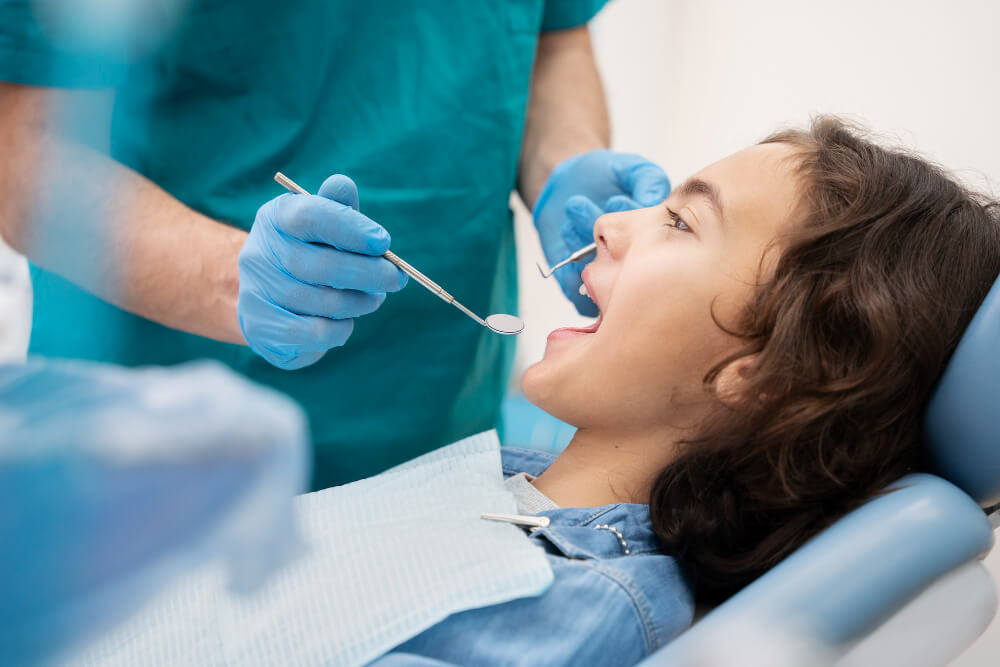
When it comes to maintaining your family’s oral health, choosing the right provider for dental care in Linden Park is essential. From routine check-ups to advanced treatments, having access to reliable and high-quality dental services ensures long-term health and confidence. At Walsh Dental patients receive personalised care in a comfortable and modern environment, making it easier for families to prioritise their dental health. Whether you need preventive care or specialised treatments, finding a trusted dentist can make all the difference in achieving a healthy, beautiful smile. You see, there is no room for negligence when it comes to keeping your family healthy. Dental care definitely should not be an exception. Proper oral hygiene and regular visits to a dentist not only ensure healthy teeth and gums but also your overall health. While in Linden Park, one is exposed to several services on dental care, but the key is not to have access to services but good quality providers. Walsh Dental is the trusted provider of comprehensive dental care in Linden Park for families. Investing in your family’s long-term health with quality dental care is a smart choice, and that is what Walsh Dental does by offering personalized care and the most up-to-date treatment options. 1. All-Age Services, Tailored to Each Client One of the most important reasons to opt for quality dental care in Linden Park is the availability of services that cater to every member of your family. From toddlers getting their first check-ups to adults requiring advanced dental treatments, a reputable dentist will offer a wide range of services well tailored to fit different age groups. Whether it’s regular cleanings, preventive treatments such as fluoride applications, fillings, or cosmetic dentistry including whitening and veneers, having a one-stop shop for all your family’s dental needs is very convenient. We at Walsh Dental believe preventive care is highly essential, and we, therefore, provide an ample scope of service for the protection of your family’s dental health. 2. Highly Skilled Dentists: Thus, a good dentist should be the person who, having acquired the proper technical skill, is also experienced with quite a few cases of dental troubles. So it is highly necessary to go with a provider who passed some tests through treatment and is known to all for a kind of good quality care. With years of experience and skills in the practice of dentistry and effective care for patients of all ages at Walsh Dental. Routine check-ups to specific procedures. You will be sure that you and your family are well taken care of with the expertise of Dr. Thadsha and her team at Walsh Dental. This is because they are keen on continuous learning and keeping abreast of the latest dental technologies and techniques, making her practices different from others, hence coming to be the family’s trusted choice. 3. Preventative Care Long-term oral health begins with preventive care, especially when it comes to families. Here, the savings of time and money over the long haul result from the simple fact that problems are avoided altogether from ever developing in the first place. Quality dental providers spend sufficient time educating a family in oral hygiene practice and teaching adults and children the proper care for their teeth. Such education may avert most of the general issues that often appear for caries and periodontics or even dental erosion. 4. Comfort and Compassionate Care When it is their turn to meet their dentist, kids and even adults will worry and fret over it. With a comfortable setting, one really can easily relax and see past the experience dental service can provide exactly this kind of feeling. In fact, as practicing dentists, Walsh Dental professionals believe there’s enough force felt in seeking the dentist, so they’ve strived for this: alleviate patient’s dental care anxiety. 5. Advanced Technology It is advanced how the world perceives dental technology these days. With digital X-rays, people get less radiation, and a laser treatment process isn’t painstaking to get through after a short amount of time; one has recovered from the treatment process. Modern techniques do make big differences in oral health care today. A competent dentist in Linden Park would be abreast of better tools and proper methods that make all the patients’ experiences the finest. 6. Family-Friendly Environment Another important reason to select quality dental care in Leabrook is the possibility of finding a dental practice that caters specifically to families. Most dental clinics offer a one-size-fits-all approach to care, but a family-oriented clinic understands the unique needs of children, adults, and seniors. A family-friendly practice is also more likely to offer a welcoming and relaxed environment for children, which is critical for encouraging positive dental habits from a young age. 7. Emergency Care When You Need It Most You never know when a dental emergency will strike—a sudden toothache, a sports injury that has chipped or knocked out your teeth, or an accident that breaks your teeth. It would be nice to have a dental provider who can quickly and effectively take care of any emergency that may arise. A trusted dentist in Linden Park should be there to provide urgent care at the moment it is needed most so that one is not forced to suffer the pain or wait for days for an appointment. Walsh Dental offers emergency dental care to help families cope with unscheduled dental situations. Dentists ensure fast and efficient care for you so your problem is kept at its bare minimum. Be it a knocked-out tooth, a cracked filling, or a dull ache in the tooth, count on Walsh Dental for immediate, professional care for any need. 8. Building Long-Term Relationships A long time with your dentist has helped you achieve a healthy oral status over the years. Choosing a dentist who knows about family history and requirements allows for better care treatment. Here at Walsh Dental, we consider the building up of a long-term relationship with a patient. We are very sure that our patients are receiving highly
The Connection Between Oral Health and Overall Health
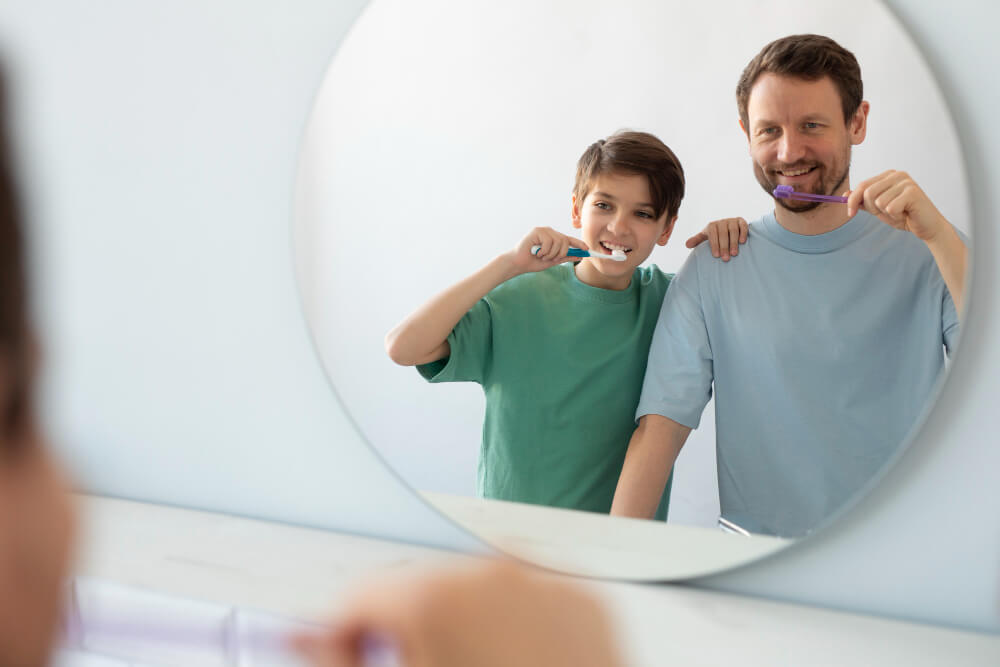
In most cases, oral health is largely underestimated when a comparison is sought with the influence on the actual general health of the individual. Indeed, numerous great studies and the words of wise people say that proper care regarding the oral parts, specifically of the teeth and gums, should be treated on an equal plane as that in other cases related to health issues. This paper discusses oral hygiene, oral diseases, and their link to other diseases and the need to visit a regular dentist in Beaumont to be in good health. The Mouth: Gateway to Nutrition and Air, Window to Disease The mouth is the gateway through which one intakes food and air but also a window to diseases. Most people do not know that dental health can serve as an early source of signs that may show possible diseases or medical issues. The mouth has many bacteria housed within it. While most are harmless, others can be quite harmful, leading to infections, inflammation, and disease. Unless treated, these bacteria can seep into the bloodstream and, consequently, may lead to even worse systemic conditions. Oral Health and Their Connection to Systemic Diseases Cardiovascular Health: Possibly the most well-known connection that oral health can have with the rest of a person’s system is the one between gum disease and cardiovascular disease. It’s rather intuitive. Gum disease arises when plaque gathers in the mouth and irritates the gums until they become inflamed and reddened. This infection develops bacteria that may enter the bloodstream and later increase the patient’s risk for heart disease, stroke, or generally cardiovascular conditions. Diabetes: Diabetes patients also suffer from gum disease and are therefore likely to have problems with controlling their blood sugar level. A two-way relationship has been observed between diabetes and gum disease, where the former exacerbates the latter, and the latter makes the patient more susceptible to oral infections, especially if not controlled. Patients suffering from diabetes can benefit from regular dental visits in Adelaide that help control their blood sugar levels and their oral health. Respiratory Health: Another finding in the study regarding oral bacteria is that the very same can cause respiratory infections such as pneumonia and COPD. This is so because oral bacteria inhaled in the lungs could lead to respiratory system inflammation or infection. In this way, good oral hygiene combined with dental care in Burnside would prevent these secondary complications. Oral Health during Pregnancy Good oral health is crucial not only to pregnant women but also to their babies. Gum disease has been linked to complications of premature birth or low birth weight and preeclampsia. Therefore, during pregnancy, the mouth must be cared for not only for good oral health in the mother but also for a healthy baby. Regular dental visits prevent the development of gum disease. This will keep one’s heart at ease during this stage of life. Health maintenance through regular dental check-ups is a significant aspect of the maintenance. Oral hygiene is not just brushing and flossing. Regular visits to a dentist in Adelaide ensure regular detection of oral issues and possible risks to your health. Professional cleaning prevents plaque and tartar from forming between your teeth, which causes gum disease and tooth decay. Second, experts can detect oral cancer, cavities, and misalignments that may otherwise go unnoticed. At Walsh Dental, you meet the best dental team, who will prepare for the most complete check-up and good professional advice that will leave your oral health in the best of conditions. It doesn’t matter which case—it may be a general cleaning or an advanced treatment—whatever the case, such visits guarantee upgrading the quality of your life by preventing problems from sprouting into existence. Good Hygiene Habits for Your Orals Oral hygiene is a first line of defense against a vast range of health issues related to the mouth. Overall, your oral hygiene starts with brushing your teeth with fluoride toothpaste a minimum of twice a day, flossing once a day, and using mouthwash, which can reduce food debris, prevent plaque buildup, and continue to fight bacteria. On the other hand, oral health acts as a protection for healthy teeth and gums to support the general wellness of an individual. A soft-bristled toothbrush at Walsh Dental should be adopted as a mild and efficient method against gum damage and enamel wear. Toothbrushes should be changed every three to four months or after illness. Interproximal parts of your teeth, especially the gumline, are also areas to be flossed. Plaque and bacteria will be reduced with an antimicrobial mouthwash when used regularly for rinsing. Diet and Oral Health: Diet is an important factor in your oral health. Foods containing calcium, vitamin D, and phosphorus ensure that our teeth and bones are strong. Conversely, sugary and acidic foods feed the harmful bacteria in your mouth to cause cavities and tooth decay. It also cleans the mouth by brushing away the food pieces and the bacteria thriving in the mouth by drinking water during the day. Sugary beverages like soda and fruit juices must be decreased in your diet as well to avoid cavities and other dental problems. When eating candy or sweets, brush your teeth as soon as possible following their consumption to lower the effect on oral health. Prevention of Dental Health Conditions: The Detailed Access to Healthy Lifestyle If oral health care is taken properly with proactive care, most of the common dental health issues would never occur, and a severe future problem would not arise. Proper attention at Walsh Dental in beaumont, coupled with care done at home, is sure to produce the best state of oral health. We will treat you with open arms whether it is for routine check-ups, teeth whitening, or any other special treatments. You are in professional hands; our experienced dental professionals will guide you through this process. Conclusion Issues related to oral health are connected with general health problems. From a low risk of heart conditions to enhancing the control
Is Your Diet Making You Stink? 5 Surprising Foods That Cause Bad Breath

Bad breath, or halitosis, is something most people have experienced at some point. It can be frustrating and embarrassing, brought on by a range of factors, from bad oral hygiene to underlying medical conditions. But did you know that most of what’s in your diet, not necessarily within you, is responsible for fresh or stale breath? There are probably some you know, such as garlic and onions; however, many others that do not seem so obvious can cause bad breath. The smell that generally comes out from our mouth is mainly due to the bacteria occurring in our diet. If you are frustrated by your mouth smell as well as the probable food items that bring it on, you may consult your nearest dentist or any other dental care provider and make some adjustments to your diet. We will be talking about five shocking foods that cause bad breath and why. And we are going to give you some tips on how to overcome this and make sure that you breathe fresh air all day. 1. Coffee: The Breath’s Worst Enemy We begin our day with a hot cup of coffee. However, very few people know that this tasty drink is also one contributing factor to your bad breath. The smell of coffee is indeed alluring, but it tends to dry up the mouth, thus becoming an excellent medium for bacteria causing odor to grow in that medium. When sweat fails, and your mouth is a little dry, not much saliva is there to clean away all those food bits and bacteria. These could then give rise to a stale, even somewhat unpleasant odor, among others; however, natural compounds of coffee can themselves lead to some acidic by-products, which make matters worse here. If you can’t live without that morning cup of coffee, drink water with it to keep your mouth moist. Or perhaps, brush your teeth after one cup, or chew sugar-free gum, which stimulates saliva production in the mouth also. 2. Dairy Products: The Sour Breath Syndrome Dairy foods—from milk and cheese to yogurt—are also rich in so many health-giving elements, but their high protein intake has one significant downside: that disgusting bad breath. That is because bacteria present in the mouth metabolize that protein, with increased production of sulfur compounds causing that characteristic malodorous association with bad breath. For example, cheese is sticky, sticking on your teeth with the bacteria in it; they are those that bring plaque deposits in your teeth. The longer you stay with the deposits, the faster you will feel bad from unpleasant breath. This can be done by reducing the impact that dairy has on your breath, such as choosing lower-fat dairy and rinsing your mouth with water immediately after consuming dairy. Brushing after every meal will help get rid of the bacteria that could linger and lead to halitosis. 3. Red Meat: A Hard Nut to Crack for Fresh Breath Another shocking food causing bad breath is red meat. It is very rich in essential nutrients, including iron and protein. However, if its consumption is not controlled, it may be the biggest offender behind halitosis. When you consume meat, proteins of that food break down in your digestive system and produce sulfur-containing compounds, which can contribute to an unpleasant odor in your mouth. Additionally, red meat can be difficult to digest, which can lead to indigestion and an increased buildup of bacteria in the mouth. As a result, the odor can linger, making your breath less than pleasant. If you’re a meat lover, consider incorporating more plant-based protein sources into your diet, like beans, lentils, or tofu. These alternatives can provide the same nutritional benefits without the risk of bad breath. 4. Spicy Foods: Breath Fire Hot peppers and curries or other spicy dishes cooked with extensive quantities of chili powder will cause bad breath. The stronger the flavors of the foods and spices, the stronger the possibility of oral malodor. Your mouth gives off volatile sulfur compounds (VSCs), which are mainly the main offenders of stinky breath. When there is digestion of sulfur-containing amino acids in the diet by bacteria. While the spice itself does not last long in the mouth, compounds of sulfur, which are emitted as a consequence, can leave behind a trail of bad breath for hours beyond the meal. Drinking water, chewing gum, or eating fresh parsley often neutralizes odors following the consumption of spicy food. 5. Alcohol: The Dehydration Dilemma Wine, beer, and liquor—they make life more enjoyable, yes, but even so, at times they significantly contribute to creating bad breath. Like caffeine, alcohol works to dry the mouth by reducing its production of salivary production. This drying out of saliva enables bacteria from the mouth area to multiply, thereby causing foul or offensive smells through compounds produced. Alcohol also leaves the mouth with an aftertaste and odor since it tastes very pungent and also has byproducts of its digestive process. Acid reflux is also caused by alcohol, which in turn has been linked to poor oral health conditions, including bad breath. In case you are going out to have a few drinks, it would be very prudent to take them alternately with plenty of water. Or else, you could chew gum or even mouthwash right after drinking for that refreshing breath. What is important is to prevent your mouth from drying since it is then that the bad breath bacteria will start multiplying exponentially. How to Overcome Bad Breath from These Foods Now that you know some of the surprising foods that cause bad breath, maybe you would like to know how to keep fresh breath. Here are a few practical tips for you to control bad breath irrespective of what you have eaten: If your bad breath continues even after adjusting your diet and maintaining good oral hygiene, then it’s probably time to seek the help of a dental professional. An experienced team at Walsh Dental can help identify the root cause