
How Hydration Supports Oral Health and Why Water Matters
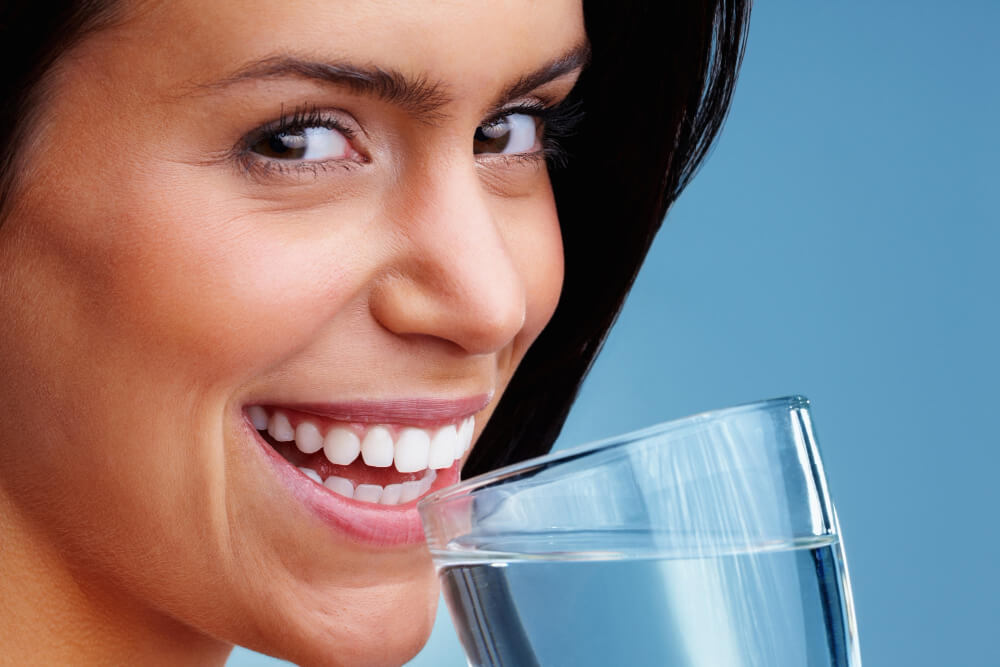
It is crucial to overall well-being, and the health of the mouth is just as crucial. Everyone knows how healthy it is for overall well-being to be hydrated through the consumption of water but may not yet realize how healthy it is to be adequately hydrated in regard to healthy gums, teeth, and mouth. From the moment you wake up in the morning until you lay your head on the pillow at night, the amount of water you consume is impacting the health of your smile in an amazing way. The relationship between good oral health and achieving hydration is most certainly going to be an afterthought but at times will be the dividing line between avoiding such fairly straightforward oral health issues as dry mouth, tooth decay, and gum disease. So, therefore, is water beneficial to oral health, and how exactly is it going to work for your gums and teeth? Today’s post responds to the question of how being adequately hydrated connects to your oral health, the ideal drink of choice to keep your teeth healthy, and how to have the easy transition. The Link between Oral Hydration and Oral Health It is convenient when trying to get a notion regarding how dehydration has to do with oral health to talk about the job your mouth does to keep the rest of the body in peak working condition. Your mouth, gums, teeth, and salivary glands all help with digestion, immunity, and overall wellness. The Role of Saliva in Oral Well-being Saliva is a key element of a healthy smile. Saliva is your body’s defense from the inside against plaque, bacteria, and food. Saliva washes away debris, neutralizes acid, and shields tooth enamel against acid wear. Saliva even transports minerals like calcium and phosphate to remineralize your teeth and stop early tooth decay in its tracks. Sufficient water intake is necessary for the generation of sufficient saliva. During hydration, your body can generate the appropriate amount of saliva to protect your mouth. But during dehydration, it may decrease saliva generation, resulting in dry mouth (xerostomia). The mouth will be very dry under the condition and more susceptible to smelly bacteria and plaque formation, causing cavities, gum disease, and other oral diseases. Saliva is also a natural defense against ugly acids that oral bacteria produce, the leading culprit for rotting teeth. Dehydration strips the body of its ability to neutralize acids, rendering the body an excellent target for cavities and loss of enamel. Drinking plenty of water keeps saliva functioning at optimum levels, allowing for a continuous barrier against the naughty actions of bacteria. Preventing Tooth Decay and Gum Disease Dehydration will lead to an increased risk of tooth decay and gum disease. Dry mouth syndrome, the dehydrating action, is a bacteria culture medium. Bacteria produce cavities, gingivitis, and plaque, the first stage of gum disease. If your mouth isn’t well-hydrated, it will be harder to remove food particles and bacteria, and there is a higher risk of contracting oral diseases. Continuous drinking of water leads to mouth purification, removal of harmful acids, and the prevention of the formation of pathogenic bacteria. Proper consumption of water also keeps gums healthy and infection-resistant. Dehydration will, however, lead to inflammation and redness in the gums to exacerbate conditions like gingivitis. Water also kills bad breath, a common illness in people with dry mouth. When your mouth lacks lubrication, bacteria grow and start breaking down food particles in the mouth and forming stinky-smelling molecules. Drinking water all day will stop these bacteria and bad breath and freshen up your mouth all day. Why Water Is the Best Drink for Teeth To hydrate, some people use other fluids such as fruit juice, soda, or coffee. They are not healthy for the teeth, however. Sugary drinks like soda and fruit juice are the mouth’s nasty bacteria fuel, which leads to plaque, tooth decay, and enamel loss. Even acidic beverages like coffee and citrus juices can be a perpetrator of tooth sensitivity and enamel loss. And vice versa, water is your best option for your teeth. Water contains no calories, no sugar, and is tooth-friendly. Consuming water after food reduces the ease with which food particles and acid that cause plaque formation and reduces tooth decay. Water is even an acidic-neutral product since it will not reduce the pH value in the mouth because other acidic drinks dissolve enamel. Yet another benefit of drinking water is that it keeps the mouth healthy at a good pH level. The pH of the mouth has a significant role to play in keeping your teeth healthy. If the mouth is acidic, your teeth can be dissolved and more susceptible to getting cavities. Water will neutralize acids and create a more alkaline environment that can keep your teeth healthy. The Benefits of Fluoridated Water Community water supplies are fluoridated in much of the world to give your teeth an added layer of protection. Fluoride is a naturally occurring mineral that has been proven to harden tooth enamel and prevent cavities from developing. Drinking fluoridated water can remineralize decayed enamel, reverse tooth decay at its earliest stages, and defend your teeth against decay. Fluoride is wonderful in small amounts and is especially beneficial for people who have a tendency to get cavities. Although most people use fluoride toothpaste as an addition, drinking water with fluoride gives one continuous exposure to fluoride throughout the day that continues to fortify and make the teeth healthy. Despite continuing controversy over fluoridation of community water systems, studies persist in showing that consumption of fluoridated drinking water is extremely beneficial in combating tooth decay, particularly among children. You’re already doing something for your mouth if you live in a fluoridated area. Although the topic of this blog is the oral cavity, remember that hydration affects more than your oral cavity. The human body is made up of roughly 60% water, and the entire organ system of the body needs water in order to function. Hydration
How Do I Get Over Dental Anxiety? Importance of Overcoming Dental Fear
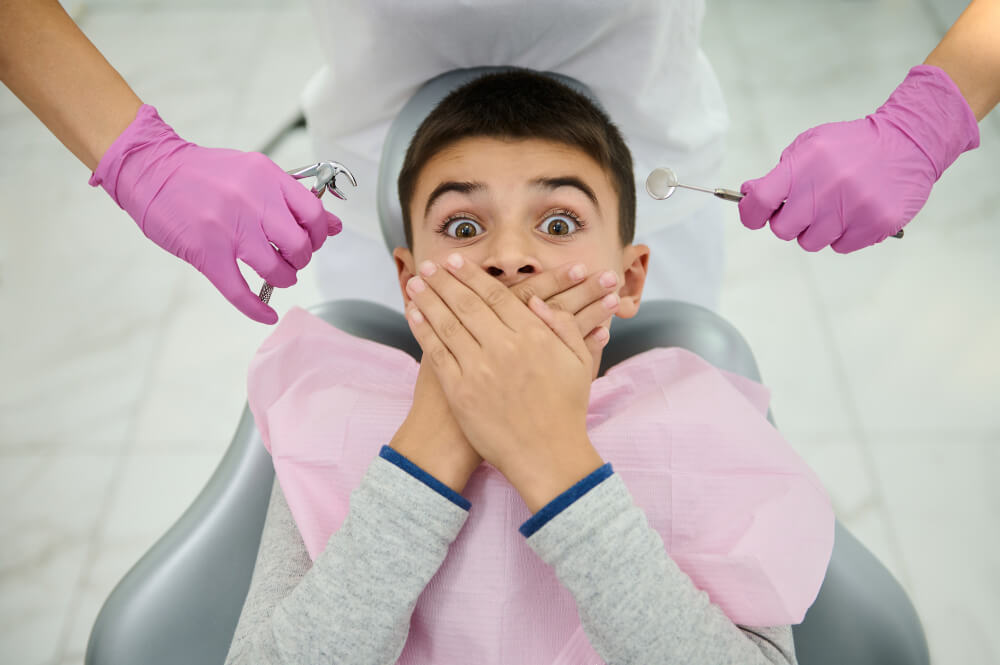
For most people, a visit to the dentist’s clinic is an ordeal to suffer through fear. Either dental pain fear, bad past experience, or merely the sound of dental equipment, dental phobia spares none at any age. Fear thus is bound to deter them from treatment otherwise unavoidable, thereby piling opportunities for oral disease. Conquering fear of the dentist is crucial, not only for a healthy smile but also to prevent serious health complications. If you are afraid of the dentist, don’t worry—you’re not alone, and the good news is that there are ways of conquering and reducing your fear. In this, we will explain why conquering dental fear is important, the primary reasons for dental fear, and simple tips to assist you in becoming more comfortable in the dentist’s chair. We will also elaborate on how a visit to the right dentist in Leabrook, such as Dr. Thadsha at Walsh Dental, will make a difference in having an anxiety-free procedure. Why Overcoming Dental Fear is Important Dental fear is more than a nervous anticipation of an appointment; it can have severe consequences on your overall health and well-being. Here’s why it’s so crucial to overcome your dental fear: Common Causes of Dental Phobia Learn why you are afraid of the dentist so that you can take action. The most common causes are as follows: 1. Fear of Pain: Maybe the biggest cause for people dreading the dentist is the prospect of pain sitting in the dentist chair. Negative past experiences, such as with someone else who’s had horrifying experiences, may plant seeds of fear. 2. Loss of Control: Recounting yourself lying back in a dental chair while someone manipulates inside your mouth can lead people to feel vulnerable and tense. 3. Embarrassment About Oral Health: A patient with an oral issue, such as stained teeth or chipped teeth, may feel embarrassed about it and afraid of judgment from the dentist. 4. Previous negative experiences: An unpleasant dental experience, especially at an early age, can lead a person to become long-term phobic. A single unpleasant experience can yield dental avoidance. 5. The Fear of Drills or Needles: The noise and visual of dental tools, particularly drills and needles, can frighten some patients. 6. Sensitive Gag Reflex: Some individuals feel dental procedures will gag them and cause pain. Fortunately, modern dentistry is patient-focused. Dental clinics like Walsh Dental make every effort to provide patients with a comfortable, anxiety-free experience. Practical Solutions to Overcome Dental Fear Dentist phobia is common, but it doesn’t have to dictate your oral hygiene. The solutions listed below are practical ways to overcome your phobia and ease the experience of visiting the dentist. How a Good Dental Clinic Can Help Alleviate Anxiety The right dental practice choice would be a revolution. Trustworthy clinics such as Walsh Dental ensure patient relaxation. They keep patients relaxed in a friendly setting, their needs catered to while undergoing consultation and treatment, and even inform them of each step taken while keeping them secure in the treatment process. A compassionate staff also understands dental fear, being more careful to make their visit as painless as possible. Pain-Free Dentistry: Using the latest technology and techniques, pain is reduced to an absolute minimum, making treatment nearly pain-free. Flexible Treatment Plans: A plan acceptable to you and comfortable for you will be customized by the dentist. If you are in need of dental treatment in Adelaide, then visit Walsh Dental; locating a practice concerned with and appreciative of patient comfort is a must. Conclusion Dental fear is a daily challenge, but you should never allow it to hinder you from brushing your teeth. Through recognizing the necessity of coping with dental fear, understanding the reasons why, and adopting beneficial tips, dental fear can be coped with. Selecting an empathetic dentist in Leabrook, such as Dr. Thadsha, practicing relaxation techniques, and investigating sedation will leave you feeling more confident regarding dental treatment. If you are seeking professional dental treatments in Adelaide, an individual-centered clinic such as Walsh Dental is at your disposal, and we will make you feel safe and comfortable. Contact us today! Don’t let fear stand in the way of healthy, confident smiles—start now and make that first step to secure, healthy smiles!