
Professional Teeth Whitening vs DIY: Insights from a Dentist in St Georges
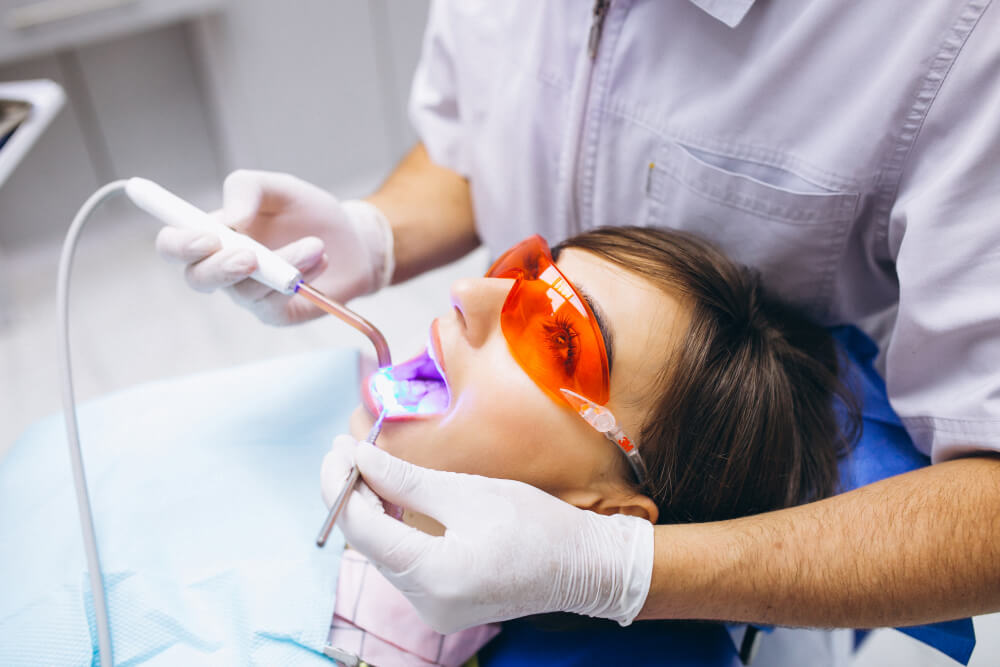
Introduction – Why Everyone Wants a Brighter Smile Have you ever looked at your smile in the mirror and thought it could be whiter? You are not alone. Studies show that tooth discolouration is one of the top cosmetic concerns among adults. A bright smile is often linked to confidence, health, and positive first impressions. Whether it is for work, social life, or personal confidence, people everywhere are searching for safe ways to improve the colour of their teeth. In St Georges, daily habits play a big role in how teeth look over time. Coffee from a local café, tea during the day, and even healthy foods like berries or sauces can slowly stain the enamel. These small lifestyle choices add up. Over the years, teeth lose their natural brightness and start to look dull or yellow. This is where confusion begins. Social media and store shelves are full of whitening strips, charcoal pastes, LED kits, and natural remedies. Many of them promise fast and cheap results. But patients often end up with sore gums, sensitive teeth, and uneven colour. This article is written from the perspective of a Dentist in St Georges to help you understand the real difference between professional teeth whitening and DIY options. You will learn what causes stains, why some methods fail, what is safe, and what delivers lasting results. At Walsh Dental, patients are guided through whitening with a strong focus on safety, comfort, and natural looking outcomes. This guide will help you make an informed decision that protects your smile and your long term oral health. What Causes Teeth to Stain Over Time ? Tooth discolouration does not happen overnight. It develops slowly and is influenced by both external and internal factors. External stains form on the surface of the enamel. Drinks like coffee, tea, red wine, and cola contain strong pigments that cling to enamel. Smoking also leaves dark residue behind. Even some healthy foods such as tomato sauce, berries, and curry can stain teeth over time. These stains sit on the outer layer and build up if not removed properly. Internal stains are deeper and they form inside the tooth structure and are harder to change. Aging naturally darkens teeth because enamel becomes thinner and the yellow dentin underneath shows through. Some medications can also cause internal discolouration. Trauma to a tooth can change its colour as well, making it appear grey or brown from the inside. Brushing alone is not enough to fix these problems. Toothpaste removes surface plaque, but it cannot lift deep stains. Whitening becomes the right solution when regular cleaning no longer restores brightness and when stains affect confidence. The DIY Teeth Whitening Trend Explained DIY teeth whitening has exploded in popularity because it looks easy, cheap, and fast. You can buy kits online, in supermarkets, and even at petrol stations. Influencers show dramatic before and after photos, making it look like anyone can whiten their teeth at home. Common at home methods include whitening strips, whitening pens, charcoal toothpaste, LED light kits, and so called natural remedies like baking soda or lemon juice. These products all work in different ways, but most rely on low strength bleaching agents or abrasive ingredients. People choose DIY whitening because of three main reasons. First is cost. These products are cheaper upfront than seeing a dentist. Second is convenience. You can use them at home without booking an appointment. Third is marketing hype. Bright packaging and social media trends make them look safe and effective. In reality, most DIY products use weak bleaching agents. They can lighten stains slightly, but results are often subtle and uneven. They also do not protect your gums and soft tissues. Many users end up with sore mouths and sensitive teeth. DIY whitening treats everyone the same. It does not consider your tooth shape, gum line, existing fillings, or enamel thickness. That is why results vary so much and often fade quickly. Risks of DIY Whitening – What Dentists See in Practice From a clinical point of view, the risks of DIY whitening are well known. A Dentist in St Georges sees these issues regularly in patients who try to whiten at home without guidance. 1. Enamel erosion and long term damage: Many DIY kits are acidic or abrasive. Lemon juice, charcoal, and baking soda wear down enamel. Once enamel is gone, it does not grow back. This leads to yellow looking teeth, sensitivity, and a higher risk of cavities. 2. Gum irritation and chemical burns: Generic trays and strips leak whitening gel onto the gums. This can cause redness, burning, and white patches on the tissue. Repeated exposure leads to chronic irritation. 3. Tooth sensitivity or “zingers”: Strong or poorly applied gel enters the tooth and irritates the nerve. Patients describe sharp pain when breathing in or drinking cold water. 4. Uneven and short lived results: Strips only cover the front surface. They miss the edges and spaces between teeth. This causes patchy colour and results that fade within months. These problems are common with DIY teeth whitening risks and at home whitening damage, especially when used repeatedly without supervision. What Makes Professional Whitening Different? Professional whitening is a controlled medical procedure, not just a cosmetic trend. A dentist follows a clinical process that focuses on safety first and results second. The whitening agents used in professional treatments are stronger, but they are also pH balanced and carefully applied. This means they break down stains without weakening the enamel. The dentist controls how long the gel stays on the teeth and how it is activated. Another key difference is customisation. Professional trays are molded to your teeth. They fit closely and prevent gel from leaking onto the gums. In office treatments use protective barriers to shield soft tissue before the whitening gel is applied. Supervision is critical. Before whitening begins, your dentist checks for cavities, gum disease, cracks, and worn enamel. Bleaching over unhealthy teeth can cause serious pain. Treating these problems first