
10 Signs Your Toothache Might Be an Emergency
Toothaches are one of the most common dental problems people experience, but not all tooth pain is the same. Sometimes, it’s just mild sensitivity that goes away on its own. Other times, it can be a sign of a serious issue that needs immediate attention. Understanding the difference can help you avoid complications and protect your oral health. At Walsh Dental, patients are often surprised to learn that ignoring certain toothache symptoms can lead to infections, tooth loss, or even more severe health concerns. Knowing when to seek Emergency Dental Care in Adelaide can make all the difference. Let’s explore the warning signs that your toothache might not be something to ignore. What Makes a Toothache an Emergency? A toothache becomes an emergency when it interferes with your daily life, worsens over time, or signals a deeper infection or damage. Pain is your body’s way of telling you something is wrong, and in dentistry, early action often prevents bigger and more expensive treatments later. But how do you know when it’s serious? 1. Severe and Persistent Pain If your toothache is intense and doesn’t go away after a day or two, it could indicate a deeper problem such as an infection or nerve damage. Pain that keeps you awake at night or makes it difficult to eat or speak is not normal. At Walsh Dental, cases like these are often linked to issues requiring urgent treatment such as root canal therapy or extraction. 2. Swelling Around the Tooth or Face Swelling in your gums, jaw, or face is a major red flag. It often indicates an infection that could spread if left untreated. In some cases, swelling can make it difficult to open your mouth or even breathe properly. This is one of the most important reasons to seek Emergency Dental Care in Adelaide without delay. 3. Fever Along with Tooth Pain A toothache accompanied by fever usually means your body is fighting an infection. Dental infections can spread to other parts of the body if ignored, making this a serious condition. If you notice fever, fatigue, and tooth pain together, it’s time to act quickly and consult a dental professional. 4. Sensitivity to Hot and Cold That Lingers It’s normal to feel slight sensitivity when consuming hot or cold foods. However, if the pain lingers long after the stimulus is removed, it could indicate nerve damage or decay deep inside the tooth. This is often a sign that the pulp inside your tooth is affected, and delaying treatment could worsen the situation. 5. Bleeding Gums with Pain While occasional gum bleeding can occur due to brushing too hard, consistent bleeding combined with tooth pain may indicate gum disease or infection. Ignoring this can lead to more serious periodontal problems, which may eventually affect the stability of your teeth. 6. Bad Taste or Odour in the Mouth A constant bad taste or foul smell, especially when paired with tooth pain, can be a sign of pus or infection. This could mean you have an abscess, which is a serious dental condition. Abscesses don’t heal on their own and require immediate professional care to prevent further complications. 7. Difficulty Chewing or Biting If you feel sharp pain when biting or chewing, it might be due to a cracked tooth, cavity, or infection. This type of pain often gets worse over time and can affect your ability to eat properly. Dentists at Walsh Dental frequently see patients who delay treatment, only to find the damage has worsened. 8. Loose or Knocked-Out Tooth Adult teeth should never feel loose. If your tooth suddenly becomes loose or gets knocked out due to an accident, it’s a dental emergency. Quick action can sometimes save the tooth. Seeking Emergency Dental Care in Adelaide immediately increases the chances of successful treatment. 9. Pus or Visible Infection Pus around the tooth or gums is a clear sign of infection. You might notice a small bump on your gums that releases fluid. This is often painful and requires urgent dental care. Ignoring it can lead to serious health risks, as infections can spread beyond the mouth. 10. Pain After Dental Treatment That Worsens Some discomfort after dental procedures is normal. However, if the pain increases instead of improving, it could indicate complications such as infection or improper healing. In such cases, returning to your dentist promptly is essential. When Should You Visit a Dentist Immediately? Many people try to manage tooth pain at home using remedies or painkillers. While these may provide temporary relief, they do not address the root cause. You should seek immediate help if: Delaying treatment often leads to more complex procedures and higher costs. How Walsh Dental Can Help At Walsh Dental, patient comfort and quick response are top priorities. Whether it’s a sudden toothache or a severe dental issue, their team is equipped to handle emergencies with advanced treatments and compassionate care. From diagnosing the problem to providing effective solutions, they ensure that every patient receives timely and reliable support. Their expertise in handling urgent cases makes them a trusted choice for those needing Emergency Dental Care in Adelaide. Can You Prevent Dental Emergencies? While not all emergencies can be avoided, many can be prevented with proper care and regular dental visits. Maintaining good oral hygiene, including brushing twice daily and flossing, plays a crucial role. Routine check-ups help identify problems early before they turn into emergencies. Using protective gear like mouthguards during sports and avoiding hard foods that can crack teeth are also simple yet effective preventive steps. What Happens If You Ignore a Toothache? Ignoring a toothache may seem harmless at first, but it can lead to serious consequences. What starts as a minor cavity can develop into an infection requiring more invasive treatment. In some cases, untreated dental infections can even impact overall health. That’s why early diagnosis and treatment are always recommended. Final Thoughts Toothaches are never something to take lightly. While some may resolve on their own, others
What to Do in a Dental Emergency: Adelaide’s Expert Care Guide

Dental emergencies can happen when you least expect them. Whether it’s a sudden toothache, a broken tooth, or a knocked-out tooth after an accident, these situations can be painful and stressful. Knowing how to respond quickly can make a big difference in protecting your teeth and reducing discomfort. Understanding the right steps to take and when to seek Emergency Dental Care in Adelaide can help you handle the situation calmly and effectively. This guide explains common dental emergencies, immediate first-aid steps, pain relief tips, and when to contact a professional for urgent treatment. Understanding Dental Emergencies A dental emergency refers to any oral health problem that requires immediate attention to relieve severe pain, stop bleeding, or save a tooth. Quick action is essential because delays can lead to more complex dental issues. Access to reliable Emergency Dental Care in Adelaide ensures that patients receive timely treatment from experienced dentists who can diagnose the problem and provide the right solution. Common Types of Dental Emergencies Dental emergencies can occur in many forms. Knowing the most common ones can help you react appropriately before visiting a dentist for Emergency Dental Care in Adelaide. 1. Severe Toothaches: A persistent or severe toothache is often a sign of underlying issues such as tooth decay, infection, or gum disease. The pain can range from mild discomfort to intense throbbing. If a toothache does not go away, it is important to seek Emergency Dental Care in Adelaide to identify the cause and prevent the problem from worsening. 2. Knocked-Out Teeth: Accidents, sports injuries, or falls can sometimes cause a tooth to be completely knocked out. Acting quickly is critical because the tooth may still be saved if treated within a short time. Dentists providing Emergency Dental Care in Adelaide may be able to reinsert the tooth successfully if it is handled properly and brought to the clinic quickly. 3. Broken or Chipped Teeth: Biting on hard foods, trauma, or accidents can lead to cracked, chipped, or fractured teeth. Even minor damage should be checked by a dentist to prevent further complications. Immediate Emergency Dental Care in Adelaide can restore the tooth and reduce the risk of infection or additional damage. 4. Lost Fillings or Crowns: Dental restorations such as fillings and crowns can occasionally become loose or fall out. When this happens, the exposed tooth structure becomes vulnerable to damage and sensitivity. Visiting a clinic that provides Emergency Dental Care in Adelaide allows the dentist to repair or replace the restoration quickly. 5. Gum and Soft Tissue Injuries: Injuries to the gums, lips, cheeks, or tongue can cause bleeding and discomfort. While minor injuries may heal on their own, significant bleeding requires urgent dental attention. Professional Dental Care in Adelaide ensures that these injuries are properly treated and monitored to prevent infection. Immediate Steps to Take During a Dental Emergency Knowing what to do before reaching a dentist can help stabilise the situation and reduce discomfort. 1. Managing a Toothache: If you experience a severe toothache: If the pain persists, contact a clinic for professional evaluation. 2. Handling a Knocked-Out Tooth: If a tooth is knocked out: If reinsertion is not possible, store the tooth in milk or saliva and visit a dentist providing Emergency Dental Care in Adelaide immediately. 3. Dealing With a Broken or Chipped Tooth: If your tooth is broken: Prompt Emergency Dental Care in Adelaide can repair the tooth and prevent complications. 4. Coping With Lost Fillings or Crowns: When a filling or crown falls out: 5. Treating Gum and Soft Tissue Injuries: For injuries involving the gums or mouth tissues: If bleeding continues, seek Emergency Dental Care in Adelaide immediately. Managing Pain During a Dental Emergency Dental emergencies often involve significant discomfort. While professional treatment is essential, temporary pain relief methods may help until you reach a dentist. These methods can help manage symptoms temporarily, but they should never replace professional Dental Care. Preparing a Dental First Aid Kit Having a dental emergency kit at home can be very helpful. Consider including the following items: These supplies can help manage the situation until you can access Emergency Dental Care. What Not to Do During a Dental Emergency? Just as important as knowing what to do is understanding what to avoid. When in doubt, always contact a dentist who provides Emergency Dental Care in Adelaide. When to Seek Professional Dental Treatment? Immediate dental care is necessary when you experience: Clinics offering Emergency Dental Care in Adelaide are equipped with modern tools and experienced dentists who can diagnose and treat urgent dental issues quickly. Preventing Future Dental Emergencies While not all emergencies can be avoided, certain habits can significantly reduce your risk. Long-Term Oral Health After a Dental Emergency After receiving treatment, it is important to follow your dentist’s advice carefully to support proper healing and prevent future problems. Attending any recommended follow-up appointments allows your dentist to monitor your recovery and ensure the treated tooth or area is healing correctly. Maintaining strong oral hygiene habits such as brushing twice daily, flossing regularly, and using mouthwash also plays a key role in protecting your teeth and gums after an emergency. In some cases, your dentist may suggest protective dental appliances like mouthguards to prevent further damage, especially if you play sports or grind your teeth. Taking these steps after receiving Emergency Dental Care in Adelaide helps keep your teeth healthy, functional, and well protected for the long term. Final Thoughts Dental emergencies can be frightening, but knowing how to respond can make the situation much easier to manage. Quick action, proper first aid, and timely professional treatment are key to protecting your smile. If you ever experience sudden dental pain, trauma, or other urgent oral health concerns, seeking Emergency Dental Care in Adelaide immediately can help relieve pain, restore your teeth, and prevent further complications. The experienced team at Walsh Dental is committed to providing prompt, compassionate care when you need it most. Prompt attention from skilled dental professionals ensures that your
Top 5 Situations That Require Emergency Dental Care in Adelaide Immediately

There are days when everything’s fine—you brush your teeth, go to work or school, eat your meals, and that’s that. But then, there are days when something just feels off in your mouth. Maybe your tooth is hurting a lot. Maybe your child fell, and now their front tooth is bleeding. Or maybe you bit into something, and now a piece of your tooth is gone. In these moments, you don’t wait. You don’t hope it goes away. You need help right away. If you’re around Burnside or places like Beaumont, Linden Park, or St. Georges, you should contact Walsh Dental for trusted Emergency Dental Care in Adelaide. They’ve been helping families for years, especially during those sudden dental troubles. Here are five times you really, really should go see a dentist right away. 1. When a Tooth Falls Out (Yep, It Happens!) Imagine your child is playing. Running, laughing, then boom! They fall. You check, and oh no, a tooth is missing. It’s scary. But don’t panic. Here’s what to do: Why? Because sometimes the dentist can put it back. But you need to be quick. If you’re near Burnside, just head to Walsh Dental. They know how to handle this stuff. They’ve helped many kids and adults in the same situation. 2. A Bad Toothache That Just Won’t Stop You know the kind. The pain doesn’t go away. It comes in waves. It might even spread to your ear, your head, or your jaw. You can’t eat properly. You can’t sleep. This isn’t “wait and watch” pain. This is “go now” pain. At Walsh Dental, we’re here to help you get fast, effective relief before it gets worse. It might be: Whatever it is, you can’t guess. You need a dentist to look at it. Until then, rinse with warm salty water, don’t chew on that side, and don’t put anything on the tooth. Midway reminder: If you’re in Erindale, Hazelwood Park, or nearby, Walsh Dental has treated thousands of painful tooth problems like this, gently and clearly. 3. Tooth Cracked or Broken Sometimes it’s a sudden crunch. Other times, you just feel something sharp and weird in your mouth. Maybe part of your tooth is missing. Maybe it’s a small chip. Or maybe it’s more serious. Here’s what you should do: A chipped tooth might be okay for a bit. But a cracked one can break more. Worse, it can hurt the nerve inside. And that’s where things get tricky. 4. Swelling in Your Face or Gums This one’s important.If your face is puffed up, or there’s a lump on your gum, or your jaw feels heavy—that could be an infection. And infections in the mouth can spread fast. Signs to look for: Don’t ignore it. Call a dentist. Drink water. Don’t press or poke the swollen area. And whatever you do, don’t wait. Sometimes you need medicine, but also treatment for the tooth itself. Antibiotics help with infection, but they don’t fix the cause. Only a dentist can do that. If you’re experiencing these symptoms, Walsh Dental can provide trusted Emergency Dental Care in Adelaide to treat the infection quickly and effectively. 5. Something Is Stuck Between Your Teeth It might be a popcorn skin. Or a tiny seed. Doesn’t sound like much, right? But sometimes, when stuff gets stuck deep between your teeth or under your gum, it can cause pain, swelling, or even infection. Try this first: Trying to remove it yourself can hurt the gum or tooth. It’s better to let a professional handle it. Other Signs You Shouldn’t Ignore Sometimes, the signs aren’t big, but they still mean something is wrong: Again, better safe than sorry. If you’re ever unsure, just call the dentist and ask. Why Acting Fast Matters People often say, “Let’s wait and see.” But that can lead to more pain, more damage, and more treatment. If you act early: Can You Prevent Emergencies? Dental Care in Adelaide You Can Trust Now you know when to get help. And if you’re around Burnside, Stonyfell, or Tusmore, you’ve got a local clinic that’s been caring for families for over 20 years.Walsh Dental is calm, kind, and clear. They treat you like family. The clinic is easy to find and has lots of parking behind it, so you don’t need to stress about that either.Final Words—Don’t Wait If Something Feels WrongTooth pain isn’t just “a small thing.” A knocked-out tooth doesn’t grow back. And infections don’t go away on their own. If something feels off—even a little—it’s worth checking.Walsh Dental is here when you need fast, gentle dental help and trusted Emergency Dental Care in Adelaide. Whether it’s your child, your parent, or you—they’ll make you feel better and explain everything clearly.Contact them today or book online. Don’t wait for the pain to grow. Help is nearby.
Emergency Dental Care in Adelaide: How to Act Fast and Effectively
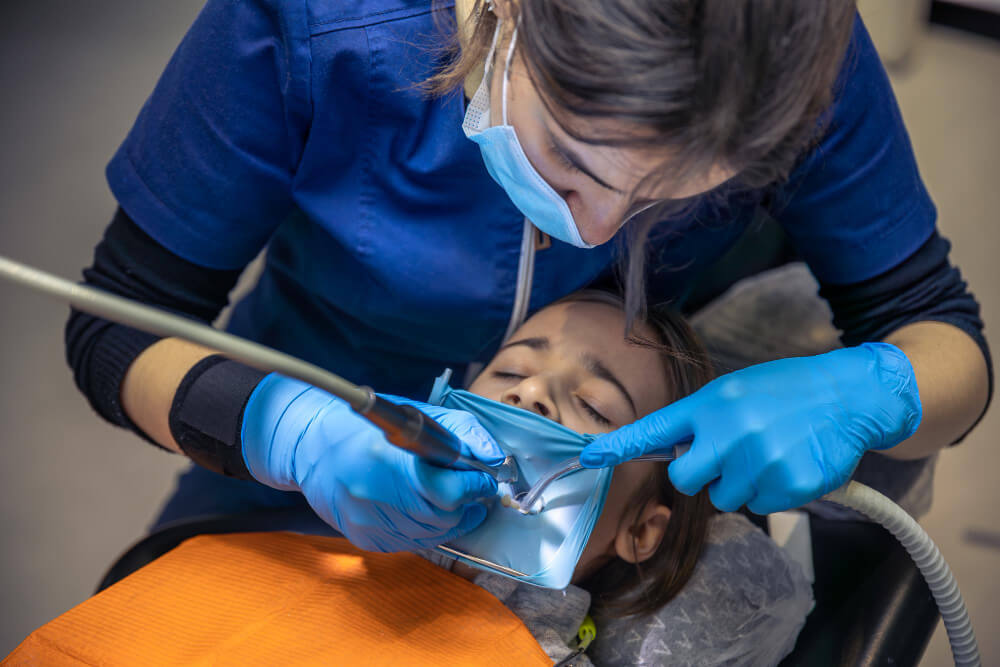
Dental emergencies can happen when least expected, causing pain, distress, and confusion about what to do next. Whether it’s a sudden toothache, a broken tooth, or an accident affecting your oral health, knowing how to respond quickly and effectively is crucial. If you live in or around Adelaide, understanding Emergency Dental Care in Adelaide and having access to trusted providers like Walsh Dental can make all the difference in safeguarding your smile. What Constitutes a Dental Emergency? Before diving into the steps to take during a dental emergency, it’s important to understand what qualifies as one. Not all dental issues require immediate emergency care, but some conditions do, including: If you experience any of these, it’s important to act quickly to prevent further damage and relieve pain. Immediate Steps to Take During a Dental Emergency When a dental emergency strikes, your first reaction might be panic or uncertainty. However, staying calm and knowing what to do can help improve the outcome. 1. Assess the Situation Evaluate the severity of the injury. If there is excessive bleeding, severe swelling, or a broken jaw, seek medical emergency services immediately. For other issues like a knocked-out tooth or severe toothache, follow these steps. 2. Control Bleeding If there is bleeding, apply gentle pressure with a clean cloth or gauze to the affected area. Keep your head elevated to reduce blood flow to the area and help slow the bleeding. 3. Preserve a Knocked-Out Tooth If a tooth has been completely knocked out, time is of the essence. Handle the tooth carefully by the crown (the part you chew with), avoiding touching the root. Rinse the tooth gently with milk or saline solution—never scrub or use soap—and try to place it back into the socket if possible. If you can’t, keep it moist by storing it in milk, saliva, or a tooth preservation kit and get to a dentist immediately. 4. Manage Pain and Swelling Use a cold compress on the outside of your mouth or cheek near the injury to reduce swelling and numb pain. Over-the-counter painkillers like ibuprofen can also help, but avoid aspirin, as it may increase bleeding. 5. Avoid Eating or Drinking Until you see a dentist, avoid eating hard, hot, or cold foods and drinks that could irritate the injured area. Why Prompt Emergency Dental Care in Adelaide is Crucial Quick and effective treatment can mean the difference between saving a tooth and permanent loss. This is where Emergency Dental Care providers in Adelaide like Walsh Dental come in. Their expertise and access to modern dental technology ensure that your dental emergency is handled with precision and care. Here’s why timely professional care matters: Finding the Right Emergency Dental Care in Adelaide When you’re in pain or dealing with a dental emergency, knowing where to turn can be overwhelming. Many dental clinics in Adelaide offer emergency services, but it’s important to choose one that provides comprehensive care, quick response, and compassionate support. Walsh Dental is a trusted name for Dental Treatment in Adelaide, offering a range of emergency dental services with experienced dentists ready to assist you. Their approach focuses on patient comfort and efficient care, ensuring that your emergency is handled professionally. Common Emergency Dental Treatments At Walsh Dental and other good dental clinics, there are times when the dentist needs to help someone right away. This happens when you suddenly have bad tooth pain, hurt your mouth, or something serious happens to your teeth or gums. In these situations, you cannot wait for a normal visit. You need help fast so the problem does not get worse. Tooth Reimplantation Sometimes a tooth can come out of your mouth completely. When this happens, the dentist may try to put it back in the same place. This is called reimplantation. It works best if you see the dentist very quickly, within one hour after the tooth comes out. The dentist will clean the tooth and the spot in your mouth where it came from. Then they will put the tooth back in and keep it still so it can heal. You must act fast because the more time you wait, the harder it is to save the tooth. Tooth Repair A tooth can break or lose a small part. This can happen if you fall, bite something very hard, or if the tooth is already weak. If the damage is small, the dentist can fix it with a special material that looks like your tooth. They will shape it so it looks normal again. If the break is big, the dentist might put a crown on the tooth to protect it. Sometimes they may put a thin cover called a veneer to make it look nice again. The aim is to make the tooth strong and look the way it should. Abscess Treatment An abscess is when you get a small pocket of pus in your tooth or gums because of an infection. It can be very painful and can sometimes make your face swell. If it is not treated quickly, the infection can spread to other parts of your body. The dentist will drain the pus to remove the infection. They may also give you medicine to fight the infection. Getting it treated early can stop bigger health problems. Root Canal Therapy If a tooth is badly damaged or has a deep infection inside, the dentist may do a root canal. In this treatment, the dentist removes the infected part inside the tooth, cleans it, and fills the empty space to protect it. This can help you keep your real tooth instead of removing it. Pain Care and Temporary Fixes When you have a sudden tooth problem, the pain can be very strong. The dentist can give you medicine to make the pain and swelling less. Sometimes they will give you a temporary fix, like a filling or cover, until they can do the full treatment. This helps you feel better while they get ready to give