
Top 5 Situations That Require Emergency Dental Care in Adelaide Immediately
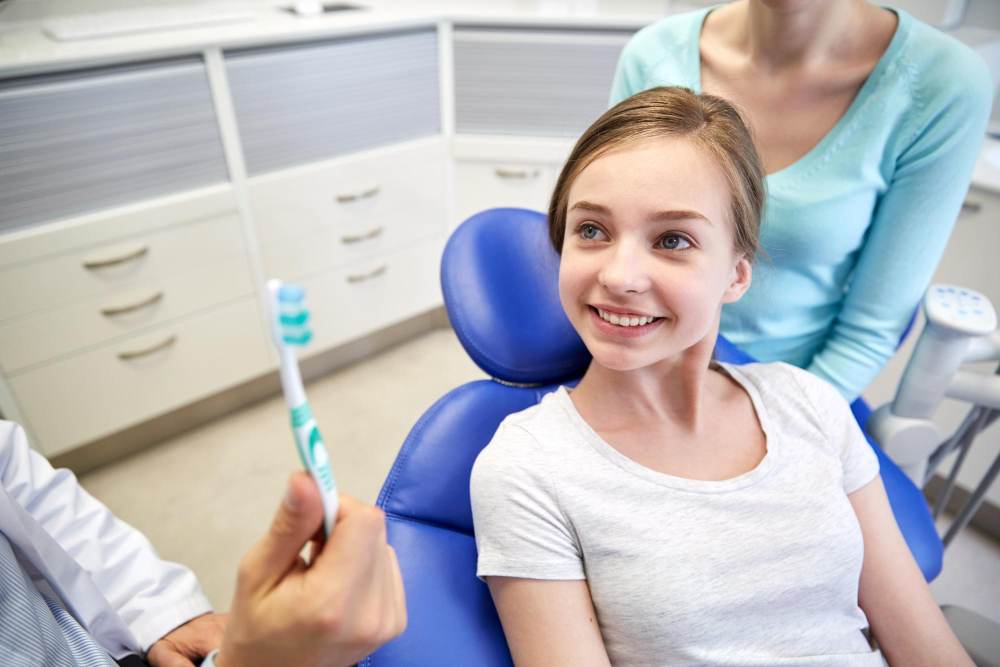
There are days when everything’s fine—you brush your teeth, go to work or school, eat your meals, and that’s that. But then, there are days when something just feels off in your mouth. Maybe your tooth is hurting a lot. Maybe your child fell, and now their front tooth is bleeding. Or maybe you bit into something, and now a piece of your tooth is gone. In these moments, you don’t wait. You don’t hope it goes away. You need help right away. If you’re around Burnside or places like Beaumont, Linden Park, or St. Georges, you should contact Walsh Dental for trusted Emergency Dental Care in Adelaide. They’ve been helping families for years, especially during those sudden dental troubles. Here are five times you really, really should go see a dentist right away. 1. When a Tooth Falls Out (Yep, It Happens!) Imagine your child is playing. Running, laughing, then boom! They fall. You check, and oh no, a tooth is missing. It’s scary. But don’t panic. Here’s what to do: Why? Because sometimes the dentist can put it back. But you need to be quick. If you’re near Burnside, just head to Walsh Dental. They know how to handle this stuff. They’ve helped many kids and adults in the same situation. 2. A Bad Toothache That Just Won’t Stop You know the kind. The pain doesn’t go away. It comes in waves. It might even spread to your ear, your head, or your jaw. You can’t eat properly. You can’t sleep. This isn’t “wait and watch” pain. This is “go now” pain. At Walsh Dental, we’re here to help you get fast, effective relief before it gets worse. It might be: Whatever it is, you can’t guess. You need a dentist to look at it. Until then, rinse with warm salty water, don’t chew on that side, and don’t put anything on the tooth. Midway reminder: If you’re in Erindale, Hazelwood Park, or nearby, Walsh Dental has treated thousands of painful tooth problems like this, gently and clearly. 3. Tooth Cracked or Broken Sometimes it’s a sudden crunch. Other times, you just feel something sharp and weird in your mouth. Maybe part of your tooth is missing. Maybe it’s a small chip. Or maybe it’s more serious. Here’s what you should do: A chipped tooth might be okay for a bit. But a cracked one can break more. Worse, it can hurt the nerve inside. And that’s where things get tricky. 4. Swelling in Your Face or Gums This one’s important.If your face is puffed up, or there’s a lump on your gum, or your jaw feels heavy—that could be an infection. And infections in the mouth can spread fast. Signs to look for: Don’t ignore it. Call a dentist. Drink water. Don’t press or poke the swollen area. And whatever you do, don’t wait. Sometimes you need medicine, but also treatment for the tooth itself. Antibiotics help with infection, but they don’t fix the cause. Only a dentist can do that. If you’re experiencing these symptoms, Walsh Dental can provide trusted Emergency Dental Care in Adelaide to treat the infection quickly and effectively. 5. Something Is Stuck Between Your Teeth It might be a popcorn skin. Or a tiny seed. Doesn’t sound like much, right? But sometimes, when stuff gets stuck deep between your teeth or under your gum, it can cause pain, swelling, or even infection. Try this first: Trying to remove it yourself can hurt the gum or tooth. It’s better to let a professional handle it. Other Signs You Shouldn’t Ignore Sometimes, the signs aren’t big, but they still mean something is wrong: Again, better safe than sorry. If you’re ever unsure, just call the dentist and ask. Why Acting Fast Matters People often say, “Let’s wait and see.” But that can lead to more pain, more damage, and more treatment. If you act early: Can You Prevent Emergencies? Dental Care in Adelaide You Can Trust Now you know when to get help. And if you’re around Burnside, Stonyfell, or Tusmore, you’ve got a local clinic that’s been caring for families for over 20 years.Walsh Dental is calm, kind, and clear. They treat you like family. The clinic is easy to find and has lots of parking behind it, so you don’t need to stress about that either.Final Words—Don’t Wait If Something Feels WrongTooth pain isn’t just “a small thing.” A knocked-out tooth doesn’t grow back. And infections don’t go away on their own. If something feels off—even a little—it’s worth checking.Walsh Dental is here when you need fast, gentle dental help and trusted Emergency Dental Care in Adelaide. Whether it’s your child, your parent, or you—they’ll make you feel better and explain everything clearly.Contact them today or book online. Don’t wait for the pain to grow. Help is nearby.
How to Help Your Child Develop Healthy Dental Habits

Taking care of your child’s teeth might sound scary at first, but don’t worry—it’s not hard. You don’t need to be a dentist. You just need a little bit of time, some patience, and a lot of love. At Walsh Dental, we meet many parents who ask things like, “When should I start brushing my baby’s teeth?” or “How do I stop my child from eating too many sweets?” Let’s begin with the first step. 1. Clean Even Before Teeth Come In You can begin cleaning your baby’s mouth before they get teeth. After feeding, take a clean, soft cloth, wrap it around your finger, and gently wipe their gums. That’s it. Nothing fancy. Just wipe. This helps keep their mouth clean and also gets them used to the idea that cleaning is a part of life. 2. First Tooth? Time for a Tiny Brush When the first little tooth shows up (usually around 6 months), it’s time to bring in a baby toothbrush. Select one with a tiny head and gentle bristles. Just water, no toothpaste yet. A small amount of toothpaste can be used once your child is one year old. Just a dot. Like a grain of rice. Nothing more. 3. Brushing Should Be Fun—Not a Fight Most kids don’t like brushing in the beginning. That’s normal. Don’t make it feel like a job. Make it a game. Let them choose the toothbrush they want, maybe one with a cartoon on it. Play music while brushing. Dance a little. Sing a silly brushing song. Or make up a story: “Let’s chase the sugar bugs away!” And yes—brush together. Kids love copying parents. 4. Show Them How, Step by Step Don’t expect your child to know how to brush correctly. They need to learn from you. Stand with them in front of a mirror. When brushing, teach them to utilize small circles. Say anything like. “Let’s clean the front teeth first.” At first, you’ll be the one brushing. Later, they’ll start doing it by themselves. 5. Two Times a Day, Every Day Morning and night. No skipping—not even when you’re tired. Try adding brushing to their daily routine: Morning: Wake up → brush teeth → breakfast Night: Dinner → story → brush teeth → sleep Kids like routines. If brushing becomes part of “what we do every day,” there’ll be less fuss. 6. Cut Down the Sugar (But Don’t Panic) Yes, children love sweets. It’s okay. Saying “no” to every treat is not necessary. Just watch how much and how often. Here’s what helps: 7. First Dentist Visit? Go Early Many parents think they should wait until their child is older before seeing a dentist. But it’s better to go early—around age 1 or when the first tooth shows up. Why? 8. Be a Good Example Your child watches everything you do. If you brush your teeth and smile while doing it, they will copy you. If you floss, they’ll want to try it too. If your child brushes for 30 seconds, praise them. So, don’t just tell them to brush—show them. Say things like: 9. Praise Goes a Long Way Want to take it further? Make a brushing chart. Every time they brush, they get a star. After 7 stars, they can get a small reward—a sticker, a story, or a little surprise. Not candy! Kids love feeling proud. 10. Use Toys or Stories to Help Turn brushing into a game. Say things like: Make up silly voices. Let their favorite toy “talk” about brushing. It becomes easier the more joyful you make it. 11. Don’t Scare Them Never say things like Instead, say: 12. When to Start Flossing When your child’s teeth start touching each other (usually after age 2), you can start flossing. Don’t worry if it’s hard at first. Use soft, colorful flossers made for kids. Floss for them gently. Later, they’ll try it themselves. One step at a time. No rush. 13. Play Sports? Get a Mouthguard If your child plays football, cricket, or any sport where there’s risk of falling or bumping into others—ask your dentist about a mouthguard. It’s like a helmet for teeth. It can save your child from injury. 14. No Smoking Around Kids Even if your child doesn’t smoke (of course!), breathing in smoke from adults nearby can harm their dental health. Try to keep smoking far from kids. Their growing bodies and teeth are very sensitive. 15. Teens Need Reminders Too Just because your child is older doesn’t mean they stop needing you. Teenagers sometimes forget to brush or think they’re too busy. Keep reminding them—gently. You can say: Look, parenting is not easy. You have so much to do already. And sometimes, your child might cry, refuse to brush, or make a mess. That’s normal. Just keep trying. Every little effort adds up. A clean, healthy mouth means fewer problems later. No pain, no fear, and a big, happy smile. And remember—if you ever feel unsure or just need someone to guide you and your child through it, Walsh Dental is here. We love helping families and have years of experience in children dentistry, making dental visits simple and fun for kids.Call us today to book an appointment. Let’s keep those little teeth strong, shiny, and smiling—together.
What Happens If You Ignore Bleeding Gums?
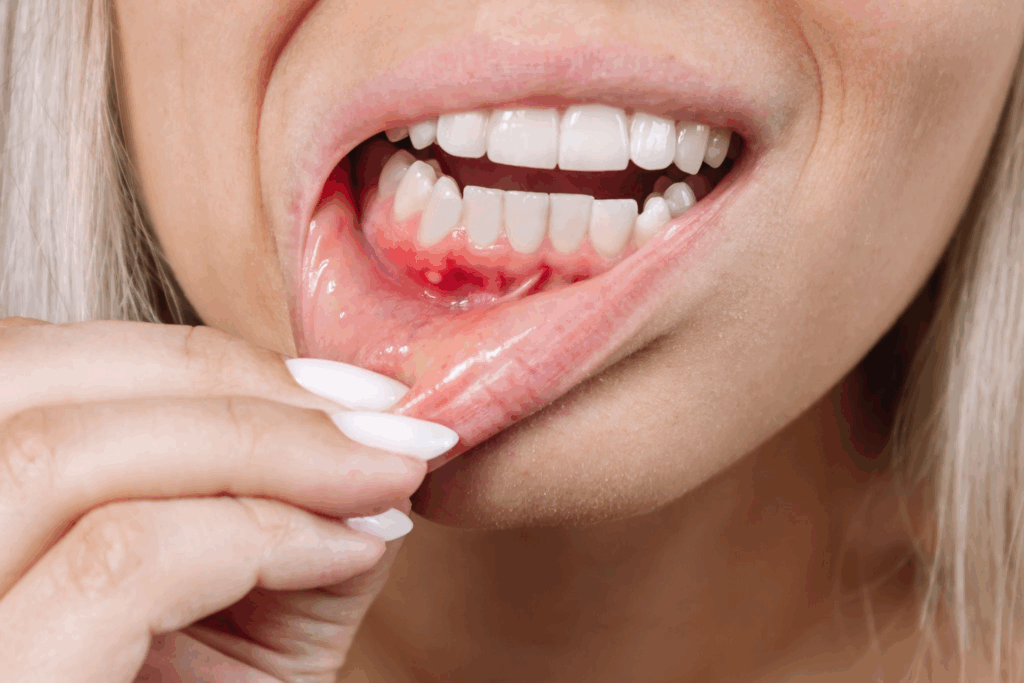
A Real Talk for Everyone Have you ever brushed your teeth and noticed a little blood in the sink? Maybe your toothbrush has pink froth on it, or your gums hurt. You might have thought, “It’s okay. It happens sometimes.” But what if your gums are trying to tell you something important? What if it’s an indication that your mouth isn’t functioning properly? That’s what we’re going to talk about today—What Happens If You Ignore Bleeding Gums? At Walsh Dental, we see many people every week with this problem. And most of the time, they didn’t know it was serious until things got worse. Why Do Gums Bleed? The sensitive, pink skin of your gums holds your teeth in place. They are strong but also very gentle. Gums that are in good health don’t bleed. So when they do bleed, it means something is not quite right. Let’s look at some common reasons: You brush too hard. Pressing too much can hurt your gums. You don’t brush or floss well. When food and germs stay in your mouth, they bother the gums. You haven’t flossed in a long time. The gums get shocked and bleed when you suddenly start again. Plaque builds up. This is sticky stuff that turns hard if not cleaned. It makes gums sick. You smoke or chew tobacco. These things damage your mouth badly. Your health is not great. Some body problems, like diabetes or lack of vitamins, also hurt the gums. Hormones change. This can happen during pregnancy. Gums can become more sensitive. So sometimes, bleeding gums are because of something small. But sometimes, they are warning signs of bigger trouble. Stage 1: The Start of Gum Trouble—Gingivitis At first, you may not feel much. Your gums may appear almost swollen or red. They might bleed when you brush or floss. You may not feel pain, so you think it’s okay. However, gingivitis is the initial stage of gum disease. It starts slowly. You might ignore it. But inside, an infection is growing. Stage 2: Trouble Gets Worse—Periodontitis If gingivitis is left alone, it turns into something worse: periodontitis. This is when the infection goes deeper. It doesn’t just stay on the top of the gums. It travels toward the bone beneath the gums. Now, your gums may start to pull away from your teeth. Small pockets form between teeth and gums. These pockets fill with more germs. Your teeth might feel loose. Your breath might smell bad. Cleaning becomes harder.This is not just a small problem anymore. It is a deep infection. Stage 3: Tooth Loss—The Final Result If nothing is done, the bone that holds your teeth becomes weak. When that bone is gone, the teeth can fall out. Even healthy teeth can become loose if the gums and bone are too damaged. Imagine being toothless and unable to eat, smile, or speak. It changes everything. And the sad part is—it all started with just a little bit of bleeding. It’s Not Just the Mouth, Your Whole Body Feels It.Here is something many people don’t know. The health of your gums can affect the rest of your body. When your gums are sick, the infection can move into your blood. This can lead to other health problems like Heart trouble Diabetes getting worse Lung infections Problems in pregnancy Brain strokes That means taking care of your gums is not just about your teeth. It is about your whole body. How Do You Know If Your Gums Need Help? Watch out for these signs. Even one of them means you should act: Bleeding when brushing or flossing Gums that are red, puffy, or swollen A bad taste in your mouth Smelly breath that doesn’t go away Gums pulling away from teeth Teeth that feel wobbly Pain while chewing food Don’t wait for them to all appear. Just one is enough to talk to a Walsh dentist. What You Can Do at Home Good news—small daily habits can keep your gums strong and healthy. These don’t take much time, but they make a big difference. 1. Brush Gently, Two Times a Day Use a soft toothbrush. Don’t scrub hard. Think of brushing like painting—slow and careful. 2. Clean Between Teeth Use floss or small brushes to clean between your teeth. It’s where your normal brush can’t reach. 3. Rinse with Water or Mouthwash After eating, rinse your mouth. This helps wash away food and germs. 4. Eat Fresh Foods Fruits and vegetables like apples, carrots, and cucumbers help clean your mouth naturally. 5. Drink Water Often Water maintains healthy gums and a clean mouth. 6. Don’t Use Tobacco Smoking or chewing tobacco hurts your gums and makes healing slow. What the Dentist Will Do for You If your gums are already bleeding, don’t try to guess what’s wrong. Let the dentist check. Here’s what happens at a dental clinic: They gently look at your gums. They check for infection or deep pockets. They clean your teeth to remove plaque or tartar. They give you tips to care for your mouth at home. If needed, they may give you a special treatment for your gums. It doesn’t hurt. And most people feel better after just one visit. But I’m Afraid to Go to the Dentist You’re not alone. Many people are too bashful or afraid to go. Maybe you’ve avoided it for years. Or maybe you think they will judge you. But don’t worry.At a good clinic, the team is there to help you—not to shame you.At Walsh Dental, we welcome everyone with kindness. We explain everything clearly, in simple words. We see people from all over Burnside and nearby suburbs like Tusmore, Beaumont, Stonyfell, and others. We even have easy parking behind our clinic, so your visit is simple from the start. Why People Wait—And Why They Shouldn’t Let’s be real—many people ignore bleeding gums because: It doesn’t hurt They’re busy They think it’s
How to Handle Sensitive Teeth and What Causes Sensitivity
How to Handle Sensitive Teeth and What Causes Sensitivity Have you ever taken a sip of cold water and suddenly felt a sharp pain in your teeth? Or maybe you tried to enjoy your favorite ice cream, but it hurt too much to eat? If yes, you are not alone. This is something many people go through, and it is called tooth sensitivity. At Walsh Dental, we talk to people every day who tell us their teeth hurt when they eat or drink something too hot, too cold, or even something sweet. It can be very uncomfortable. But do not worry, because there are simple ways to understand it and make it better. So, what is tooth sensitivity? In simple words, it is when your teeth start reacting more than they should. Normally, your teeth have a strong outer cover called enamel. This cover keeps everything inside safe and stops the nerves from feeling too much. But when this cover gets thin or damaged, your teeth start feeling things they are not supposed to. Even brushing your teeth or breathing in cold air can start to hurt. Brushing Too Hard Can Make It Worse One of the most common reasons for sensitivity is brushing too hard. Many people think brushing with extra force means cleaner teeth. But it is the opposite. Brushing too hard can slowly wear away the enamel and even make your gums move away from your teeth. When this happens, a soft part under your enamel called dentin gets exposed, and that is what makes your teeth hurt when you eat or drink anything hot or cold. What You Eat and Drink Affects Your Enamel Another reason your teeth might be sensitive is because of what you eat or drink. Acidic things like soft drinks, lemon juice, pickles, and even tomatoes can slowly break down the enamel. If you are someone who drinks fizzy drinks a lot or eats sour foods every day, this could be why your teeth have become sensitive. Even healthy things like oranges or pineapple can make a difference if you eat them too often without rinsing your mouth after. Teeth Grinding While You Sleep Sometimes, people grind their teeth while sleeping. They do not even know they are doing it, but over time, it wears down the enamel. If you wake up with a sore jaw or headaches, or if your teeth are suddenly hurting without a clear reason, teeth grinding might be the cause. A dentist can check this and help you with a small mouth guard to wear at night, which can protect your teeth while you sleep. Cavities and Old Fillings Can Cause Pain There are also times when the pain comes from something more serious like a cavity or an old filling that has become loose. Cavities are small holes in your teeth that can make the nerves inside feel everything too clearly. If food or air touches these nerves, it causes pain. And sometimes, a filling that was placed years ago may have cracked, which can also lead to sensitivity. Gum Recession and Sensitive Roots Your gums also play a big role in keeping your teeth safe. They are supposed to cover the roots of your teeth, but when you have gum problems, they can start to pull away. This is called gum recession. When gums move away, they leave the sensitive part of your teeth exposed. This can make it painful even to breathe through your mouth in cold weather. Taking care of your gums by brushing gently and keeping them clean helps a lot. How to Feel Better with Sensitive Teeth Now let’s talk about what you can do to feel better if you already have sensitive teeth. The first and easiest step is to switch to a toothpaste made specially for sensitive teeth. These kinds of toothpaste are not magic, but they help block the nerves from feeling too much. After using them for a week or two, you will likely notice a difference. Some people are even able to drink cold drinks again without any pain. Use the Right Toothbrush and Brushing Method Along with that, using a soft toothbrush is very important. Hard brushes or brushing with a lot of pressure can hurt your enamel more. A soft brush is gentle on your teeth and gums, and if you brush slowly and carefully, it still cleans everything just as well. Always take your time while brushing. Quick back-and-forth scrubbing is not needed. Instead, think of brushing like massaging your teeth softly. Be Careful After Eating or Drinking Acidic Things If you eat or drink something sour or fizzy, try to rinse your mouth with water after. This helps remove the acid and protects your enamel. But do not brush your teeth right away, because the acid makes your enamel softer for a short time. Wait about half an hour before brushing to keep your teeth safe. Avoid Food and Drinks That Trigger Pain It is also a good idea to avoid extreme temperatures in your food and drinks when your teeth are feeling sensitive. If ice cream hurts too much, take a small break from it. Let your mouth heal a little first. Over time, as your enamel gets stronger and you take care of your teeth, the sensitivity usually gets better. When You Should See a Dentist Now, if you have tried everything and nothing helps, it is a good time to see a dentist in Adelaide. A dentist can check your teeth closely and figure out what is really going on. They can also offer stronger treatments like putting a special coating or gel on your teeth that protects them better than regular toothpaste. Sometimes, they might find a deeper problem that needs fixing, like a cavity or an old filling that needs to be replaced. Sometimes a Root Canal Is Needed There are even cases where your teeth might need more serious help, like a root
Best Ways to Prevent Tooth Decay and Cavities
Tooth decay and cavities are problems that many people have. They are very common. Children get them. Adults get them. Even older people get them. But the good part is that you can stop them. You do not need to wait until you feel pain or see a hole in your tooth. You can take care of your teeth every day and avoid problems before they even start. At Walsh Dental, we see many people who wish they had done something sooner. They often ask how they can stop tooth decay from coming back. So we want to help you understand how easy it is to keep your teeth strong and healthy. What causes tooth decay? Tooth decay happens when the outer part of your tooth starts to break. This outer layer is called enamel. It is very strong but it can still get weak if you do not take care of it. When you eat food, especially sugary food, small germs in your mouth eat the sugar too. These germs make acid. That acid attacks the enamel. If this happens again and again, the enamel gets weaker. Soon a small hole forms. That is called a cavity. You can stop this from happening. You just need to know what helps your teeth and what hurts them. And you have to follow simple habits every day. Let us talk about the best ways to do that. Brush your teeth every day One of the most important things you can do is brush your teeth. You should do it two times every day. Once in the morning and once before you go to bed. Brushing helps remove bits of food and germs. Use a toothbrush with soft bristles. Use toothpaste with fluoride in it. Fluoride is very good for your teeth. It helps make your enamel stronger. Take your time when you brush. Do not do it too fast. Move the brush in small circles. Make sure you brush the front, back and top of every tooth. Also brush your tongue. Germs live there too. Try to brush for two full minutes each time. Flossing is just as important Flossing is just as important as brushing. A toothbrush cannot clean between your teeth. But food gets stuck there too. Flossing helps remove it. You can floss once every day. It is better to do it at night before you go to sleep. That way your mouth is clean while you rest. If you find it hard to use normal floss, you can use floss sticks. They are easy to hold and work well. Watch what you eat and drink The food you eat matters a lot. Sugary snacks and drinks can hurt your teeth. Candy, cookies, soda and even fruit juice have a lot of sugar. Sticky sweets are worse because they stay on your teeth longer. When germs eat this sugar, they make acid. That acid is what causes the decay. Try not to eat sweet snacks all day. If you want to have something sweet, eat it during a meal. Drink water after. That will help wash the sugar away. Water is the best drink for your teeth. It keeps your mouth clean and helps make more spit. Spit is very important. It helps fight germs and keeps your mouth healthy. Some foods help your teeth. Foods with calcium like milk, yogurt and cheese are good. They help your teeth stay strong. Crunchy fruits and vegetables like apples and carrots are also good. They clean your teeth while you chew them. Nuts, eggs and green vegetables help too. Eating a mix of healthy foods is great for your whole body and also your teeth. Go to the dentist often Seeing your dentist is also very important. You should go two times a year. Even if your teeth feel fine, a dentist can find small problems early. They can clean your teeth better than brushing at home. They can tell you what your teeth need. If you are looking for a dentist near Burnside, it is a good idea to find someone who makes you feel relaxed. A kind and gentle dentist can help you take care of your teeth without fear. Going for regular visits means you can avoid big problems later. Sealants can help protect your teeth Sometimes your dentist may suggest something called sealants. These are thin layers that go on the back teeth. They cover the deep parts of the teeth where food likes to hide. Sealants help keep germs and food out. They are safe and do not hurt. Many children get them but adults can get them too. Be careful with your drinks You also need to be careful with the drinks you choose. Many drinks that look healthy are not so good for teeth. Fruit juices, flavored waters and sports drinks often have sugar and acid. These can wear away the enamel. If you do drink them, use a straw and do not sip them all day. Drink them in one go and rinse your mouth with water after. Dry mouth can be a problem Some people have dry mouth. That means their mouth does not make enough spit. This can be a problem because spit helps clean your teeth. If you often feel like your mouth is dry, drink more water. Chew sugar free gum to make more spit. If that does not help, talk to your dentist. They can help you find ways to fix it. Start good habits early with kids If you have children, it is very important to help them build good habits early. Teach them how to brush and floss. Make it fun. Use a timer or play a short song while they brush. Give small rewards for brushing every day. Taking care of baby teeth is important too. They help children speak clearly and chew their food well. Look out for signs of problems Watch for signs that something may be wrong. If
7 Common Dental Problems That Need Emergency Dental Care in Adelaide
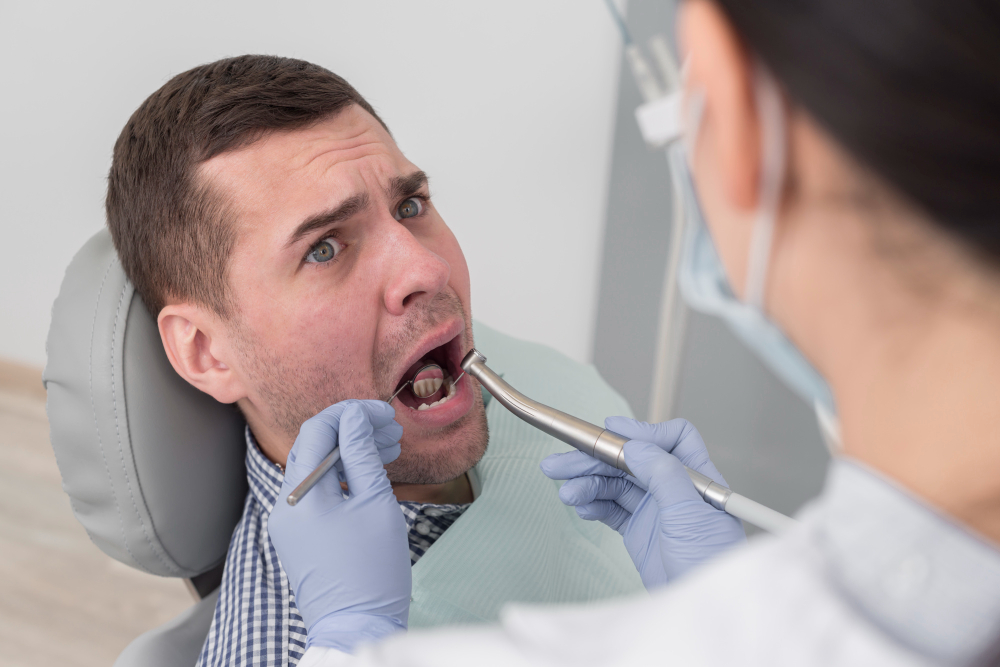
If your tooth hurts badly or something in your mouth breaks, it can feel scary. Sometimes these problems cannot wait, and you need to see a dentist right away. At Walsh Dental, we help many people who come in pain or worry. You might ask if what is happening really needs quick care, so these seven warning signs should not be taken lightly, as they clearly indicate the need for Emergency Dental Care in Adelaide. Severe Tooth Pain that Doesn’t Stop A toothache that keeps you awake at night or hurts so much that medicine doesn’t help is a warning. That kind of pain can mean there is an infection deep inside the tooth or damage you can’t see. If it goes on for more than a day, or spreads to your jaw or ear, you should get help fast. Ignoring it can let an infection grow and possibly make you very sick. That is when you need Emergency Dental Care in Adelaide to stop the pain and fix the problem. A Tooth That Breaks or Chips Badly Imagine biting down on candy and suddenly your tooth cracks. Sometimes it might not hurt much at first, but bacteria can get into the crack and cause an infection later. Other times the broken tooth is sharp and painful right away. If a piece of your tooth falls off, it’s best to save it in something wet like milk or your saliva, and bring it with you. A dentist can often fix the tooth if you come quickly. That is why a cracked or chipped tooth is a problem that should not wait. A Tooth That Gets Knocked Out When a tooth gets completely knocked out, maybe in a fall or while playing sport, time matters a lot. You only have a short window to possibly put it back. If you find the tooth, handle it by the top and rinse it gently without scrubbing it. Try to place it back in the socket or keep it in milk or a clean container with saliva. Rush to the dentist as soon as possible and you have a chance of saving the tooth. Gums Bleeding That Won’t Stop Sometimes your gums bleed a little when you brush too hard or if they are sore. But if bleeding is heavy, sudden, or does not stop after fifteen minutes of gentle pressure, it can be serious. It might mean an infection, injury, or other health issue. If you see swelling, pus, or you feel pain or fever, you need help right away. Prompt care can stop bleeding and find the cause before things get worse. A Filling or Crown That Falls Out Fillings and crowns are made to protect a tooth that is weak or has been repaired. When one falls out, your tooth becomes exposed and sensitive. Cold air, hot drinks, or chewing can hurt a lot once the cover is missing. The tooth is also more likely to get infected quickly. Even if it doesn’t hurt, it’s best to see a dentist soon, because bacteria can get inside and cause bigger trouble. Getting it fixed fast stops bigger problems later. Swollen Face, Jaw, or Cheek If one side of your face or jaw gets puffy or swollen and it doesn’t go down, it could be a serious infection. Sometimes an infected tooth or gum leads to swelling around the face. You might have trouble swallowing or feel a fever coming on. That kind of infection can spread quickly and needs fast care. A dentist can treat it, give antibiotics, and stop the spread before things get much worse. Bad Pain After a Tooth Has Been Pulled After your dentist pulls a tooth, you might feel sore for a day or so. But if the pain gets worse a few days later, it may mean dry socket. That happens when the blood clot that helps healing is lost too soon. Without it, the bone and nerves are exposed and very painful. Medicine might not help. You need your dentist to clean and dress the area so it can heal properly. That is one of the painful but important dental problems to treat fast. These seven issues are the ones most often needing urgent care. People search online when they feel a toothache that worsens overnight, find a broken tooth that digs into their mouth, lose a crown, or see their face swell up. If any of these happen to you or someone you know, don’t wait. Call a dental office that offers fast service. Getting seen quickly can relieve the pain, save the tooth, and avoid more trouble. You do not have to guess or suffer alone. At Walsh Dental, our team knows how scary these moments can be. We arrange same-day or next available visits when someone calls in pain or distress. Our goal is to make you feel comfortable and cared for because delaying treatment can mean more pain, more expense, or even losing a tooth. While you are heading to your appointment, here are a few things you can try at home to feel more comfortable: Gently rinse your mouth with warm salt water, apply a clean cloth or ice pack outside on your cheek to reduce swelling, take over-the-counter pain relief following instructions, avoid chewing on the affected side, and keep your head elevated when resting. However, these steps are only temporary. They don’t replace actual treatment. You still need a professional to solve the root of the problem. If a tooth is knocked out, getting the tooth back in place quickly is the best chance to save it. If a tooth hurts badly, waiting could let an infection spread. If a filling is missing, decay can set in fast. Conclusion when tooth pain, injury, or swelling shows up suddenly and seriously, it’s time to seek Emergency Dental Care in Adelaide. Save yourself from extra trouble and pain by acting early. A dental professional can assess the situation, stop
Why Is It Important to Replace Missing Teeth?

It is possible that tooth loss may not feel like such a big deal at first. You might think to yourself, “It’s only one tooth, I can still eat and talk, what’s the big deal?” But when you lose a tooth and you don’t replace it, all these little issues begin to accumulate. They don’t appear immediately, but they get progressively worse and worse. And then increasingly difficult and costly to repair. Which is why it’s so important to know what actually occurs when a tooth is lost and why its replacement is a healthy and intelligent decision. At Walsh Dental, we meet numerous patients who have lost a tooth due to injury, decay, or gum disease. Some individuals go for years before coming to see us, not knowing how one missing tooth affects their whole mouth. Teeth Are Like a Team When you lose a tooth, the first thing that changes is how your other teeth behave. Teeth are like a team. They stand next to each other and help each other stay in place. When one tooth is gone, the teeth around it start to lean or move into the empty space. This makes them crooked. Your bite, which is how your teeth fit together when you close your mouth, also changes. It might become uneven. Some teeth may start to wear down because they are getting more pressure than they should. This can even lead to jaw pain. Chewing Becomes Harder Another thing that happens is your chewing changes. Even if the missing tooth is in the back and no one can see it, that tooth still had a job. It helped chew your food. When it is not there anymore, the rest of your teeth have to do more work. You may start chewing on one side of your mouth more than the other. Over time, this can make those teeth feel sore. It can also make it harder for you to enjoy certain foods like apples, nuts, or meat. Some people begin to avoid these foods, and that means their diet becomes limited. Not chewing food well can also hurt your digestion. If food is not broken down properly in your mouth, your stomach has to work harder. You may start feeling bloated or uncomfortable after meals. So even though it may not seem like a big problem at first, one missing tooth can affect the way your whole body feels. Speaking Becomes Difficult Teeth also assist you in speaking. We operate our tongue, lips, and teeth together when we speak. Without a tooth, particularly one in the front, it makes certain words more difficult to pronounce. You might hear a slight whistle or lisp when you speak. Some individuals feel embarrassed about this and halt speaking as freely as they once did. They might refuse to speak in groups or refrain from smiling in pictures. This impacts your confidence and self-esteem. Your Jawbone Can Shrink Now let us talk about something people do not always know. Your tooth is attached to your jawbone by its root. That root is what sends signals to your bone that maintain its strength. Once the tooth is lost, those signals cease. Consequently, the bone in that area begins to contract. This is referred to as bone loss. It is not something you will notice, and it is a slow process, but eventually it can alter the structure of your face. Your cheeks may appear sunken or your jawline less firm.That makes you appear older than your age. Bone loss also complicates replacing the tooth later. If there is not sufficient bone, it may not be possible to put in a dental implant without additional treatment. That is why dentists frequently recommend it is best to replace a missing tooth early One Missing Tooth Can Lead to More Some people think they can get by with one less tooth. But the truth is, when one tooth goes missing, it often leads to others falling out later. The nearby teeth become weak or start to tilt. Your gums in that area may become more sensitive or infected. This turns a small problem into a bigger one. So if you replace a missing tooth early, you are actually protecting your other teeth too. Your Smile and Confidence Matter There is also the emotional part. Our smile is a big part of how we connect with others. If you are missing a tooth, especially in the front, you may stop smiling or cover your mouth when you laugh. This can affect your confidence and mood. You might stop going to social events or avoid meeting new people. Fixing a missing tooth can help you feel like yourself again. It brings back your natural smile and helps you speak, eat, and laugh without worry. Good Replacement Options Are Available Today, there are many good ways to replace a missing tooth. Some people choose dental implants. These are small posts placed in the jaw that act like a new root. A crown is then placed on top to look and feel like a real tooth. Others choose a bridge, which is held in place by the teeth next to the gap. Some people may use partial dentures that can be removed. A good Dentist in Burnside can help you decide which option is best for you. The important thing is not to wait too long. Replacing a Tooth Saves Money Later Replacing a tooth also helps you save money in the long run. If you leave the space empty, more problems can come up. You may need more dental work later, like root canals, gum treatments, or even more replacements. Fixing the problem early often means less pain, less cost, and less time spent at the dentist. It is like fixing a small crack before it becomes a big hole. Is It Painful to Replace a Tooth? Many people ask us if replacing a missing tooth is painful. The good news
How to choose the right implant dentist in Adelaide for your smile
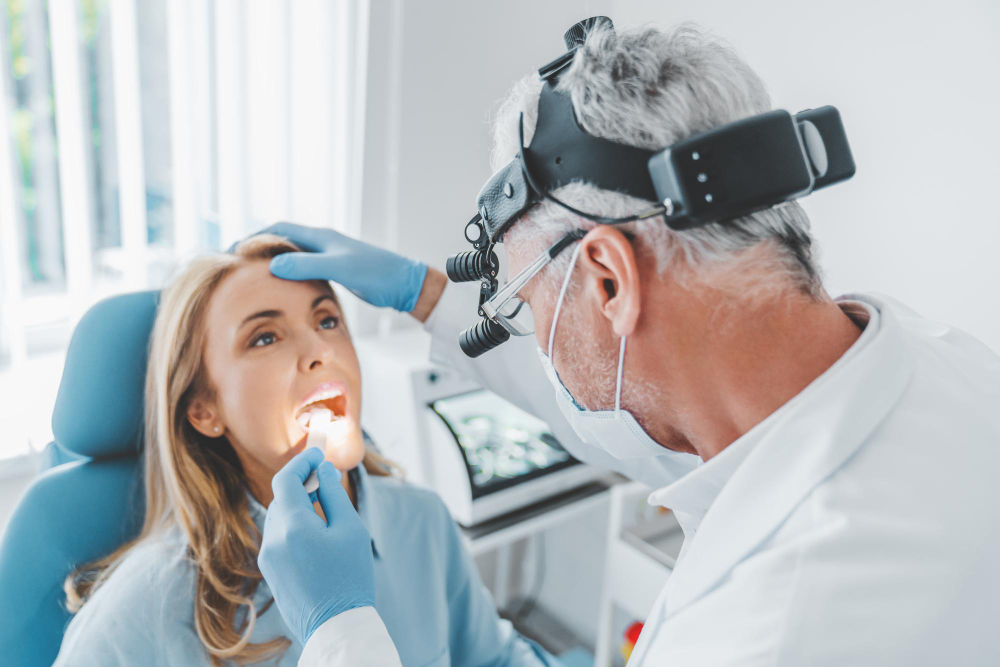
Selecting who will look after your smile is not an easy decision, particularly when obtaining dental implants. A dental implant is not a routine procedure that you obtain everyday. It’s not like visiting the dentist to have your teeth cleaned or get a small cavity filled. It’s a procedure that takes good planning, ability, and someone who knows what they’re doing. Here at Walsh Dental, we see many individuals who feel scared or confused when they begin considering implants. That’s perfectly understandable. After all, it’s your mouth, your smile, and your health. So naturally, you’d want to find someone that makes you feel secure and confident right from the start. Let’s discuss how to make that decision in a simple and straightforward way. Suppose you’re trying to decide who to have fix your car, or who to cut your hair. You wouldn’t go to the first person you happen to see or choose someone based on the fact that his ad looks good. You’d interview them, review their previous work, and listen to how they speak with you. Selecting a dentist for implants should be no different. The proper individual won’t only correct your tooth. They’ll make the entire experience comfortable and relaxed. So how do you know that type of individual? Experience Matters First, you need to ensure the dentist has experience doing this type of work. Just as you wouldn’t ask a new driver to drive you on a long journey, you might not want someone who’s just doing implants for the first time to do work on your teeth. A decent implant dentist in Adelaide should have experience doing dental implants. That implies they have done it hundreds of times, on various types of patients, and know how to handle it even when things don’t go exactly as expected. It is not just that they have been a dentist for a long time. It is that they have placed implants before, and did the job well. Clear Communication is Key Now, listen to how the dentist and their staff communicate with you. Do they speak in ways you can understand, or do they use big, fancy words that confuse you? The right dentist will speak simply to you, take the time to answer your questions, and shows transparency. They will not rush you through the appointment. They will ask you about your health, your way of life, and what you are looking to achieve. They will want to know if you are anxious or uncertain. They will want to hear about your aspirations. If they just glance at your teeth and tell you what you should do without listening, that’s a bad sign. A good dentist will also care for you as a person and not just your mouth. Technology and Tools It also pays to know what kind of equipment and technology they have. Nowadays, most good dental clinics employ 3D scans and digital X-rays. These machines allow the dentist to see your bone and plan your treatment thoroughly. It’s similar to studying a map before embarking on a road trip. It makes it safer and more precise. You don’t have to know all the machine names. You can just say, “Do you use contemporary instruments to map out the implant? ” Your good dentist will be glad to demonstrate and explain. You don’t have to be embarrassed. Clinic Environment and Team You can ask. Now, let’s discuss the individuals who work at the clinic. When you call to set up an appointment or ask a question, are they nice to you on the phone? Are they patient if you don’t know what they mean? When you arrive, does the office look clean and inviting? All of these things are more important than you realize. A warm receptionist, a smiling assistant, and a dentist who takes time to smile and greet you, these small gestures make the entire experience pleasant. It becomes easier to trust the process when you’re feeling at ease and well looked after. Another thing that you might find useful is to read what others have said. You can read reviews online or ask the clinic if they have stories or pictures of other patients who got implants. Don’t just look at how the teeth turned out. Pay attention to what people say about how they were treated. Did they feel listened to? Were they happy with the care? Did the implant last a long time? If many people say good things, that’s a strong sign. Cost Transparency If you notice lots of complaints, that’s something to consider. Naturally, there is one large question a lot of people have, and that is cost. Dental implants are more expensive than other dental procedures, and each clinic charges differently. Some dentists quote you one amount, but then charge you extra later for items such as X-rays or the crown. That gets annoying. A reputable Adelaide implant dentist in Adelaide will inform you of the total cost upfront. They’ll let you know what is included and assist you in knowing whether your health insurance will pay for some of it. They may also have a payment plan available if you can’t pay the entire amount upfront. The key is that they are upfront and transparent from the beginning. You never want to feel deceived or confused as to what you’re paying for. After your implant has been installed, there’s still some work to be done. Your mouth has to heal, and occasionally you may need questions answered afterward. Something may be a bit sore, or you simply want to be certain that all is well. That’s why it’s so vital that you select a dentist who will follow up with you after your procedure. They should welcome you back to ensure all is healing well. They should also be willing to take your phone calls if you’re concerned. A caring dentist won’t leave you after the procedure. Trust Your Gut Feeling They’ll be with
Foods That Help Strengthen Your Teeth and Gums
We all love having strong teeth and healthy gums. That helps us smile without worry, chew food easily, and talk clearly. Most of us know how important brushing and flossing are, but there is something else that matters just as much. That is the food we eat every day. What we eat can either make our teeth stronger or weaker. At Walsh Dental, we always tell people that good dental health is not just about using a toothbrush. It is also about what goes into your mouth during breakfast, lunch, dinner, and snacks. Let us now talk about the simple foods that help make your teeth and gums stronger. You do not need any special diet. Most of these foods are things you might already have at home. When you include them in your meals, your teeth and gums get stronger and healthier over time. Why Does Food Matter for Your Mouth Your teeth are made from minerals like calcium and phosphorus. Your gums are made from soft tissue that also needs vitamins like vitamin C to stay firm and pink. If you do not get enough of these nutrients in your food, your teeth may get weak, and your gums may bleed or swell. The good news is that many normal foods can give your mouth the strength it needs. Eating healthy food is like giving your teeth and gums protection from the inside. It is not just about avoiding candy. It is about adding the right fruits, vegetables, and drinks to your day. Milk, Cheese, and Yogurt for Stronger Teeth Milk is one of the best drinks for your teeth. It has calcium, which helps build and protect tooth enamel. Enamel is the outer layer of your teeth, and it is what keeps them safe from cavities. Cheese and yogurt are also full of calcium and protein. These help repair your teeth and also make your mouth produce more saliva. Saliva is important because it cleans your mouth and washes away bits of food and germs. Yogurt has good bacteria too. These friendly bacteria help keep away the bad ones that cause tooth decay. If you do not drink milk, you can still get these benefits from soy milk or almond milk, as long as they have added calcium and are not sweetened. Crunchy Fruits and Vegetables That Clean Your Teeth Fruits and vegetables that are crunchy are great for your teeth. Apples, carrots, and celery are especially helpful. When you chew them, they clean your teeth and help remove food stuck between them. These crunchy foods also make you chew more, which helps make more saliva. This saliva protects your teeth from acid and helps clean away harmful germs. Carrots and celery have lots of water and fiber. These help keep your teeth clean naturally. Pears are also helpful because they do not have much acid and are full of water, which is good for your mouth. Leafy Greens for Healthy Gums Leafy greens like spinach, kale, and lettuce are full of vitamins and minerals that help your mouth. They have calcium, which keeps teeth strong, and vitamin C, which keeps gums healthy. These greens also have fiber, which is good for your digestion and helps make more saliva. You do not have to eat a bowl of salad to get the benefits. You can add spinach to your sandwich or blend kale into a smoothie. These small additions still help. At our Dentist in Burnside clinic, we often tell families to start by adding a handful of greens to dinner a few times a week. That small step makes a big difference over time. Nuts and Seeds Are Small but Powerful Nuts like almonds, walnuts, and cashews are great for your teeth. Seeds like sunflower seeds and sesame seeds also help. These foods are packed with healthy fats, calcium, and magnesium. They protect the enamel on your teeth and give your gums what they need to stay healthy. Chewing nuts also helps your mouth make more saliva. That is important for washing away food and keeping your mouth fresh. Try to choose plain, unsalted nuts. If you do not like chewing nuts, you can crush them and sprinkle them on top of your yogurt or salad. Fish and Eggs Give You Vitamin D Fish like salmon and sardines are full of vitamin D. Eggs are also a good source. Vitamin D is important because it helps your body take in calcium from your food. Without vitamin D, even if you eat a lot of calcium, your body cannot use it well. Vitamin D also helps reduce swelling in your gums and keeps your teeth strong. Getting sunlight also gives your body vitamin D. Just a little time outdoors each day can make a big difference. We always encourage people to enjoy fresh air and sunshine whenever possible. Green Tea Helps Fight Bacteria Green tea is a healthy drink that protects your teeth and gums. It has natural ingredients that kill harmful bacteria in your mouth. Drinking green tea helps reduce plaque and keeps your gums from getting sore or swollen. It also helps with bad breath. If you drink green tea, try to avoid adding sugar. Even one unsweetened cup a day can help your mouth feel cleaner. At our Dentist in Burnside location, some patients have told us they felt better after switching from soda to green tea. They noticed fewer cavities and a fresher mouth overall. Fruits with Vitamin C Help Your Gums Oranges, kiwis, strawberries, and even bell peppers are all good sources of vitamin C. This vitamin helps keep your gums strong and healthy. It also helps your mouth heal faster if your gums are sore or bleeding. Some of these fruits have acid in them, so it is best to eat them during a meal and rinse your mouth with water afterward. That way you get the good benefits without hurting your enamel. Water Is the Best Drink
Can You Eat Popcorn With Braces? What You Should Know
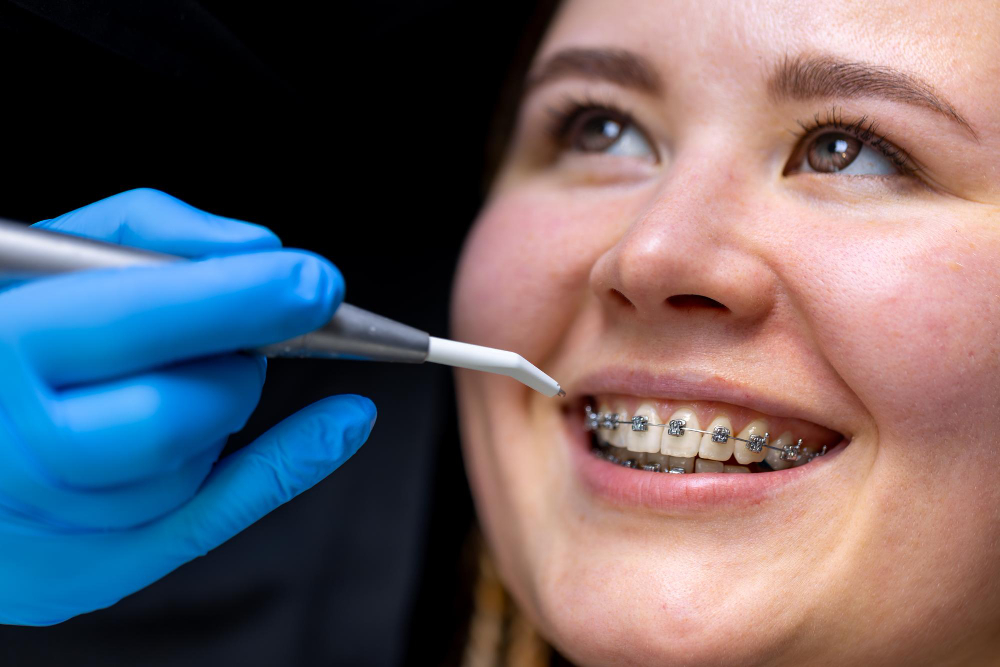
If you just got braces or are thinking about getting them, you probably have a lot of questions. One of the most common ones is about food. What can you eat and what should you avoid? This might sound like a small thing but it matters a lot when you are trying to take care of your teeth and keep your braces in good shape. One food that many people ask about is popcorn. So let’s talk about it. Popcorn is one of those snacks that almost everyone loves. It is light and crunchy and makes movie nights so much more fun. Some people eat it as a healthy snack during the day. Others enjoy it with butter and salt while watching their favourite shows. But if you have braces, popcorn is not such a friendly snack. In fact, it can be one of the most risky things to eat. At Walsh Dental, many people who visit us ask if they can still enjoy popcorn while wearing braces. And while we understand how tempting it is, our honest answer is usually no. Popcorn may look soft and harmless but it can actually do a lot of damage when you have braces. Why Popcorn Is a Problem When You Have Braces Let us explain why. When you eat popcorn, there are always some pieces that do not pop fully. These are called kernels. Even if you think you are only eating the soft parts, one little hard piece can sneak into your mouth without you noticing. These hard bits can break a bracket or bend a wire. And that is not just painful, it can also delay your entire treatment. Sometimes popcorn gets stuck between your teeth and your braces. This can cause irritation. It might feel like nothing at first but later on it can make your gums sore. If food stays stuck there for too long, it can even lead to an infection. Some people do not even realise something is stuck until their mouth feels swollen or starts hurting. Now let us say you eat popcorn and nothing breaks. You still might be in trouble. Why? Because popcorn is very difficult to clean out of braces. The small bits can hide in places your toothbrush cannot reach. Over time, that stuck food can lead to plaque. Plaque is a sticky layer that builds on your teeth. If you do not remove it properly, it can lead to cavities and gum problems. Is Popcorn Ever Safe With Braces You might be wondering if there is any type of popcorn that is safer to eat. Some brands say their popcorn is softer or has no kernels. These types might sound safer but most dentists still suggest avoiding them if you have braces. Even soft popcorn can leave behind bits that are hard to clean. What to Eat If You Miss Popcorn So what should you do if you really miss eating popcorn? We understand it can be hard. But the good news is that there are other snacks that are much safer. You can try soft fruit like bananas or grapes. Yogurt is a good choice too. Cheese slices or cubes can be a tasty snack. If you like something cool, a smoothie is a fun option and it is easy on your braces. You can even enjoy soft crackers or mashed potato snacks. These are all delicious and safe for your braces. What If You Are Using Invisalign Now let us talk about something different. What if you are not wearing metal braces but using clear aligners like Invisalign instead? This is where things change a little bit. If you are using Invisalign, you can take out your aligners when you eat. That means you do not have wires or brackets to worry about during meals. So yes, if you remove your aligners and eat popcorn carefully, you can enjoy it. But there is still one important rule. You must clean your teeth really well before putting your aligners back in. If even a tiny piece of popcorn stays behind, it can get trapped under the aligner. This can lead to problems like tooth decay or bad breath. So if you are using Invisalign and wondering if popcorn is okay, the answer is yes with a little caution. Just make sure your teeth are clean before putting your aligners back in. If you are not sure how to keep them clean, you can ask your Invisalign provider in Adelaide and they will help you with simple tips. What to Do If You Already Ate Popcorn Now you might be thinking, what if I already ate popcorn and I did not know it was a problem? That is a great question. First of all, do not worry too much. Mistakes happen. If you already ate popcorn, rinse your mouth with water right away. Then brush your teeth gently. Try to floss and check if any pieces are stuck. Use a mirror if you can. If you feel any pain or notice a broken wire or bracket, call your dentist right away. At Walsh Dental, we are always ready to help if something goes wrong with your braces. Why Dentists Ask You to Avoid Certain Foods It is important to understand why dentists tell people with braces to avoid certain foods. Braces are working all the time to move your teeth into better positions. This process needs the brackets and wires to stay in place. If they break or bend, your teeth cannot move the way they should. That means your treatment might take longer and you may need more visits to fix things. Besides popcorn, other foods to be careful with include sticky sweets, hard nuts, chewing gum and crunchy chips. These can all cause damage to your braces. You should also be gentle when eating raw vegetables like carrots. Try cutting them into small soft pieces or cooking them slightly. Taking Care of Braces Properly Taking