
How to Choose the Right Adelaide Dental Clinic for Your Family
Finding a trustworthy and professional dental clinic for your entire family can feel overwhelming, especially when everyone has different needs. Children may need pediatric dental care, while adults might be looking for cosmetic improvements or restorative treatments. Navigating these unique requirements while ensuring comfort, affordability, and long-term care makes choosing the right Adelaide dental clinic a crucial decision. At Walsh Dental, we understand that Oral health is directly linked to overall health, and quality dental care plays a vital role in preventing long-term problems like gum disease, tooth decay, and even systemic health issues. Whether you’re moving to Adelaide or just looking for a better fit for your family’s dental needs, this guide will help you understand what to look for in a dental provider and why it matters for your family’s wellbeing. 1. Assess Your Family’s Dental Needs Every family has its own dental priorities. Parents might be focused on preventative care and routine check-ups, while children need a gentle approach and specialized pediatric services. Teenagers might require orthodontic solutions like braces or Invisalign, and older adults may need dentures, crowns, or implants. Before choosing a clinic, outline your family’s current and potential future needs. This step will help you narrow your search to clinics that offer comprehensive care instead of having to jump between multiple providers. A family-oriented Adelaide dental clinic should offer services such as general dentistry, pediatric care, orthodontics, cosmetic dentistry, preventive education, and emergency services. 2. Verify the Qualifications and Expertise When it comes to your family’s health, professionalism and experience matter. You’ll want to choose a clinic staffed with licensed professionals who are registered with the Dental Board of Australia and hold the appropriate qualifications. It’s also wise to see if the dentists pursue ongoing education, stay current with new techniques, and are members of professional organizations like the Australian Dental Association (ADA). In addition, ask how long the clinic has been operating in the Adelaide area. Experience often brings not only skill but also a better understanding of how to manage patient needs with compassion and efficiency. 3. Choose a Convenient Location Convenience might not seem like the top priority at first, but it can quickly become a key factor, especially when you’re trying to juggle school schedules, work hours, and other responsibilities. A centrally located clinic or one close to home or school can make dental visits much easier to manage. Accessibility is also essential. Make sure the clinic has ample parking, public transport nearby, and facilities for patients with mobility needs. For families with young children or elderly members, these small details can make a big difference in ensuring regular dental care isn’t a chore. 4. Evaluate the Clinic Environment Dental anxiety is common, particularly among children and those who’ve had negative experiences in the past. A warm and welcoming atmosphere can significantly ease those fears. Look for a clinic with a friendly, professional staff and a calm, clean, and inviting interior. Pediatric-friendly environments—complete with games, books, or TV screens—can make the experience much more pleasant for younger patients. Also, clinics that clearly communicate procedures and options help patients feel informed and at ease, no matter their age. 5. Emergency Care Options Dental emergencies don’t wait for a convenient time. Whether it’s a chipped tooth from a soccer match, a sudden toothache, or a broken crown, having access to prompt care is vital. When considering a dentist in Adelaide, ask if they provide emergency services or same-day appointments. Quick access to emergency dental care offers peace of mind and prevents minor issues from escalating into more serious problems. Some clinics even offer after-hours support, which is particularly beneficial for busy families. 6. Explore Available Treatments and Technology Dental care continues to evolve, and modern clinics often adopt the latest technologies to provide better, faster, and more comfortable treatment. Innovations such as digital X-rays, laser treatments, same-day crowns, and 3D imaging help improve accuracy and reduce discomfort. Ask the clinic what technology they use and how it benefits patient care. Clinics that invest in modern equipment usually prioritize both clinical excellence and patient experience, which is exactly what you want for your family. Also, check the range of services offered. A good clinic should provide preventative, restorative, and cosmetic treatments so you don’t have to visit different locations for different needs. 7. Understand the Costs and Insurance Options While dental care is an investment in health, affordability still plays a key role. Ask for transparency about fees and billing policies. Does the clinic accept your private health insurance? Do they offer flexible payment plans for larger procedures? Many family-oriented clinics offer bulk billing for children under the Child Dental Benefits Schedule (CDBS), and some offer interest-free plans for major work. Knowing your financial options upfront helps prevent stress and lets you focus on care rather than costs. 8. Look for Personalized Family Care A clinic that treats every member of your family with personalized attention can dramatically improve your experience. Look for a dentist in Adelaide who takes the time to understand your dental history, explains treatment options clearly, and engages in preventative strategies that suit your family’s lifestyle. Continuity of care is important—having the same dentist for years builds trust and allows for more accurate diagnoses and proactive treatment. A great dental provider becomes a partner in your family’s health, not just a service provider. 9. Reputation and Community Trust A clinic’s reputation can tell you a lot about the quality of care. Ask friends, co-workers, or local parents’ groups for recommendations. Reading online reviews can also offer insight into how well the clinic is run and how patients feel about their experiences. One standout example in the Adelaide region is Walsh Dental. Known for their commitment to family-focused care, Walsh Dental combines professional expertise with a welcoming, compassionate approach. Their modern clinic and friendly staff make them a top choice for families looking for a reliable long-term provider. Walsh Dental also emphasizes education and prevention, working closely with patients
Benefits of Cosmetic Dental Procedures You Should Know
A bright, confident smile can transform not only your appearance but also your overall well-being. In today’s world, cosmetic dental procedures have become increasingly popular for people looking to enhance their smiles and boost their self-esteem. Whether you’re considering minor improvements or more extensive dental work, the benefits of cosmetic dental treatments are far-reaching. If you are exploring options for Dental Treatment in Adelaide, understanding the advantages of these procedures can help you make an informed decision that suits your needs. In this blog, we will delve into the top benefits of cosmetic dental procedures and why more people are turning to cosmetic dentistry in Adelaide to achieve their dream smiles. What Is Cosmetic Dentistry? Cosmetic dentistry refers to dental work aimed at improving the appearance of teeth, gums, and overall smile aesthetics. Unlike traditional dentistry that primarily focuses on oral health and function, cosmetic dentistry prioritizes aesthetics without compromising dental health. Procedures can range from simple teeth whitening to more complex treatments like veneers, dental implants, and orthodontics. Many dental clinics offering Dental Treatment in Adelaide now provide a variety of cosmetic services tailored to individual patient needs, combining health, comfort, and style. Key Benefits of Cosmetic Dental Procedures 1. Enhanced Self-Confidence and Self-Esteem One of the most profound benefits of cosmetic dental procedures is the boost in self-confidence they provide. A smile is often the first thing people notice, and imperfections such as discolored, chipped, or misaligned teeth can make individuals feel self-conscious. Cosmetic dentistry treatments such as teeth whitening, veneers, or clear aligners can drastically improve the appearance of your smile, allowing you to face social, professional, and personal situations with greater confidence. 2. Improved Oral Health While cosmetic procedures are often viewed as purely aesthetic, many of them also contribute positively to oral health. For example, dental crowns and implants not only enhance appearance but also restore function by protecting damaged teeth or replacing missing ones. This prevents further oral complications like decay or bone loss. Orthodontic treatments, a form of cosmetic dentistry, align teeth properly, making oral hygiene easier and reducing the risk of gum disease and cavities. Therefore, cosmetic dentistry in Adelaide is not just about looks but also about promoting healthier teeth and gums. 3. Correction of Dental Imperfections Cosmetic dental procedures can correct a variety of dental issues, including: By addressing these problems, patients can achieve a balanced, harmonious smile that looks natural. 4. Long-Lasting Results Many cosmetic dental treatments offer long-lasting effects, making them worthwhile investments. Teeth whitening can maintain results for months or years with proper care, and veneers or crowns can last for a decade or more with regular dental visits. Dental implants, often considered the gold standard for tooth replacement, can last a lifetime when properly maintained. This durability sets cosmetic procedures apart from temporary fixes, providing sustained improvement in both function and appearance. At Walsh Dental, patients benefit from personalized treatment plans that maximize longevity and satisfaction. 5. Pain-Free and Minimally Invasive Options Thanks to advances in dental technology, many cosmetic procedures today are minimally invasive and pain-free. Techniques like laser teeth whitening, digital smile design, and clear aligners reduce discomfort and recovery time. For those worried about the dental chair, modern clinics specializing in cosmetic dentistry in Adelaide use sedation and gentle approaches to ensure a comfortable experience. 6. Boost in Career Opportunities A bright, attractive smile can significantly impact your professional life. Studies show that people with appealing smiles are often perceived as more approachable, confident, and successful. This perception can open doors in job interviews, networking, and client interactions. Investing in cosmetic dental treatments can thus indirectly improve your career prospects by enhancing your appearance and the way you present yourself. 7. Customized Treatments to Suit Your Needs One of the great advantages of cosmetic dentistry is the personalized approach. Every smile is unique, and dental professionals work closely with patients to create customized treatment plans. Whether you want subtle whitening or a full smile makeover, cosmetic dentists will tailor treatments to match your facial features, lifestyle, and preferences. 8. Increased Motivation to Maintain Oral Hygiene Once you invest in improving your smile, you are likely to become more motivated to maintain it. Patients who undergo cosmetic procedures often adopt better oral hygiene habits, including regular brushing, flossing, and dental checkups. This improved care contributes to the long-term health and appearance of your teeth, creating a positive feedback loop that benefits your overall oral health. Why Choose Cosmetic Dentistry in Adelaide? If you are considering cosmetic dental treatments, choosing the right provider is crucial. Adelaide boasts many reputable dental clinics offering advanced cosmetic solutions. Opting for cosmetic dentistry in Adelaide ensures access to experienced professionals, state-of-the-art technology, and personalized care. Clinics like Walsh Dental provide comprehensive consultations, allowing patients to understand their options clearly and set realistic expectations. The combination of expertise and technology ensures the best aesthetic and functional results. Conclusion Cosmetic dental procedures offer numerous benefits beyond just enhancing your smile. From boosting self-confidence to improving oral health, correcting imperfections, and providing long-lasting, minimally invasive solutions, these treatments are truly transformative. Whether you want a subtle change or a complete smile makeover, exploring cosmetic dentistry in Adelaide with trusted providers like Walsh Dental can be the key to unlocking your best smile.
Common Signs You May Need a Root Canal
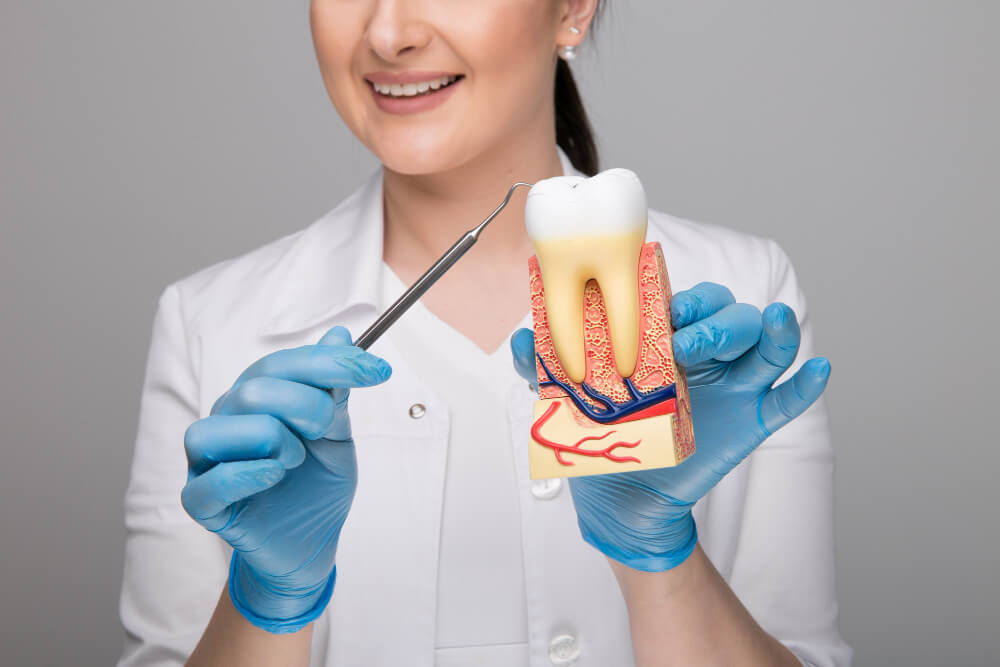
Maintaining a healthy smile isn’t just about brushing and flossing—it’s about understanding when your teeth might be signaling something more serious. One dental procedure that often causes anxiety but is crucial for saving your natural tooth is root canal treatment. Recognizing the common signs early can make all the difference in preserving your dental health and preventing unnecessary pain. Whether your pain is just a dull throb or more severe, it is important that you understand when a professional dentist in Adelaide is necessary. Here, we discuss the most important signs that you might require root canal treatment, why it is so important that you consult a professional early on, and how clinics like Walsh Dental deliver expert care to save your smile. What Exactly Is a Root Canal Treatment? Your teeth are more than the obvious dentin and enamel coatings; embedded at their core is the pulp, a soft tissue consisting of nerves, blood vessels, and connective tissue. This pulp is what keeps the tooth alive and sensitive. But if bacteria invade deep into the tooth through decay, trauma, or cracks, the pulp can become infected or inflamed. Once the pulp is injured, it no longer heals, leading to pain, swelling, and even abscess. Root canal treatment involves carefully removing the affected or inflamed pulp, cleaning the interior of the tooth, and then filling and sealing the tooth to prevent future infections. Root canals are not well liked, but contemporary dentistry has made the process easy, comfortable, and very successful. You don’t have to lose the tooth; this treatment lets you retain your own natural smile and skip more drastic procedures. Why Early Detection Is Important Paying no attention to pulp infection or inflammation symptoms can result in grave issues. An infected tooth, ignored, can cause: By identifying signs in the initial phase and taking advantage of professional dental services in Adelaide, you increase the odds of successful treatment and lower the odds of additional harm. Dental clinics such as Walsh Dental ensure proper checks to establish the appropriate treatment for your particular case. Common Signs You May Need a Root Canal Let us talk about the most frequent symptoms that indicate the pulp within your tooth is under threat: Other Signs You Can’t Afford to Ignore Aside from the usual signs, there are some less obvious signs that may signal pulp problems, including How Root Canal Treatment in Adelaide Works If you feel you need a root canal, then going to a reputable dental clinic is where it should begin. At Walsh Dental in Adelaide, professional evaluation and treatment plans suitable for your situation are undertaken. Diagnostic Process The examination by the dentist includes: The Treatment Procedure Once diagnosed, the root canal procedure comprises How to Avoid the Need for a Root Canal Even root canals are avoidable if you take good care of your teeth. Here’s how to reduce your risk: When Should You Get Urgent Dental Care? Certain symptoms require immediate attention, including If you feel any of these, visit a dentist right away to prevent life-threatening conditions. Conclusion: Don’t Ignore Your Tooth’s Warning Signs It’s necessary to observe signs of requiring a root canal so that you enjoy good long-term oral health. All pain, sensitivity, swelling, and discoloration will never abate. In Adelaide, if you want expert root canal service, there are reputable dental clinics such as Walsh Dental, with the expert service of the skilled Dr. Thadsha, which offer patient comfort and good treatment. If you are quick about it and visit your dentist, you can preserve your natural teeth and have a healthy smile. If you are feeling any of the above-mentioned symptoms, do not delay—call Walsh Dental today for professional advice and treatment under the guidance of Dr. Thadsha.
What Happens to Your Teeth When You Don’t Get Enough Calcium?

When most people think of the word “calcium,” bones are most likely going to be the very first thing that they think of immediately. But although calcium is extremely important when it comes to healthy bones, calcium also plays a very important role in healthy teeth. Lack of calcium not only ruins your structure of bones—though it can lead to other issues aside from cavities and stinky mouth with your teeth too. This blog explores what happens to your teeth when your calcium intake is insufficient, signs to watch out for, and how to maintain optimal dental health. If you’re concerned about your calcium levels or your dental well-being, this is essential reading. The Role of Calcium in Dental Health Calcium is a mineral employed to produce hard bones and teeth. The body holds almost 99% of its calcium in teeth and bones and employs it to aid in making them hard and organized. Calcium and phosphate within your teeth unite to form hydroxyapatite, the mineral employed to provide enamel with hardness. But wait, there’s more. Calcium plays a vital part also in maintaining healthy gums, healthy jawbones, and oral pH balance. When your body lacks calcium, it diverts the very functions of the heart, muscles, and nerves. If it’s not getting it from food, it steals it from your teeth and bones, making them weaker and weaker. What Goes Wrong When You Don’t Get Enough Calcium 1. Thinning Tooth Enamel The enamel is the tooth’s outer layer and protective barrier. It’s the hardest part in the body—but not invincible. Without sufficient calcium, the enamel starts to be less mineralized, so it thins out and gets more permeable. This may lead to: 2. Tooth Decay A diet poor in calcium will soften the enamel and predispose it to penetration by acid and bacteria. This can accelerate decay and necessitate fillings, root canals, or extractions. Lost enamel cannot be restored, so prevention is the key. 3. Gum Disease Calcium is used to stiffen the jawbone under and around the teeth and gum tissue. Gum inflammation (gingivitis) and periodontal disease will be created by a lack of calcium. The gums bleed and recede due to gum disease, causing bad breath, and the teeth will be lost if not treated. 4. Loss of Jawbone Your teeth are fixed in the jawbone, and this relies on calcium in order to be firm. If there is no calcium, the jawbone will begin to deteriorate. This compromises the support system of teeth, thus loosening teeth or even causing tooth loss. This is quite so among older persons, and even more so among post-menopausal women, as they are already at risk of osteoporosis. 5. Developmental Disorders in Children Teenagers and children are forming bones and teeth, and its enormous demand has to be fulfilled in these growth periods. Its absence in these growth periods could cause 6. Inefficient Healing After Dental Interventions Calcium is necessary for maximum blood clotting and healing of cells. If you lack calcium, your body won’t heal as fast after dental treatment such as surgery, extractions, or implants. Red Flags You Might Be Calcium Deficient While the ideal test for measuring calcium is by blood, there are red flags of certain signs and symptoms: If you do any of these, it is recommended that you consult with your dentist in Adelaide to ascertain the cause. How Much Calcium Do You Really Need? The amount of calcium needed on a daily basis varies by age and gender. Based on Australian dietary guidelines: Pregnant or breastfeeding women may need additional calcium. Where to Get Your Calcium You do not have to get all of your calcium from supplements. There are many foods that contain calcium, which you can obtain from food: Dairy Foods: Non-Dairy Foods: If you are lactose intolerant or a vegan, leafy greens and fortified foods are especially convenient. Calcium and Vitamin D: A Working Team Calcium requires vitamin D in order to be absorbed. Without enough vitamin D, your body will not absorb the calcium in food regardless of how much you consume. The best sources of vitamin D are sunshine, fatty fish, eggs, and fortified products. If you are one of those individuals that receive very little sunlight exposure—something extremely normal for wintertime in southern Australia—it is probably a good suggestion to discuss supplementation with a healthcare professional. Prevention and Long-Term Care Preventing calcium deficiency and how it affects your teeth is something that you should implement in an active manner. Here is what you should do: 1. Eat a Balanced Diet Highlight some of the high-calcium foods at lunchtime and dinner. Provide them with foods that contain vitamin D so they will be absorbed as efficiently as possible. 2. See Your Dentist From Time to Time Regular checks can identify warning signs of tooth enamel loss, gum disease, or bone recession. Your Adelaide dentist will inform you if changes in your diet and way of life will improve these aspects. 3. Do Not Eat Sugary, Acidic Foods Sugars, fizzy beverages, and extremely acidic fruits are more likely to spoil already weakened enamel quicker. Rinse with water after consuming them, and don’t brush immediately to avoid destroying them. 4. Brush Fluoride Toothpaste Enamel is fortified by fluoride, which also makes enamel harder to decay. Fluoride treatment can also be provided by your dentist if your enamel is abnormally thin or compromised. 5. Drink Lots of Water Saliva helps neutralize acids in the mouth and provides minerals to protect enamel. Drink plenty of water, especially if you’re consuming foods that are acidic or high in sugar. Dental Care in Adelaide: Why Local Matters The water chemistry, diet, and environment of Adelaide will decide dental health. South Australian water can be treated, say, but it will contain varying levels of fluoride and minerals that influence enamel strength. Personal dental care in Adelaide involves you being given advice and treatment with local conditions in mind. Walsh Dental, for instance, offers one-on-one preventive care
Can a dentist in Burnside fix my uneven teeth?
Crooked teeth may be more than a cosmetic destroyer of your smile—they may also lead to oral problems, speech difficulties, and even chewing and digestive issues. Most patients in Burnside come to see professional dental care to straighten crooked teeth and not only improve function but beauty as well. If you are wondering whether or not a Burnside dentist can fix your crooked teeth, the answer is yes! At Walsh Dental, one of the top dental treatments in Burnside, patients can seek out a number of treatments for crooked or asymmetrical teeth. If your teeth are slightly uneven or very crooked, a professional dentist can assist you with the best type of treatment. This blog post is going to tell you the reasons why teeth are uneven, the issues they can cause, and the various dental treatments that exist so that you can have the straight, confident smile that you deserve. What Causes Uneven Teeth? Uneven teeth, or dental misalignments/malocclusions, can be caused by a myriad of reasons. Some of the most prevalent causes are: 1. Genetics Your genes have a significant influence on the shape your teeth will erupt in. If you have crooked teeth or overcrowding in your parents’ mouths, you could inherit the same tooth position. 2. Childhood Habits Some childhood habits can result in irregular teeth, including: These habits can exert pressure on growing teeth and force them out of line. 3. Premature Loss of Baby Teeth Premature loss of the baby teeth may lead to the surrounding teeth drifting into the vacant space, causing crowding or malalignment when the permanent teeth erupt. 4. Misaligned Jaw A malaligned jaw will lead to numerous issues of bite such as overbite, underbite, or crossbite, which are the reasons behind uneven teeth. 5. Inadequate Dental Hygiene If dental hygiene is not maintained, tooth loss and gum disease may develop, which may ultimately result in misalignment and drifting teeth. Why Straighten Crooked Teeth? While crooked teeth are viewed as merely a cosmetic issue by some, there are a variety of reasons that you should get them straightened. 1. Oral Health Benefits Crooked teeth are more challenging to clean between, which encourages plaque, cavities, and gum disease. Straightening teeth simplifies oral care. 2. Better Chewing and Digestion Teeth are used to crush food so it can be digested. Teeth that are not straight have trouble chewing effectively and lead to digestion issues. 3. Jaw Pain and TMJ Disorders Avoidance Misaligned teeth also generate extra tension within the muscles and joints in the jaw, causing temporomandibular joint (TMJ) disorder, headaches, and facial discomfort. 4. Clearer Speech Some of these misalignments, such as overbite or interproximal spaces, may also impact speech clarity. Better alignment can make speech and pronunciation better. 5. Enhanced Self-Confidence A good-looking, straight smile can improve self-confidence immensely and make an individual feel more comfortable in social and business settings. How Can a Dentist in Burnside Straighten Crooked Teeth? A Burnside dentist, such as the professionals at Walsh Dental, can offer many options to fix crooked teeth. The most suitable solution depends on the degree of misalignment, personal preference, and health of teeth. 1. Traditional Braces Metal braces remain one of the most effective treatments for straightening crooked teeth. Braces are made up of metal brackets and wires that, over a period of time, push teeth into position. Benefits: ✔ Can be used for any degree of misalignment✔ Very effective for severe cases✔ Can be colored differently with different band colors Disadvantages: ✖ More noticeable than other treatments✖ Must be tightened from time to time, which can be painful 2. Clear Aligners (Invisalign) If less visibility is desired, then clear aligners like Invisalign are the answer. These are removable, clear plastic trays that gently shift the teeth into place. Advantages: ✔ Practically invisible✔ Removable during eating and brushing✔ More comfortable than metal braces Disadvantages: ✖ Not suitable for severe misalignments✖ Requires self-discipline to wear for 20–22 hours per day 3. Dental Veneers Veneers are thin, custom ceramic or composite shells that are bonded over the front of teeth. They are ideal for minor misalignment, spacing, or discoloration correction. Advantages: ✔ Immediate result✔ Able to fix multiple cosmetic imperfections✔ Stain-resistant and long-lasting Disadvantages ✖ Doesn’t really move teeth , but only hides imperfections✖ Removes some of the enamel, so the procedure is permanent 4. Dental Bonding Bonding is a procedure where a tooth-colored resin is filled to reshape teeth and fix small misalignments. It’s a quick and cheap method to make small changes. Advantages: ✔ Quick and painless✔ Cheap✔ Improves appearance instantly Disadvantages: ✖ Not as long lasting as veneers or crowns✖ May require retouching in the future 5. Dental Crowns Crowns encase the whole tooth and can be utilized to re-contour and align very irregular teeth. Crowns are generally indicated if a tooth is broken or weak. Advantages: ✔ Protects and strengthens weak teeth✔ Enhances function and appearance✔ Permanent Disadvantages: ✖ More invasive than the other treatments✖ Natural tooth reshaping is required Why Choose Walsh Dental for Dentistry in Burnside? Whenever dental care is being considered at Burnside, Walsh Dental has to be a priority to enjoy expert care and a personalized method of treatment. 1. Friendly, Experienced Team Walsh Dental’s experienced and friendly staff takes the time necessary to detail every treatment method carefully and provide relief to discomfort for patients. 2. Advanced Equipment Walsh Dental utilizes cutting-edge technology to identify precisely what issues and problems can impact a patient and deliver top-class treatments. 3. Full Options From traditional braces to Invisalign and veneers, Walsh Dental offers the full lineup of treatments to accommodate your personal requirements. 4. Patient Reviews Many pleased patients have offered rave reviews, praising the welcoming and professional service at Walsh Dental. What to Expect at Consultation When you visit clinic for a consultation, your dentist will:✔ Carefully check your jaw and teeth.✔ Use digital X-rays or scans to see if your teeth are aligned.✔ Discuss treatment plans based on your requirements.✔ Create a
What is Crossbite? Signs, Effects, and Treatment
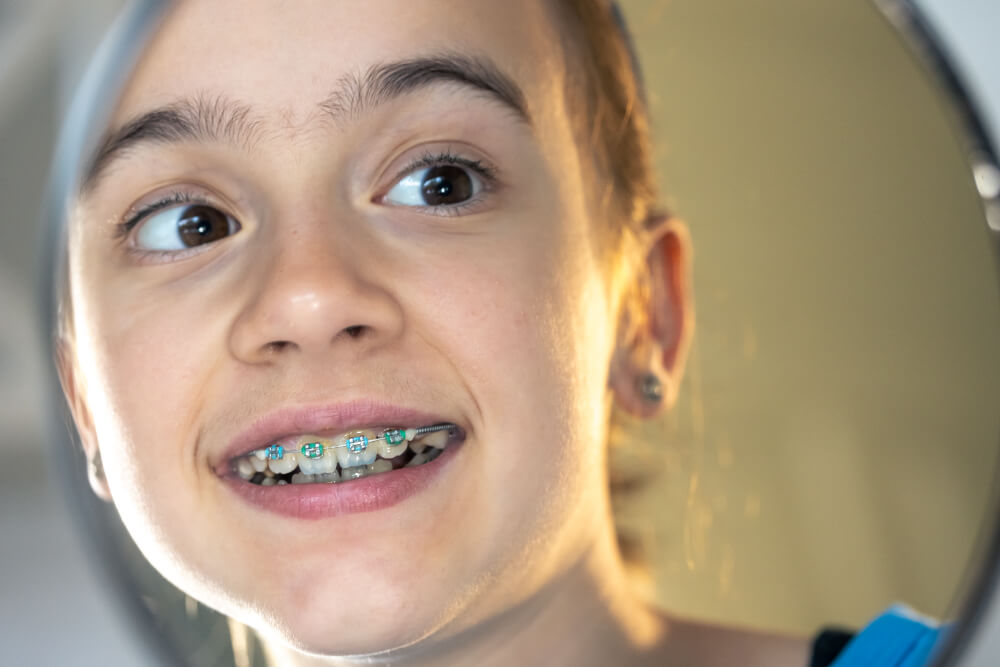
A crossbite is a common dental misalignment where the upper teeth bite inside the lower teeth instead of slightly overlapping them. This condition can affect both children and adults, leading to various dental health problems if left untreated. Understanding the signs, causes, effects, and treatment options for crossbite is essential for maintaining optimal oral health. This blog will explore everything you need to know about crossbite, including its types, symptoms, causes, effects on oral health, and available treatments. If you are experiencing issues related to crossbite, seeking professional dental care is crucial for proper diagnosis and treatment. Types of Crossbite Crossbite is categorized into two main types, depending on which teeth are affected: 1. Anterior Crossbite An anterior crossbite occurs when the front upper teeth sit behind the lower front teeth. This condition may result from skeletal discrepancies such as a prominent lower jaw or a retruded upper jaw. An anterior crossbite is often confused with an underbite, but they are distinct conditions. 2. Posterior Crossbite A posterior crossbite occurs when the upper molars and premolars sit inside the lower molars and premolars. It can affect one side (unilateral) or both sides (bilateral) of the mouth. This condition is commonly associated with a narrow upper jaw, which can be due to genetics, prolonged oral habits, or improper jaw development. Both types of crossbite require early diagnosis and treatment to prevent long-term dental complications. Signs and Symptoms of Crossbite Recognizing the signs of crossbite early can help prevent further complications. Here are some common indicators: If you notice any of these symptoms, it is important to consult a dentist or orthodontist for evaluation. Causes of Crossbite Crossbite can develop due to various genetic and environmental factors, including: 1. Genetic Factors Heredity plays a significant role in jaw and tooth development. If parents have a history of crossbite, their children may be more likely to develop it. 2. Delayed Loss of Baby Teeth If primary (baby) teeth do not fall out on time, permanent teeth may erupt in incorrect positions, leading to crossbite. 3. Abnormal Jaw Growth Disproportionate growth of the upper and lower jaw can cause misalignment, resulting in crossbite. 4. Prolonged Oral Habits Habits such as thumb sucking, prolonged pacifier use, or tongue thrusting can influence jaw development and lead to crossbite. 5. Breathing Issues Chronic mouth breathing due to nasal obstructions (e.g., allergies, enlarged tonsils, or adenoids) can affect jaw formation, increasing the risk of crossbite. Early intervention can help correct crossbite before it worsens and leads to long-term oral health problems. Effects of Untreated Crossbite Leaving crossbite untreated can result in several complications, including: 1. Tooth Decay and Gum Disease Misaligned teeth are harder to clean, increasing the risk of plaque buildup, cavities, and gum disease. 2. Jaw and TMJ Problems A crossbite can strain the temporomandibular joint (TMJ), leading to pain, clicking sounds, and difficulty opening or closing the mouth. 3. Uneven Tooth Wear Improper alignment causes excessive wear on certain teeth, leading to fractures, enamel erosion, and increased sensitivity. 4. Speech Impediments Severe crossbite can affect speech clarity by interfering with tongue placement during pronunciation. 5. Facial Asymmetry In children, an untreated crossbite can lead to an imbalanced facial appearance due to uneven jaw growth. 6. Digestive Issues Difficulty in chewing food properly may impact digestion and overall nutrition. Seeking professional dental care in Adelaide can help prevent these complications and ensure long-term oral health. Diagnosis of Crossbite A dentist or orthodontist can diagnose crossbite through a thorough dental examination, which may include: If you suspect you have a crossbite, visiting a dentist in Adelaide for an evaluation is the first step toward correction. Treatment Options for Crossbite Treatment for crossbite depends on the severity of the condition and the patient’s age. Several methods are available to correct crossbite, including: 1. Palatal Expanders A palatal expander is a device used to gradually widen the upper jaw, creating space for proper alignment. This treatment is most effective in children and teenagers whose jawbones are still developing. 2. Braces Traditional braces are an effective solution for correcting crossbite by gradually shifting teeth into their proper positions. Braces apply controlled pressure to realign both anterior and posterior crossbites. 3. Clear Aligners (Invisalign) For mild to moderate crossbites, clear aligners such as Invisalign provide a discreet and comfortable alternative to traditional braces. These custom-made trays gradually move teeth into proper alignment. 4. Myofunctional Therapy Myofunctional therapy consists of exercises designed to correct improper tongue posture and swallowing patterns that contribute to crossbite development. 5. Tooth Reshaping and Bonding In some cases, minor reshaping of the teeth or the use of dental bonding can help improve the bite. 6. Orthognathic Surgery For severe crossbite cases involving skeletal discrepancies, orthognathic (jaw) surgery may be necessary to reposition the jaw for optimal alignment. 7. Retainers After active treatment, retainers are often recommended to maintain the corrected bite and prevent relapse. Choosing the right treatment depends on factors such as age, severity of misalignment, and personal preference. Consulting an experienced dentist in Adelaide will help determine the best treatment plan. Early Intervention and Prevention Correcting crossbite at an early stage is beneficial as children’s bones are more adaptable to treatment. Here are some preventive measures: Early intervention reduces the need for invasive treatments later in life. Why Choose Walsh Dental for Crossbite Treatment? At Walsh Dental, we specialize in providing advanced orthodontic treatments tailored to individual needs. Our team, led by Dr. Thadsha, is dedicated to helping patients achieve a healthy, properly aligned smile. Whether you require braces, clear aligners, or other corrective treatments, we ensure personalized care with state-of-the-art technology. If you’re experiencing crossbite issues, seeking professional dental care in Adelaide is the best way to restore proper alignment and improve your oral health. Conclusion Crossbite is a common dental issue that can lead to serious complications if left untreated. Recognizing the signs and seeking timely treatment is crucial for maintaining a healthy smile and preventing long-term problems. If you or your
Enhance Your Confidence with Professional Whitening Treatment from a Skilled Dentist in Leabrook
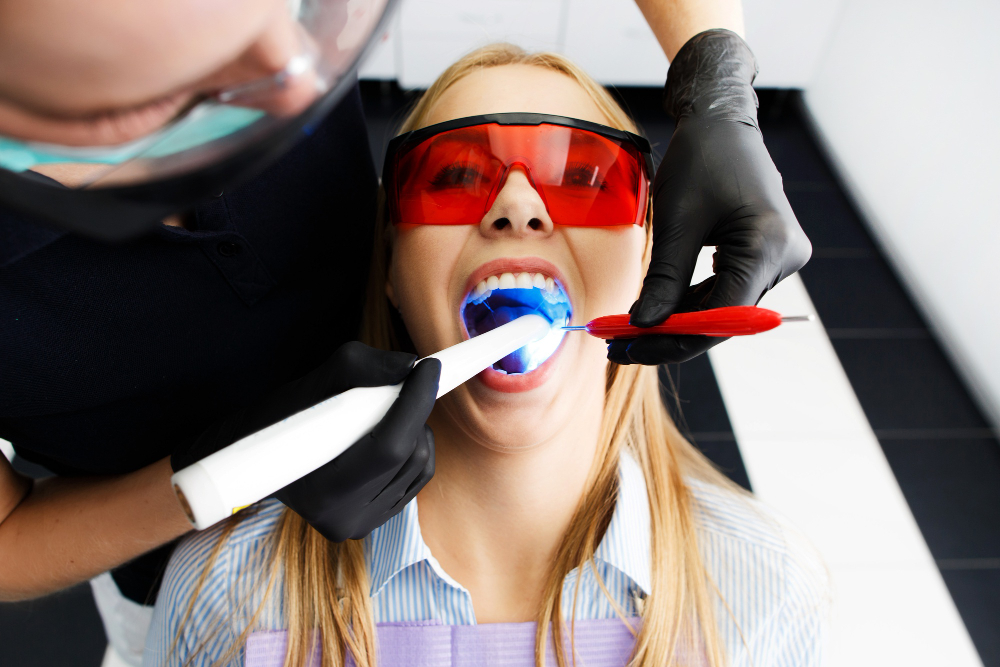
A shiny, white smile tends to go with confidence, success, and good first impressions. But routine behaviors such as the consumption of coffee, tea, or red wine, smoking, and even the natural process of aging can lead to yellowed, dull, or stained teeth. Professional whitening of the teeth is the best remedy if you find yourself covering up your smile for the camera or blushing at parties. Unlike over-the-counter whitening products, professional whitening treatment is safe, very effective, and lasts much longer. Looking for a dependable dentist in Leabrook? Dr. Thadsha at Walsh Dental provides the best whitening treatments customized to you. Keep reading to find out how professional whitening can boost your self-confidence and how expert care does make a difference. Why Teeth Whitening Does Matter Your smile is also one of the first things that anyone ever notices when they meet you. A whiter smile can: Professional teeth whitening is not just about looks; it is about looking and feeling great in every area of life. Why Do Teeth Stain or Yellow? There are a number of reasons why teeth stain or turn yellow over time, such as: 1. Food and Drinks Rich foods and drinks like coffee, tea, red wine, berries, and tomato sauces have pigments that are left behind in your enamel, causing stains. 2. Smoking Smoking or chewing tobacco puts your teeth in contact with tar and nicotine, which deposit hard yellow and brown stains that cannot be eliminated by brushing. 3. Aging As you get older, the outer layer of enamel erodes and the yellow dentin underneath is exposed. It is a natural phenomenon that can cause tooth discoloration as you get older. 4. Lack of Oral Hygiene Lack of brushing, flossing, and dental cleaning leaves room for stains and plaque to develop, blunting your smile. 5. Medications Teeth discoloration is a rare side effect of antibiotics, antihistamines, and certain blood pressure medications. 6. Genetics Your own tooth color also is influenced by genetics to a certain degree, so of course there are individuals who have whiter enamel than you. Knowing the reason behind your discoloration determines the most effective whitening technique for your teeth. Why professional whitening vs. at-home kits? There are whitening products galore on drugstore shelves, making it tempting to use an at-home kit. But professional teeth whitening has many benefits over store-bought kits: 1. More intense and faster results Dentists use high-power bleaching solutions that provide immediate dramatic whitening in one sitting, as opposed to weeks of at-home whitening. 2. Personalized Treatment Plans An experienced dentist customizes the whitening process to your personal needs without causing sensitivity for uniform whitening. 3. Safe and Controlled Application Over-the-counter strips and gels irritate gums or whiten unevenly when misused. Your Leabrook dentist uses it safely and in control. 4. Longer-Lasting Whiteness Professional treatment penetrates more into the enamel, and you get a longer-lasting white than with products on store shelves. 5. Lower Risk of Sensitivity Sensitized teeth most often happen after whitening. Special techniques and application of desensitizing agents by a professional dentist minimize most risk. For safe, sure, and successful whitening, choose professional whitening. What to Expect with a Professional Whitening Treatment Professional whitening at Walsh Dental is quick, painless, and very effective. Here is how it is done: Step 1: First Consultation Your dentist will evaluate your teeth, and he or she will address whitening expectations with you and establish if and when you’re a good candidate for the procedure. Any of your dental issues that you may have, including cavities or gum disease, will be treated prior to whitening. Step 2: Preparation Your teeth are cleaned by your dentist before application of the whitening agent in order to clean off any dirt or plaque. A barrier is also placed around your gums in order to prevent irritation. Step 3: Application of Whitening Professional-strength bleach is applied to your teeth via a high-end whitening gel. A specialized light, based on the treatment, is employed to accelerate whitening. Step 4: Multiple Sessions (If Necessary) It is possible for some patients to attain the color they want in a single visit, while others may require multiple visits for optimal results. Your dentist will inform you what works best for your teeth. Step 5: Post-Treatment Care You will be given instructions for aftercare to keep your smile looking its best. This could involve stain-resistant foods, sensitivity-reducing toothpaste, and checkup visits. The procedure is fast and painless, and having a dramatically whiter smile is within easy reach with no effort. How to Keep Your Lighter Smile Shining Bright After Whitening Once you’ve spent money on professional whitening, it’s necessary to protect your work. Use these tips to keep your teeth feeling bright and clean: 1. Practice Good Oral Hygiene Brush your teeth twice a day, floss once daily, and use a toothpaste that contains a whitening agent to avoid new stains from setting in. 2. Stay Clear of Staining Foods and Drinks Avoid regular consumption of coffee, tea, red wine, and dark sauces. Spitting out water afterwards, when you do eat or drink them, will clean the mouth. 3. Give Up Smoking Smoking tobacco causes teeth to stain very quickly, and giving up smoking prevents instant staining and leads to a cleaner smile and healthier mouth. 4. Drink with a Straw Sipping coffee or soda through a straw prevents the drink from touching your teeth, thereby preventing stains. 5. Get Touch-Up Treatments Whitening is not permanent, but regular touch-ups can keep your results looking great in the long term. Visit Walsh Dental for follow-up treatment as necessary. 6. Visit Your Dentist Every Now and Then Regular dental cleanings take away surface stains and plaque, leaving your smile healthy and radiant. Why Walsh Dental for Your Whitening Treatment? Professional whitening requires specialists. Walsh Dental is equipped to offer:✔ Personalized Treatment: Each patient gets a personalized treatment plan for optimal results.✔ Latest Whitening Technology: The clinic employs the latest technology for long-lasting whitening.✔ Sensitivity-Free and Comfortable
How Do I Get Over Dental Anxiety? Importance of Overcoming Dental Fear
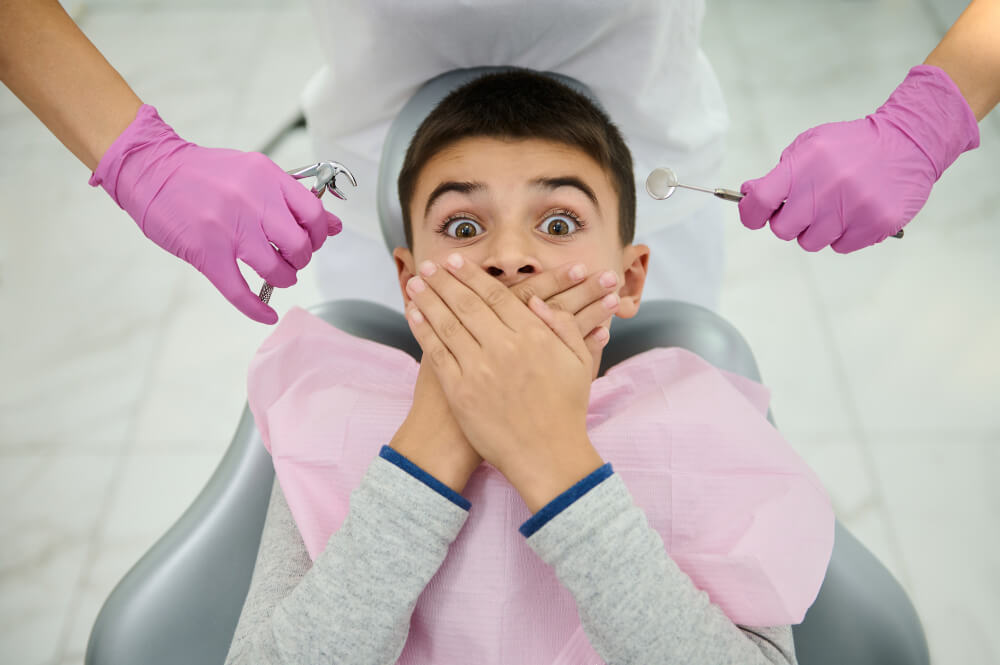
For most people, a visit to the dentist’s clinic is an ordeal to suffer through fear. Either dental pain fear, bad past experience, or merely the sound of dental equipment, dental phobia spares none at any age. Fear thus is bound to deter them from treatment otherwise unavoidable, thereby piling opportunities for oral disease. Conquering fear of the dentist is crucial, not only for a healthy smile but also to prevent serious health complications. If you are afraid of the dentist, don’t worry—you’re not alone, and the good news is that there are ways of conquering and reducing your fear. In this, we will explain why conquering dental fear is important, the primary reasons for dental fear, and simple tips to assist you in becoming more comfortable in the dentist’s chair. We will also elaborate on how a visit to the right dentist in Leabrook, such as Dr. Thadsha at Walsh Dental, will make a difference in having an anxiety-free procedure. Why Overcoming Dental Fear is Important Dental fear is more than a nervous anticipation of an appointment; it can have severe consequences on your overall health and well-being. Here’s why it’s so crucial to overcome your dental fear: Common Causes of Dental Phobia Learn why you are afraid of the dentist so that you can take action. The most common causes are as follows: 1. Fear of Pain: Maybe the biggest cause for people dreading the dentist is the prospect of pain sitting in the dentist chair. Negative past experiences, such as with someone else who’s had horrifying experiences, may plant seeds of fear. 2. Loss of Control: Recounting yourself lying back in a dental chair while someone manipulates inside your mouth can lead people to feel vulnerable and tense. 3. Embarrassment About Oral Health: A patient with an oral issue, such as stained teeth or chipped teeth, may feel embarrassed about it and afraid of judgment from the dentist. 4. Previous negative experiences: An unpleasant dental experience, especially at an early age, can lead a person to become long-term phobic. A single unpleasant experience can yield dental avoidance. 5. The Fear of Drills or Needles: The noise and visual of dental tools, particularly drills and needles, can frighten some patients. 6. Sensitive Gag Reflex: Some individuals feel dental procedures will gag them and cause pain. Fortunately, modern dentistry is patient-focused. Dental clinics like Walsh Dental make every effort to provide patients with a comfortable, anxiety-free experience. Practical Solutions to Overcome Dental Fear Dentist phobia is common, but it doesn’t have to dictate your oral hygiene. The solutions listed below are practical ways to overcome your phobia and ease the experience of visiting the dentist. How a Good Dental Clinic Can Help Alleviate Anxiety The right dental practice choice would be a revolution. Trustworthy clinics such as Walsh Dental ensure patient relaxation. They keep patients relaxed in a friendly setting, their needs catered to while undergoing consultation and treatment, and even inform them of each step taken while keeping them secure in the treatment process. A compassionate staff also understands dental fear, being more careful to make their visit as painless as possible. Pain-Free Dentistry: Using the latest technology and techniques, pain is reduced to an absolute minimum, making treatment nearly pain-free. Flexible Treatment Plans: A plan acceptable to you and comfortable for you will be customized by the dentist. If you are in need of dental treatment in Adelaide, then visit Walsh Dental; locating a practice concerned with and appreciative of patient comfort is a must. Conclusion Dental fear is a daily challenge, but you should never allow it to hinder you from brushing your teeth. Through recognizing the necessity of coping with dental fear, understanding the reasons why, and adopting beneficial tips, dental fear can be coped with. Selecting an empathetic dentist in Leabrook, such as Dr. Thadsha, practicing relaxation techniques, and investigating sedation will leave you feeling more confident regarding dental treatment. If you are seeking professional dental treatments in Adelaide, an individual-centered clinic such as Walsh Dental is at your disposal, and we will make you feel safe and comfortable. Contact us today! Don’t let fear stand in the way of healthy, confident smiles—start now and make that first step to secure, healthy smiles!
Why Regular Dental Care in Burnside Matters for Your Health
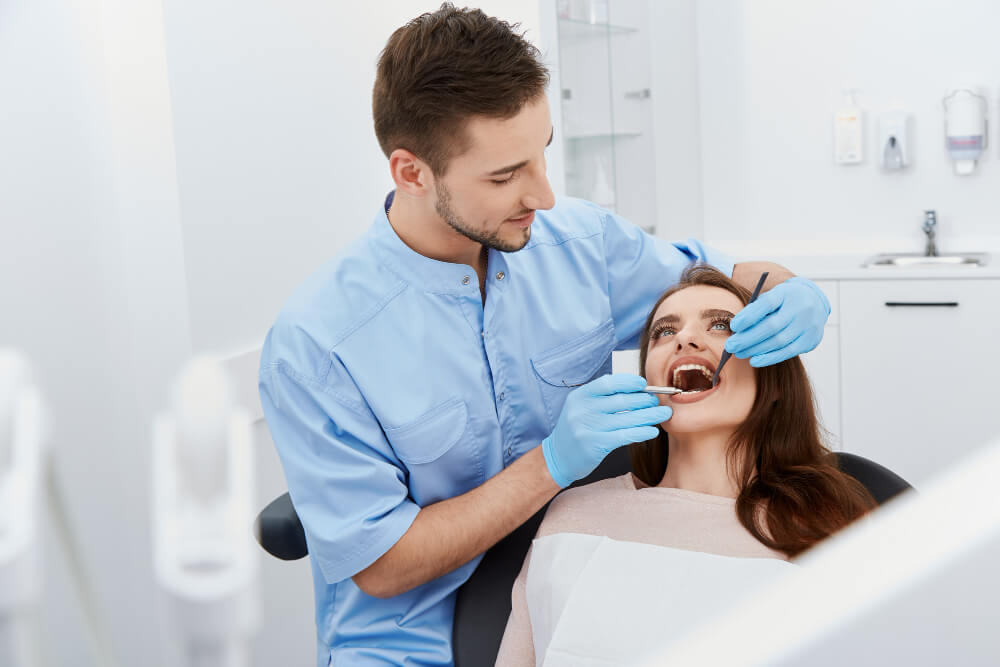
Good oral health is vital to your overall health. Most individuals overlook the need for regular dental care, assuming brushing and flossing daily is sufficient. Professional dental service, however, is instrumental in the prevention of oral disease, in detecting potential health hazards, and in providing long-term oral health. In case you reside in Burnside, investing in dental care in Burnside by visiting frequently and receiving treatment is one of the best choices to attain a healthy smile. A professional Burnside dentist can assist you in keeping oral problems away from you before it becomes expensive and daunting. With Walsh Dental, high-quality dentistry isn’t a series of fillings and cleanings. They employ a staff of trained professionals offering full-service care to be done your own way with your mouth the healthiest that it can be. We’re going to explain below why routine dentistry is something you should be doing, how it’s healthier for you and your entire health, and why getting the good dentist of Burnside needs to be at, or very close to, the top of things you need to do. The Relationship Between Oral and Overall Health Your mouth is the entry to your body. If your oral health is poor, it may cause a variety of systemic illnesses. Poor oral hygiene has been established as a cause of chronic diseases like heart disease, diabetes, and pneumonia. 1. Oral Health and Cardiovascular Disease Periodontitis or gum disease is associated with an increased risk of heart disease. Bacteria in the infected gums travel into the bloodstream and cause the formation of plaque and inflammation of the arteries. This predisposes a person to heart attack and stroke. 2. Diabetes and Oral Health Diabetes and periodontal disease go hand in hand. Uncontrolled diabetes may result in a higher concentration of sugar in saliva, which exposes patients to gum infection. Poorly controlled gum disease, however, makes it even harder for diabetic patients to manage blood glucose levels. 3. Respiratory Infections The mouth bacteria can move to the lungs and infect the lungs and create pneumonia and other infections in the lungs. People who have gum disease are more likely to get respiratory infections, and thus it is even more critical for them to visit the dentist regularly. 4. Pregnancy and Oral Health Pregnant women with gum disease are likely to experience complications such as premature birth and low birth weight. The risks can be reduced by regular dental visits and proper oral hygiene. The Importance of Regular Dental Exams Regular check-ups at the dentist are not only about having clean teeth; it is also about finding, preventing, and treating oral ailments. Below are some of the reasons why regular check-ups are necessary: 1. Detection of Dental Problems Early Early detection of issues like cavities, gum infections, and oral cancers is possible through regular check-ups. These issues can be prevented from developing into more complicated and expensive-to-fix problems. 2. Professional Cleaning and Tartar Removal Regardless of proper brushing and flossing, plaque and tartar will build up over time. Professional cleaning loosens these deposits, preventing gum disease and cavities. 3. Bad Breath Prevention Poor dental problems that are not taken care of may cause long-lasting bad breath. Regular dental tooth cleaning removes plaque and bacteria and leaves the teeth smelling fresher. 4. Healthier and Stronger Teeth Preventive oral hygiene in the form of dental sealants and fluoride treatment strengthens teeth and renders them cavity-resistant. 5. Customized Oral Care Counselling Every person has his or her own set of dental requirements. A dentist can suggest the ideal brushing method, oral hygiene products, and diet for impeccable oral hygiene. Some of the Common Dental Issues That Regular Check-Ups Can Prevent Failure to attend regular check-ups at the dentist may result in severe oral complications. Some of the most common conditions that are prevented by routine dental check-ups are: 1. Tooth Decay (Cavities) The cavities result from the degeneration of bacteria on the enamel, weakening the teeth. The cavities, if not treated, can develop into infections and necessitate elaborate procedures such as root canals. 2. Gum Disease (Periodontitis) Gum disease starts out as mild gingivitis but can become extreme periodontitis, leading to tooth loss. Regular dental exams avoid gum disease and keep your gums healthy. 3. Sensitive Teeth Sensitive teeth are caused by worn enamel, gum recession, or cavities. Dentists are able to fix this condition in order to eliminate sensitivity and reform enamel. 4. Oral Cancer Oral cancer may be life-threatening if it is not detected at the proper time. Oral cancer symptoms may be identified at the first stage by dentists with a higher probability of being cured. 5. Tooth Loss Untreated cavities and gum disease can lead to tooth loss if continued. Regular check-ups avoid the loss of natural teeth and the necessity for dentures or implants. How Frequently Should You Get a Dentist? For the best oral health, twice a year is ideal to see a Burnside dentist for a professional clean and check-up. But more often than not, this may be required in some patients, including those with: Your dentist can develop a personalized plan based on your specific needs for the best care. Taking Care of Oral Health Between Visits While professional dental visits are essential, home care for your mouth is a major part of maintaining healthy gums and teeth. Follow these habits between visits: 1. Brush and Floss Daily Brushing teeth with fluoride toothpaste twice a day and flossing daily loosens and removes plaque and food particles from teeth. 2. Antiseptic Mouthwash Mouthwash kills germs, eliminates plaque, and leaves your mouth smelling fresh. 3. Balanced Diet Restraining sweets and sodas avoids decay. Calcium-rich foods like milk, greens, and nuts make teeth strong. 4. Avoid Tobacco Chewing and smoking tobacco lead to gum disease, tooth loss, and mouth cancer. Stopping tobacco can work wonders on the body and mouth. 5. Drink Plenty of Water Intake of water removes food particles and bacteria, which clean the mouth. 6. Replace Toothbrush Often
How to Know It’s the Right Time to Visit a Dentist in Erindale
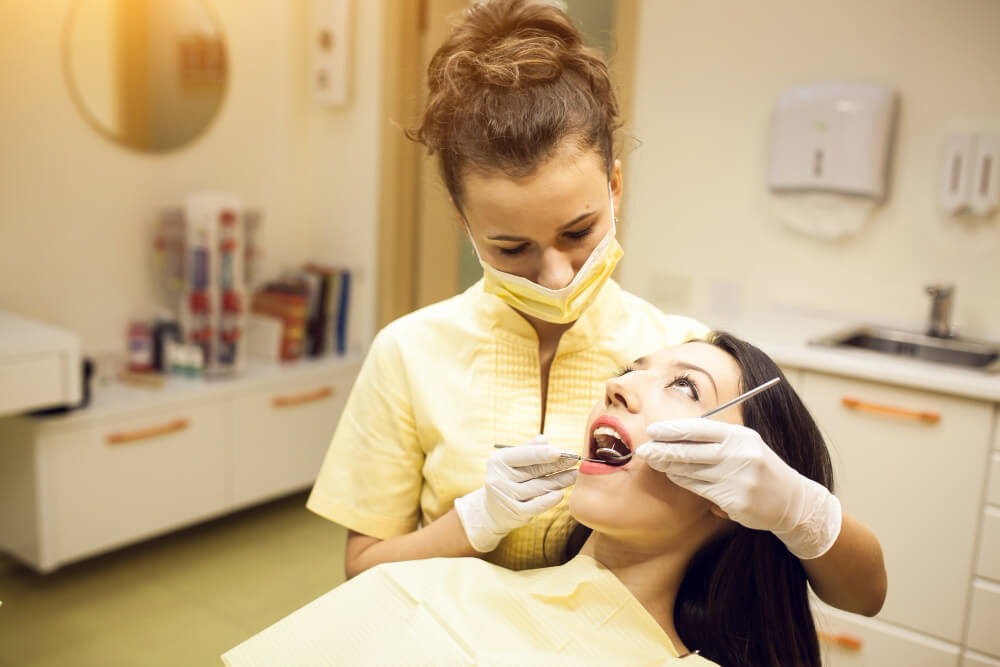
A member of overall well-being, yet far too often, we see the dentist after there is an issue. Oftentimes by fear, for because we have not got a minute to waste, or since my teeth are fine, folks neglect symptoms, and these are actually indicators to have the dentist come in. How do you know it is time to take the appointment, though? In this blog, we’ll explore key signs that indicate it’s the right time to visit a dentist in Erindale and why proactive dental care can help prevent more serious problems in the future. We’ll also highlight how Walsh Dental can provide quality dental services to ensure optimal oral health. 1. Persistent Tooth Pain or Sensitivity One of the most frequent signals that you are in need of a visit to the dentist is ongoing pain or sensitivity in the teeth. A bit here and there after something cold or warm, no issues; however, ongoing pain will never be alright. What It Could Mean: Ongoing pain in the teeth could mean cavities, infection of the gum, or perhaps an infection that needs to be addressed right away. Why you should not ignore it: Toothache can result in a very bad infection that could be more virulent and hence might need treatments like root canals or extraction. If you have frequent toothaches or searing pain on biting, then the time has arrived to visit a dentist in Erindale. 2. Bleeding or Swollen Gums Healthy gum won’t bleed while flossing or brushing. If blood comes out with your floss, toothbrush, or when you spit, it could mean that you have gingivitis or periodontal disease. What It Could Mean: Swelling, bleeding, or receding gums usually signal gum disease, which, if left untreated, could mean losing teeth. Why You Shouldn’t Ignore It: gum disease is contagious. The sooner you treat it, the less painful it will be to treat. More severe forms may involve deep cleanings, gum grafting, or surgery. A routine cleaning and exam by one of our professionals at Walsh Dental can stop the gum disease in its tracks. 3. Bad Breath or a Bitter Taste in Your Mouth Bad breath (halitosis) is more than a humiliating problem—it can be an indication of a more severe dental problem. If brushing, flossing, and mouthwash fail, something can be very wrong. What It Could Mean: Bad breath may be due to poor oral hygiene, cavities, gum disease, or even a mouth infection. Why You Need Not Ignore It: Chronic bad breath results from the accumulation of bacteria leading to tooth decay and gum disease. A visit from an Erindale dentist will diagnose the cause and offer professional assistance in having healthy and clean mouths. 4. Loose or Shifting Teeth Adult teeth should not be loose. If you do experience changes in how your teeth fit, gaps developing, or teeth moving, it could be a sign of something. What It Could Mean: Loose or moving teeth are caused by aggressive gum disease, bone loss, or even teeth grinding (bruxism). Why You Shouldn’t Turn a Blind Eye: If it goes untreated, problems like this one can become the reason a tooth is lost or for lots of dental treatment such as implants and braces. A consultation with Walsh Dental may be able to diagnose the cause and give you some idea about what to do in terms of treating it so that you don’t exacerbate the problem. 5. Jaw Pain or Chronic Headaches Chronic headaches, jaw pain, or clicking when you chew can be caused by dental issues such as grinding of the teeth or temporomandibular joint disorders. What It Might MeanTemporomandibular joint diseases are characterized by chewing difficulty; bruxism is a nighttime habit of grinding teeth that causes wearing away of tooth enamel and sensitivity of the teeth. Why you shouldn’t ignore it: If TMJ or bruxism is ignored, more pain, ground-down teeth, and even a loss of opening or closing ability of the mouth can result. A dentist can diagnose the issue and recommend solutions such as a custom nightguard or TMJ therapy. 6. White Spots or Sores in Your Mouth White patches, red spots, or sores in the mouth that fail to heal after two weeks must not be overlooked. They can be symptoms of infections, irritation, or something more serious. What It Might Signify: White spots are manifestations of oral cancer causes, and sores are manifestations of viral infection, ulcers, or bacteria. Why You Can’t Ignore It: Oral cancer is easiest to treat when diagnosed in its early stages, and you should get a sore or bump checked with a dentist right away if it doesn’t heal in two weeks. Timed appointments at Walsh Dental include screening for oral cancer to allow an early diagnosis and treatment. 7. It Has Been Over Six Months Since Your Last Visit to the Dentist Even in the absence of pain or signs, regular checkups by your dentist are paramount. Most oral problems do not present any sign until they have reached their last stages. What It Could Mean: You might have incipient cavities, incipient gum disease, or plaque that needs to be professionally removed. Why you shouldn’t ignore it: Preventative care is the best method of avoiding expensive and painful dental work down the road. It is advisable to visit a dentist for a check-up and cleaning every six months to maintain maximum oral health. 8. Tooth Discoloration or Stains If you find that your teeth are yellow, brown, or stained, it may be diet, smoking, or a poor oral hygiene issue. What It Could Mean: It could mean erosion of the enamel, deposits of plaque, or damage to the inner tooth. Why You Can’t Afford to Ignore It: Some of the stains are purely cosmetic, but some mean that you have rotten or weak enamel and need treatment by a dentist. Walsh Dental professional whitening will restore your smile and correct the root causes of staining. 9. Hurts To Eat or