
How Frequently Do You Require a Routine Dental Cleaning?

Maintaining good oral health is not merely about having a beautiful smile but also about being healthy. Perhaps one of the best tools to keep gums and teeth healthy is visiting the dentist for a cleaning on a regular basis. However, how regular are you in visiting the dentist for a cleaning? This all depends on several factors, such as your current oral status, lifestyle, and medical history. In this last guide, we will be finding out the significance of regular dental cleanings, why frequency is determined, and why having a reliable dentist in Adelaide to ensure proper oral health is crucial. The Importance of Routine Dental cleanings Prophylaxis, or regular dental cleaning, is the elimination of tartar and plaque that build up on your teeth over time. Despite brushing and flossing daily, there are some areas in the mouth that are hard to clean properly, resulting in plaque buildup. Plaque, if not treated, hardens into tartar (calculus) that causes cavities, gum disease, and other oral diseases. Some of the major advantages of professional dental cleaning are given below: Cavity Prevention Plaque is a thin biofilm on teeth that is coated with bacteria. Plaque is an adhesive and if left untouched, leads to acid production that damages tooth enamel and forms cavities. Frequent cleaning by the dentist eliminates plaque before it starts causing harm. Prevention of Gum Disease Periodontitis and periodontal disease, or gingivitis, is a common result of poor oral hygiene. Gum infection begins with it and develops to a full-blown infection with loss of teeth unless treated. Harmful bacteria are eliminated by professional cleaning and prevent gum disease development. Early Detection of Dental Problems Routine dental check-ups enable your dentist to detect such issues as cavities, gum disease, oral cancer, and even bite misalignments before they become major issues. Early catches are more efficient and less uncomfortable. Fresh Breath Chronic bad breath (halitosis) is often caused by food particles and bacteria trapped between the teeth. Cleanings remove these villains, making your mouth fresh and clean-smelling. General Health Benefits Studies have found strong connections between general health, mouth health, and oral health. Studies have shown that dirty mouths and dental infection have been associated with heart disease, diabetes, and lung infection. Healthy gums and healthy teeth can offer better overall health. How Often Should You Have a Dental Cleaning? For years, the norm has been to get a cleaning done at the dentist every six months. However, this suggestion may not be ideal for all. The dental cleaning frequency needs to be modified based on oral health status, lifestyle, and risk factors. Following are some general guidelines provided below according to various oral health statuses: 1. For People with Good Oral Health If you have good gums and no more than what would build up an acceptable layer, cleaning at regular visits by your dentist every six months is sufficient. Keeping you healthy, twice-yearly visits with nothing extra in the interim will maintain good overall health without growing an unresolved matter. 2. For Persons Having Experienced Cavities Some people are prone to cavities due to their genes, diet, or bad oral hygiene. If you’ve been getting regular cavities, your dentist may recommend professional cleanings every three or four months to prevent decay and save your teeth. 3. For People with Gum Disease If you have gingivitis (early gum disease), your dentist can recommend more frequent cleanings in hopes of preventing the development of periodontitis. For patients with periodontitis, deep cleaning (root planing and scaling) often will need to be repeated every three or four months to remain in charge of healthy gums and bacterial infection. 4. For People with Braces or Dental Appliances Individuals who wear braces, retainers, or other dental appliances can find it difficult to keep their teeth clean. Food particles become lodged, causing plaque and cavities. A dental cleaning every three to four months is advisable here. 5. Smokers and Heavy Coffee/Tea Drinkers Smoking and frequent consumption of staining foods like coffee, tea, and red wine can lead to tooth discoloration and plaque. If you smoke or consume these frequently, get your teeth cleaned every three to four months to maintain your pearly whites. 6. For Those with Specific Medical Conditions Medical conditions like diabetes, heart disease, and compromised immune systems render patients susceptible to oral complications. These patients require a visit to the dentist for professional cleaning every three or four months to avert infection and complications. What Happens During a Routine Dental Cleaning? A routine dental cleaning by a professional usually includes the following: 1. Oral Examination Following a preliminary survey of your mouth prior to cleansing, your dentist or dental hygienist will then search for indications of gum disease, cavities, or any other issues within your teeth. 2. Removal of Plaque and Tartar Your hygienist will also use special dental tools to scrape plaque and tartar off the surface of your teeth and along your gum line. Tartar is hardened plaque that cannot be removed by brushing, so this is the most important part of good oral health. 3. Polishing and Deep Cleaning Following tartar removal, the hygienist will buff your teeth using a high-speed electric brush and abrasive toothpaste. This smoothes out surface stains, and it becomes more difficult for plaque to stick. 4. Rinsing and Flossing Flossing loosens any remaining plaque or food fragments between teeth. The hygienist will rinse your mouth to dislodge debris. 5. Fluoride Treatment (Optional) Some dental offices offer fluoride treatments after cleanings. Fluoride strengthens tooth enamel and helps prevent cavities. Choosing the Right Dentist in Adelaide If you’re looking for high-quality dental care in Adelaide, choosing the right dentist is essential. A good dentist will provide personalized care, use advanced dental technology, and create a comfortable environment for patients. Why Choose Walsh Dental? Walsh Dental is a reputable dental care in Adelaide that provides quality treatment to patients of all ages. Their skilled practitioners are experts in preventive care and patient education to ensure you
How Certain Sugar-Free Foods Can Damage Your Teeth Without You Knowing

No one knows how crucial dental care is. In this modern age where individuals have come to develop care about what they consume as being the primary causative agent in causing damage to their teeth, people have learned to embrace an improved diet as well by allowing sugar-free food products to penetrate their mouths. The idea is very simple: if sugar is the main cause of cavities, then by not eating sugar, you should protect your teeth. That’s not true. You see, sugar-free food items can also damage your teeth unknowingly. This blog is here to tell you how sugar-free products may also be harmful to your teeth, and we’re going to offer some guidance about how you could maintain healthy gums and teeth, even when having sugar-free options. Along the way, we’ll talk a little about the basics of treatments in Adelaide as well as provide some tips about how to locate a great dentist in Adelaide. The Sugar-Free Myth: It’s Not All About Sugar If, today, a person talks of sugar-free food, he can easily visualize the fact that such food is safe for the teeth. Indeed, sugar has proved to be one of the most hostile substances in the case of dental health; it has led to the cause of cavities or plaque deposition. But the reasons are multifold why such sugar-free food may pose challenges to your dental health. The greatest drawback of sugar-free foods is that they are quite acidic. Among the sugar-free sweeteners that include aspartame, saccharin, and sucralose, some do not affect the teeth directly, but their food or drinks happen to be acidic. Example cases of such foods and drinks are soft drinks and fruit-flavored beverages. They contain hundreds of citric acid and phosphoric acid that give them a flavor and keep them fresh for a very long period. These acids will corrode your enamel, which is the outer layer on your teeth. Once this layer gets destroyed, the rest of your teeth are much more vulnerable to decay and sensitivity. In general, acidic drinks can cause huge damage over time if taken regularly, even when they do not contain sugar. Sugar Alcohols and Their Hidden Risks Sugar alcohols are a very common ingredient in sugar-free foods, especially in candies, gums, and baked goods. Among the most widely consumed sugar alcohols are sorbitol and xylitol. Sugar alcohols may or may not be blamed for cavities like sugar, but they can still be problematic for your oral health. Sugar alcohols are never absorbed by your body and stay in the mouth for a prolonged period. Hence, the time allows the bacterium to take up the components and produce the acids that, in turn, may damage your tooth. This aspect is a great concern for long-term consumers and frequent users of sugar-free goods. Dry Mouth: A Side Effect of Sugar-Free Food Some sugar-free food and drink products are so low in calorie content that they advertise them as “diet.” Artificial sweeteners in these can cause an unnatural condition where individuals have excessive dryness of the mouth; the term used for this condition is xerostomia. Saliva tends to neutralize acids and wash away food fragments and bacteria that may cause decay. When saliva production decreases due to the consumption of sugar-free foods, the risk of developing cavities and gum disease increases. In a dry mouth, plaque and bacteria can thrive, which leads to further damage to the teeth. If you’re consuming sugar-free foods that cause dry mouth, it’s important to stay hydrated and consult your dentist to ensure you’re not putting your dental health at risk. Sugary Foods Gum Disease and Sugar-Free Snacks Even though sugar-free foods do not contain sugar, they can promote gum disease in some ways because they might be sticky or remain in your mouth. Many sugar-free products, such as candies or granola bars, are made to last for a long period. Sometimes, this makes ingredients sticky and proves hard to break down, resulting in food particles staying longer on your teeth than usual. Food particles cause plaque buildup, and if not treated in time, this may eventually lead to gum disease. The plaque dries out and sticks to the surface of the gums, irritating them, thus leading to inflammation and bleeding, followed by tooth loss if not addressed. Misleading Labels: What’s Really in Your Food? Many sugar-free foods are marketed as being “healthy” and “better for your teeth,” but this is not always the case. The absence of sugar does not necessarily mean that the product is free from harmful ingredients. It’s important to read the labels carefully and understand what’s inside the food or drink you’re consuming. For instance, most sugar-free products contain artificial sweeteners combined with preservatives and other chemicals that are certainly not good for your overall health, much less your dental health. Even in the absence of sugar, such ingredients can interact with your teeth in ways that lead to decay or other forms of dental problems. How Do You Protect Your Teeth from Sugar-Free Products? Although sugar-free food can damage teeth, it should not be understood to mean you must stop its consumption. The following are tips on how to go about adopting measures to improve dental health when consuming the food. Another form of moderation is regarding sweet food. Consume sugar-free products as much as you enjoy sweet foods. Do not have a routine of taking such food and drinks. Only occasionally can one take them. But if often you tend to take such products, make sure that they are repaid through less destructive ones for your teeth, like water, milk, or fruits with a lesser acidity level. Drinking water after consuming sugar-free products One may take water right after a sugar-free beverage or treat because this action will help to dissolve acids, thereby canceling pH balances in your mouth. Such an act therefore has the minimum risk of causing any etching to your enamel and keeps your mouth wet. Basic but effective
Digital Dentistry: How digital Smile design transform your smile ?
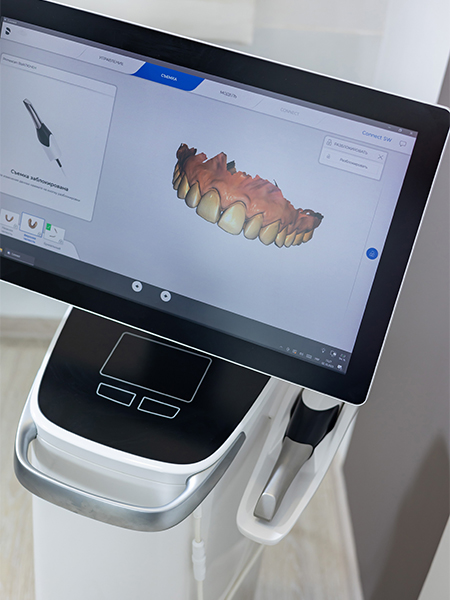
At Walsh Dental we use Digital Smile Design technology that converts photos and scans of your mouth into 3D models. These 3D models can be used by your dentist to give you a preview of what the outcome of your cosmetic makeover treatment will look like. What Is Digital Dentistry? Definition and Scope Core Technologies Benefits of Digital Dentistry 1. Enhanced Accuracy and Precision Digital Impressions Computer-Aided Design (CAD) 2. Improved Patient Comfort Less Invasive Procedures Faster Treatment Times 3. Predictable Outcomes Digital Smile Design Treatment Planning 4. Comprehensive Diagnostics Advanced Imaging Integration with Other Technologies 5. Enhanced Patient Communication Educational Tools Virtual Consultations Popular Applications of Digital Dentistry 1. Cosmetic Dentistry Smile Makeovers Orthodontics 2. Restorative Dentistry Crowns and Bridges Implants 3. Preventive Care Digital Monitoring Future Trends in Digital Dentistry Artificial Intelligence (AI) Teledentistry Advanced 3D Printing FAQs Q: Is digital dentistry more expensive than traditional methods? Q: Are digital impressions as accurate as traditional molds? Q: Can digital dentistry help with anxiety about dental visits? Conclusion Digital dentistry represents a significant leap forward in dental care, offering a range of benefits from enhanced accuracy and comfort to faster and more predictable outcomes. Whether you’re considering cosmetic enhancements, restorative treatments, or preventive care, digital tools can help you achieve your dream smile with greater ease and precision. As technology continues to advance, the possibilities for improving dental care and patient satisfaction will only grow. Embrace the future of dentistry and experience the transformative impact of digital technology on your oral health journey.