
The Benefits of Routine Dental Visits for Long-Term Oral Health
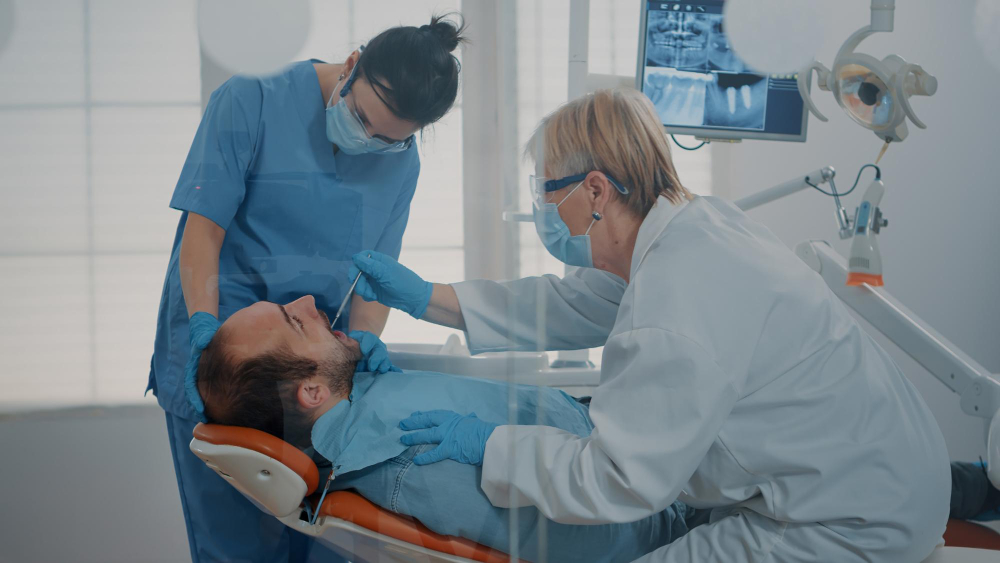
Maintaining good oral health involves more than brushing and flossing at home. While daily oral hygiene is important, regular dental checkups are essential for preventing dental problems, detecting issues early and maintaining overall well-being. Many people tend to visit the dentist only when they experience pain or discomfort, but routine checkups can help avoid serious dental complications before they begin. Scheduling regular appointments with a trusted Adelaide dental clinic plays a major role in protecting your smile for the long term. These visits allow dental professionals to monitor your oral health, perform preventive treatments and guide you on maintaining healthy habits. By making routine dental visits a priority, you can keep your teeth and gums in excellent condition throughout your life. Preventing Dental Problems Before They Develop One of the biggest advantages of visiting an Adelaide dental clinic regularly is preventive care. During routine checkups, dentists carefully examine your teeth and gums to identify early signs of problems such as tooth decay, gum disease or enamel damage. For example, cavities detected in their early stages can often be treated with a simple filling. If left untreated, however, they can progress and require more complex procedures such as root canal therapy or dental crowns. Preventive visits at an Adelaide dental clinic help ensure that minor dental concerns are treated quickly before they become more serious. Professional dental cleanings are another key component of preventive care. Even with proper brushing and flossing, plaque and tartar can accumulate in areas that are difficult to reach at home. A professional cleaning at an Adelaide dental clinic removes these deposits, helping to reduce the risk of gum disease and tooth decay while keeping your smile fresh and healthy. Preventive dental care not only protects your oral health but can also save you from more complicated and costly treatments in the future. Early Detection of Oral Health Issues Another important benefit of routine dental visits is the early detection of oral health problems. Dentists are trained to recognise subtle signs of conditions such as gum disease, oral infections and oral cancer. Regular screenings at an Adelaide dental clinic allow these issues to be identified in their earliest stages, when treatment is usually simpler and more effective. Modern dentistry also uses advanced diagnostic tools to identify hidden problems that may not be visible during a routine examination. Digital X-rays, for example, can detect cavities between teeth, bone loss or infections below the gumline. Many professionals at an Adelaide dental clinic also perform oral cancer screenings to identify abnormal tissue changes early. When oral health conditions are diagnosed early, patients often have more treatment options and better outcomes. Regular checkups provide peace of mind while ensuring any potential concerns are addressed promptly. Keeping Your Gums Healthy Healthy gums are essential for maintaining strong teeth and overall oral health. Without regular dental care, plaque buildup along the gumline can lead to gingivitis, which is the earliest stage of gum disease. Gingivitis may cause symptoms such as swollen, tender or bleeding gums. If untreated, gingivitis can progress into periodontitis, a more severe form of gum disease that can result in gum recession, bone loss and even tooth loss. Regular visits to an Adelaide dental clinic allow dentists to monitor gum health closely and remove plaque and tartar that contribute to gum disease. Routine cleanings and examinations at an Adelaide dental clinic help prevent gum infections and maintain healthy gum tissue. When gum disease is detected early, it can often be managed with professional cleanings and improved oral hygiene practices. Maintaining healthy gums is essential not only for protecting your teeth but also for supporting your overall oral health. Supporting Overall Health and Well-Being Your oral health is closely connected to your overall health. Studies have shown links between poor oral hygiene and several systemic conditions, including heart disease, diabetes and respiratory infections. Inflammation and infection in the gums can affect other parts of the body, potentially increasing the risk of chronic health problems. Visiting an Adelaide dental clinic regularly allows dental professionals to monitor oral health and provide advice that supports your overall well-being. During routine visits, dentists may also notice signs of underlying medical conditions that could affect your oral health. This makes regular checkups at an Adelaide dental clinic an important part of maintaining both dental and general health. Enhancing the Appearance of Your Smile Routine dental visits are not only beneficial for oral health but also for maintaining the appearance of your smile. Professional cleanings performed at an Adelaide dental clinic help remove surface stains caused by coffee, tea or other foods, leaving your teeth looking brighter and healthier. Dentists can also recommend cosmetic treatments if you are interested in improving the appearance of your smile. Options such as teeth whitening, veneers or clear aligners may be discussed during your visit to an Adelaide dental clinic depending on your goals. A healthy and attractive smile can boost confidence and make a positive impression in social and professional settings. Regular dental care ensures your smile stays both healthy and visually appealing. Avoiding Costly and Complex Treatments Ignoring routine dental visits can lead to dental problems that become more severe over time. Small issues such as minor cavities or early gum inflammation can develop into serious conditions requiring extensive treatment. When problems are detected early during a routine examination at an Adelaide dental clinic, they can usually be treated quickly and more affordably. However, untreated cavities may eventually require root canal therapy, crowns or even tooth extraction. By maintaining regular appointments with an Adelaide dental clinic, you can reduce the risk of needing complex dental procedures. Preventive care is always less invasive, less expensive and far more comfortable than treating advanced dental problems. Building Lifelong Oral Health Habits Regular dental visits also reinforce healthy oral hygiene habits. Dentists and hygienists can provide personalised advice on brushing techniques, flossing methods and dietary choices that support strong teeth and healthy gums. Children especially benefit from routine visits to an Adelaide
10 Tips For Good Everyday Dental Hygiene

Most people think about brushing when they hear the words clean teeth. But real care is more than just picking up a brush two times a day. At Walsh Dental, we see many people who are surprised at how small daily steps can make a big difference. Taking care of the mouth is not hard. It just needs some care and the right way to do it again and again. A healthy smile is not only about looks. Strong teeth help you chew food. They help you speak. They even help you feel sure about yourself in front of others. Gums are just as important as teeth. If gums are not cared for, small issues can quickly turn into pain. Good daily care is one of the best gifts you can give yourself and your family. Here we share ten easy tips you can add to daily life. These habits keep your mouth fresh. They lower the risk of cavities. They protect gums for the future. Brushing the Right Way Brushing is the base of care. But many people rush or skip the key parts. The brush should be soft, not rough. Soft bristles are safe. They clean well and do not hurt gums or wear out enamel. How you hold the brush matters too. The best way is to keep it at about forty five degrees near the gum line. This clears away hidden plaque. Two minutes is the right time. Less than that and some spots stay dirty. More than that may hurt gums. Move the brush in small circles. Do not scrub hard back and forth. Make sure you reach the back teeth, the top parts where you chew, and even the inside of the front teeth. Do Not Forget About Flossing Floss feels like an extra task. But it is just as important as brushing. A brush cannot reach between teeth. That is where food and bacteria hide. Floss cleans those tiny spaces. The trick is to be gentle. Do not snap it down fast, as that can hurt gums. Slide it slowly along each side of the tooth in a curve. Once it becomes a habit, flossing only takes one minute. But it gives big results for the future. Mouthwash for Extra Protection Many think mouthwash is only for fresh breath. But the right rinse does more. A rinse with antibacterial power cuts harmful bacteria. This means fewer chances of gum problems and fewer cavities. A rinse with fluoride makes enamel stronger too. Mouthwash cannot replace brushing or flossing. But it adds another layer of safety. A quick rinse in the morning or at night leaves the mouth fresh and helps fight germs that brushing can miss. Choosing Foods That Help Food has a big role in mouth care. Sweet snacks and fizzy drinks are bad for teeth. Sugar feeds the bacteria that cause holes. Acidic food can wear down enamel too. You can still enjoy them at times. But daily food should be balanced with choices that help teeth. Crunchy fruits and vegetables like apples, carrots, and celery act like natural scrubbers. Cheese and yogurt give calcium that makes enamel strong. Drinking water is one of the easiest steps to keep the mouth fresh. It also prevents dry mouth where bacteria can grow. Stay Hydrated Throughout the Day Saliva is the body’s natural shield. It washes away food bits and reduces acids. A dry mouth lets bacteria grow faster. Drinking enough water keeps saliva flowing and protects teeth and gums. Water should be the main drink. It cleans the mouth as you sip. It avoids the sugar and acids in juice or soda. Carrying a bottle of water makes it simple to sip after meals through the day. Replace Your Toothbrush Regularly A toothbrush does not work forever. The bristles get weak over time and clean less. Old brushes can even hold bacteria. Changing your brush every three months is an easy but vital step. If the bristles spread out sooner, replace it right away. After being sick, swap brushes too. This stops germs from coming back. Pick a brush that feels right in your hand and fits your mouth. This makes daily brushing more easy. Regular Dental Check Ups Even with good home care, visits to the dentist are needed. A dentist can see problems early. Cleaning at the clinic clears tartar that brushing and flossing cannot. These visits are also a chance to learn better ways to care for your teeth. Many wait until pain starts. But preventing is easier than fixing. Going twice a year is best for most people. Some with gum issues or many cavities may need more visits. Having a trusted dentist near Burnside makes it simple to stay regular. Do Not Ignore Your Gums Healthy gums are just as important as teeth. Red or swollen gums or gums that bleed are early signs of disease. If untreated, this can lead to loss of teeth. Gentle brushing along the gum line, daily floss, and a rinse with mouthwash all help keep gums safe. Food rich in vitamin C and D also helps gums stay strong. If gums look or feel different, bring it up at your next visit. Catching it early is always better than waiting for pain. Limit Snacks and Late Night Eating Eating snacks too often harms enamel. Each time sugar touches teeth, bacteria make acid. Acid slowly weakens enamel. If this happens many times a day, the damage adds up. Eating late at night is another problem. Brushing before bed clears food and germs from the day. If you eat after brushing, bacteria sit on teeth all night. Saliva is low when you sleep, so damage is faster. Keeping to regular meal times helps protect your mouth. Teach Kids Early and Set an Example Kids learn by copying adults. If parents care for their teeth, kids follow. Make brushing fun with music or bright brushes. A short two minute song can guide them. Regular
Dental Care in Adelaide: The Role of Diet in Oral Health

Maintaining a healthy smile is about more than just regular brushing and flossing;it also depends heavily on what you eat. If you are looking for reliable Dental Care in Adelaide, it is important to understand how your daily food choices directly affect your teeth and gums. At Walsh Dental, we believe that good nutrition is just as important as your checkups for keeping your smile strong and pain-free. Your daily habits can either protect your teeth or lead to early decay. Whether you’re snacking on a crunchy apple that helps clean your teeth or sipping a sugary soft drink that can wear down enamel, your diet plays a major role in your dental well-being. This guide explores how nutrition impacts your mouth and offers simple tips to help you make smarter food choices that support your professional Dental Care in Adelaide. Understanding the Link Between Diet and Oral Health Your oral cavity serves as the primary gateway to your overall health, meaning every nutritional choice significantly impacts the condition of your teeth and gums. While poor dietary habits can accelerate tooth decay, gingivitis, and enamel wear, a diet rich in essential minerals helps fortify tooth structure and combat localized inflammation. The substances you consume dictate the microbial balance within your mouth. Specifically, refined sugars and fermentable carbohydrates act as fuel for acid-producing bacteria, which systematically dissolve protective enamel. Without intervention, this chemical process leads to dental caries, increased sensitivity, and advanced gum disease. The Top Offenders: Identifying Foods That Compromise Oral Health Not all dietary choices are beneficial for your teeth. Certain foods and beverages can have a damaging effect, particularly when consumed frequently or without a consistent hygiene routine. As specialists in Dental Care in Adelaide, we recommend being mindful of these common culprits: 1. High-Sugar Snacks and Beverages: Chocolates, pastries, and soft drinks are loaded with sugars that interact with oral bacteria to create enamel-eroding acids. Regular consumption significantly elevates your risk of developing dental caries. 2. Acidic Consumables: Citrus fruits, vinegar-heavy dressings, and carbonated drinks can chemically soften and wear down tooth enamel. While nutritious, these should be balanced to prevent long-term surface loss. 3. Sticky and Chewy Foods: Dried fruits and caramels tend to lodge in the grooves of your teeth. Because they are difficult for saliva to rinse away, they provide a lingering food source for acid-producing bacteria. 4. Refined Carbohydrates: Items like white bread and crackers break down into simple sugars almost immediately, fueling the same harmful bacteria responsible for tooth decay. The Tooth-Friendly Diet: Nutritional Building Blocks for a Healthy Smile Fortunately, many delicious foods actively promote a resilient smile. A balanced diet rich in specific nutrients can reinforce enamel, support gum health, and lower cavity risks. 1. Calcium-Dense Dairy: Cheese, milk, and plain yogurt are vital for enamel remineralization. Cheese, in particular, helps neutralize mouth acids after a meal. 2. Fibrous Fruits and Vegetables: Raw apples, carrots, and celery function as “natural toothbrushes.” Their crunchy texture stimulates saliva flow, which is your body’s primary defense against plaque. 3. Nutrient-Rich Leafy Greens: Kale and spinach provide essential folic acid and calcium, supporting both the bone structure around your teeth and healthy gum tissue. 4. Essential Nuts and Seeds: These are excellent sources of phosphorus and magnesium, minerals that are fundamental to maintaining high bone density and strong teeth. 5. Polyphenol-Rich Teas: Unsweetened green and black teas contain compounds that can suppress the growth of bacteria linked to cavities and gum disease. The Essential Role of Hydration Water is the most effective tool for maintaining oral hygiene throughout the day. Drinking fluoridated tap water helps mechanically rinse away debris while providing the minerals needed to repair early enamel damage. Furthermore, staying hydrated ensures adequate saliva production which naturally neutralizes acids and protects your mouth. For those prioritizing Dental Care in Adelaide, simply swapping one sugary drink a day for water can lead to measurable improvements in your oral health. Practical Habits for Optimal Oral Hygiene Improving your dental health doesn’t require a total dietary overhaul; it’s about making smarter, more mindful choices: Reduce Snacking Frequency: Frequent grazing keeps your teeth in a constant state of acid attack. Aim for defined meal times to give your enamel time to recover. Strategic Food Pairing: If you consume something acidic, follow it with a neutralizing food, like a small piece of cheese or a handful of nuts. Utilize Sugar-Free Gum: Chewing gum can boost saliva flow and help clear food particles after eating. Use a Straw: This simple step reduces the direct contact between sugary or acidic liquids and your tooth surfaces. Conclude Meals Wisely: Ending your meal with a crunchy vegetable or water helps cleanse the mouth naturally. Why Dietary Consultations are Part of Professional Dental Care? Quality Dental Care in Adelaide involves more than just clinical procedures; it includes personalized education. At Walsh Dental, we take the time to discuss your unique dietary habits during routine check-ups. Whether you have specific restrictions or a fondness for certain snacks, we provide realistic, non-judgmental advice to help you protect your smile. A brief conversation about your lifestyle can lead to practical strategies that prevent future dental issues. Supporting the Next Generation: Children and Teens Developing teeth are particularly susceptible to decay, making early nutritional education vital. Our team works closely with parents to ensure children receive the right nutrients while minimizing the impact of hidden sugars found in many processed snacks. By establishing these healthy habits now, you are setting the foundation for a lifetime of confident, healthy smiles. Final Thoughts Good oral health starts at home—with your toothbrush, floss, and yes, your plate. A balanced, tooth-friendly diet can be just as crucial as your dental routine and regular visits to the clinic. Small changes in what you eat can lead to big improvements in your dental health over time. By becoming more mindful of your food choices and working closely with a knowledgeable dentist in Adelaide, you can protect your smile for years to come.
How Hydration Supports Oral Health and Why Water Matters

It is crucial to overall well-being, and the health of the mouth is just as crucial. Everyone knows how healthy it is for overall well-being to be hydrated through the consumption of water but may not yet realize how healthy it is to be adequately hydrated in regard to healthy gums, teeth, and mouth. From the moment you wake up in the morning until you lay your head on the pillow at night, the amount of water you consume is impacting the health of your smile in an amazing way. The relationship between good oral health and achieving hydration is most certainly going to be an afterthought but at times will be the dividing line between avoiding such fairly straightforward oral health issues as dry mouth, tooth decay, and gum disease. So, therefore, is water beneficial to oral health, and how exactly is it going to work for your gums and teeth? Today’s post responds to the question of how being adequately hydrated connects to your oral health, the ideal drink of choice to keep your teeth healthy, and how to have the easy transition. The Link between Oral Hydration and Oral Health It is convenient when trying to get a notion regarding how dehydration has to do with oral health to talk about the job your mouth does to keep the rest of the body in peak working condition. Your mouth, gums, teeth, and salivary glands all help with digestion, immunity, and overall wellness. The Role of Saliva in Oral Well-being Saliva is a key element of a healthy smile. Saliva is your body’s defense from the inside against plaque, bacteria, and food. Saliva washes away debris, neutralizes acid, and shields tooth enamel against acid wear. Saliva even transports minerals like calcium and phosphate to remineralize your teeth and stop early tooth decay in its tracks. Sufficient water intake is necessary for the generation of sufficient saliva. During hydration, your body can generate the appropriate amount of saliva to protect your mouth. But during dehydration, it may decrease saliva generation, resulting in dry mouth (xerostomia). The mouth will be very dry under the condition and more susceptible to smelly bacteria and plaque formation, causing cavities, gum disease, and other oral diseases. Saliva is also a natural defense against ugly acids that oral bacteria produce, the leading culprit for rotting teeth. Dehydration strips the body of its ability to neutralize acids, rendering the body an excellent target for cavities and loss of enamel. Drinking plenty of water keeps saliva functioning at optimum levels, allowing for a continuous barrier against the naughty actions of bacteria. Preventing Tooth Decay and Gum Disease Dehydration will lead to an increased risk of tooth decay and gum disease. Dry mouth syndrome, the dehydrating action, is a bacteria culture medium. Bacteria produce cavities, gingivitis, and plaque, the first stage of gum disease. If your mouth isn’t well-hydrated, it will be harder to remove food particles and bacteria, and there is a higher risk of contracting oral diseases. Continuous drinking of water leads to mouth purification, removal of harmful acids, and the prevention of the formation of pathogenic bacteria. Proper consumption of water also keeps gums healthy and infection-resistant. Dehydration will, however, lead to inflammation and redness in the gums to exacerbate conditions like gingivitis. Water also kills bad breath, a common illness in people with dry mouth. When your mouth lacks lubrication, bacteria grow and start breaking down food particles in the mouth and forming stinky-smelling molecules. Drinking water all day will stop these bacteria and bad breath and freshen up your mouth all day. Why Water Is the Best Drink for Teeth To hydrate, some people use other fluids such as fruit juice, soda, or coffee. They are not healthy for the teeth, however. Sugary drinks like soda and fruit juice are the mouth’s nasty bacteria fuel, which leads to plaque, tooth decay, and enamel loss. Even acidic beverages like coffee and citrus juices can be a perpetrator of tooth sensitivity and enamel loss. And vice versa, water is your best option for your teeth. Water contains no calories, no sugar, and is tooth-friendly. Consuming water after food reduces the ease with which food particles and acid that cause plaque formation and reduces tooth decay. Water is even an acidic-neutral product since it will not reduce the pH value in the mouth because other acidic drinks dissolve enamel. Yet another benefit of drinking water is that it keeps the mouth healthy at a good pH level. The pH of the mouth has a significant role to play in keeping your teeth healthy. If the mouth is acidic, your teeth can be dissolved and more susceptible to getting cavities. Water will neutralize acids and create a more alkaline environment that can keep your teeth healthy. The Benefits of Fluoridated Water Community water supplies are fluoridated in much of the world to give your teeth an added layer of protection. Fluoride is a naturally occurring mineral that has been proven to harden tooth enamel and prevent cavities from developing. Drinking fluoridated water can remineralize decayed enamel, reverse tooth decay at its earliest stages, and defend your teeth against decay. Fluoride is wonderful in small amounts and is especially beneficial for people who have a tendency to get cavities. Although most people use fluoride toothpaste as an addition, drinking water with fluoride gives one continuous exposure to fluoride throughout the day that continues to fortify and make the teeth healthy. Despite continuing controversy over fluoridation of community water systems, studies persist in showing that consumption of fluoridated drinking water is extremely beneficial in combating tooth decay, particularly among children. You’re already doing something for your mouth if you live in a fluoridated area. Although the topic of this blog is the oral cavity, remember that hydration affects more than your oral cavity. The human body is made up of roughly 60% water, and the entire organ system of the body needs water in order to function. Hydration
How a Dentist in Burnside Can Help Teens with Braces and Oral Hygiene

Adolescence is replete with change, growth, and many milestones. One of the myriad of changes that adolescents go through, perhaps one of the biggest, is the development of their teeth, particularly with the accompaniment of braces. Brackets are a very prevalent and efficient method of straightening teeth and dealing with bite problems but are accompanied by a specific problem in issues relating to oral hygiene. Expert dental advice comes in here. If you’re an adolescent—or an adolescent yourself—the better you comprehend the way a dentist in Burnside can manage braces and maximize optimum oral health, the better situated you’ll be. Orthodontics is only part of the equation; the other part is normal oral care, tracking, and forward-looking preventive treatment that prepares teenagers to have well-appearing smiles for a lifetime. Let’s discover how orthodontists and dentists work together with families so teens not only end up with a straight smile but also healthy gums and teeth as well in the process. The Role of Oral Hygiene When Wearing Braces Braces create fissures and cracks in the mouth that never existed before—sites where plaque and food particles easily collect. In teens, it makes brushing and flossing more difficult and time-consuming. Forgetting oral hygiene care during orthodontic treatment can result in a chain of complications, such as These are the complications that become extremely high without constant monitoring and professional guidance. That is why it is important to have a trusted dental service provider such as Walsh Dental. What Is the Dentist’s Role During Orthodontic Treatment? While the orthodontists take care of the alignment of teeth and correction of bite, a family or general dentist takes care of the overall health of gums, teeth, and mouth. The dual-care system guarantees overall care and maintenance. Here are a few ways in which a dentist can assist teens with braces: 1. Professional Cleaning and Monitoring With even the most thorough brushing, plaque and tartar can still accumulate in places that are difficult to reach in the presence of braces. Dental cleanings by dentists are more effective than those done at home, using specialized equipment to remove plaque and tartar where the wires and brackets are located.Regular checkups also enable dentists to check for the early signs of tooth decay, gum infection, and other issues before they become serious. 2. Oral Hygiene Education Teenagers usually require more guidance on proper brushing and flossing when they have braces. Walsh Dental dentists also spend time instructing teenagers and parents in the proper technique, such as: Learning is empowerment—and when teens are educated about the “why” of their habits, they’re more likely to stick to them. 3. Preventive Treatments Preventive treatments can be prescribed by dentists to make enamel stronger and prevent decay. These may include: These preventive steps significantly lower the risk of complications that can delay orthodontic treatment or affect long-term oral health. 4. Dietary Counseling Braces sometimes require diet adjustments, and the majority of teenagers find it difficult to resist sticky, hard, or chewy foods. Orthodontists can give advice and alternatives that enable teenagers to pick healthier alternatives without missing out on anything. They also emphasize having less sugar and drinking water often in order to have healthy gums and teeth. Breaking Common Teen Obstacles with Braces Teenagers have school, sports, and social lives to balance—and dental care may be way down on the list. Dentists understand this and adjust their style to fit, providing useful, teen-relevant recommendations.Here are some of the usual problems and how Dental Care in Burnside can solve them: Flossing Trouble Flossing is difficult with traditional braces, and adolescents might even skip it. Dentists introduce new technologies such as floss threaders or water flossers for a faster, less painful solution. Shyness About Oral Hygiene Issues Certain adolescents are shy if they have halitosis or white spots. A welcoming dentist provides a non-judgmental environment, inviting open discussion and providing solutions that boost confidence. Discomfort Due to Brackets or Wires Braces may lead to soreness, mouth sores, or irritation. Dentists watch for any indication of stress or damage and offer relief techniques—like dental wax or calming rinses. Motivation and Accountability Regular checkups make teens feel responsible for their teeth’s health. Dentists notice improvement, monitor progress, and hold teens responsible for their hygiene practices. Why Choose Walsh Dental for Your Teen’s Care? With their smile, your teen requires a dental team who not only knows the clinical aspects but who takes the time to connect with your teen on a personal level. That is what Walsh Dental accomplishes. Here’s why they stand out: Whether your teenager is just beginning orthodontic care or is close to finishing, Walsh Dental collaborates closely with your orthodontist to make care convenient and seamless. Building Lifelong Habits One of the best things you can do for your teenager is instill in them a healthy oral health foundation. The practices and principles they develop while they have braces can be lifelong habits. With a healthy dental partner to lead the way, teenagers learn to be responsible for their own oral health and the importance of owning healthy, beautiful teeth. Don’t forget, braces are temporary—but the reward is permanent. Taking care to keep teeth clean, healthy, and cavity-free throughout the process guarantees the end result is as rewarding as it can be. Final Thoughts Teenagers already have plenty to concern them without the added stress of dental problems with compromised oral health when they are going through orthodontic treatment. Regular visits with a skilled dentist in Burnside will have families reassured that their teenager’s smile is being well taken care of every step of the way. A reliable partner like Walsh Dental provides the experience, knowledge, and dependability needed to care for teens throughout the process. By including professional cleanings, individualized education, and prevention in the package, they enable teens to maintain their teeth in top shape—even when wearing braces. From initial consultation to final retainer, Dental Care in Burnside is an honored ally in assisting teens to achieve more than
Why Is Flossing Important for Your Oral Health?

When you’re thinking about taking care of your teeth, brushing is probably the first thing that comes to mind. It’s what we do daily. What about flossing? To some, it’s that “optional” oral hygiene aspect that gets conveniently skipped. But leaving out flossing could be the difference between a smiling mouth and a future filled with expensive, painful dental work. If you’ve ever questioned whether or not flossing is even worth the bother, the answer is a resounding yes. Flossing is integral to maintaining a clean, healthy mouth — and its benefits extend far beyond better breath. In this comprehensive article, we’re going to debunk exactly why flossing is essential, what goes wrong if you don’t, and how it fits into the big picture of oral health and professional dental care — whether upkeep is being done at home or preparation is being made for dental treatment in Adelaide. What Is Flossing, Really? Flossing uses a long, thin, flexible string (or floss picks or water flossers) to dislodge plaque and food particles between teeth and below the gumline — areas your toothbrush can’t reach. These tiny crevices between your teeth are where plaque, bacteria, and food particles enjoy hiding and accumulating. Your toothbrush, no matter how good your technique is, only cleans about 60-70% of your tooth surfaces. The rest? That’s what flossing is for. By moving floss between the teeth and bending it around the sides, you dislodge plaque and food particles that would otherwise lead to cavities, gum inflammation, and bad breath. The Benefits of Flossing Every Day If you want some motivation to include flossing in your daily routine, here’s how it can help you: 1. Prevents Gum Disease Gum disease starts when plaque develops above and below the gumline. Plaque, without flossing, becomes tartar and causes gingivitis — the first stage of gum disease. The symptoms are red, inflamed, or bleeding gums. Without intervention, it develops into periodontitis, which breaks down the bone and tissues that hold your teeth in place. 2. Prevents Cavities Gaps between your teeth are the most valuable real estate for bacteria. When food particles get stuck between teeth, bacteria dine on them and overflow with acid. The acid dissolves tooth enamel and causes cavities. Flossing wipes out these danger zones. 3. Freshens Your Breath Bad breath, or halitosis, usually is caused by bacteria that live on food particles trapped between your teeth. There is no mouthwash that can substitute for the mechanical removal that flossing provides in eliminating you of the cause. 4. Makes Your Teeth Whiter Brushing eliminates surface stains, but flossing eliminates debris that can lead to staining over time. Whiter and healthier-looking teeth look when they are cleaner. 5. Saves You Money Preventive care is always less expensive than treatment. A daily floss can keep you out of fillings, deep cleanings, root canals, or worse — losing a tooth. What Happens If You Don’t Floss? Not flossing has short-term and long-term effects: In the short term, you might not even realize anything is wrong. But inflammation may already be simmering below the gumline. It accumulates over time. You may experience gums bleeding as you brush — an indication that something is not right. If left over time, unless cleaned by professionals removing the tartar, it may cause deep infection, bone resorption, loose teeth, and even total loss of teeth. As per studies, flossing can lower your chances of developing periodontal disease by as much as 40%. That’s a big decrease from an activity that only takes less than two minutes a day. Flossing Technique: Are You Doing It Correctly? Good technique is important when flossing. Here’s a step-by-step: If you bleed when you floss, don’t worry. That is usually a sign of inflammation due to not flossing enough — and will cease after a week or so of regular flossing. Alternatives If You’re Having Trouble With Regular Floss Not everyone is comfortable flossing, particularly if you have tight teeth, braces, or mobility problems. The good news is that there are wonderful alternatives: Discuss with your Adelaide dentist what product will suit your lifestyle and mouth. The Link Between Flossing and Overall Body Well-being You may be amazed to know that your overall health is connected directly with your oral health. Gum disease does not remain in your mouth — it has been linked with: The bacteria that live in infected gums can migrate to your bloodstream and cause inflammation in other parts of your body. Flossing, combined with brushing and professional attention, is a front-line defense. Flossing for Children and Older Adults Flossing is appropriate for everyone. Children can begin flossing when they have two teeth that touch. Parents will need to assist until the child can manage on their own. Teenagers will resist, but pointing out now how important flossing is prevents problems with braces and establishes habits that will last a lifetime. Seniors also have special challenges such as gum recession, dry mouth, or loss of dexterity — but flossing is still essential to healthy teeth and preventing costly prosthetic intervention down the road. Getting into the Habit: Strategies That Work If flossing is a hassle, try these tips to make it less so: Remember: habits stick when they’re easy, in sight, and rewarding. Flossing and Your Professional Dental Care Routine No matter how diligently you floss, you’ll still require professional cleanings. That’s where professional dental care comes in. Cleanings remove tartar buildup and allow early problem detection — before they hurt or cost you a great deal of money. If you’re noticing bleeding gums, tooth sensitivity, or bad breath even with good hygiene, it might be time for a checkup. The team at Walsh Dental specializes in comprehensive oral care, including preventive strategies tailored to your needs. Whether you’re due for a general exam or need more advanced care, booking a consultation with a trusted dentist in Adelaide is a great next step. When Flossing Just Isn’t Cutting It: Time for a Checkup Despite
How to Maintain Oral Hygiene with Braces

Braces are crucial in correcting crooked teeth and bite issues but raise special issues in the matter of oral hygiene. Food debris and plaque have a tendency to get easily caught up in wires and brackets, and these can cause cavities, gum disease, and bad breath if not kept clean. Regardless of whether you are a new wearer of braces or a seasoned one, learning good techniques and practices of tooth brushing is essential to achieving a healthy smile throughout the duration of orthodontic treatment. It is where we are going to discuss oral hygiene best practices with braces. You can contact a specialist from a good dentist if you prefer advice from a professional. Dr. Thadsha from Walsh Dental, who is among the best dentists in Burnside, will provide professional service and advice in order to enable you to be in your best health. Why Oral Hygiene Is More Important with Braces Brackets give more surface area to the food particles and plaque to attach to, and due to this, correct cleaning needs to be done frequently. When poor oral hygiene is present while receiving orthodontic treatment, then many complications will arise, including: To prevent these complications, there has to be a careful oral hygiene regime during your time on braces. Daily Oral Hygiene Routine for Braces 1. Brushing Your Teeth the Right Way Brushing is the foundation of good oral hygiene, but with braces, you must be more cautious. This is how you brush properly with braces: Use Correct Technique: 2. Flossing with Braces: A Step That Must Be Done It is hard to floss with braces, but it must be done to get a clearout of food and plaque between teeth. Use these flossing tools and techniques to make it simpler: Floss at least once a day so no food particles can get trapped between your teeth. 3. Mouth Rinsing An antibacterial fluoride mouthwash will: Rinse with mouthwash one time per day, preferably following brushing and flossing, to keep breath and mouth fresh. 4. With Interdental Brushes Interdental brushes are special, small brushes used to brush between wires and brackets. Interdental brushes can: Carefully brush around your braces daily with an interdental brush so that everything is nice and clean. Healthy Oral Hygiene Diet Habits While Wearing Braces Your diet has a lot to do with having healthy teeth when undergoing orthodontic treatment. There are foods that destroy braces, while there are others that enhance healthy oral hygiene. Foods to Avoid Certain foods have a propensity to break brackets, bend wires, or get stuck in braces and are difficult to clean. Avoid the following: Braces-Friendly Foods Enjoy soft, easy-to-chew foods that will not hurt your braces: With healthy food, you can have a clean mouth and avoid bracing damage. Regular Dental Checkups and Cleanings Regardless of the proper care of oral health at home, professional care is unavoidable. Regular check-ups by a dentist in Burnside keep your teeth in tip-top shape when under orthodontic treatment. Why Regular Checkups Are Needed We at Walsh Dental recommend visiting the dentist every six months (or as suggested by your orthodontist) in order to maintain your teeth in the best possible condition. Maintaining Oral Hygiene Issues Associated with Braces 1. Coping with Sore Teeth and Gums There is temporary soreness brought on by braces, especially after getting adjusted. In order to minimize the soreness: 2. Avoiding Bad Breath Food with braces can stick and lead to bad breath. To remain fresh: 3. Brace Emergency Care Conclusion It is discipline that is required in order to maintain consistency with mouth care when wearing braces, but with good technique, your teeth and gums may be kept on track. You need brushing, flossing, mouthwash, and a restriction of foods in order not to develop cavities and gum disease. For expert and professional care, visit Walsh Dental, where skilled dentist Dr. Thadsha, a well-known Burnside dentist, will help you keep and enjoy a healthy smile. If you have issues with your braces or would like to book an appointment for a checkup, book one at Walsh Dental today!
The Connection Between Oral Health and Overall Health

In most cases, oral health is largely underestimated when a comparison is sought with the influence on the actual general health of the individual. Indeed, numerous great studies and the words of wise people say that proper care regarding the oral parts, specifically of the teeth and gums, should be treated on an equal plane as that in other cases related to health issues. This paper discusses oral hygiene, oral diseases, and their link to other diseases and the need to visit a regular dentist in Beaumont to be in good health. The Mouth: Gateway to Nutrition and Air, Window to Disease The mouth is the gateway through which one intakes food and air but also a window to diseases. Most people do not know that dental health can serve as an early source of signs that may show possible diseases or medical issues. The mouth has many bacteria housed within it. While most are harmless, others can be quite harmful, leading to infections, inflammation, and disease. Unless treated, these bacteria can seep into the bloodstream and, consequently, may lead to even worse systemic conditions. Oral Health and Their Connection to Systemic Diseases Cardiovascular Health: Possibly the most well-known connection that oral health can have with the rest of a person’s system is the one between gum disease and cardiovascular disease. It’s rather intuitive. Gum disease arises when plaque gathers in the mouth and irritates the gums until they become inflamed and reddened. This infection develops bacteria that may enter the bloodstream and later increase the patient’s risk for heart disease, stroke, or generally cardiovascular conditions. Diabetes: Diabetes patients also suffer from gum disease and are therefore likely to have problems with controlling their blood sugar level. A two-way relationship has been observed between diabetes and gum disease, where the former exacerbates the latter, and the latter makes the patient more susceptible to oral infections, especially if not controlled. Patients suffering from diabetes can benefit from regular dental visits in Adelaide that help control their blood sugar levels and their oral health. Respiratory Health: Another finding in the study regarding oral bacteria is that the very same can cause respiratory infections such as pneumonia and COPD. This is so because oral bacteria inhaled in the lungs could lead to respiratory system inflammation or infection. In this way, good oral hygiene combined with dental care in Burnside would prevent these secondary complications. Oral Health during Pregnancy Good oral health is crucial not only to pregnant women but also to their babies. Gum disease has been linked to complications of premature birth or low birth weight and preeclampsia. Therefore, during pregnancy, the mouth must be cared for not only for good oral health in the mother but also for a healthy baby. Regular dental visits prevent the development of gum disease. This will keep one’s heart at ease during this stage of life. Health maintenance through regular dental check-ups is a significant aspect of the maintenance. Oral hygiene is not just brushing and flossing. Regular visits to a dentist in Adelaide ensure regular detection of oral issues and possible risks to your health. Professional cleaning prevents plaque and tartar from forming between your teeth, which causes gum disease and tooth decay. Second, experts can detect oral cancer, cavities, and misalignments that may otherwise go unnoticed. At Walsh Dental, you meet the best dental team, who will prepare for the most complete check-up and good professional advice that will leave your oral health in the best of conditions. It doesn’t matter which case—it may be a general cleaning or an advanced treatment—whatever the case, such visits guarantee upgrading the quality of your life by preventing problems from sprouting into existence. Good Hygiene Habits for Your Orals Oral hygiene is a first line of defense against a vast range of health issues related to the mouth. Overall, your oral hygiene starts with brushing your teeth with fluoride toothpaste a minimum of twice a day, flossing once a day, and using mouthwash, which can reduce food debris, prevent plaque buildup, and continue to fight bacteria. On the other hand, oral health acts as a protection for healthy teeth and gums to support the general wellness of an individual. A soft-bristled toothbrush at Walsh Dental should be adopted as a mild and efficient method against gum damage and enamel wear. Toothbrushes should be changed every three to four months or after illness. Interproximal parts of your teeth, especially the gumline, are also areas to be flossed. Plaque and bacteria will be reduced with an antimicrobial mouthwash when used regularly for rinsing. Diet and Oral Health: Diet is an important factor in your oral health. Foods containing calcium, vitamin D, and phosphorus ensure that our teeth and bones are strong. Conversely, sugary and acidic foods feed the harmful bacteria in your mouth to cause cavities and tooth decay. It also cleans the mouth by brushing away the food pieces and the bacteria thriving in the mouth by drinking water during the day. Sugary beverages like soda and fruit juices must be decreased in your diet as well to avoid cavities and other dental problems. When eating candy or sweets, brush your teeth as soon as possible following their consumption to lower the effect on oral health. Prevention of Dental Health Conditions: The Detailed Access to Healthy Lifestyle If oral health care is taken properly with proactive care, most of the common dental health issues would never occur, and a severe future problem would not arise. Proper attention at Walsh Dental in beaumont, coupled with care done at home, is sure to produce the best state of oral health. We will treat you with open arms whether it is for routine check-ups, teeth whitening, or any other special treatments. You are in professional hands; our experienced dental professionals will guide you through this process. Conclusion Issues related to oral health are connected with general health problems. From a low risk of heart conditions to enhancing the control
Vaping Bad For Your Teeth And Oral Health? A Comprehensive Look

Vaping has become increasingly popular in recent years, particularly as an alternative to traditional smoking. However, many people are unaware of the potential risks vaping poses to oral health. While vaping might be perceived as a safer option compared to smoking, it still carries significant dental risks that can affect your teeth and gums. This blog post explores the impact of vaping on oral health and offers tips for mitigating these risks. Understanding Vaping and Its Components What Is Vaping? Key Components of Vape Juice How Vaping Affects Oral Health 1. Dry Mouth (Xerostomia) Impact on Saliva Production 2. Gum Inflammation and Disease Effects on Gum Tissue 3. Tooth Decay and Enamel Damage Increased Risk of Cavities 4. Oral Cancer Risks Potential Carcinogens 5. Oral Tissue Damage Impact on Soft Tissues Tips for Protecting Your Oral Health While Vaping 1. Stay Hydrated Counteract Dry Mouth 2. Maintain Excellent Oral Hygiene Daily Care Routine 3. Regular Dental Visits Professional Monitoring 4. Choose E-Liquids Wisely Minimize Harmful Ingredients 5. Consider Quitting Healthier Alternatives FAQs Can vaping cause gum disease? Yes, vaping can contribute to gum inflammation and increase the risk of gum disease due to reduced blood flow and immune response impairment caused by nicotine. What can I do to protect my teeth if I vape? Stay hydrated, maintain good oral hygiene, visit your dentist regularly, choose e-liquids with care, and consider reducing or quitting vaping. Conclusion Vaping may seem like a safer alternative to smoking, but it carries its own set of risks, particularly for oral health. From dry mouth to gum disease and tooth decay, the impact of vaping on your teeth and gums is significant. By understanding these risks and taking proactive steps to protect your oral health, you can mitigate some of the adverse effects. If you vape, make it a priority to maintain a robust oral hygiene routine, stay hydrated, and seek regular dental care. Ultimately, the best way to protect your oral and overall health is to reduce or quit vaping altogether. At Wash Dental we will hep you to reduce/quitting vaping and educate you about how to take care of your dental health.
Can Menopause Cause Teeth And Gum Problems?

Menopause is a significant phase in a woman’s life that brings about various hormonal changes, impacting not just reproductive health but also other aspects of well-being, including oral health. During menopause, fluctuations in estrogen and other hormones can affect your teeth and gums, leading to potential dental issues. Understanding these effects and knowing how to manage them can help maintain good oral health during and after menopause. This blog post explores how menopause impacts dental health and offers practical tips for maintaining healthy teeth and gums. The Impact of Menopause on Oral Health 1. Hormonal Changes and Oral Health How Estrogen Decline Affects Your Mouth 2. Common Oral Health Issues During Menopause Dry Mouth (Xerostomia) Burning Mouth Syndrome Gum Disease (Gingivitis and Periodontitis) Osteoporosis and Tooth Loss Practical Tips for Managing Oral Health During Menopause 1. Maintain Good Oral Hygiene Daily Routine 2. Stay Hydrated Combat Dry Mouth 3. Eat a Balanced Diet Nutrition for Oral Health 4. Regular Dental Check-Ups Professional Care 5. Manage Menopausal Symptoms General Health and Oral Health FAQs Q: Can menopause cause my gums to bleed? Q: Why does my mouth feel dry during menopause? Q: How can I prevent tooth loss during menopause? Conclusion Menopause can bring about various changes in your body, including your oral health. Understanding how hormonal shifts impact your teeth and gums is essential for maintaining a healthy smile. By staying vigilant with your oral hygiene routine, addressing dry mouth, eating a balanced diet, and keeping up with regular dental visits, you can manage the effects of menopause on your oral health effectively. If you experience any concerning symptoms, consult our friendly and experienced female dental team at Walsh Dental to look after your teeth and gums during menopause. Maintaining good oral health during menopause not only preserves your teeth and gums but also contributes to your overall well-being. Embrace these changes as part of your life journey and take proactive steps to keep your smile healthy and vibrant.