
A Strong Interaction Exists Between Oral Health And Mental Health

When we think about health, we often separate mental health and physical health into different categories. However, recent research has highlighted a surprising and significant connection between mental health and oral health. Understanding this link is crucial for maintaining overall well-being, as poor mental health can lead to dental problems, and vice versa. In this blog post, we will explore how mental health impacts oral health and provide practical tips for managing both. The Link Between Mental Health and Oral Health 1. Psychological Stress and Oral Health How Stress Affects Your Mouth 2. Depression and Oral Health Impact of Depression on Dental Care 3. Anxiety Disorders and Oral Health Dental Anxiety and Its Effects How Oral Health Impacts Mental Health 1. Self-Esteem and Social Interaction Influence of Oral Health on Confidence 2. Chronic Pain and Mental Well-Being Dental Pain and Its Psychological Effects Practical Tips for Managing Mental and Oral Health 1. Establish a Routine Creating Consistency 2. Seek Professional Help Regular Check-Ups 3. Address Dry Mouth Managing Xerostomia 4. Improve Diet Healthy Eating for Teeth and Mind 5. Manage Stress Techniques for Stress Reduction FAQs Q: Can my mental health affect how I take care of my teeth? Q: How can I prevent dry mouth caused by medication? Q: What should I do if I have dental anxiety? Conclusion The connection between mental health and oral health is significant and complex. Both aspects of health influence each other, making it essential to address them together for overall well-being. By understanding how mental health impacts your dental care and taking proactive steps to manage both, you can maintain a healthy, confident smile and support your mental health. If you have concerns about your mental or oral health, seek professional advice from Walsh Dental to develop a comprehensive care plan that addresses all your needs.
Baby Teeth Care and Oral Hygiene: A Comprehensive Guide for Parents
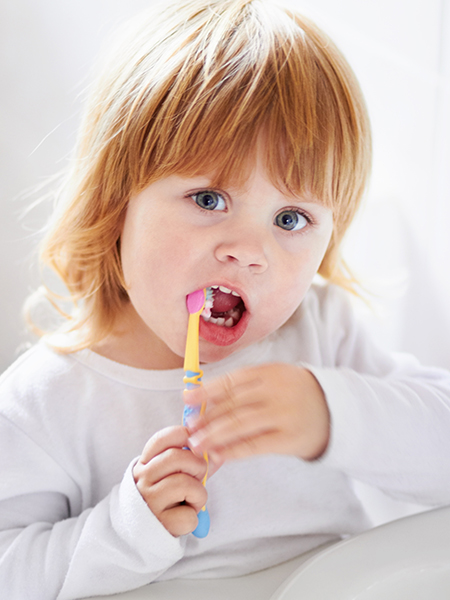
The arrival of your baby’s first tooth is a significant milestone, marking the beginning of their journey toward a lifetime of dental health. Caring for baby teeth, also known as primary teeth, is crucial as they set the foundation for healthy permanent teeth and overall oral hygiene. This comprehensive guide will walk you through the essential aspects of baby teeth care and oral hygiene, ensuring your little one’s smile remains bright and healthy. Why Baby Teeth Are Important Baby teeth play several critical roles in your child’s development: When Do Baby Teeth Appear? Most babies start to get their first teeth around 6 months old, but this can vary. Typically, the lower central incisors come in first, followed by the upper central incisors. By the age of 3, most children will have a complete set of 20 primary teeth. Here’s a general timeline: How to Care for Baby Teeth 1. Start Early Gum Care Before Teeth Emerge 2. Teething Managing Discomfort 3. First Teeth Brushing the First Tooth Daily Routine 4. Diet and Habits Healthy Eating and Drinking Avoiding Baby Bottle Tooth Decay 5. Dental Visits First Dental Visit Teaching Good Oral Hygiene Habits 1. Making Brushing Fun Engaging Your Child 2. Reward System Positive Reinforcement Common Concerns 1. Thumb Sucking and Pacifier Use Managing Oral Health Risks 2. Cavities in Baby Teeth Prevention and Treatment FAQs Q: When should I start using fluoride toothpaste? Q: How can I soothe my baby’s teething pain? Q: What should I do if my child doesn’t like brushing? Conclusion Taking care of your baby’s teeth is an essential part of their overall health and well-being. Starting early with proper gum care, introducing a consistent brushing routine, making dental visits, and promoting healthy eating habits will set the foundation for a lifetime of good oral hygiene. Remember, baby teeth are crucial for chewing, speaking, and maintaining space for permanent teeth, so treat them with the care they deserve. By following these tips and establishing good oral hygiene habits early on, you can help ensure your child’s smile remains bright and healthy for years to come. Walsh Dental has years of experience in treating children and we always welcome them and of course we entertain them as well!
How Often Should You Replace Your Toothbrush? The Essential Guide to Oral Hygiene

Most of us recognize that toothbrushes aren’t meant to last forever. However, pinpointing the right time to swap out your beloved bristles can be tricky. Surprisingly, following manufacturer guidelines and dentist recommendations can keep your oral hygiene on track and prevent potential health issues. This blog post delves into how often you should change your toothbrush, why it’s essential, and tips to maintain your oral health effectively. Why Regular Toothbrush Replacement Matters Defending Against Oral Health Issues Your toothbrush serves as your first line of defense against the bacteria that cause gum disease, tooth decay, and bad breath. Over time, the bristles wear out, become less effective at removing plaque, and might even spread infection if not replaced regularly. Recommended Replacement Frequency Consequences of Using an Old Toothbrush Efficiency Decline Once the bristles lose their stiffness and shape, they can’t effectively clean your teeth. Ineffective brushing leads to plaque buildup, which increases the risk of cavities and gum disease. Potential Health Risks Using a worn-out toothbrush or failing to replace it promptly can contribute to the spread of infections. A toothbrush with worn bristles can harbor bacteria, making it less effective at removing food particles and bacteria from your teeth and gums. How Often Should You Change Your Toothbrush? Standard Recommendation Brushing your teeth for two minutes twice per day is crucial for protecting against cavities. However, the frequency of brushing also influences how quickly your toothbrush wears out. Typically, after three months of regular use, the bristles begin to fall out or become misshapen. CDC Guidelines The Centers for Disease Control and Prevention (CDC) recommends changing your toothbrush every 3 to 4 months, or whenever the bristles show signs of wear. This practice helps maintain your toothbrush’s effectiveness in cleaning your teeth and preventing oral health issues. Changing Electric Toothbrush Heads Electric vs. Manual Electric toothbrush heads clean your teeth using rapid rotations or vibrations. Despite their advanced design, the nylon bristles on electric toothbrush heads can wear out more quickly than those on manual toothbrushes. Replacement Schedule Plan to change the head on your electric toothbrush every 12 weeks or sooner if the bristles show signs of wear. Regular replacement ensures that the toothbrush continues to clean effectively. Situations Requiring Immediate Toothbrush Replacement Illness and Infection If you or a family member have been ill, particularly with viral or bacterial infections like strep throat, it’s wise to replace your toothbrush and those of others in your household. This helps prevent reinfection and maintains overall oral health. Accidental Use by Others If someone else uses your toothbrush, it’s best to replace it immediately. Sharing a toothbrush can introduce new bacteria into your mouth, potentially leading to infections. Children’s Toothbrushes Children often chew on toothbrush heads or handles, causing them to wear out more quickly. Monitor their toothbrushes closely and replace them as needed to ensure they maintain good oral hygiene. How to Care for Your Toothbrush Proper Storage After Brushing Care Risks of Prolonged Use Bristle Flaring Repeated exposure to water and toothpaste causes nylon bristles to weaken. This bending and twisting, known as “bristle flaring,” significantly reduces the effectiveness of your toothbrush. Plaque Buildup Studies show that bristle flaring starts to diminish a toothbrush’s efficacy after about 40 days. Users who don’t replace their toothbrushes within this timeframe experience more plaque buildup, increasing the risk of gum disease and tooth decay. Final Thoughts Your toothbrush is a vital tool for maintaining oral hygiene. To maximize its effectiveness: Mark your calendar to remember when to replace each family member’s toothbrush, ensuring everyone maintains excellent oral health.
The Comprehensive Guide to Maintaining Oral Health
Oral health is a crucial aspect of overall well-being. It goes beyond having a bright smile; good oral hygiene can prevent serious health issues and enhance your quality of life. In this comprehensive guide, we’ll delve into the best practices for maintaining oral health, the importance of regular dental visits, and how your oral health impacts your overall health. Understanding Oral Health Oral health refers to the health of your teeth, gums, and the entire oral-facial system that allows us to smile, speak, and chew. Common oral diseases include cavities (tooth decay), gum (periodontal) disease, and oral cancer. These conditions can cause pain, discomfort, and more severe health issues if left untreated. Daily Oral Hygiene Practices Maintaining good oral health starts with consistent daily practices: Book an appointment with best Dentist in Adelaide at Walsh Dental.