
How to Prepare for Your Dental Check-Up: Tips from the Best Dentist in Adelaide
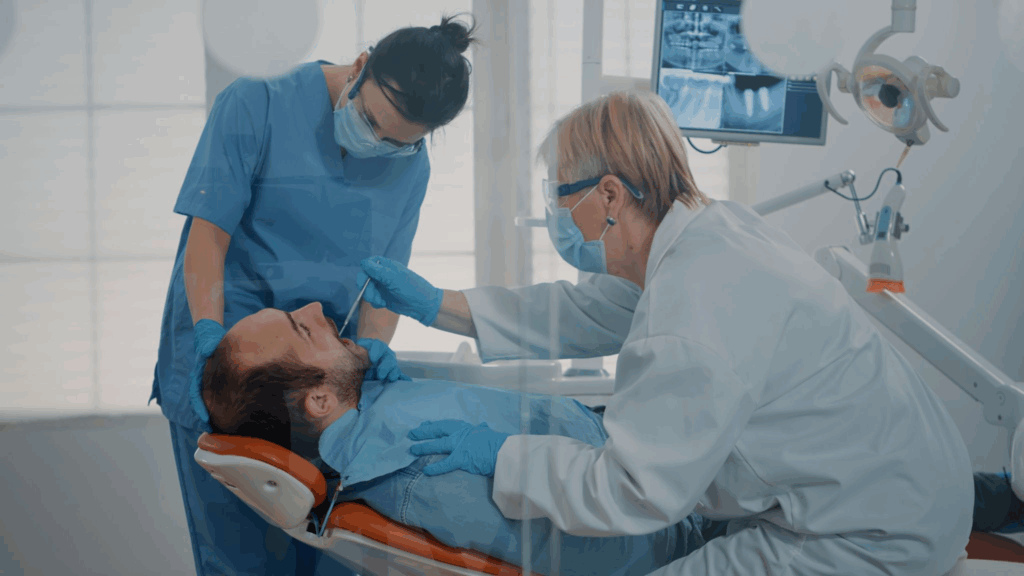
How to Get Ready for a Dental Check-Up—Real Tips from the Best Dentist in Adelaide Let’s be honest—a lot of people feel nervous before going to the dentist. You’re not alone. Even if nothing hurts, just thinking about sitting in that chair can make your stomach turn. But here’s the truth: a dental check-up doesn’t have to feel scary or stressful. It can actually be quick, calm, and helpful—if you’re prepared the right way.If you’re looking for the best dentist in Adelaide, especially around places like Burnside or Stonyfell, there’s a lovely spot called Walsh Dental. They’re known for being gentle and kind. They don’t rush, they explain things in simple words, and they truly care. Now, if you’re wondering what to do before your check-up, let’s go through it together. No fancy talk. Just real, easy tips. 1. First—Understand Why You’re Going You’re not going just because something’s wrong. A dental check-up is like a routine check for your teeth—just to make sure everything’s okay. Even if your mouth feels fine, there might be small issues you can’t see. Catching problems early means less pain later. It’s like taking your car in before it breaks down. Smart, right? 2. Clean Your Teeth (But Be Gentle) Before your visit, go ahead and brush your teeth. Give them a light clean. Maybe floss too. But don’t scrub like crazy thinking it’ll impress the dentist. That might actually hurt your gums. Just do what you normally do—neat and simple. And don’t panic if you forget. Dentists understand. They’ve seen it all. 3. Got Questions? Jot Them Down Ever walk out of the dentist and then remember something you wanted to ask? Yup, we’ve all been there. Before your appointment, write down: Any tooth pain or gum soreness Bleeding when brushing Bad breath that’s not going away Clicking in your jaw Questions about brushing, food, or anything else You can write it in a notebook or on your phone. And yes—every question matters. The team at Walsh Dental listens and explains without rushing. 4. Talk About Your Health Your mouth is part of your body—and everything’s connected. So, let your dentist know if: You’re on medication You’re pregnant You have diabetes or heart issues You feel nervous or scared They’re not just checking your teeth—they’re looking out for your full well-being. At Walsh Dental, they’re good at this. They speak kindly and listen without making you feel small. 5. Skip Eating Right Before Try not to eat a big meal right before your appointment. It’s better for you and easier for them. If you do eat, rinse your mouth or brush lightly. And maybe avoid foods that leave a strong smell (like garlic or coffee).You want to feel fresh when you sit back in that chair. 6. Get There a Little Early If your appointment’s at 10, try to reach by 9:45. That way, you’re not rushing. You can fill any forms, have a seat, and take a few deep breaths. Feeling nervous? Totally normal. Listen to music, take slow breaths, or bring a friend if it helps. The space at Walsh Dental is calm and peaceful. Most people say their nerves go away once they step inside. 7. Bring a Friend or Family Member Feeling shy or uneasy? No problem. Bring someone along. Whether it’s your partner, a friend, or your child, having a familiar face nearby can really help. Little kids and older folks especially feel safer with someone they trust beside them. 8. What Happens During the Visit? Here’s the usual: They check your teeth and gums—looking for holes, loose teeth, gum swelling, and more. Maybe an X-ray—it’s fast, safe, and helps see under the surface. Cleaning—they’ll remove tartar, polish your teeth, and leave you with that clean-mouth feeling. Advice—they’ll tell you what’s going well and what needs work. Simple. Not scary. No surprise pokes or pain. 9. After the Check-Up, Do What They Suggest Once it’s done, your dentist might say: Try brushing a little differently Use a softer toothbrush Get a small filling done Come back in 6 months If you don’t understand something, ask again. They’ll explain. At Walsh Dental, they’re patient and use simple words so you don’t leave confused. 10. Be Proud of Yourself You went. You showed up. You took care of your health. That’s a big deal. Not everyone does that. Many people avoid the dentist for years. But you made time for your teeth—and that’s something to feel proud of.Healthy teeth help you eat, talk, smile, and live better. You’re doing the right thing. Quick Recap (Easy to Remember) Understand why you’re going Clean your teeth gently Write down any questions Share your health info Don’t eat right before Arrive early and stay calm Bring someone along if needed Know what to expect during the visit Follow advice afterward Feel good about caring for yourself Why So Many People Trust Walsh Dental Some clinics feel cold. Some feel rushed. But Walsh Dental is warm, family-run, and built on kindness. They’ve been in Burnside for over 20 years, helping people from nearby suburbs like Erindale, Beaumont, Linden Park, Hazelwood Park, and Stonyfell. What makes them different? They explain things slowly and clearly They treat every patient with care They welcome kids, adults, and seniors They have easy parking out the back They actually listen to what you say If you’re looking for a place where you won’t feel judged or scared, they’re a great choice. A Final Word Taking care of your teeth is part of taking care of your whole self. It doesn’t need to be fancy or stressful. Next time your check-up is coming up, try these tips. Go somewhere that treats you like a person, not just a patient. Walsh Dental in Adelaide is one of those rare places. Contact us today and feel the difference for yourself—gentle care, clear answers, and a team that truly wants the best for you.
10 Ways to Choose the Dentist in Adelaide for Amazing Cosmetic Results
Finding a good dentist in Adelaide who can make your smile better is not always easy. You might feel nervous. You might wonder, “Will this work? Will it look good? Will I feel comfortable?” These are normal questions. Your smile is a big part of you, and it matters. At Walsh Dental, we help people every day who just want to feel happy about their smile. Some want whiter teeth. Some want to fix chips. Some want to close small gaps. No matter the reason, one thing is always true—people want to feel safe, understood, and treated kindly Let’s now talk, like friends, about 10 simple ways to choose the right cosmetic dentist. 1. Look at Real Smiles A dentist who does cosmetic work should show you real photos—smiles before and after treatment. These pictures help you see if they do good work. Look closely at the photos. Do the teeth look natural? Are the changes nice and not too fake? Do you like how the smiles look? If you look at the photos and think, “Yes, I want my smile like that,” it’s a good sign. 2. Ask Them About Your Smile Everyone’s smile is different. Maybe you have small teeth. Maybe one tooth is chipped. Maybe your front teeth have a space. Talk to the dentist. Ask simple things: Can you fix this tooth? Can you make my teeth look brighter? Is it possible to make my smile even? A kind dentist won’t rush. They’ll listen to your questions and explain things slowly. 3. Notice If They Listen to You Some dentists only talk. But a good one will also listen. You should feel like the dentist wants to know what you want. They will give you time to speak. They won’t hurry you.At Walsh Dental, we always start by listening. We know that people feel better when someone truly hears them. 4. Read What Others Say If you are not sure about a dentist, check what other people say. You can ask your friend or family. Or read a few simple reviews online. Some things to look for: Do people say the dentist is kind? Do they say the dentist made their smile better? Do they feel happy going back? If many people say the same good things, the dentist might be a good one. 5. Visit the Place First You don’t have to start treatment right away. Just go visit the clinic. Walk around. Sit in the waiting room. Say hello to the team. Ask yourself: Do I feel welcome here? Is the place clean? Are people talking nicely? If the clinic makes you feel calm, that’s a good start. You can also ask small questions like, “Do you do whitening?” or “Can you fix a front tooth?” Their answers will tell you how they treat people. 6. Watch How They Explain Things Some dentists use hard words. That’s not helpful. You want someone who explains things in a way you understand. A good dentist will say: What they will do Why they are doing it What the result will be How you will feel They won’t confuse you. You should feel clear after talking, not more worried. 7. Ask If They Make a Plan With You Cosmetic work is not only about teeth. It’s about how you want your smile to look. A dentist should ask things like What don’t you like about your smile? Do you want small changes or big changes? Do you have a photo of a smile you like? They should not tell you what to do. They should plan with you. That’s how you know they care about your feelings, not just your teeth. 8. See If They Are Gentle No one likes pain. The good news is that many cosmetic treatments today are very gentle. But you should still ask: Will this hurt? Will I feel okay after? What if I get scared? A kind dentist will answer softly and explain how they will keep you calm. At Walsh Dental, many patients say they feel relaxed during visits. That’s because we move slowly, speak gently, and always make sure you feel safe. 9. Check If They Help All Ages Cosmetic dental work is not only for adults. Teens sometimes break a tooth while playing. Older people may want to brighten their smile. A baby tooth may be chipped by a little child. If the clinic is kind to all—kids, teens, parents, and grandparents—that’s a great sign. It shows they have experience with many kinds of smiles and know how to treat everyone with care. A skilled Dentist Adelaide can help with a wide range of cosmetic treatments—whether it’s fixing a chipped tooth, whitening stained teeth, or restoring a broken crown. They understand that every age group has unique dental needs, from gentle care for little ones to advanced treatments for adults. A welcoming clinic will make every patient feel comfortable, explaining options clearly and ensuring the results look natural. When your dentist listens and customizes the treatment for you, the process is smoother, and your smile ends up looking exactly how you want it. 10. Think About the Next Visit Cosmetic care may take more than one visit. So it helps if: The clinic is near your home There is easy parking (there is parking behind Walsh Dental) They remind you of appointments You feel happy to return If you feel good walking into the clinic, it’ll be easier to come again when needed. After all these steps, there’s one more thing. How do you feel? Do you feel comfortable speaking with the dentist? Do you get excited when you view their work? Do you feel at ease when you sit in the clinic? If yes, then that’s your answer. Choosing a dentist is not just about teeth. It’s about feeling understood. Feeling calm. Feeling like your smile is in kind hands. Walsh Dental in Burnside has helped many families from Tusmore, Beaumont, Linden Park, Hazelwood Park, Stonyfell,
The Importance of Seeing the Dentist in Erindale for Regular Check-Ups

Live in Erindale or nearby? Here’s something worth doing. It’s a good idea to have your teeth examined occasionally, even if they seem to be in good condition with no pain or issues. You’d be surprised how many people wait until something really hurts before they go. But by then? It might already be a big problem. And big problems are, well… not fun. Catching things early? Way better. That’s why having regular dentist visits is such a helpful thing. Not far from Erindale is a clinic called Walsh Dental in Erindale , which is renowned for being amiable and truthful. It’s a family dental clinic. They’ve been doing this a long time—helping parents, kids, and even grandparents. They don’t talk in hard words or rush you through. They talk to you like a person. And they care—about you, not just your teeth. Let’s talk, casually, about why these check-ups matter, what actually happens at one, and how this small habit can keep your whole mouth feeling good. What’s a Check-Up Like? Not been in a while? Don’t worry. It’s not scary. It doesn’t even take that long. Here’s what usually goes on: The dentist takes a look around your mouth. They check for small holes, tooth damage—stuff like that. They’ll peek at your gums too. Are they red? Swollen? Or doing okay? They’ll clean your teeth with tools that take off the sticky bits and the hard buildup (you know, that stuff you can’t brush off). Sometimes they might take a little X-ray if they need a better look inside. Then, they’ll talk to you. Straight talk. What’s good, what’s not, and what you might need to keep an eye on. That’s it. You walk out knowing what’s up. And honestly, it feels good to just know what’s going on in your mouth. No Pain Doesn’t Always Mean No Problem Here’s the thing. A lot of folks think, “Well, nothing hurts… so I’m fine.” Not always true. Some stuff creeps up slowly: Cavities can start small—no pain at first. Gum disease doesn’t always bleed or hurt at the start. A tooth might have a tiny crack and you don’t even feel it… until one day it gets worse. That’s the whole point of going early. The dentist can spot the small stuff before it turns into a headache. What About the Kids? Some parents figure, “Ah, those are baby teeth. They’ll fall out anyway.” That’s half true—but still, kids need check-ups too. Here’s why: Baby teeth help kids eat and talk properly. They provide room for adult teeth to erupt straight. If they get holes or fall out too early? That can mess things up. At Walsh Dental, families bring their little ones in early. The team there knows how to talk to kids, calmly and kindly. They don’t rush them. They make it feel safe. Sometimes even fun. That kind of start helps kids not be scared of the dentist when they’re older. Don’t Forget the Gums It’s easy to just think about teeth. But gums? They’re kind of the glue that holds everything together. If your gums aren’t healthy: Your teeth might get loose. It might hurt to chew. You might notice bad breath that won’t go away. Often it starts simple—maybe a little bleeding when brushing. That’s usually gingivitis. Easy to fix if caught early. But if it gets ignored, it becomes something harder to deal with later.Going for a regular clean helps stop that. Plus, dentists can show you a better way to brush or floss if you’ve been doing it wrong (most people are!). Your Mouth Tells Stories About Your Health Weird thing—not everyone knows this. But sometimes, signs of other health issues show up in your mouth first. Like: The dentist might spot something that points to diabetes. Or low vitamins. Or a mouth infection that needs more than toothpaste. Sometimes even signs of oral cancer. So yeah, a quick dental visit can sometimes be the first clue that something else is going on. And if it is? Who you should speak with next will be determined by the dentist. Catching Things Early Is So Much Easier The whole idea of going for a check-up isn’t just about cleaning. It’s about staying ahead of things. Go once or twice a year, and: You won’t have to deal with big surgeries or big problems later. You avoid missing work or school because of toothaches. You’ll stress less about the “what ifs.” Also, the dentist gives helpful tips based on you. Not generic stuff. Kids? They’ll show them how to brush better or avoid too many sweets. Adults? Advice on gums, stains, or whatever’s bothering you. Older folks? Help with sensitive teeth, dry mouth, or dentures. That’s what’s nice about Walsh Dental. They treat every person based on what they need—not just a one-size-fits-all thing. Nervous? That’s Normal Many people have some anxiety when they see the dentist. Maybe you haven’t gone in years. Maybe someone judged you once. Maybe you’re just embarrassed. You know what? That’s okay. No one’s perfect. And guess what—Walsh Dental isn’t one of those places that makes you feel bad. They’re calm. They explain stuff clearly. They listen. They let you take your time. You can ask anything. They won’t rush or pressure you. Even if your teeth are a mess (your words, not theirs), they’ll still help. No lectures. Just support. How Often Should You Go? Most people do well with a check-up every 6 months. But honestly, it depends. Some folks only need to go once a year. Others—if they’ve got gum problems or health issues—might need to go more often.Best thing? Ask your dentist. They’ll tell you what works for you. No guesswork. What Can You Do at Home? Between visits, keeping things clean is mostly about doing the basics—regularly. Brush twice a day—morning and night. Don’t just scrub; brush for two full minutes. Use a soft-bristle toothbrush. Clean between your teeth (floss or those little
Top 5 Situations That Require Emergency Dental Care in Adelaide Immediately
There are days when everything’s fine—you brush your teeth, go to work or school, eat your meals, and that’s that. But then, there are days when something just feels off in your mouth. Maybe your tooth is hurting a lot. Maybe your child fell, and now their front tooth is bleeding. Or maybe you bit into something, and now a piece of your tooth is gone. In these moments, you don’t wait. You don’t hope it goes away. You need help right away. If you’re around Burnside or places like Beaumont, Linden Park, or St. Georges, you should contact Walsh Dental for trusted Emergency Dental Care in Adelaide. They’ve been helping families for years, especially during those sudden dental troubles. Here are five times you really, really should go see a dentist right away. 1. When a Tooth Falls Out (Yep, It Happens!) Imagine your child is playing. Running, laughing, then boom! They fall. You check, and oh no, a tooth is missing. It’s scary. But don’t panic. Here’s what to do: Why? Because sometimes the dentist can put it back. But you need to be quick. If you’re near Burnside, just head to Walsh Dental. They know how to handle this stuff. They’ve helped many kids and adults in the same situation. 2. A Bad Toothache That Just Won’t Stop You know the kind. The pain doesn’t go away. It comes in waves. It might even spread to your ear, your head, or your jaw. You can’t eat properly. You can’t sleep. This isn’t “wait and watch” pain. This is “go now” pain. At Walsh Dental, we’re here to help you get fast, effective relief before it gets worse. It might be: Whatever it is, you can’t guess. You need a dentist to look at it. Until then, rinse with warm salty water, don’t chew on that side, and don’t put anything on the tooth. Midway reminder: If you’re in Erindale, Hazelwood Park, or nearby, Walsh Dental has treated thousands of painful tooth problems like this, gently and clearly. 3. Tooth Cracked or Broken Sometimes it’s a sudden crunch. Other times, you just feel something sharp and weird in your mouth. Maybe part of your tooth is missing. Maybe it’s a small chip. Or maybe it’s more serious. Here’s what you should do: A chipped tooth might be okay for a bit. But a cracked one can break more. Worse, it can hurt the nerve inside. And that’s where things get tricky. 4. Swelling in Your Face or Gums This one’s important.If your face is puffed up, or there’s a lump on your gum, or your jaw feels heavy—that could be an infection. And infections in the mouth can spread fast. Signs to look for: Don’t ignore it. Call a dentist. Drink water. Don’t press or poke the swollen area. And whatever you do, don’t wait. Sometimes you need medicine, but also treatment for the tooth itself. Antibiotics help with infection, but they don’t fix the cause. Only a dentist can do that. If you’re experiencing these symptoms, Walsh Dental can provide trusted Emergency Dental Care in Adelaide to treat the infection quickly and effectively. 5. Something Is Stuck Between Your Teeth It might be a popcorn skin. Or a tiny seed. Doesn’t sound like much, right? But sometimes, when stuff gets stuck deep between your teeth or under your gum, it can cause pain, swelling, or even infection. Try this first: Trying to remove it yourself can hurt the gum or tooth. It’s better to let a professional handle it. Other Signs You Shouldn’t Ignore Sometimes, the signs aren’t big, but they still mean something is wrong: Again, better safe than sorry. If you’re ever unsure, just call the dentist and ask. Why Acting Fast Matters People often say, “Let’s wait and see.” But that can lead to more pain, more damage, and more treatment. If you act early: Can You Prevent Emergencies? Dental Care in Adelaide You Can Trust Now you know when to get help. And if you’re around Burnside, Stonyfell, or Tusmore, you’ve got a local clinic that’s been caring for families for over 20 years.Walsh Dental is calm, kind, and clear. They treat you like family. The clinic is easy to find and has lots of parking behind it, so you don’t need to stress about that either.Final Words—Don’t Wait If Something Feels WrongTooth pain isn’t just “a small thing.” A knocked-out tooth doesn’t grow back. And infections don’t go away on their own. If something feels off—even a little—it’s worth checking.Walsh Dental is here when you need fast, gentle dental help and trusted Emergency Dental Care in Adelaide. Whether it’s your child, your parent, or you—they’ll make you feel better and explain everything clearly.Contact them today or book online. Don’t wait for the pain to grow. Help is nearby.
How to Help Your Child Develop Healthy Dental Habits

Taking care of your child’s teeth might sound scary at first, but don’t worry—it’s not hard. You don’t need to be a dentist. You just need a little bit of time, some patience, and a lot of love. At Walsh Dental, we meet many parents who ask things like, “When should I start brushing my baby’s teeth?” or “How do I stop my child from eating too many sweets?” Let’s begin with the first step. 1. Clean Even Before Teeth Come In You can begin cleaning your baby’s mouth before they get teeth. After feeding, take a clean, soft cloth, wrap it around your finger, and gently wipe their gums. That’s it. Nothing fancy. Just wipe. This helps keep their mouth clean and also gets them used to the idea that cleaning is a part of life. 2. First Tooth? Time for a Tiny Brush When the first little tooth shows up (usually around 6 months), it’s time to bring in a baby toothbrush. Select one with a tiny head and gentle bristles. Just water, no toothpaste yet. A small amount of toothpaste can be used once your child is one year old. Just a dot. Like a grain of rice. Nothing more. 3. Brushing Should Be Fun—Not a Fight Most kids don’t like brushing in the beginning. That’s normal. Don’t make it feel like a job. Make it a game. Let them choose the toothbrush they want, maybe one with a cartoon on it. Play music while brushing. Dance a little. Sing a silly brushing song. Or make up a story: “Let’s chase the sugar bugs away!” And yes—brush together. Kids love copying parents. 4. Show Them How, Step by Step Don’t expect your child to know how to brush correctly. They need to learn from you. Stand with them in front of a mirror. When brushing, teach them to utilize small circles. Say anything like. “Let’s clean the front teeth first.” At first, you’ll be the one brushing. Later, they’ll start doing it by themselves. 5. Two Times a Day, Every Day Morning and night. No skipping—not even when you’re tired. Try adding brushing to their daily routine: Morning: Wake up → brush teeth → breakfast Night: Dinner → story → brush teeth → sleep Kids like routines. If brushing becomes part of “what we do every day,” there’ll be less fuss. 6. Cut Down the Sugar (But Don’t Panic) Yes, children love sweets. It’s okay. Saying “no” to every treat is not necessary. Just watch how much and how often. Here’s what helps: 7. First Dentist Visit? Go Early Many parents think they should wait until their child is older before seeing a dentist. But it’s better to go early—around age 1 or when the first tooth shows up. Why? 8. Be a Good Example Your child watches everything you do. If you brush your teeth and smile while doing it, they will copy you. If you floss, they’ll want to try it too. If your child brushes for 30 seconds, praise them. So, don’t just tell them to brush—show them. Say things like: 9. Praise Goes a Long Way Want to take it further? Make a brushing chart. Every time they brush, they get a star. After 7 stars, they can get a small reward—a sticker, a story, or a little surprise. Not candy! Kids love feeling proud. 10. Use Toys or Stories to Help Turn brushing into a game. Say things like: Make up silly voices. Let their favorite toy “talk” about brushing. It becomes easier the more joyful you make it. 11. Don’t Scare Them Never say things like Instead, say: 12. When to Start Flossing When your child’s teeth start touching each other (usually after age 2), you can start flossing. Don’t worry if it’s hard at first. Use soft, colorful flossers made for kids. Floss for them gently. Later, they’ll try it themselves. One step at a time. No rush. 13. Play Sports? Get a Mouthguard If your child plays football, cricket, or any sport where there’s risk of falling or bumping into others—ask your dentist about a mouthguard. It’s like a helmet for teeth. It can save your child from injury. 14. No Smoking Around Kids Even if your child doesn’t smoke (of course!), breathing in smoke from adults nearby can harm their dental health. Try to keep smoking far from kids. Their growing bodies and teeth are very sensitive. 15. Teens Need Reminders Too Just because your child is older doesn’t mean they stop needing you. Teenagers sometimes forget to brush or think they’re too busy. Keep reminding them—gently. You can say: Look, parenting is not easy. You have so much to do already. And sometimes, your child might cry, refuse to brush, or make a mess. That’s normal. Just keep trying. Every little effort adds up. A clean, healthy mouth means fewer problems later. No pain, no fear, and a big, happy smile. And remember—if you ever feel unsure or just need someone to guide you and your child through it, Walsh Dental is here. We love helping families and have years of experience in children dentistry, making dental visits simple and fun for kids.Call us today to book an appointment. Let’s keep those little teeth strong, shiny, and smiling—together.
Best Ways to Prevent Tooth Decay and Cavities
Tooth decay and cavities are problems that many people have. They are very common. Children get them. Adults get them. Even older people get them. But the good part is that you can stop them. You do not need to wait until you feel pain or see a hole in your tooth. You can take care of your teeth every day and avoid problems before they even start. At Walsh Dental, we see many people who wish they had done something sooner. They often ask how they can stop tooth decay from coming back. So we want to help you understand how easy it is to keep your teeth strong and healthy. What causes tooth decay? Tooth decay happens when the outer part of your tooth starts to break. This outer layer is called enamel. It is very strong but it can still get weak if you do not take care of it. When you eat food, especially sugary food, small germs in your mouth eat the sugar too. These germs make acid. That acid attacks the enamel. If this happens again and again, the enamel gets weaker. Soon a small hole forms. That is called a cavity. You can stop this from happening. You just need to know what helps your teeth and what hurts them. And you have to follow simple habits every day. Let us talk about the best ways to do that. Brush your teeth every day One of the most important things you can do is brush your teeth. You should do it two times every day. Once in the morning and once before you go to bed. Brushing helps remove bits of food and germs. Use a toothbrush with soft bristles. Use toothpaste with fluoride in it. Fluoride is very good for your teeth. It helps make your enamel stronger. Take your time when you brush. Do not do it too fast. Move the brush in small circles. Make sure you brush the front, back and top of every tooth. Also brush your tongue. Germs live there too. Try to brush for two full minutes each time. Flossing is just as important Flossing is just as important as brushing. A toothbrush cannot clean between your teeth. But food gets stuck there too. Flossing helps remove it. You can floss once every day. It is better to do it at night before you go to sleep. That way your mouth is clean while you rest. If you find it hard to use normal floss, you can use floss sticks. They are easy to hold and work well. Watch what you eat and drink The food you eat matters a lot. Sugary snacks and drinks can hurt your teeth. Candy, cookies, soda and even fruit juice have a lot of sugar. Sticky sweets are worse because they stay on your teeth longer. When germs eat this sugar, they make acid. That acid is what causes the decay. Try not to eat sweet snacks all day. If you want to have something sweet, eat it during a meal. Drink water after. That will help wash the sugar away. Water is the best drink for your teeth. It keeps your mouth clean and helps make more spit. Spit is very important. It helps fight germs and keeps your mouth healthy. Some foods help your teeth. Foods with calcium like milk, yogurt and cheese are good. They help your teeth stay strong. Crunchy fruits and vegetables like apples and carrots are also good. They clean your teeth while you chew them. Nuts, eggs and green vegetables help too. Eating a mix of healthy foods is great for your whole body and also your teeth. Go to the dentist often Seeing your dentist is also very important. You should go two times a year. Even if your teeth feel fine, a dentist can find small problems early. They can clean your teeth better than brushing at home. They can tell you what your teeth need. If you are looking for a dentist near Burnside, it is a good idea to find someone who makes you feel relaxed. A kind and gentle dentist can help you take care of your teeth without fear. Going for regular visits means you can avoid big problems later. Sealants can help protect your teeth Sometimes your dentist may suggest something called sealants. These are thin layers that go on the back teeth. They cover the deep parts of the teeth where food likes to hide. Sealants help keep germs and food out. They are safe and do not hurt. Many children get them but adults can get them too. Be careful with your drinks You also need to be careful with the drinks you choose. Many drinks that look healthy are not so good for teeth. Fruit juices, flavored waters and sports drinks often have sugar and acid. These can wear away the enamel. If you do drink them, use a straw and do not sip them all day. Drink them in one go and rinse your mouth with water after. Dry mouth can be a problem Some people have dry mouth. That means their mouth does not make enough spit. This can be a problem because spit helps clean your teeth. If you often feel like your mouth is dry, drink more water. Chew sugar free gum to make more spit. If that does not help, talk to your dentist. They can help you find ways to fix it. Start good habits early with kids If you have children, it is very important to help them build good habits early. Teach them how to brush and floss. Make it fun. Use a timer or play a short song while they brush. Give small rewards for brushing every day. Taking care of baby teeth is important too. They help children speak clearly and chew their food well. Look out for signs of problems Watch for signs that something may be wrong. If
Why Is It Important to Replace Missing Teeth?

It is possible that tooth loss may not feel like such a big deal at first. You might think to yourself, “It’s only one tooth, I can still eat and talk, what’s the big deal?” But when you lose a tooth and you don’t replace it, all these little issues begin to accumulate. They don’t appear immediately, but they get progressively worse and worse. And then increasingly difficult and costly to repair. Which is why it’s so important to know what actually occurs when a tooth is lost and why its replacement is a healthy and intelligent decision. At Walsh Dental, we meet numerous patients who have lost a tooth due to injury, decay, or gum disease. Some individuals go for years before coming to see us, not knowing how one missing tooth affects their whole mouth. Teeth Are Like a Team When you lose a tooth, the first thing that changes is how your other teeth behave. Teeth are like a team. They stand next to each other and help each other stay in place. When one tooth is gone, the teeth around it start to lean or move into the empty space. This makes them crooked. Your bite, which is how your teeth fit together when you close your mouth, also changes. It might become uneven. Some teeth may start to wear down because they are getting more pressure than they should. This can even lead to jaw pain. Chewing Becomes Harder Another thing that happens is your chewing changes. Even if the missing tooth is in the back and no one can see it, that tooth still had a job. It helped chew your food. When it is not there anymore, the rest of your teeth have to do more work. You may start chewing on one side of your mouth more than the other. Over time, this can make those teeth feel sore. It can also make it harder for you to enjoy certain foods like apples, nuts, or meat. Some people begin to avoid these foods, and that means their diet becomes limited. Not chewing food well can also hurt your digestion. If food is not broken down properly in your mouth, your stomach has to work harder. You may start feeling bloated or uncomfortable after meals. So even though it may not seem like a big problem at first, one missing tooth can affect the way your whole body feels. Speaking Becomes Difficult Teeth also assist you in speaking. We operate our tongue, lips, and teeth together when we speak. Without a tooth, particularly one in the front, it makes certain words more difficult to pronounce. You might hear a slight whistle or lisp when you speak. Some individuals feel embarrassed about this and halt speaking as freely as they once did. They might refuse to speak in groups or refrain from smiling in pictures. This impacts your confidence and self-esteem. Your Jawbone Can Shrink Now let us talk about something people do not always know. Your tooth is attached to your jawbone by its root. That root is what sends signals to your bone that maintain its strength. Once the tooth is lost, those signals cease. Consequently, the bone in that area begins to contract. This is referred to as bone loss. It is not something you will notice, and it is a slow process, but eventually it can alter the structure of your face. Your cheeks may appear sunken or your jawline less firm.That makes you appear older than your age. Bone loss also complicates replacing the tooth later. If there is not sufficient bone, it may not be possible to put in a dental implant without additional treatment. That is why dentists frequently recommend it is best to replace a missing tooth early One Missing Tooth Can Lead to More Some people think they can get by with one less tooth. But the truth is, when one tooth goes missing, it often leads to others falling out later. The nearby teeth become weak or start to tilt. Your gums in that area may become more sensitive or infected. This turns a small problem into a bigger one. So if you replace a missing tooth early, you are actually protecting your other teeth too. Your Smile and Confidence Matter There is also the emotional part. Our smile is a big part of how we connect with others. If you are missing a tooth, especially in the front, you may stop smiling or cover your mouth when you laugh. This can affect your confidence and mood. You might stop going to social events or avoid meeting new people. Fixing a missing tooth can help you feel like yourself again. It brings back your natural smile and helps you speak, eat, and laugh without worry. Good Replacement Options Are Available Today, there are many good ways to replace a missing tooth. Some people choose dental implants. These are small posts placed in the jaw that act like a new root. A crown is then placed on top to look and feel like a real tooth. Others choose a bridge, which is held in place by the teeth next to the gap. Some people may use partial dentures that can be removed. A good Dentist in Burnside can help you decide which option is best for you. The important thing is not to wait too long. Replacing a Tooth Saves Money Later Replacing a tooth also helps you save money in the long run. If you leave the space empty, more problems can come up. You may need more dental work later, like root canals, gum treatments, or even more replacements. Fixing the problem early often means less pain, less cost, and less time spent at the dentist. It is like fixing a small crack before it becomes a big hole. Is It Painful to Replace a Tooth? Many people ask us if replacing a missing tooth is painful. The good news
Foods That Help Strengthen Your Teeth and Gums
We all love having strong teeth and healthy gums. That helps us smile without worry, chew food easily, and talk clearly. Most of us know how important brushing and flossing are, but there is something else that matters just as much. That is the food we eat every day. What we eat can either make our teeth stronger or weaker. At Walsh Dental, we always tell people that good dental health is not just about using a toothbrush. It is also about what goes into your mouth during breakfast, lunch, dinner, and snacks. Let us now talk about the simple foods that help make your teeth and gums stronger. You do not need any special diet. Most of these foods are things you might already have at home. When you include them in your meals, your teeth and gums get stronger and healthier over time. Why Does Food Matter for Your Mouth Your teeth are made from minerals like calcium and phosphorus. Your gums are made from soft tissue that also needs vitamins like vitamin C to stay firm and pink. If you do not get enough of these nutrients in your food, your teeth may get weak, and your gums may bleed or swell. The good news is that many normal foods can give your mouth the strength it needs. Eating healthy food is like giving your teeth and gums protection from the inside. It is not just about avoiding candy. It is about adding the right fruits, vegetables, and drinks to your day. Milk, Cheese, and Yogurt for Stronger Teeth Milk is one of the best drinks for your teeth. It has calcium, which helps build and protect tooth enamel. Enamel is the outer layer of your teeth, and it is what keeps them safe from cavities. Cheese and yogurt are also full of calcium and protein. These help repair your teeth and also make your mouth produce more saliva. Saliva is important because it cleans your mouth and washes away bits of food and germs. Yogurt has good bacteria too. These friendly bacteria help keep away the bad ones that cause tooth decay. If you do not drink milk, you can still get these benefits from soy milk or almond milk, as long as they have added calcium and are not sweetened. Crunchy Fruits and Vegetables That Clean Your Teeth Fruits and vegetables that are crunchy are great for your teeth. Apples, carrots, and celery are especially helpful. When you chew them, they clean your teeth and help remove food stuck between them. These crunchy foods also make you chew more, which helps make more saliva. This saliva protects your teeth from acid and helps clean away harmful germs. Carrots and celery have lots of water and fiber. These help keep your teeth clean naturally. Pears are also helpful because they do not have much acid and are full of water, which is good for your mouth. Leafy Greens for Healthy Gums Leafy greens like spinach, kale, and lettuce are full of vitamins and minerals that help your mouth. They have calcium, which keeps teeth strong, and vitamin C, which keeps gums healthy. These greens also have fiber, which is good for your digestion and helps make more saliva. You do not have to eat a bowl of salad to get the benefits. You can add spinach to your sandwich or blend kale into a smoothie. These small additions still help. At our Dentist in Burnside clinic, we often tell families to start by adding a handful of greens to dinner a few times a week. That small step makes a big difference over time. Nuts and Seeds Are Small but Powerful Nuts like almonds, walnuts, and cashews are great for your teeth. Seeds like sunflower seeds and sesame seeds also help. These foods are packed with healthy fats, calcium, and magnesium. They protect the enamel on your teeth and give your gums what they need to stay healthy. Chewing nuts also helps your mouth make more saliva. That is important for washing away food and keeping your mouth fresh. Try to choose plain, unsalted nuts. If you do not like chewing nuts, you can crush them and sprinkle them on top of your yogurt or salad. Fish and Eggs Give You Vitamin D Fish like salmon and sardines are full of vitamin D. Eggs are also a good source. Vitamin D is important because it helps your body take in calcium from your food. Without vitamin D, even if you eat a lot of calcium, your body cannot use it well. Vitamin D also helps reduce swelling in your gums and keeps your teeth strong. Getting sunlight also gives your body vitamin D. Just a little time outdoors each day can make a big difference. We always encourage people to enjoy fresh air and sunshine whenever possible. Green Tea Helps Fight Bacteria Green tea is a healthy drink that protects your teeth and gums. It has natural ingredients that kill harmful bacteria in your mouth. Drinking green tea helps reduce plaque and keeps your gums from getting sore or swollen. It also helps with bad breath. If you drink green tea, try to avoid adding sugar. Even one unsweetened cup a day can help your mouth feel cleaner. At our Dentist in Burnside location, some patients have told us they felt better after switching from soda to green tea. They noticed fewer cavities and a fresher mouth overall. Fruits with Vitamin C Help Your Gums Oranges, kiwis, strawberries, and even bell peppers are all good sources of vitamin C. This vitamin helps keep your gums strong and healthy. It also helps your mouth heal faster if your gums are sore or bleeding. Some of these fruits have acid in them, so it is best to eat them during a meal and rinse your mouth with water afterward. That way you get the good benefits without hurting your enamel. Water Is the Best Drink
Benefits of Cosmetic Dental Procedures You Should Know
A bright, confident smile can transform not only your appearance but also your overall well-being. In today’s world, cosmetic dental procedures have become increasingly popular for people looking to enhance their smiles and boost their self-esteem. Whether you’re considering minor improvements or more extensive dental work, the benefits of cosmetic dental treatments are far-reaching. If you are exploring options for Dental Treatment in Adelaide, understanding the advantages of these procedures can help you make an informed decision that suits your needs. In this blog, we will delve into the top benefits of cosmetic dental procedures and why more people are turning to cosmetic dentistry in Adelaide to achieve their dream smiles. What Is Cosmetic Dentistry? Cosmetic dentistry refers to dental work aimed at improving the appearance of teeth, gums, and overall smile aesthetics. Unlike traditional dentistry that primarily focuses on oral health and function, cosmetic dentistry prioritizes aesthetics without compromising dental health. Procedures can range from simple teeth whitening to more complex treatments like veneers, dental implants, and orthodontics. Many dental clinics offering Dental Treatment in Adelaide now provide a variety of cosmetic services tailored to individual patient needs, combining health, comfort, and style. Key Benefits of Cosmetic Dental Procedures 1. Enhanced Self-Confidence and Self-Esteem One of the most profound benefits of cosmetic dental procedures is the boost in self-confidence they provide. A smile is often the first thing people notice, and imperfections such as discolored, chipped, or misaligned teeth can make individuals feel self-conscious. Cosmetic dentistry treatments such as teeth whitening, veneers, or clear aligners can drastically improve the appearance of your smile, allowing you to face social, professional, and personal situations with greater confidence. 2. Improved Oral Health While cosmetic procedures are often viewed as purely aesthetic, many of them also contribute positively to oral health. For example, dental crowns and implants not only enhance appearance but also restore function by protecting damaged teeth or replacing missing ones. This prevents further oral complications like decay or bone loss. Orthodontic treatments, a form of cosmetic dentistry, align teeth properly, making oral hygiene easier and reducing the risk of gum disease and cavities. Therefore, cosmetic dentistry in Adelaide is not just about looks but also about promoting healthier teeth and gums. 3. Correction of Dental Imperfections Cosmetic dental procedures can correct a variety of dental issues, including: By addressing these problems, patients can achieve a balanced, harmonious smile that looks natural. 4. Long-Lasting Results Many cosmetic dental treatments offer long-lasting effects, making them worthwhile investments. Teeth whitening can maintain results for months or years with proper care, and veneers or crowns can last for a decade or more with regular dental visits. Dental implants, often considered the gold standard for tooth replacement, can last a lifetime when properly maintained. This durability sets cosmetic procedures apart from temporary fixes, providing sustained improvement in both function and appearance. At Walsh Dental, patients benefit from personalized treatment plans that maximize longevity and satisfaction. 5. Pain-Free and Minimally Invasive Options Thanks to advances in dental technology, many cosmetic procedures today are minimally invasive and pain-free. Techniques like laser teeth whitening, digital smile design, and clear aligners reduce discomfort and recovery time. For those worried about the dental chair, modern clinics specializing in cosmetic dentistry in Adelaide use sedation and gentle approaches to ensure a comfortable experience. 6. Boost in Career Opportunities A bright, attractive smile can significantly impact your professional life. Studies show that people with appealing smiles are often perceived as more approachable, confident, and successful. This perception can open doors in job interviews, networking, and client interactions. Investing in cosmetic dental treatments can thus indirectly improve your career prospects by enhancing your appearance and the way you present yourself. 7. Customized Treatments to Suit Your Needs One of the great advantages of cosmetic dentistry is the personalized approach. Every smile is unique, and dental professionals work closely with patients to create customized treatment plans. Whether you want subtle whitening or a full smile makeover, cosmetic dentists will tailor treatments to match your facial features, lifestyle, and preferences. 8. Increased Motivation to Maintain Oral Hygiene Once you invest in improving your smile, you are likely to become more motivated to maintain it. Patients who undergo cosmetic procedures often adopt better oral hygiene habits, including regular brushing, flossing, and dental checkups. This improved care contributes to the long-term health and appearance of your teeth, creating a positive feedback loop that benefits your overall oral health. Why Choose Cosmetic Dentistry in Adelaide? If you are considering cosmetic dental treatments, choosing the right provider is crucial. Adelaide boasts many reputable dental clinics offering advanced cosmetic solutions. Opting for cosmetic dentistry in Adelaide ensures access to experienced professionals, state-of-the-art technology, and personalized care. Clinics like Walsh Dental provide comprehensive consultations, allowing patients to understand their options clearly and set realistic expectations. The combination of expertise and technology ensures the best aesthetic and functional results. Conclusion Cosmetic dental procedures offer numerous benefits beyond just enhancing your smile. From boosting self-confidence to improving oral health, correcting imperfections, and providing long-lasting, minimally invasive solutions, these treatments are truly transformative. Whether you want a subtle change or a complete smile makeover, exploring cosmetic dentistry in Adelaide with trusted providers like Walsh Dental can be the key to unlocking your best smile.
How to Maintain Your Dental Appliances for Longevity
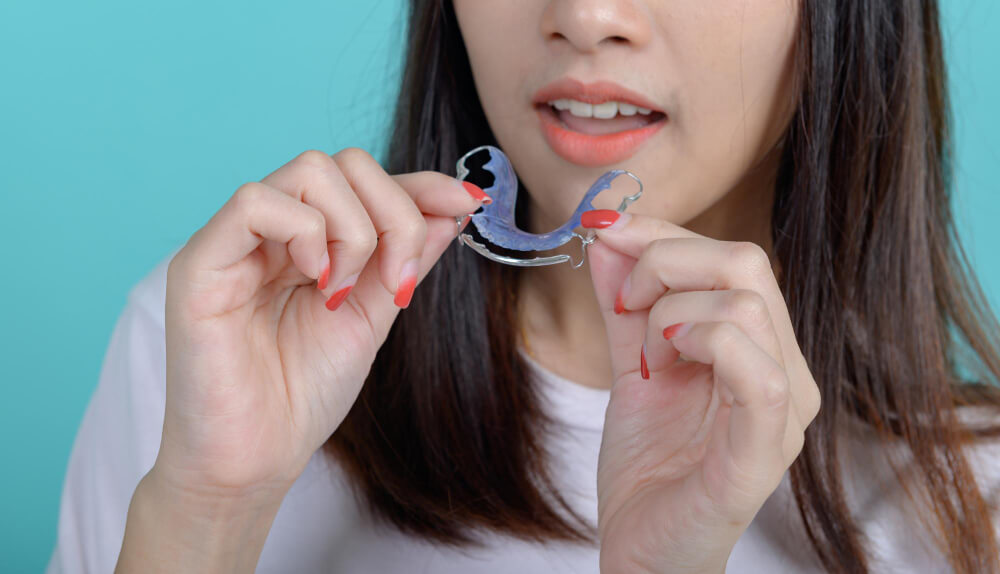
Dental appliances such as dentures, retainers, night guards, and braces play a vital role in maintaining oral health and improving quality of life. Whether you’ve undergone extensive dental treatment or simply require minor corrective devices, proper care and maintenance of your dental appliances are essential to ensure their longevity, comfort, and effectiveness. If you’re seeking reliable dental treatment in Adelaide, understanding how to care for your dental appliances will not only protect your investment but also contribute to better oral hygiene and overall health. In this guide, we’ll walk you through practical steps to maintain your dental appliances for years to come. Understanding Dental Appliances and Their Importance Dental appliances are custom-made devices designed to support dental health or correct certain dental conditions. Common examples include Each of these appliances requires specific care routines, but all share the same goal—helping you maintain a healthy, functional, and aesthetically pleasing smile. Why Proper Maintenance Matters Poorly maintained dental appliances can cause discomfort, oral infections, bad breath, and even damage to your gums or remaining natural teeth. In some cases, neglecting care can shorten the lifespan of these devices, meaning more frequent replacements and increased expenses. Especially for those who have received dental treatment in Adelaide, maintaining your appliances correctly is part of the comprehensive approach to lasting dental health. At Walsh Dental, they emphasize personalized dental care, including advice on proper appliance upkeep to maximize their benefits. Step-by-Step Guide to Maintaining Your Dental Appliances 1. Clean Your Appliance Daily Just like natural teeth, dental appliances can harbor plaque, food particles, and bacteria. Cleaning your appliance daily is critical to prevent stains, odors, and infections. 2. Handle With Care Dental appliances can be fragile. Dropping or mishandling them increases the risk of cracks or breaks. 3. Avoid Harmful Substances Certain foods and substances can damage dental appliances: 4. Maintain Regular Dental Checkups Even if you’re diligent about at-home care, professional checkups are essential. Dentists can: If you’re in Adelaide, clinics like Walsh Dental provide expert dental care in Adelaide, ensuring your dental appliances are functioning properly and remain comfortable. 5. Keep Your Mouth Healthy Your oral environment directly impacts the condition and lifespan of your dental appliances. 6. Follow Manufacturer’s Instructions Each dental appliance comes with specific care instructions tailored to its materials and design. Adhering to these guidelines helps preserve the device’s integrity. 7. Know When to Replace Your Appliance Even with the best care, dental appliances have a finite lifespan. Signs you may need a replacement include: Regular visits to your dentist will help you recognize these signs early. Special Tips for Different Appliances Dentures Retainers Night Guards Why Choose Professional Dental Care in Adelaide? Proper dental treatment is not just about procedures—it also involves ongoing care and support. If you have dental appliances, expert guidance from professionals in dental care in Adelaide is crucial to maintaining their effectiveness. At Walsh Dental, the team understands the importance of both high-quality treatment and comprehensive maintenance plans tailored to individual needs. Whether you need new appliances or advice on caring for existing ones, their experienced team ensures you receive personalized care that promotes the health of your teeth and gums while extending the lifespan of your appliances. Conclusion Maintaining your dental appliances is a key step in protecting your oral health and investment. With regular cleaning, careful handling, professional checkups, and adherence to care instructions, you can ensure your dentures, retainers, braces, or night guards serve you well for many years. If you’re in Adelaide and seeking expert advice or dental treatment, visiting a trusted clinic like Walsh Dental can make all the difference. Invest the time and effort in proper maintenance, and your dental appliances will continue to support your oral health and confidence long into the future.