
How Dental Crowns Can Enhance Your Smile
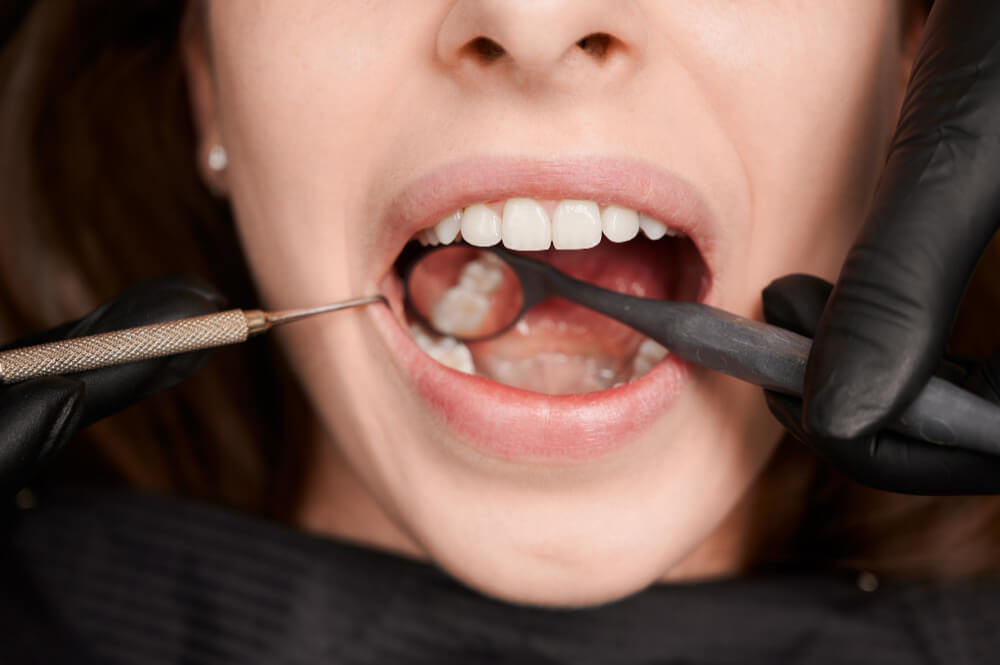
A beaming smile can light up the room, usher in new opportunities, and enhance your overall confidence level. Yet chipped, discolored, or crooked teeth flaws can have you keeping your best smile under wraps. That’s where dental crowns are useful — an amazing dental treatment that not only restores normal function but also significantly offers your smile a fresh new look. If you are planning to undergo dental treatment in Adelaide, it is advisable to know the advantages of dental crowns and how they function so that you can make an informed choice. In this blog, we are going to tackle the science and art of dental crowns, how they assist in enhancing your smile, and why you need to see an award-winning dentist in Adelaide, such as Walsh Dental. What is a Dental Crown? A crown is a custom-fabricated “cap” that encases a broken or weakened tooth to restore its size, shape, strength, and appearance. Fabricated from a range of materials such as porcelain, ceramic, metal alloys, or composite resin, crowns encase the entire visible surface of the tooth above the gum line. Unlike veneers, which only veneer the front, crowns cover the whole tooth, making it more secure from further trauma. Such dual advantages of protection and attractiveness make crowns a favorite for both cosmetic and restorative dental work. Why Choose a Dental Crown? How Do Dental Crowns Enhance Your Smile? The Dental Crown Process: What You Can Expect If you are in Adelaide looking for dental treatment, the below is a standard step-by-step process you will get at a practice such as Walsh Dental: Why Choose Walsh Dental for Your Adelaide Dental Crowns? Taking Care of Your Dental Crowns Your dental crown is a long-term investment in your smile, but good care keeps it looking its best and functioning properly. Dental Crowns and Other Cosmetic Procedures It’s only to be expected to question crowns versus other procedures like veneers or bonding. The Power of a Great Smile Enhancing your smile with dental crowns has a positive effect on various aspects of your life: Final Thoughts A radiant, healthy smile is within your reach thanks to advancements in dental care and cosmetic treatments like dental crowns. Whether you’re dealing with damaged teeth, discoloration, or want to boost your confidence, crowns provide a durable, natural-looking solution that restores both function and beauty. Having a professional dentist in Adelaide like Walsh Dental guarantees your care is individually tailored to your needs and performed with precision. Invest in your smile now and enjoy the long-term benefits of healthier teeth and renewed self-confidence. If you enjoyed this article or have questions about dental crowns, don’t hesitate to reach out or comment below. Your journey to a healthier smile starts here! Book Your Consultation Today If you’re ready to enhance your smile and improve your dental health, consider dental crowns as a powerful solution. For reliable dental treatment in Adelaide, Walsh Dental offers expert care, personalized attention, and beautiful results. Don’t wait to transform your smile — contact Walsh Dental to schedule your consultation and discover how dental crowns can change your life.
The Difference Between Braces and Clear Aligners: Which is Right for You?
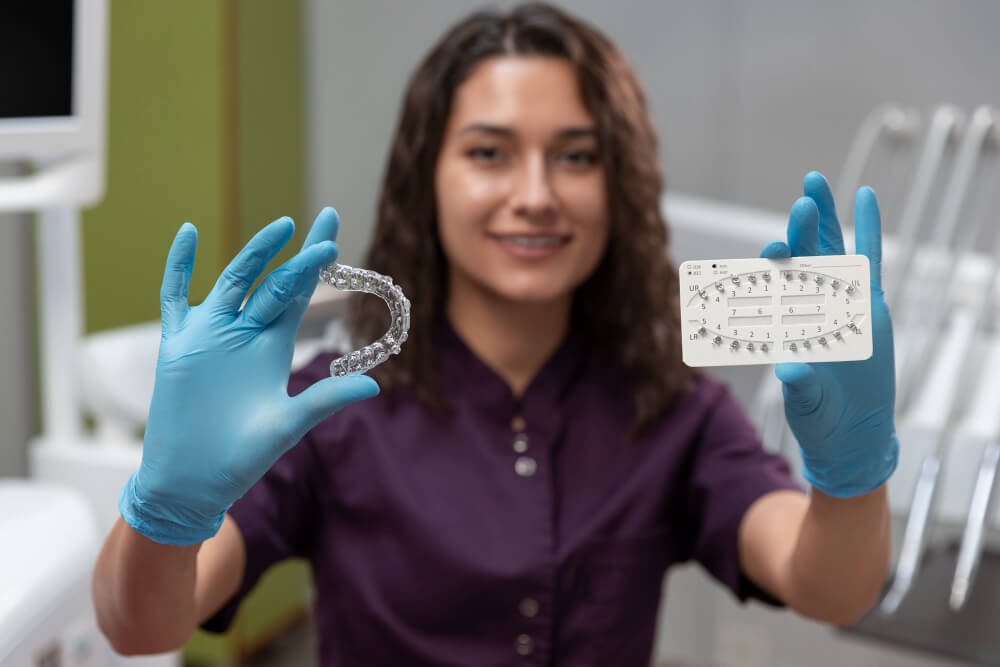
When the time comes to enhance your smile and fix dental problems, two of the preferable choices that come to mind are clear aligners and orthodontic braces. As a prospective patient looking for dental treatment in Adelaide, you’ll wish to be informed of how these two compare so that you can make an informed choice. Walsh Dental does like to walk patients through this process, considering lifestyle, dental requirements, and cosmetic wishes. In this blog, we’ll explore the key differences between braces and clear aligners, highlight their benefits and drawbacks, and discuss why Invisalign in Adelaide might be the perfect solution for many seeking a discreet orthodontic treatment. Understanding Braces: The Classic Dental Treatment Metal braces have been in use for centuries in orthodontics. They are made up of metal brackets cemented to teeth and fixed with rubber bands and wires at some point or another. The parts act in conjunction with one another to exert constant pressure on teeth, which are ultimately shifted to a desired position. Braces work by applying constant soft pressure to your teeth to shift them into position progressively. It is the orthodontist’s job to make wire and band adjustments at regular intervals in order to have teeth keep moving as planned. Treatment can range from 18 months to 3 years based on the degree of complexity in the case. Advantages of Braces Drawbacks of Braces Clear Aligners: The Modern Alternative Clear aligners are a revolutionary replacement for traditional braces. They consist of smooth, clear plastic and fit comfortably over your teeth, pressing them slightly into place. The most well-known brand name is Invisalign, now the name on everyone’s lips for clear aligner treatment. How Clear Aligners Work Clear aligners are specially fitted to every person. You have a set of aligners given to you that you change one to two weeks at a time, each of which moves your teeth a bit further towards where they need to be. The aligners can be taken out, which is convenient for eating and brushing. Advantages of Clear Aligners Disadvantages of Clear Aligners Braces vs. Clear Aligners: What To Keep In Mind? The selection between braces and clear aligners will rely on so many things, such as your oral health, lifestyle, budget, and personal choice. 1. Treatment Effectiveness 2. Aesthetics and Comfort 3. Oral Hygiene 4. Lifestyle and Convenience Invisalign in Adelaide: The Clear Alternative Walsh Dental is pleased to provide Invisalign treatment in Adelaide as part of our dedication to offering cutting-edge, patient-centered dental treatment. Invisalign has revolutionized the world of orthodontics with the provision of straight teeth without the hassle or embarrassment of old-style metal braces. Why Invisalign? Cost considerations: Braces and Clear Aligners Adelaide dental cost is a function of complexity, material, and provider experience. Generally: Which is Best for You? If you’re considering clear aligners or braces, ask yourself the following questions: Last Words Clear aligners and braces are both great paths to a brilliant, healthy smile. Thanks to innovations such as Invisalign Adelaide, patients today have more choices than ever. Whether you like the tried-and-true effectiveness of braces or the subtle coolness of clear aligners, Walsh Dental is here to help every step of the way. If you are in Adelaide looking for dental treatment, do not wait to book an appointment with Walsh Dental. We will guide you on your choices, consider your lifestyle and budget, and design a smile solution made specifically for you. Ready to Change Your Smile? Contact Walsh Dental now to discover more about braces, Adelaide Invisalign, and other orthodontic procedures that can transform your life. Your future smile awaits!
How Hydration Supports Oral Health and Why Water Matters

It is crucial to overall well-being, and the health of the mouth is just as crucial. Everyone knows how healthy it is for overall well-being to be hydrated through the consumption of water but may not yet realize how healthy it is to be adequately hydrated in regard to healthy gums, teeth, and mouth. From the moment you wake up in the morning until you lay your head on the pillow at night, the amount of water you consume is impacting the health of your smile in an amazing way. The relationship between good oral health and achieving hydration is most certainly going to be an afterthought but at times will be the dividing line between avoiding such fairly straightforward oral health issues as dry mouth, tooth decay, and gum disease. So, therefore, is water beneficial to oral health, and how exactly is it going to work for your gums and teeth? Today’s post responds to the question of how being adequately hydrated connects to your oral health, the ideal drink of choice to keep your teeth healthy, and how to have the easy transition. The Link between Oral Hydration and Oral Health It is convenient when trying to get a notion regarding how dehydration has to do with oral health to talk about the job your mouth does to keep the rest of the body in peak working condition. Your mouth, gums, teeth, and salivary glands all help with digestion, immunity, and overall wellness. The Role of Saliva in Oral Well-being Saliva is a key element of a healthy smile. Saliva is your body’s defense from the inside against plaque, bacteria, and food. Saliva washes away debris, neutralizes acid, and shields tooth enamel against acid wear. Saliva even transports minerals like calcium and phosphate to remineralize your teeth and stop early tooth decay in its tracks. Sufficient water intake is necessary for the generation of sufficient saliva. During hydration, your body can generate the appropriate amount of saliva to protect your mouth. But during dehydration, it may decrease saliva generation, resulting in dry mouth (xerostomia). The mouth will be very dry under the condition and more susceptible to smelly bacteria and plaque formation, causing cavities, gum disease, and other oral diseases. Saliva is also a natural defense against ugly acids that oral bacteria produce, the leading culprit for rotting teeth. Dehydration strips the body of its ability to neutralize acids, rendering the body an excellent target for cavities and loss of enamel. Drinking plenty of water keeps saliva functioning at optimum levels, allowing for a continuous barrier against the naughty actions of bacteria. Preventing Tooth Decay and Gum Disease Dehydration will lead to an increased risk of tooth decay and gum disease. Dry mouth syndrome, the dehydrating action, is a bacteria culture medium. Bacteria produce cavities, gingivitis, and plaque, the first stage of gum disease. If your mouth isn’t well-hydrated, it will be harder to remove food particles and bacteria, and there is a higher risk of contracting oral diseases. Continuous drinking of water leads to mouth purification, removal of harmful acids, and the prevention of the formation of pathogenic bacteria. Proper consumption of water also keeps gums healthy and infection-resistant. Dehydration will, however, lead to inflammation and redness in the gums to exacerbate conditions like gingivitis. Water also kills bad breath, a common illness in people with dry mouth. When your mouth lacks lubrication, bacteria grow and start breaking down food particles in the mouth and forming stinky-smelling molecules. Drinking water all day will stop these bacteria and bad breath and freshen up your mouth all day. Why Water Is the Best Drink for Teeth To hydrate, some people use other fluids such as fruit juice, soda, or coffee. They are not healthy for the teeth, however. Sugary drinks like soda and fruit juice are the mouth’s nasty bacteria fuel, which leads to plaque, tooth decay, and enamel loss. Even acidic beverages like coffee and citrus juices can be a perpetrator of tooth sensitivity and enamel loss. And vice versa, water is your best option for your teeth. Water contains no calories, no sugar, and is tooth-friendly. Consuming water after food reduces the ease with which food particles and acid that cause plaque formation and reduces tooth decay. Water is even an acidic-neutral product since it will not reduce the pH value in the mouth because other acidic drinks dissolve enamel. Yet another benefit of drinking water is that it keeps the mouth healthy at a good pH level. The pH of the mouth has a significant role to play in keeping your teeth healthy. If the mouth is acidic, your teeth can be dissolved and more susceptible to getting cavities. Water will neutralize acids and create a more alkaline environment that can keep your teeth healthy. The Benefits of Fluoridated Water Community water supplies are fluoridated in much of the world to give your teeth an added layer of protection. Fluoride is a naturally occurring mineral that has been proven to harden tooth enamel and prevent cavities from developing. Drinking fluoridated water can remineralize decayed enamel, reverse tooth decay at its earliest stages, and defend your teeth against decay. Fluoride is wonderful in small amounts and is especially beneficial for people who have a tendency to get cavities. Although most people use fluoride toothpaste as an addition, drinking water with fluoride gives one continuous exposure to fluoride throughout the day that continues to fortify and make the teeth healthy. Despite continuing controversy over fluoridation of community water systems, studies persist in showing that consumption of fluoridated drinking water is extremely beneficial in combating tooth decay, particularly among children. You’re already doing something for your mouth if you live in a fluoridated area. Although the topic of this blog is the oral cavity, remember that hydration affects more than your oral cavity. The human body is made up of roughly 60% water, and the entire organ system of the body needs water in order to function. Hydration
Is It Time for a Dental Checkup? Signs You Should See a Dentist in Adelaide
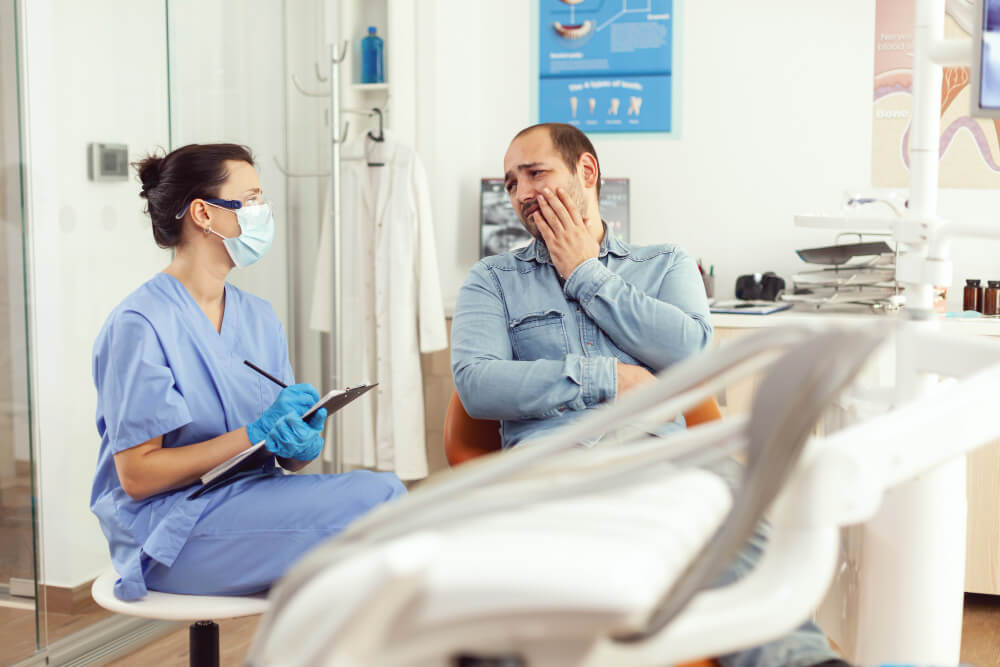
If you can’t recall and are drawing a blank, a safe wager is that you should go see someone. Your mouth and your teeth are not things you’d want to be neglecting, and having any possible problem taken care of in advance can reap dividends down the road in the form of prevented headaches. Whether you are one of the conscientious tooth-brushers and flossers or have been putting off that appointment for months (years), take note of the warning signals that your gums and teeth require a professional. On this site, we outline the most common signs that suggest that it is time to drop by and visit a dentist in Adelaide. Here’s a sneak preview of the number one symptom that will send you running to a dental pro — and why you’ll save not only your smile but possibly your entire health as well. 1. Toothache or Sensitivity Tooth sensitivity is your mouth’s way of telling you it’s flying a red flag. It may begin as an ache, or when you drink and consume something sweet, hot, or cold, shock you with a jolt up through the jaw. Either pain or sensitivity can indicate decay, a cracked tooth, enamel worn away, or infection. Don’t let it get out of control. A visit to your trusted Adelaide dentist can diagnose the cause of the problem and ease the pain before things get out of control. 2. Bleeding or Swollen Gums Pink in the sink when brushing? Bleeding gums are not normal. They’re usually a sign of gingivitis — the initial stage of gum disease. Untreated, it can develop into periodontitis, which destroys the bone structure that holds your teeth in place and can lead to losing them. Sore and inflamed gums also need to be checked. While inflamed gums may indicate over-brushing, persistent swelling indicates that something is wrong that needs to be rectified by a professional. 3. Persistent Bad Breath Bad breath is something normal — we all have garlic breath or morning breath at some point. But if you find yourself having a persistent stench even after you brush, floss, and use mouthwash, something’s amiss. Bad breath (halitosis) may be a sign of gum disease, dry mouth, or a cavity. A trip to the dentist will diagnose the issue and bring freshness to your breath and your confidence. 4. You Have Dental Restorations If you have dental restorations that are like fillings, crowns, bridges, dentures, or dental implants, you must visit your dentist regularly for routine checkups so that all these workpieces are in good health. Chewing and other forces, looseness, or getting damaged will be the cause of trouble unless inspected. At Walsh Dental, we will be in a position to ensure everything is in good order and operational, providing a warranty and prevention against future issues. 5. Clicking or Pain in Jaw Does your jaw click on yawning or chewing? Do you wake with a headache or jaw ache? You can have nighttime teeth grinding (bruxism) or temporomandibular joint (TMJ) disorder. Either may cause long-term harm if left uncured. Accurate diagnosis may ascertain the cause and prescribe the right therapy, i.e., stress-control methods or a night guard. 6. Your Teeth Look Different Alterations in the looks of your teeth — such as dark spots, yellowing, or apparent cracks to the eye — may indicate decay, staining, or other destructive impairment. Even subtle alterations may be indications of larger issues. Your dentist can check if these changes are structural or cosmetic and recommend the appropriate treatment plan — from fillings to veneers to teeth whitening — to restore your smile. 7. Dry Mouth Saliva cleans food and acid out of your mouth. You might have a dry mouth that is caused by a side effect of a medication, dehydration, or a disease. Dry mouth over a long time leads to gum disease and tooth decay. A dentist will be able to tell you why you’ve got it and how you can prevent your mouth from getting dry. 8. You Haven’t Been in Over Six Months Even if you don’t think anything’s wrong, having regular dental visits is a good idea. The Australian Dental Association suggests that you visit your dentist every six months to be cleaned up and checked out. Regular checkups catch trouble early on — most often before you experience symptoms. Preventative care of the mouth is always more affordable and less painful than fixing severe problems. 9. You Have a Medical Condition That Impacts Oral Health Some health conditions — including diabetes, heart disease, and autoimmune diseases — directly impact your oral health. Either the conditions themselves or their treatments can cause dry mouth, swelling, or increased risk of infection. You must visit your dentist more frequently if you have a chronic condition so that your teeth and gums can be maintained in the best possible state. Walsh Dental provides individualized care to medically complicated patients. 10. You’re Having a Baby Hormonal fluctuations that accompany pregnancy can lead to further gum disease and tooth loss. If you are pregnant or expect to be in the coming weeks, now is a good time to visit for an exam. Healthy gums and teeth can also benefit your overall health and that of your baby. There was evidence that gum disease may cause preterm labor, so don’t skip a visit to the dentist while pregnant. Why Adelaide Dental Care Matters Adelaide has plenty of good stuff too — lovely weather, great food, and healthy, active individuals. No matter how wonderful the lifestyle, though, your teeth require proper maintenance. The finest Adelaide dentists can make your family and you have healthy smiles all year round. Whether it is your child’s first visit or your regular one, having a good, reliable professional is what matters. That’s where Walsh Dental comes in. At the very center of Adelaide, Walsh Dental is famous for its friendly service, state-of-the-art technology, and patient-focused philosophy. Their professional team listens to you, learning
How a Dentist in Burnside Can Help Teens with Braces and Oral Hygiene

Adolescence is replete with change, growth, and many milestones. One of the myriad of changes that adolescents go through, perhaps one of the biggest, is the development of their teeth, particularly with the accompaniment of braces. Brackets are a very prevalent and efficient method of straightening teeth and dealing with bite problems but are accompanied by a specific problem in issues relating to oral hygiene. Expert dental advice comes in here. If you’re an adolescent—or an adolescent yourself—the better you comprehend the way a dentist in Burnside can manage braces and maximize optimum oral health, the better situated you’ll be. Orthodontics is only part of the equation; the other part is normal oral care, tracking, and forward-looking preventive treatment that prepares teenagers to have well-appearing smiles for a lifetime. Let’s discover how orthodontists and dentists work together with families so teens not only end up with a straight smile but also healthy gums and teeth as well in the process. The Role of Oral Hygiene When Wearing Braces Braces create fissures and cracks in the mouth that never existed before—sites where plaque and food particles easily collect. In teens, it makes brushing and flossing more difficult and time-consuming. Forgetting oral hygiene care during orthodontic treatment can result in a chain of complications, such as These are the complications that become extremely high without constant monitoring and professional guidance. That is why it is important to have a trusted dental service provider such as Walsh Dental. What Is the Dentist’s Role During Orthodontic Treatment? While the orthodontists take care of the alignment of teeth and correction of bite, a family or general dentist takes care of the overall health of gums, teeth, and mouth. The dual-care system guarantees overall care and maintenance. Here are a few ways in which a dentist can assist teens with braces: 1. Professional Cleaning and Monitoring With even the most thorough brushing, plaque and tartar can still accumulate in places that are difficult to reach in the presence of braces. Dental cleanings by dentists are more effective than those done at home, using specialized equipment to remove plaque and tartar where the wires and brackets are located.Regular checkups also enable dentists to check for the early signs of tooth decay, gum infection, and other issues before they become serious. 2. Oral Hygiene Education Teenagers usually require more guidance on proper brushing and flossing when they have braces. Walsh Dental dentists also spend time instructing teenagers and parents in the proper technique, such as: Learning is empowerment—and when teens are educated about the “why” of their habits, they’re more likely to stick to them. 3. Preventive Treatments Preventive treatments can be prescribed by dentists to make enamel stronger and prevent decay. These may include: These preventive steps significantly lower the risk of complications that can delay orthodontic treatment or affect long-term oral health. 4. Dietary Counseling Braces sometimes require diet adjustments, and the majority of teenagers find it difficult to resist sticky, hard, or chewy foods. Orthodontists can give advice and alternatives that enable teenagers to pick healthier alternatives without missing out on anything. They also emphasize having less sugar and drinking water often in order to have healthy gums and teeth. Breaking Common Teen Obstacles with Braces Teenagers have school, sports, and social lives to balance—and dental care may be way down on the list. Dentists understand this and adjust their style to fit, providing useful, teen-relevant recommendations.Here are some of the usual problems and how Dental Care in Burnside can solve them: Flossing Trouble Flossing is difficult with traditional braces, and adolescents might even skip it. Dentists introduce new technologies such as floss threaders or water flossers for a faster, less painful solution. Shyness About Oral Hygiene Issues Certain adolescents are shy if they have halitosis or white spots. A welcoming dentist provides a non-judgmental environment, inviting open discussion and providing solutions that boost confidence. Discomfort Due to Brackets or Wires Braces may lead to soreness, mouth sores, or irritation. Dentists watch for any indication of stress or damage and offer relief techniques—like dental wax or calming rinses. Motivation and Accountability Regular checkups make teens feel responsible for their teeth’s health. Dentists notice improvement, monitor progress, and hold teens responsible for their hygiene practices. Why Choose Walsh Dental for Your Teen’s Care? With their smile, your teen requires a dental team who not only knows the clinical aspects but who takes the time to connect with your teen on a personal level. That is what Walsh Dental accomplishes. Here’s why they stand out: Whether your teenager is just beginning orthodontic care or is close to finishing, Walsh Dental collaborates closely with your orthodontist to make care convenient and seamless. Building Lifelong Habits One of the best things you can do for your teenager is instill in them a healthy oral health foundation. The practices and principles they develop while they have braces can be lifelong habits. With a healthy dental partner to lead the way, teenagers learn to be responsible for their own oral health and the importance of owning healthy, beautiful teeth. Don’t forget, braces are temporary—but the reward is permanent. Taking care to keep teeth clean, healthy, and cavity-free throughout the process guarantees the end result is as rewarding as it can be. Final Thoughts Teenagers already have plenty to concern them without the added stress of dental problems with compromised oral health when they are going through orthodontic treatment. Regular visits with a skilled dentist in Burnside will have families reassured that their teenager’s smile is being well taken care of every step of the way. A reliable partner like Walsh Dental provides the experience, knowledge, and dependability needed to care for teens throughout the process. By including professional cleanings, individualized education, and prevention in the package, they enable teens to maintain their teeth in top shape—even when wearing braces. From initial consultation to final retainer, Dental Care in Burnside is an honored ally in assisting teens to achieve more than
Why Is Flossing Important for Your Oral Health?

When you’re thinking about taking care of your teeth, brushing is probably the first thing that comes to mind. It’s what we do daily. What about flossing? To some, it’s that “optional” oral hygiene aspect that gets conveniently skipped. But leaving out flossing could be the difference between a smiling mouth and a future filled with expensive, painful dental work. If you’ve ever questioned whether or not flossing is even worth the bother, the answer is a resounding yes. Flossing is integral to maintaining a clean, healthy mouth — and its benefits extend far beyond better breath. In this comprehensive article, we’re going to debunk exactly why flossing is essential, what goes wrong if you don’t, and how it fits into the big picture of oral health and professional dental care — whether upkeep is being done at home or preparation is being made for dental treatment in Adelaide. What Is Flossing, Really? Flossing uses a long, thin, flexible string (or floss picks or water flossers) to dislodge plaque and food particles between teeth and below the gumline — areas your toothbrush can’t reach. These tiny crevices between your teeth are where plaque, bacteria, and food particles enjoy hiding and accumulating. Your toothbrush, no matter how good your technique is, only cleans about 60-70% of your tooth surfaces. The rest? That’s what flossing is for. By moving floss between the teeth and bending it around the sides, you dislodge plaque and food particles that would otherwise lead to cavities, gum inflammation, and bad breath. The Benefits of Flossing Every Day If you want some motivation to include flossing in your daily routine, here’s how it can help you: 1. Prevents Gum Disease Gum disease starts when plaque develops above and below the gumline. Plaque, without flossing, becomes tartar and causes gingivitis — the first stage of gum disease. The symptoms are red, inflamed, or bleeding gums. Without intervention, it develops into periodontitis, which breaks down the bone and tissues that hold your teeth in place. 2. Prevents Cavities Gaps between your teeth are the most valuable real estate for bacteria. When food particles get stuck between teeth, bacteria dine on them and overflow with acid. The acid dissolves tooth enamel and causes cavities. Flossing wipes out these danger zones. 3. Freshens Your Breath Bad breath, or halitosis, usually is caused by bacteria that live on food particles trapped between your teeth. There is no mouthwash that can substitute for the mechanical removal that flossing provides in eliminating you of the cause. 4. Makes Your Teeth Whiter Brushing eliminates surface stains, but flossing eliminates debris that can lead to staining over time. Whiter and healthier-looking teeth look when they are cleaner. 5. Saves You Money Preventive care is always less expensive than treatment. A daily floss can keep you out of fillings, deep cleanings, root canals, or worse — losing a tooth. What Happens If You Don’t Floss? Not flossing has short-term and long-term effects: In the short term, you might not even realize anything is wrong. But inflammation may already be simmering below the gumline. It accumulates over time. You may experience gums bleeding as you brush — an indication that something is not right. If left over time, unless cleaned by professionals removing the tartar, it may cause deep infection, bone resorption, loose teeth, and even total loss of teeth. As per studies, flossing can lower your chances of developing periodontal disease by as much as 40%. That’s a big decrease from an activity that only takes less than two minutes a day. Flossing Technique: Are You Doing It Correctly? Good technique is important when flossing. Here’s a step-by-step: If you bleed when you floss, don’t worry. That is usually a sign of inflammation due to not flossing enough — and will cease after a week or so of regular flossing. Alternatives If You’re Having Trouble With Regular Floss Not everyone is comfortable flossing, particularly if you have tight teeth, braces, or mobility problems. The good news is that there are wonderful alternatives: Discuss with your Adelaide dentist what product will suit your lifestyle and mouth. The Link Between Flossing and Overall Body Well-being You may be amazed to know that your overall health is connected directly with your oral health. Gum disease does not remain in your mouth — it has been linked with: The bacteria that live in infected gums can migrate to your bloodstream and cause inflammation in other parts of your body. Flossing, combined with brushing and professional attention, is a front-line defense. Flossing for Children and Older Adults Flossing is appropriate for everyone. Children can begin flossing when they have two teeth that touch. Parents will need to assist until the child can manage on their own. Teenagers will resist, but pointing out now how important flossing is prevents problems with braces and establishes habits that will last a lifetime. Seniors also have special challenges such as gum recession, dry mouth, or loss of dexterity — but flossing is still essential to healthy teeth and preventing costly prosthetic intervention down the road. Getting into the Habit: Strategies That Work If flossing is a hassle, try these tips to make it less so: Remember: habits stick when they’re easy, in sight, and rewarding. Flossing and Your Professional Dental Care Routine No matter how diligently you floss, you’ll still require professional cleanings. That’s where professional dental care comes in. Cleanings remove tartar buildup and allow early problem detection — before they hurt or cost you a great deal of money. If you’re noticing bleeding gums, tooth sensitivity, or bad breath even with good hygiene, it might be time for a checkup. The team at Walsh Dental specializes in comprehensive oral care, including preventive strategies tailored to your needs. Whether you’re due for a general exam or need more advanced care, booking a consultation with a trusted dentist in Adelaide is a great next step. When Flossing Just Isn’t Cutting It: Time for a Checkup Despite
How to Eat and Drink Without Ruining Your Invisalign Aligners

Invisalign is a new product in orthodontics, which is a clear and comfortable way of straightening teeth. But for this to keep functioning as clear, effective, and undamaged, proper care is essential. The greatest concern of Invisalign users is how to eat and drink without ruining their aligners. At Walsh Dental, we treat Invisalign in Burnside to enable our patients to attain a flawless smile while providing them with a step-by-step journey of the treatment. If you are new to Invisalign or beginning your experience with it, this guide will give you key tips on how to maintain your aligners and get the best outcome. Why Proper Care of Invisalign Aligners is Important Invisalign aligners are created from a long-lasting thermoplastic material engineered to slowly move your teeth into position. Nevertheless, they should not be used to withstand chewing pressure or be exposed to hot and acidic foods and drinks. Not properly maintaining your aligners can lead to: By eating and drinking the right way, you can maintain your Invisalign aligners in top condition and carry on with your treatment with no disruption. Can You Eat with Invisalign? No, you should never eat when you have your Invisalign aligners on. Chewing stresses them, which may lead them to crack, and food particles will get lodged in them, adding to plaque and halitosis. What Happens If You Eat with Invisalign On? If you accidentally eat food while wearing your aligners, take them out, rinse your mouth with water, and brush your teeth before you put them back in. Best Practices for Eating with Invisalign As you will be removing your aligners to eat, here are some tips to ensure it’s a smooth experience: Before Eating After Eating Following these habits, you can keep your oral health in equilibrium by keeping your Invisalign aligners clean and working. What Can You Drink with Invisalign? Though you can consume some drinks with Invisalign, most of them should be avoided for fear of staining as well as damaging the aligners. Safe Drinks Water: Plain water is the only drink that is absolutely safe to drink when wearing Invisalign. It won’t stain, harm, or leave deposits on your aligners. Drinks to Avoid Lessening Damage from Drinks If you need to drink something other than water: Best Foods to Eat with Invisalign Because you need to take out your aligners so that you can eat, you can theoretically eat anything. Nevertheless, there are some food choices that are more Invisalign-friendly. Recommended Foods Foods to Avoid How to Keep Your Teeth Healthy During Invisalign Treatment At Walsh Dental, we always stress the significance of proper oral hygiene when you are wearing Invisalign. Implement the following steps to keep your teeth and aligners in their best shape: What to Do If You Eat or Drink with Invisalign by Accident? Accidents will occur, but timely action will not cause irreversible harm. If You Eat with Your Aligners On If You Drink a Staining or Sugary Drink Final Thoughts Invisalign aligner care can be time-consuming, but by following these simple guidelines, you can ensure a smooth and successful treatment. Removing your aligners during meals, limiting drinks while wearing them, and maintaining proper oral hygiene will keep your aligners clean and functioning properly while protecting your teeth. At Walsh Dental, we specialize in Burnside Invisalign and are dedicated to helping patients achieve their perfect smile with expert guidance. Led by Dr. Thadsha, our team provides top-tier Invisalign care and professional advice. If you have questions about Invisalign maintenance or need expert assistance, book an appointment with us today. Your journey to a flawless smile starts with the right habits!
Can a dentist in Burnside fix my uneven teeth?
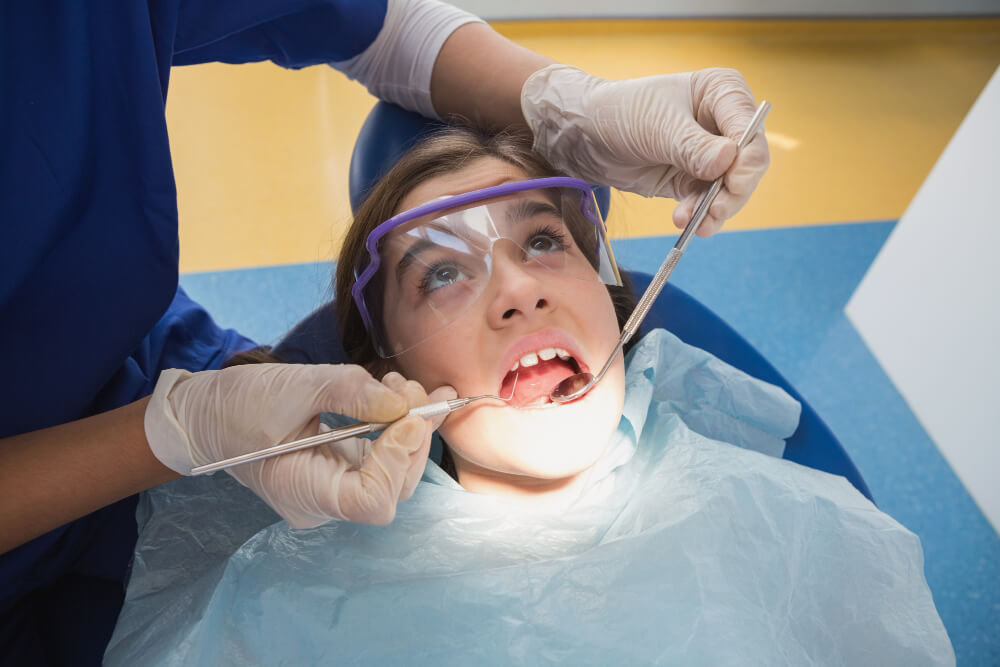
Crooked teeth may be more than a cosmetic destroyer of your smile—they may also lead to oral problems, speech difficulties, and even chewing and digestive issues. Most patients in Burnside come to see professional dental care to straighten crooked teeth and not only improve function but beauty as well. If you are wondering whether or not a Burnside dentist can fix your crooked teeth, the answer is yes! At Walsh Dental, one of the top dental treatments in Burnside, patients can seek out a number of treatments for crooked or asymmetrical teeth. If your teeth are slightly uneven or very crooked, a professional dentist can assist you with the best type of treatment. This blog post is going to tell you the reasons why teeth are uneven, the issues they can cause, and the various dental treatments that exist so that you can have the straight, confident smile that you deserve. What Causes Uneven Teeth? Uneven teeth, or dental misalignments/malocclusions, can be caused by a myriad of reasons. Some of the most prevalent causes are: 1. Genetics Your genes have a significant influence on the shape your teeth will erupt in. If you have crooked teeth or overcrowding in your parents’ mouths, you could inherit the same tooth position. 2. Childhood Habits Some childhood habits can result in irregular teeth, including: These habits can exert pressure on growing teeth and force them out of line. 3. Premature Loss of Baby Teeth Premature loss of the baby teeth may lead to the surrounding teeth drifting into the vacant space, causing crowding or malalignment when the permanent teeth erupt. 4. Misaligned Jaw A malaligned jaw will lead to numerous issues of bite such as overbite, underbite, or crossbite, which are the reasons behind uneven teeth. 5. Inadequate Dental Hygiene If dental hygiene is not maintained, tooth loss and gum disease may develop, which may ultimately result in misalignment and drifting teeth. Why Straighten Crooked Teeth? While crooked teeth are viewed as merely a cosmetic issue by some, there are a variety of reasons that you should get them straightened. 1. Oral Health Benefits Crooked teeth are more challenging to clean between, which encourages plaque, cavities, and gum disease. Straightening teeth simplifies oral care. 2. Better Chewing and Digestion Teeth are used to crush food so it can be digested. Teeth that are not straight have trouble chewing effectively and lead to digestion issues. 3. Jaw Pain and TMJ Disorders Avoidance Misaligned teeth also generate extra tension within the muscles and joints in the jaw, causing temporomandibular joint (TMJ) disorder, headaches, and facial discomfort. 4. Clearer Speech Some of these misalignments, such as overbite or interproximal spaces, may also impact speech clarity. Better alignment can make speech and pronunciation better. 5. Enhanced Self-Confidence A good-looking, straight smile can improve self-confidence immensely and make an individual feel more comfortable in social and business settings. How Can a Dentist in Burnside Straighten Crooked Teeth? A Burnside dentist, such as the professionals at Walsh Dental, can offer many options to fix crooked teeth. The most suitable solution depends on the degree of misalignment, personal preference, and health of teeth. 1. Traditional Braces Metal braces remain one of the most effective treatments for straightening crooked teeth. Braces are made up of metal brackets and wires that, over a period of time, push teeth into position. Benefits: ✔ Can be used for any degree of misalignment✔ Very effective for severe cases✔ Can be colored differently with different band colors Disadvantages: ✖ More noticeable than other treatments✖ Must be tightened from time to time, which can be painful 2. Clear Aligners (Invisalign) If less visibility is desired, then clear aligners like Invisalign are the answer. These are removable, clear plastic trays that gently shift the teeth into place. Advantages: ✔ Practically invisible✔ Removable during eating and brushing✔ More comfortable than metal braces Disadvantages: ✖ Not suitable for severe misalignments✖ Requires self-discipline to wear for 20–22 hours per day 3. Dental Veneers Veneers are thin, custom ceramic or composite shells that are bonded over the front of teeth. They are ideal for minor misalignment, spacing, or discoloration correction. Advantages: ✔ Immediate result✔ Able to fix multiple cosmetic imperfections✔ Stain-resistant and long-lasting Disadvantages ✖ Doesn’t really move teeth , but only hides imperfections✖ Removes some of the enamel, so the procedure is permanent 4. Dental Bonding Bonding is a procedure where a tooth-colored resin is filled to reshape teeth and fix small misalignments. It’s a quick and cheap method to make small changes. Advantages: ✔ Quick and painless✔ Cheap✔ Improves appearance instantly Disadvantages: ✖ Not as long lasting as veneers or crowns✖ May require retouching in the future 5. Dental Crowns Crowns encase the whole tooth and can be utilized to re-contour and align very irregular teeth. Crowns are generally indicated if a tooth is broken or weak. Advantages: ✔ Protects and strengthens weak teeth✔ Enhances function and appearance✔ Permanent Disadvantages: ✖ More invasive than the other treatments✖ Natural tooth reshaping is required Why Choose Walsh Dental for Dentistry in Burnside? Whenever dental care is being considered at Burnside, Walsh Dental has to be a priority to enjoy expert care and a personalized method of treatment. 1. Friendly, Experienced Team Walsh Dental’s experienced and friendly staff takes the time necessary to detail every treatment method carefully and provide relief to discomfort for patients. 2. Advanced Equipment Walsh Dental utilizes cutting-edge technology to identify precisely what issues and problems can impact a patient and deliver top-class treatments. 3. Full Options From traditional braces to Invisalign and veneers, Walsh Dental offers the full lineup of treatments to accommodate your personal requirements. 4. Patient Reviews Many pleased patients have offered rave reviews, praising the welcoming and professional service at Walsh Dental. What to Expect at Consultation When you visit clinic for a consultation, your dentist will:✔ Carefully check your jaw and teeth.✔ Use digital X-rays or scans to see if your teeth are aligned.✔ Discuss treatment plans based on your requirements.✔ Create a
Invisalign: Your Path to a Perfect Smile—Before and After Transformations

A beautiful straight and pretty smile can be a life-changer. In life, in the workplace, or simply by gazing in the mirror, a pretty smile provides a confidence boost. For most, however, concerns of dental alignment like overcrowding, spaces, or bites are the turn-off. Traditional metal braces have been the standard procedure, but at the expense of aesthetics and comfort as well. That is where Invisalign revolutionized the art of orthodontics. What is Invisalign? Invisalign is a cutting-edge orthodontic system that uses transparent, removable aligners to straighten teeth rather than metal braces. The aligners are custom-made for every patient and move the teeth incrementally into their ideal positions. With metal braces, Invisalign aligners are nearly invisible, a subtle way to have a perfect smile. Treatment is dependent on advanced 3D imaging technology, which is utilized to produce a full treatment plan. The patients change to a new aligner every one or two weeks and wear each for 20 to 22 hours per day. The teeth are gradually moved into their final position by the aligners. Why Invisalign Over Metal Braces While Invisalign and braces are both doing the same thing—straightening teeth to a healthier, more gorgeous smile—there are several reasons why most individuals choose Invisalign: Transformations Before and After: Real Results with Invisalign The greatest proof of success with Invisalign is on before-and-after photographs. Invisalign is able to correct a variety of dental issues, such as: Case Study 1: Correction of Overcrowding Before: A patient presented with a moderate type of overcrowding, and she was experiencing difficulty in having good oral hygiene due to the overcrowding of the teeth. Plaque deposition put her at increased risk of cavities and gum disease. After: After 12 months of treatment with Invisalign, the teeth were well aligned and gave more room for easy brushing and an even better smile. There was improved oral health and increased confidence on the part of the patient. Case Study 2: Closing Spaces Between Teeth Before: There was a patient with big spaces between the front upper teeth, not only affecting the aesthetic perception of the smile but also gum sensitivity and easy chewing of food. After: At 10 months of Invisalign, the spaces closed completely, giving an even and natural smile. The patient could bite and chew more efficiently and felt better about their appearance. Case Study 3: Overbite Correction Before: One patient had an overbite in which the upper front teeth were overlapping significantly lower teeth. It was causing jaw pain, uneven tooth wear, and distress about their smile. After: Following treatment for more than 18 months, Invisalign corrected the overbite, aligning the upper and lower teeth properly. The patient experienced less jaw pain, improved functioning, and a more evenly shaped smile. The Invisalign Treatment Process If you’re considering Invisalign, the treatment follows a structured process: Choosing the Right Invisalign Provider Selecting a qualified dentist is the best way to realize successful Invisalign treatment. Seeking Invisalign in Burnside, Walsh Dental is an ideal choice that boasts a solid reputation for delivering quality, personalized orthodontic treatment. Walsh Dental patients are treated to: In addition, when looking for Burnside dentistry, the experts at Walsh Dental provide a wide range of treatment, so your teeth are in optimal hands. Conclusion: Is Invisalign Right for You? Invisalign is a cutting-edge orthodontic treatment that provides a pain-free, invisible, and successful means of obtaining the smile of your dreams. With before-and-after photo results for themselves, Invisalign remains one of the finest solutions for individuals who need a healthy, confident smile. If you need Burnside dental care, a visit to Walsh Dental for consultation will allow you to determine whether Invisalign is the right fit for you. Dr. Thadsha and team offer expert advice and treatment options to help you achieve the best outcome. A personalized consultation can lead you to a dazzling transformation. Ready to get your dream smile? Schedule an appointment today with Dr. Thadsha at Walsh Dental and be the confident best version of you!
Enhance Your Confidence with Professional Whitening Treatment from a Skilled Dentist in Leabrook
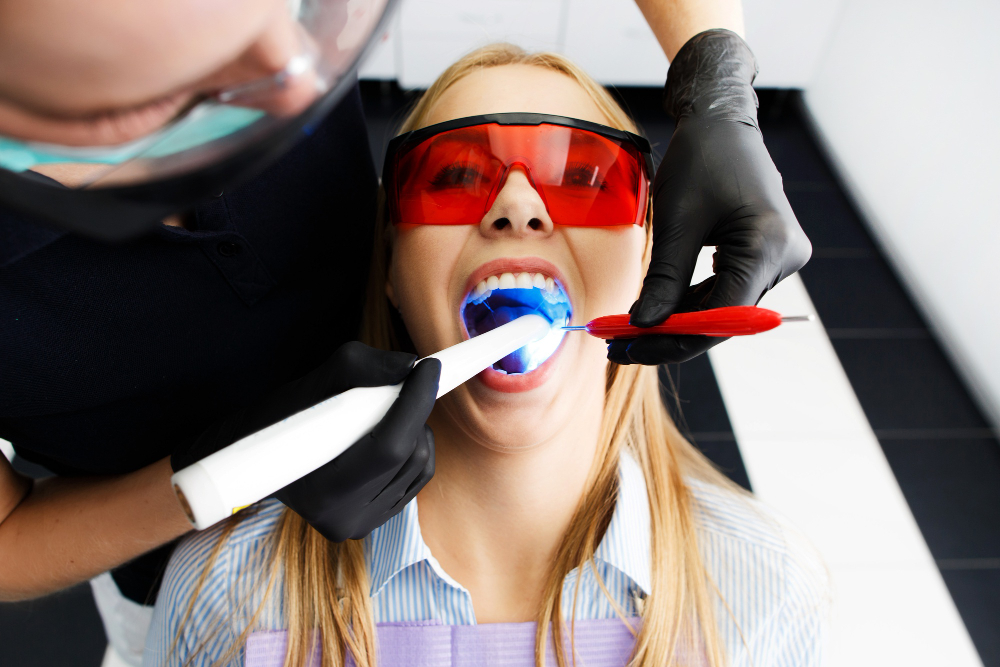
A shiny, white smile tends to go with confidence, success, and good first impressions. But routine behaviors such as the consumption of coffee, tea, or red wine, smoking, and even the natural process of aging can lead to yellowed, dull, or stained teeth. Professional whitening of the teeth is the best remedy if you find yourself covering up your smile for the camera or blushing at parties. Unlike over-the-counter whitening products, professional whitening treatment is safe, very effective, and lasts much longer. Looking for a dependable dentist in Leabrook? Dr. Thadsha at Walsh Dental provides the best whitening treatments customized to you. Keep reading to find out how professional whitening can boost your self-confidence and how expert care does make a difference. Why Teeth Whitening Does Matter Your smile is also one of the first things that anyone ever notices when they meet you. A whiter smile can: Professional teeth whitening is not just about looks; it is about looking and feeling great in every area of life. Why Do Teeth Stain or Yellow? There are a number of reasons why teeth stain or turn yellow over time, such as: 1. Food and Drinks Rich foods and drinks like coffee, tea, red wine, berries, and tomato sauces have pigments that are left behind in your enamel, causing stains. 2. Smoking Smoking or chewing tobacco puts your teeth in contact with tar and nicotine, which deposit hard yellow and brown stains that cannot be eliminated by brushing. 3. Aging As you get older, the outer layer of enamel erodes and the yellow dentin underneath is exposed. It is a natural phenomenon that can cause tooth discoloration as you get older. 4. Lack of Oral Hygiene Lack of brushing, flossing, and dental cleaning leaves room for stains and plaque to develop, blunting your smile. 5. Medications Teeth discoloration is a rare side effect of antibiotics, antihistamines, and certain blood pressure medications. 6. Genetics Your own tooth color also is influenced by genetics to a certain degree, so of course there are individuals who have whiter enamel than you. Knowing the reason behind your discoloration determines the most effective whitening technique for your teeth. Why professional whitening vs. at-home kits? There are whitening products galore on drugstore shelves, making it tempting to use an at-home kit. But professional teeth whitening has many benefits over store-bought kits: 1. More intense and faster results Dentists use high-power bleaching solutions that provide immediate dramatic whitening in one sitting, as opposed to weeks of at-home whitening. 2. Personalized Treatment Plans An experienced dentist customizes the whitening process to your personal needs without causing sensitivity for uniform whitening. 3. Safe and Controlled Application Over-the-counter strips and gels irritate gums or whiten unevenly when misused. Your Leabrook dentist uses it safely and in control. 4. Longer-Lasting Whiteness Professional treatment penetrates more into the enamel, and you get a longer-lasting white than with products on store shelves. 5. Lower Risk of Sensitivity Sensitized teeth most often happen after whitening. Special techniques and application of desensitizing agents by a professional dentist minimize most risk. For safe, sure, and successful whitening, choose professional whitening. What to Expect with a Professional Whitening Treatment Professional whitening at Walsh Dental is quick, painless, and very effective. Here is how it is done: Step 1: First Consultation Your dentist will evaluate your teeth, and he or she will address whitening expectations with you and establish if and when you’re a good candidate for the procedure. Any of your dental issues that you may have, including cavities or gum disease, will be treated prior to whitening. Step 2: Preparation Your teeth are cleaned by your dentist before application of the whitening agent in order to clean off any dirt or plaque. A barrier is also placed around your gums in order to prevent irritation. Step 3: Application of Whitening Professional-strength bleach is applied to your teeth via a high-end whitening gel. A specialized light, based on the treatment, is employed to accelerate whitening. Step 4: Multiple Sessions (If Necessary) It is possible for some patients to attain the color they want in a single visit, while others may require multiple visits for optimal results. Your dentist will inform you what works best for your teeth. Step 5: Post-Treatment Care You will be given instructions for aftercare to keep your smile looking its best. This could involve stain-resistant foods, sensitivity-reducing toothpaste, and checkup visits. The procedure is fast and painless, and having a dramatically whiter smile is within easy reach with no effort. How to Keep Your Lighter Smile Shining Bright After Whitening Once you’ve spent money on professional whitening, it’s necessary to protect your work. Use these tips to keep your teeth feeling bright and clean: 1. Practice Good Oral Hygiene Brush your teeth twice a day, floss once daily, and use a toothpaste that contains a whitening agent to avoid new stains from setting in. 2. Stay Clear of Staining Foods and Drinks Avoid regular consumption of coffee, tea, red wine, and dark sauces. Spitting out water afterwards, when you do eat or drink them, will clean the mouth. 3. Give Up Smoking Smoking tobacco causes teeth to stain very quickly, and giving up smoking prevents instant staining and leads to a cleaner smile and healthier mouth. 4. Drink with a Straw Sipping coffee or soda through a straw prevents the drink from touching your teeth, thereby preventing stains. 5. Get Touch-Up Treatments Whitening is not permanent, but regular touch-ups can keep your results looking great in the long term. Visit Walsh Dental for follow-up treatment as necessary. 6. Visit Your Dentist Every Now and Then Regular dental cleanings take away surface stains and plaque, leaving your smile healthy and radiant. Why Walsh Dental for Your Whitening Treatment? Professional whitening requires specialists. Walsh Dental is equipped to offer:✔ Personalized Treatment: Each patient gets a personalized treatment plan for optimal results.✔ Latest Whitening Technology: The clinic employs the latest technology for long-lasting whitening.✔ Sensitivity-Free and Comfortable