
Why Regular Dental Care in Burnside Matters for Your Health
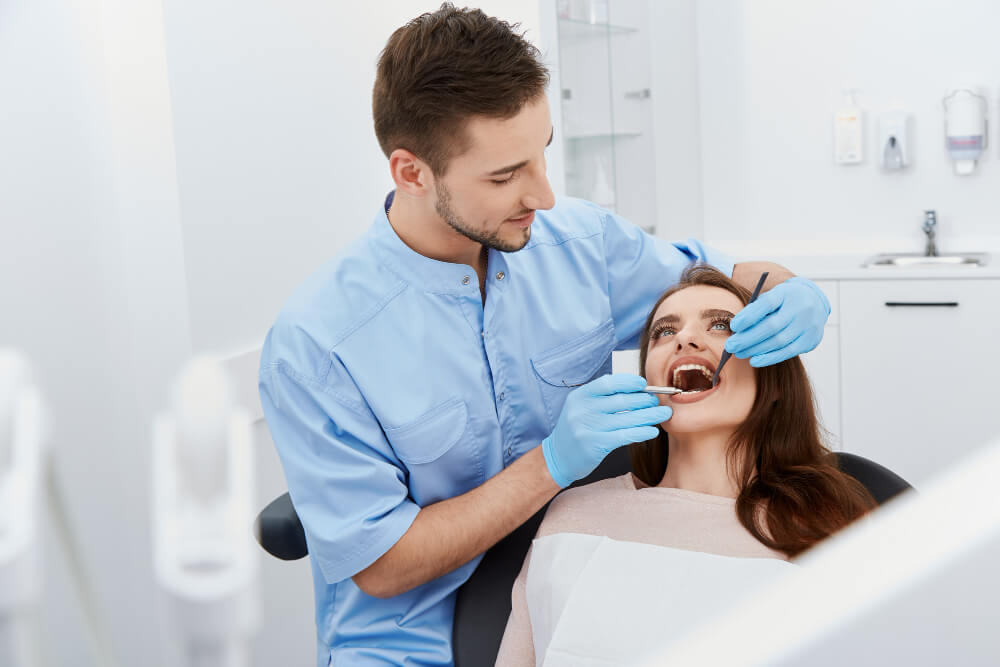
Good oral health is vital to your overall health. Most individuals overlook the need for regular dental care, assuming brushing and flossing daily is sufficient. Professional dental service, however, is instrumental in the prevention of oral disease, in detecting potential health hazards, and in providing long-term oral health. In case you reside in Burnside, investing in dental care in Burnside by visiting frequently and receiving treatment is one of the best choices to attain a healthy smile. A professional Burnside dentist can assist you in keeping oral problems away from you before it becomes expensive and daunting. With Walsh Dental, high-quality dentistry isn’t a series of fillings and cleanings. They employ a staff of trained professionals offering full-service care to be done your own way with your mouth the healthiest that it can be. We’re going to explain below why routine dentistry is something you should be doing, how it’s healthier for you and your entire health, and why getting the good dentist of Burnside needs to be at, or very close to, the top of things you need to do. The Relationship Between Oral and Overall Health Your mouth is the entry to your body. If your oral health is poor, it may cause a variety of systemic illnesses. Poor oral hygiene has been established as a cause of chronic diseases like heart disease, diabetes, and pneumonia. 1. Oral Health and Cardiovascular Disease Periodontitis or gum disease is associated with an increased risk of heart disease. Bacteria in the infected gums travel into the bloodstream and cause the formation of plaque and inflammation of the arteries. This predisposes a person to heart attack and stroke. 2. Diabetes and Oral Health Diabetes and periodontal disease go hand in hand. Uncontrolled diabetes may result in a higher concentration of sugar in saliva, which exposes patients to gum infection. Poorly controlled gum disease, however, makes it even harder for diabetic patients to manage blood glucose levels. 3. Respiratory Infections The mouth bacteria can move to the lungs and infect the lungs and create pneumonia and other infections in the lungs. People who have gum disease are more likely to get respiratory infections, and thus it is even more critical for them to visit the dentist regularly. 4. Pregnancy and Oral Health Pregnant women with gum disease are likely to experience complications such as premature birth and low birth weight. The risks can be reduced by regular dental visits and proper oral hygiene. The Importance of Regular Dental Exams Regular check-ups at the dentist are not only about having clean teeth; it is also about finding, preventing, and treating oral ailments. Below are some of the reasons why regular check-ups are necessary: 1. Detection of Dental Problems Early Early detection of issues like cavities, gum infections, and oral cancers is possible through regular check-ups. These issues can be prevented from developing into more complicated and expensive-to-fix problems. 2. Professional Cleaning and Tartar Removal Regardless of proper brushing and flossing, plaque and tartar will build up over time. Professional cleaning loosens these deposits, preventing gum disease and cavities. 3. Bad Breath Prevention Poor dental problems that are not taken care of may cause long-lasting bad breath. Regular dental tooth cleaning removes plaque and bacteria and leaves the teeth smelling fresher. 4. Healthier and Stronger Teeth Preventive oral hygiene in the form of dental sealants and fluoride treatment strengthens teeth and renders them cavity-resistant. 5. Customized Oral Care Counselling Every person has his or her own set of dental requirements. A dentist can suggest the ideal brushing method, oral hygiene products, and diet for impeccable oral hygiene. Some of the Common Dental Issues That Regular Check-Ups Can Prevent Failure to attend regular check-ups at the dentist may result in severe oral complications. Some of the most common conditions that are prevented by routine dental check-ups are: 1. Tooth Decay (Cavities) The cavities result from the degeneration of bacteria on the enamel, weakening the teeth. The cavities, if not treated, can develop into infections and necessitate elaborate procedures such as root canals. 2. Gum Disease (Periodontitis) Gum disease starts out as mild gingivitis but can become extreme periodontitis, leading to tooth loss. Regular dental exams avoid gum disease and keep your gums healthy. 3. Sensitive Teeth Sensitive teeth are caused by worn enamel, gum recession, or cavities. Dentists are able to fix this condition in order to eliminate sensitivity and reform enamel. 4. Oral Cancer Oral cancer may be life-threatening if it is not detected at the proper time. Oral cancer symptoms may be identified at the first stage by dentists with a higher probability of being cured. 5. Tooth Loss Untreated cavities and gum disease can lead to tooth loss if continued. Regular check-ups avoid the loss of natural teeth and the necessity for dentures or implants. How Frequently Should You Get a Dentist? For the best oral health, twice a year is ideal to see a Burnside dentist for a professional clean and check-up. But more often than not, this may be required in some patients, including those with: Your dentist can develop a personalized plan based on your specific needs for the best care. Taking Care of Oral Health Between Visits While professional dental visits are essential, home care for your mouth is a major part of maintaining healthy gums and teeth. Follow these habits between visits: 1. Brush and Floss Daily Brushing teeth with fluoride toothpaste twice a day and flossing daily loosens and removes plaque and food particles from teeth. 2. Antiseptic Mouthwash Mouthwash kills germs, eliminates plaque, and leaves your mouth smelling fresh. 3. Balanced Diet Restraining sweets and sodas avoids decay. Calcium-rich foods like milk, greens, and nuts make teeth strong. 4. Avoid Tobacco Chewing and smoking tobacco lead to gum disease, tooth loss, and mouth cancer. Stopping tobacco can work wonders on the body and mouth. 5. Drink Plenty of Water Intake of water removes food particles and bacteria, which clean the mouth. 6. Replace Toothbrush Often
How to Know It’s the Right Time to Visit a Dentist in Erindale

A member of overall well-being, yet far too often, we see the dentist after there is an issue. Oftentimes by fear, for because we have not got a minute to waste, or since my teeth are fine, folks neglect symptoms, and these are actually indicators to have the dentist come in. How do you know it is time to take the appointment, though? In this blog, we’ll explore key signs that indicate it’s the right time to visit a dentist in Erindale and why proactive dental care can help prevent more serious problems in the future. We’ll also highlight how Walsh Dental can provide quality dental services to ensure optimal oral health. 1. Persistent Tooth Pain or Sensitivity One of the most frequent signals that you are in need of a visit to the dentist is ongoing pain or sensitivity in the teeth. A bit here and there after something cold or warm, no issues; however, ongoing pain will never be alright. What It Could Mean: Ongoing pain in the teeth could mean cavities, infection of the gum, or perhaps an infection that needs to be addressed right away. Why you should not ignore it: Toothache can result in a very bad infection that could be more virulent and hence might need treatments like root canals or extraction. If you have frequent toothaches or searing pain on biting, then the time has arrived to visit a dentist in Erindale. 2. Bleeding or Swollen Gums Healthy gum won’t bleed while flossing or brushing. If blood comes out with your floss, toothbrush, or when you spit, it could mean that you have gingivitis or periodontal disease. What It Could Mean: Swelling, bleeding, or receding gums usually signal gum disease, which, if left untreated, could mean losing teeth. Why You Shouldn’t Ignore It: gum disease is contagious. The sooner you treat it, the less painful it will be to treat. More severe forms may involve deep cleanings, gum grafting, or surgery. A routine cleaning and exam by one of our professionals at Walsh Dental can stop the gum disease in its tracks. 3. Bad Breath or a Bitter Taste in Your Mouth Bad breath (halitosis) is more than a humiliating problem—it can be an indication of a more severe dental problem. If brushing, flossing, and mouthwash fail, something can be very wrong. What It Could Mean: Bad breath may be due to poor oral hygiene, cavities, gum disease, or even a mouth infection. Why You Need Not Ignore It: Chronic bad breath results from the accumulation of bacteria leading to tooth decay and gum disease. A visit from an Erindale dentist will diagnose the cause and offer professional assistance in having healthy and clean mouths. 4. Loose or Shifting Teeth Adult teeth should not be loose. If you do experience changes in how your teeth fit, gaps developing, or teeth moving, it could be a sign of something. What It Could Mean: Loose or moving teeth are caused by aggressive gum disease, bone loss, or even teeth grinding (bruxism). Why You Shouldn’t Turn a Blind Eye: If it goes untreated, problems like this one can become the reason a tooth is lost or for lots of dental treatment such as implants and braces. A consultation with Walsh Dental may be able to diagnose the cause and give you some idea about what to do in terms of treating it so that you don’t exacerbate the problem. 5. Jaw Pain or Chronic Headaches Chronic headaches, jaw pain, or clicking when you chew can be caused by dental issues such as grinding of the teeth or temporomandibular joint disorders. What It Might MeanTemporomandibular joint diseases are characterized by chewing difficulty; bruxism is a nighttime habit of grinding teeth that causes wearing away of tooth enamel and sensitivity of the teeth. Why you shouldn’t ignore it: If TMJ or bruxism is ignored, more pain, ground-down teeth, and even a loss of opening or closing ability of the mouth can result. A dentist can diagnose the issue and recommend solutions such as a custom nightguard or TMJ therapy. 6. White Spots or Sores in Your Mouth White patches, red spots, or sores in the mouth that fail to heal after two weeks must not be overlooked. They can be symptoms of infections, irritation, or something more serious. What It Might Signify: White spots are manifestations of oral cancer causes, and sores are manifestations of viral infection, ulcers, or bacteria. Why You Can’t Ignore It: Oral cancer is easiest to treat when diagnosed in its early stages, and you should get a sore or bump checked with a dentist right away if it doesn’t heal in two weeks. Timed appointments at Walsh Dental include screening for oral cancer to allow an early diagnosis and treatment. 7. It Has Been Over Six Months Since Your Last Visit to the Dentist Even in the absence of pain or signs, regular checkups by your dentist are paramount. Most oral problems do not present any sign until they have reached their last stages. What It Could Mean: You might have incipient cavities, incipient gum disease, or plaque that needs to be professionally removed. Why you shouldn’t ignore it: Preventative care is the best method of avoiding expensive and painful dental work down the road. It is advisable to visit a dentist for a check-up and cleaning every six months to maintain maximum oral health. 8. Tooth Discoloration or Stains If you find that your teeth are yellow, brown, or stained, it may be diet, smoking, or a poor oral hygiene issue. What It Could Mean: It could mean erosion of the enamel, deposits of plaque, or damage to the inner tooth. Why You Can’t Afford to Ignore It: Some of the stains are purely cosmetic, but some mean that you have rotten or weak enamel and need treatment by a dentist. Walsh Dental professional whitening will restore your smile and correct the root causes of staining. 9. Hurts To Eat or
How Frequently Do You Require a Routine Dental Cleaning?

Maintaining good oral health is not merely about having a beautiful smile but also about being healthy. Perhaps one of the best tools to keep gums and teeth healthy is visiting the dentist for a cleaning on a regular basis. However, how regular are you in visiting the dentist for a cleaning? This all depends on several factors, such as your current oral status, lifestyle, and medical history. In this last guide, we will be finding out the significance of regular dental cleanings, why frequency is determined, and why having a reliable dentist in Adelaide to ensure proper oral health is crucial. The Importance of Routine Dental cleanings Prophylaxis, or regular dental cleaning, is the elimination of tartar and plaque that build up on your teeth over time. Despite brushing and flossing daily, there are some areas in the mouth that are hard to clean properly, resulting in plaque buildup. Plaque, if not treated, hardens into tartar (calculus) that causes cavities, gum disease, and other oral diseases. Some of the major advantages of professional dental cleaning are given below: Cavity Prevention Plaque is a thin biofilm on teeth that is coated with bacteria. Plaque is an adhesive and if left untouched, leads to acid production that damages tooth enamel and forms cavities. Frequent cleaning by the dentist eliminates plaque before it starts causing harm. Prevention of Gum Disease Periodontitis and periodontal disease, or gingivitis, is a common result of poor oral hygiene. Gum infection begins with it and develops to a full-blown infection with loss of teeth unless treated. Harmful bacteria are eliminated by professional cleaning and prevent gum disease development. Early Detection of Dental Problems Routine dental check-ups enable your dentist to detect such issues as cavities, gum disease, oral cancer, and even bite misalignments before they become major issues. Early catches are more efficient and less uncomfortable. Fresh Breath Chronic bad breath (halitosis) is often caused by food particles and bacteria trapped between the teeth. Cleanings remove these villains, making your mouth fresh and clean-smelling. General Health Benefits Studies have found strong connections between general health, mouth health, and oral health. Studies have shown that dirty mouths and dental infection have been associated with heart disease, diabetes, and lung infection. Healthy gums and healthy teeth can offer better overall health. How Often Should You Have a Dental Cleaning? For years, the norm has been to get a cleaning done at the dentist every six months. However, this suggestion may not be ideal for all. The dental cleaning frequency needs to be modified based on oral health status, lifestyle, and risk factors. Following are some general guidelines provided below according to various oral health statuses: 1. For People with Good Oral Health If you have good gums and no more than what would build up an acceptable layer, cleaning at regular visits by your dentist every six months is sufficient. Keeping you healthy, twice-yearly visits with nothing extra in the interim will maintain good overall health without growing an unresolved matter. 2. For Persons Having Experienced Cavities Some people are prone to cavities due to their genes, diet, or bad oral hygiene. If you’ve been getting regular cavities, your dentist may recommend professional cleanings every three or four months to prevent decay and save your teeth. 3. For People with Gum Disease If you have gingivitis (early gum disease), your dentist can recommend more frequent cleanings in hopes of preventing the development of periodontitis. For patients with periodontitis, deep cleaning (root planing and scaling) often will need to be repeated every three or four months to remain in charge of healthy gums and bacterial infection. 4. For People with Braces or Dental Appliances Individuals who wear braces, retainers, or other dental appliances can find it difficult to keep their teeth clean. Food particles become lodged, causing plaque and cavities. A dental cleaning every three to four months is advisable here. 5. Smokers and Heavy Coffee/Tea Drinkers Smoking and frequent consumption of staining foods like coffee, tea, and red wine can lead to tooth discoloration and plaque. If you smoke or consume these frequently, get your teeth cleaned every three to four months to maintain your pearly whites. 6. For Those with Specific Medical Conditions Medical conditions like diabetes, heart disease, and compromised immune systems render patients susceptible to oral complications. These patients require a visit to the dentist for professional cleaning every three or four months to avert infection and complications. What Happens During a Routine Dental Cleaning? A routine dental cleaning by a professional usually includes the following: 1. Oral Examination Following a preliminary survey of your mouth prior to cleansing, your dentist or dental hygienist will then search for indications of gum disease, cavities, or any other issues within your teeth. 2. Removal of Plaque and Tartar Your hygienist will also use special dental tools to scrape plaque and tartar off the surface of your teeth and along your gum line. Tartar is hardened plaque that cannot be removed by brushing, so this is the most important part of good oral health. 3. Polishing and Deep Cleaning Following tartar removal, the hygienist will buff your teeth using a high-speed electric brush and abrasive toothpaste. This smoothes out surface stains, and it becomes more difficult for plaque to stick. 4. Rinsing and Flossing Flossing loosens any remaining plaque or food fragments between teeth. The hygienist will rinse your mouth to dislodge debris. 5. Fluoride Treatment (Optional) Some dental offices offer fluoride treatments after cleanings. Fluoride strengthens tooth enamel and helps prevent cavities. Choosing the Right Dentist in Adelaide If you’re looking for high-quality dental care in Adelaide, choosing the right dentist is essential. A good dentist will provide personalized care, use advanced dental technology, and create a comfortable environment for patients. Why Choose Walsh Dental? Walsh Dental is a reputable dental care in Adelaide that provides quality treatment to patients of all ages. Their skilled practitioners are experts in preventive care and patient education to ensure you
How to Maintain Oral Hygiene with Braces

Braces are crucial in correcting crooked teeth and bite issues but raise special issues in the matter of oral hygiene. Food debris and plaque have a tendency to get easily caught up in wires and brackets, and these can cause cavities, gum disease, and bad breath if not kept clean. Regardless of whether you are a new wearer of braces or a seasoned one, learning good techniques and practices of tooth brushing is essential to achieving a healthy smile throughout the duration of orthodontic treatment. It is where we are going to discuss oral hygiene best practices with braces. You can contact a specialist from a good dentist if you prefer advice from a professional. Dr. Thadsha from Walsh Dental, who is among the best dentists in Burnside, will provide professional service and advice in order to enable you to be in your best health. Why Oral Hygiene Is More Important with Braces Brackets give more surface area to the food particles and plaque to attach to, and due to this, correct cleaning needs to be done frequently. When poor oral hygiene is present while receiving orthodontic treatment, then many complications will arise, including: To prevent these complications, there has to be a careful oral hygiene regime during your time on braces. Daily Oral Hygiene Routine for Braces 1. Brushing Your Teeth the Right Way Brushing is the foundation of good oral hygiene, but with braces, you must be more cautious. This is how you brush properly with braces: Use Correct Technique: 2. Flossing with Braces: A Step That Must Be Done It is hard to floss with braces, but it must be done to get a clearout of food and plaque between teeth. Use these flossing tools and techniques to make it simpler: Floss at least once a day so no food particles can get trapped between your teeth. 3. Mouth Rinsing An antibacterial fluoride mouthwash will: Rinse with mouthwash one time per day, preferably following brushing and flossing, to keep breath and mouth fresh. 4. With Interdental Brushes Interdental brushes are special, small brushes used to brush between wires and brackets. Interdental brushes can: Carefully brush around your braces daily with an interdental brush so that everything is nice and clean. Healthy Oral Hygiene Diet Habits While Wearing Braces Your diet has a lot to do with having healthy teeth when undergoing orthodontic treatment. There are foods that destroy braces, while there are others that enhance healthy oral hygiene. Foods to Avoid Certain foods have a propensity to break brackets, bend wires, or get stuck in braces and are difficult to clean. Avoid the following: Braces-Friendly Foods Enjoy soft, easy-to-chew foods that will not hurt your braces: With healthy food, you can have a clean mouth and avoid bracing damage. Regular Dental Checkups and Cleanings Regardless of the proper care of oral health at home, professional care is unavoidable. Regular check-ups by a dentist in Burnside keep your teeth in tip-top shape when under orthodontic treatment. Why Regular Checkups Are Needed We at Walsh Dental recommend visiting the dentist every six months (or as suggested by your orthodontist) in order to maintain your teeth in the best possible condition. Maintaining Oral Hygiene Issues Associated with Braces 1. Coping with Sore Teeth and Gums There is temporary soreness brought on by braces, especially after getting adjusted. In order to minimize the soreness: 2. Avoiding Bad Breath Food with braces can stick and lead to bad breath. To remain fresh: 3. Brace Emergency Care Conclusion It is discipline that is required in order to maintain consistency with mouth care when wearing braces, but with good technique, your teeth and gums may be kept on track. You need brushing, flossing, mouthwash, and a restriction of foods in order not to develop cavities and gum disease. For expert and professional care, visit Walsh Dental, where skilled dentist Dr. Thadsha, a well-known Burnside dentist, will help you keep and enjoy a healthy smile. If you have issues with your braces or would like to book an appointment for a checkup, book one at Walsh Dental today!
How to Take Care of Your Dental Implants in Adelaide for Long-Term Success
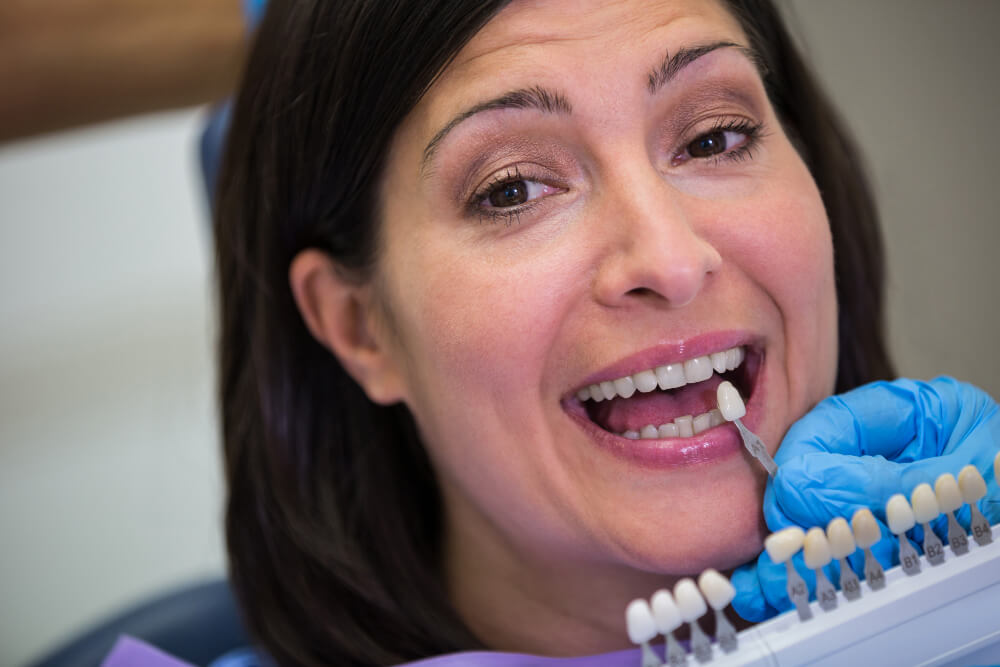
Dental implants are one of the most advanced and perhaps among the best solutions available to date for filling in missing teeth in one’s mouth. Thus, if someone has undergone dental implant procedures recently or plans to do so, here are some aspects that are quite important to be maintained to make these implants healthy and thus successful for long periods. The proper care of dental implants will ensure that they work like natural teeth and will give you the confidence to smile, eat, and speak without worry. Proper care is what matters to you with the continuous advancement of dental technology. At Walsh Dental, we believe that the success of Dental implants Adelaide depends on how well you look after them every single day. In this blog, we will share simple and important tips to help you keep your dental implants in the best condition. You will learn about cleaning habits, lifestyle choices, and small daily actions that can prevent problems and keep your implants strong for a long time. Everything you need to know about caring for your dental implants is right here. Dental Implants: A Short Overview The main thing that needs to be understood before the detailed aspects of the care of an implant are understood is what it is and how it works. In simple terms, a dental implant is a titanium post surgically placed in your jawbone, which serves to replace the root of a missing tooth. Once it has filled the space of the bone, over this implantation, a crown or a bridge can then be placed. The function and appearance of your tooth are restored. Dental implants have a survival advantage in the long term. Nevertheless, without a doubt, complications would arise in the treatment. In the case of natural teeth, oral health has to be observed in proper maintenance for optimum performance. Oral Hygiene One of the most important aspects of your dental implants is keeping them clean and free of bacteria. Just as with your teeth, the surface of the implant and gums can become coated with plaque. If it isn’t cleaned, it can continue to move further into the infection called peri-implantitis, which is gum disease of the tissue around the implant. Prevention of these conditions begins with brushing and flossing. Here’s how: Regular Dental Checkups Even though the implant itself is made to last, regular visits to your dentist in Adelaide for check-ups ensure that they are maintained in the best possible condition. Your Adelaide dentist will look for signs of failure and ensure there is no accumulation of plaque around your implants. You should see your dentist every six months for a check-up and cleaning but if you are feeling uncomfortable, swollen, or some other abnormality around the implant, you should see your dentist sooner. Problems can be noticed the sooner it is detected hence, problems that later on prove to be severe should not come up. Professional Cleanings Significance Besides brushing and flossing at home, professional cleanings are part of the maintenance process for implants. A dentist or hygienist can use special equipment to remove plaque and tartar buildup that cannot be reached through at-home care. They can also check on the health of your gums and jawbone, which are very important to the stability of the implants. Professional cleanings play a great role in the long-term health of your dental implants. Our experienced dental team employs the latest techniques to preserve the condition of your implants. Keep Your Implants from Damage Dental implants are strong but not indestructible. Keep them at their best by taking care of them from damage. Here are some tips to help you do so. Lifestyle Factors for Implant Health The general health and lifestyle choices determine the success of your dental implants. A healthy lifestyle will improve your general well-being and the health of your implants. We’re there at Walsh Dental to keep your implants in top shape. Feel free to ring for an appointment to have us work with you on your concerns or give advice on what to do. Walsh Dental is known for the best implant services in Adelaide. We pride ourselves on providing customized care tailored to your needs. Our team will be there to assist you through all stages—from the first consultation to long-term maintenance.Proper maintenance of your dental implants means they are well-kept in health and maintained for long life. This happens by having the best oral hygiene habits, periodic check-ups with the dentist, taking great care not to damage your implants, and generally keeping yourself fit. Conclusion If you happen to be staying in Adelaide, you can simply visit Walsh Dental if you want to find answers to several questions about your dental implants’ care or maybe you want a consultation. We will be more than happy to take care of the implant needs at our best discretion. Schedule an appointment today to learn more about how we will help you look after the healthy and functional states of your dental implants. If you’re looking for expert guidance and personalized care for your dental implants, reach out to Walsh Dental. We’re here to ensure your dental implants stay healthy and successful for years to come. Contact us today to schedule your consultation!
How a Dentist in Burnside Can Help Improve Your Smile with Clear Aligners
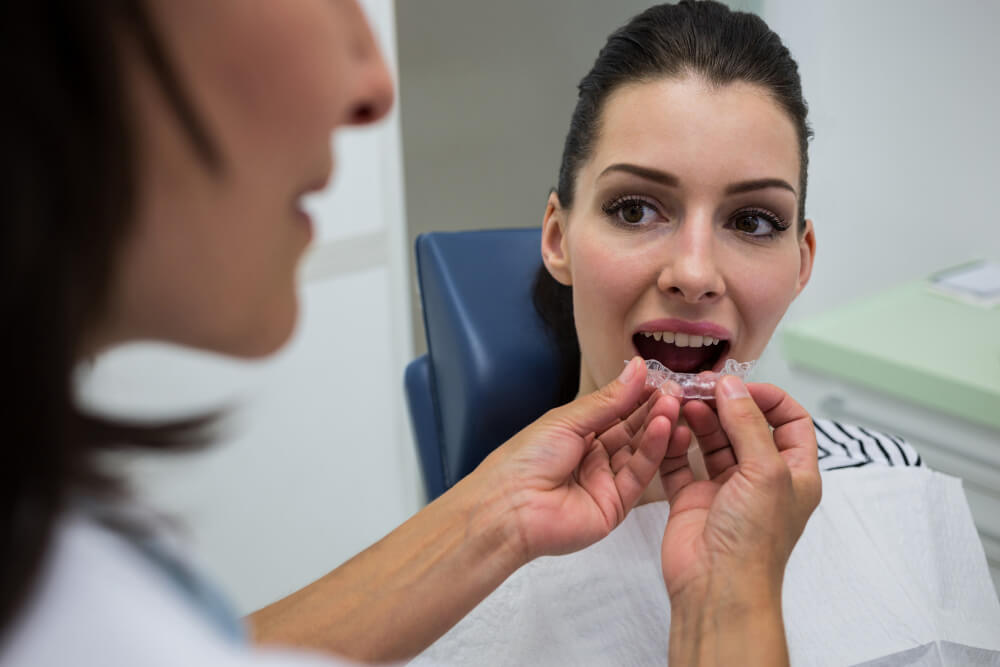
A bright, confident smile has long been regarded as one of the best reflections of a person’s personality. For some, such a smile would mean more than just brushing and flossing. For others, it would mean having a crooked teeth problem, a misaligned problem, or gap problems. For years, the age-old solution was orthodontic braces, although today many clear aligners offer another promising alternative. Clear aligners are painless, nearly invisible, and hassle-free and give one that great smile, but it cannot be said so for orthodontic metal braces on the teeth. A dentist in Burnside will guide you through the process of clear aligners so that you can get the best results for your unique dental needs if you are looking to smile brighter. Do not get me wrong; it does not matter if you are dealing with an alignment issue or if you just want to have a straighter smile; clear aligners can make it happen while fitting into your lifestyle. Clear Aligners? Clear aligners are a set of customized, transparent plastic trays that slowly move your teeth into place. The clear aligners are nearly invisible, offering a discrete means of getting your teeth into their proper place without the mass and visibility associated with traditional braces. The smooth, comfortable plastic used to create clear aligners fits snugly over your teeth and pushes them into place. Usually, aligners are made of clear plastic. They work as a series; every new set is a little different from the previous one. This way, the series lets your teeth shift into the roper position as you go on. Generally, each set of aligners should be worn for 20 to 22 hours a day. That is when you would want to take them off for eating, drinking, brushing, and flossing your teeth. This removable feature makes clear aligners much more attractive compared to the conventional fixed braces that have to be mounted on the teeth and, therefore, take much more work. Benefits of Clear Aligners There are several benefits that clear aligners have above traditional fixed braces. These advantages make it very appealing to most people looking for a transformation in their smiles: How a Dentist in Burnside Can Help You with Clear Aligners A lot may see an easy solution for the aligner to align your teeth; however, every patient requires individual personalization to be made uniquely suited for dental health. The ideal dentist in Burnside will provide the appropriate amount of support as one goes through this process towards getting the best outcome. Here’s how a dentist can help: The first step to clear aligner treatment is a consultation with a professional dentist. During that visit, your dentist will assess your teeth and gums to decide whether clear aligners are the best treatment for you. They will have conversations about your dental goals and also help take measurements, X-rays, and digital impressions as part of the process of developing a personalized treatment plan that suits your needs. Every patient has a unique smile, so a dentist will tailor the treatment to make sure that your clear aligners will fit correctly and also move your teeth efficiently. A treatment plan will be created, following which your dentist will team up with a lab for making your custom clear aligners. Using the latest technology and materials, your company’s aligners fit snugly over your teeth while providing just the right amount of pressure to gradually move them into proper alignment. They produce aligners based on your structure to get it aligned with specific movements that your teeth require. Thus, they possess a high efficacy level and precision rate. Throughout your treatment, you’ll have regular checkups with your dentist to monitor your progress. These visits are important to ensure that your teeth are moving as planned. Since clear aligners are removable, you’ll be able to switch to the next set of aligners every few weeks, but your dentist will need to verify that the aligners are working effectively. When there are some necessary adjustments, your dentist will alter your treatment plan and provide you with new aligners to guide you to that perfect smile. Once your teeth reach perfection in alignment, you will be fitted with a retainer to make sure your new smile lasts. The retainer ensures that your teeth do not revert to their old position; your dentist will advise you on how often to wear your retainer and when you should decrease the usage. While you’ll no longer need to wear your aligners, the retainer is a crucial part of the process to ensure the long-term success of your treatment. Conditions Clear Aligners Can Treat Clear aligners are highly effective for addressing a variety of dental issues. Some of the most common conditions that clear aligners can help with include: Is Clear Aligner Treatment Right for You? Although clear aligners are pretty effective in the treatment of most dental issues, not everyone qualifies for this process. It’s the complexity of your case, the alignment of your teeth, and your own dental goals that will determine the suitability of clear aligner therapy for you. Traditional braces often become a must for highly complicated dental cases. Only an experienced dentist in Burnside will know whether you need the clear aligners or not. The professional will review your case and make a suitable decision to make sure that the course of treatment is aptly decided for you. Contact Walsh Dental today to schedule your appointment If you want to change your smile with clear aligners, then call Walsh Dental today for a consultation. Our experienced team is here to guide you through the process toward a straighter, more confident smile with clear aligners. Let a dentist in Burnside guide you in achieving the results you have always dreamed of. Schedule your consultation today and get on your way to a beautiful new smile. Clear aligners are the invisible, efficient approach to aligning your teeth without being clumsy-looking like regular metal braces. It is a