
Does Teeth Whitening Damage Enamel? Myths vs. Fact
Does Teeth Whitening Damage Enamel? Myths vs. Fact A brighter smile can improve confidence, but many people have one important question before choosing whitening: does teeth whitening damage enamel? If you are considering teeth whitening in Adelaide, it is natural to wonder whether whitening products can weaken the protective surface of your teeth. The good news is that professionally supervised teeth whitening is generally considered safe for healthy teeth when used correctly. However, the way whitening products are used matters. Overusing products, leaving whitening gel on for too long, or trying harsh DIY methods may increase the risk of sensitivity and irritation. At Walsh Dental, patients can discuss their smile goals and learn which cosmetic dental options may be suitable for their individual needs. Understanding the facts behind teeth whitening can help you make a confident and informed decision. Does Teeth Whitening Damage Enamel? Enamel is the hard outer layer that protects your teeth. It helps shield the more sensitive inner parts of your teeth from everyday pressure, temperature changes, acids, and bacteria. Because enamel does not naturally grow back after permanent loss, protecting it is an important part of maintaining good oral health. Whitening does not simply scrape or peel away a layer of enamel. Most professional whitening treatments use peroxide-based ingredients that work by breaking down stain molecules within the tooth. As these compounds are broken down, the teeth can appear lighter. However, not every whitening method is equally suitable. The strength of the product, treatment time, frequency of use, and condition of your teeth can all affect your experience. This is why whitening should be approached as a dental treatment rather than something to repeat excessively in pursuit of an extremely white smile. Understanding How Teeth Whitening Works Teeth naturally change colour over time. Coffee, tea, red wine, smoking, certain foods, ageing, and some medications can contribute to tooth discolouration. Whitening products are designed to reduce certain types of stains. Peroxide-based whitening agents can penetrate the tooth and help break down compounds responsible for darker colouring. This makes the teeth look lighter without physically removing the enamel. There is also a difference between surface stains and deeper discolouration. Surface stains may sometimes be improved with professional cleaning or stain removal. Deeper stains may respond better to a suitable whitening treatment. It is also important to remember that whitening only changes the colour of natural teeth. Crowns, veneers, bridges, and some fillings do not whiten in the same way. If you have visible dental restorations, your dentist can explain what results you can expect. Can Teeth Whitening Harm Your Enamel? For people with healthy teeth, appropriately used whitening treatments are not generally expected to cause significant permanent enamel damage. However, some temporary side effects can occur. The most common is tooth sensitivity. You may notice a short, sharp sensation when consuming cold or hot foods and drinks after whitening. Some people may also experience temporary gum irritation if whitening material comes into contact with the gums. These temporary effects should not automatically be confused with permanent enamel damage. The risk of problems can increase if whitening products are used incorrectly. Applying a product more frequently than recommended, using unsuitable products, or leaving whitening gel on longer than instructed may increase sensitivity and irritation. If you have cavities, cracked teeth, worn enamel, gum problems, or existing sensitivity, it is important to address these concerns before whitening. Common Teeth Whitening Myths vs. Facts There is a lot of information about whitening online, but some popular claims can be misleading. Here are a few common myths and the facts behind them. Myth 1: Teeth whitening removes enamel Fact: Whitening treatments are designed to break down stain molecules rather than physically remove enamel. Properly used whitening products do not work like abrasive substances that scrub away the tooth surface. Myth 2: Every whitening treatment damages teeth Fact: Whitening treatments vary considerably. A suitable treatment used according to professional recommendations can be safe for many people. Problems are more likely when products are misused or applied to teeth that already have untreated issues. Myth 3: Whitening for longer gives better results Fact: Leaving whitening products on for longer than recommended does not necessarily produce better results. It may instead increase the chance of sensitivity or gum irritation. Always follow the recommended treatment time. Myth 4: Sensitivity means enamel has been destroyed Fact: Temporary sensitivity can happen after whitening because the treatment may temporarily affect the movement of substances through the tooth. Sensitivity does not automatically mean your enamel has suffered permanent damage. Persistent discomfort should, however, be assessed by a dentist. Myth 5: Natural whitening methods are always safer Fact: Natural does not always mean safe for your teeth. Acidic ingredients and abrasive substances commonly recommended online can potentially irritate the gums or contribute to enamel wear when used incorrectly or too frequently. What Can Cause Enamel Damage During Whitening? Whitening itself is not usually the main concern when a suitable treatment is used correctly. Problems can arise from improper use or unsuitable products. Factors that may increase the risk of irritation or sensitivity include: Whitening too frequently Leaving whitening products on longer than directed Using products with unsuitable concentrations Applying whitening products to damaged teeth Ignoring cavities or gum problems Using abrasive DIY whitening methods Using unregulated or unsuitable products Failing to follow treatment instructions Whitening should also not be used to hide an unexplained change in tooth colour. If one tooth suddenly becomes darker, it may indicate an underlying dental problem that requires professional assessment. Professional vs. At-Home Teeth Whitening There are many at-home teeth whitening options available, including whitening toothpaste, strips, gels, pens, and trays. However, their ingredients, strength, application methods, and results can vary. While these products may be convenient, using them incorrectly or too often can lead to tooth sensitivity or gum irritation. Professional teeth whitening offers the advantage of having your teeth and gums checked by a dentist before treatment. Your dentist can identify issues such
Difference Between Veneers, Crowns & Whitening
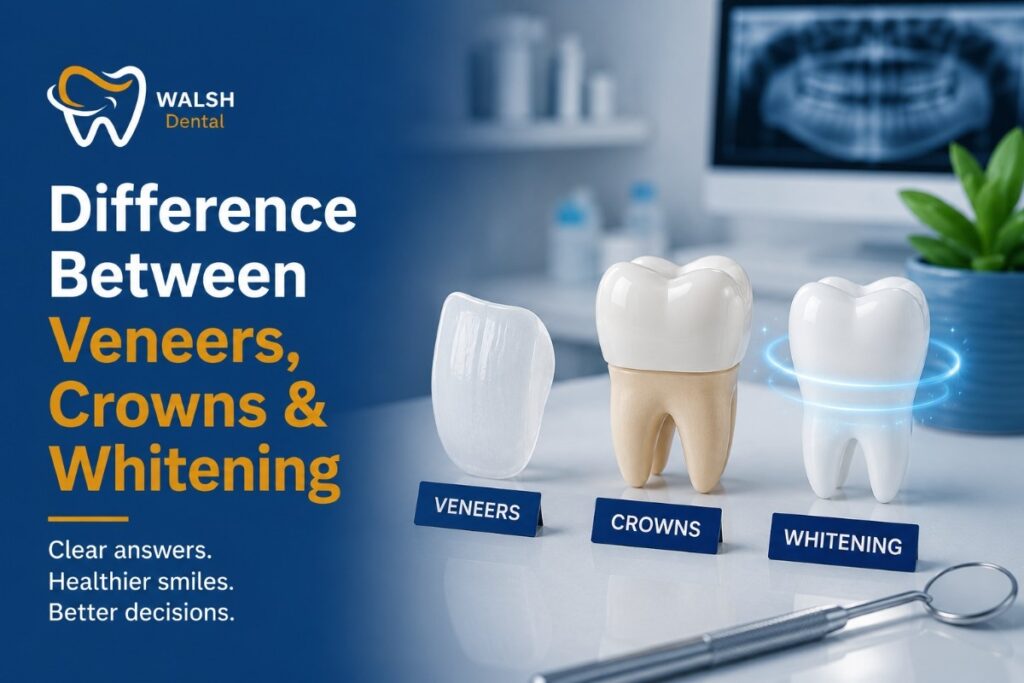
A healthy and confident smile can completely change the way you feel about yourself. Today, modern cosmetic and restorative dentistry offers many solutions to improve your teeth, whether you want a brighter smile, stronger teeth, or a complete smile makeover. At Walsh Dental, patients often ask one common question, what is the difference between veneers, crowns, and teeth whitening? While all three treatments improve your smile, they work in very different ways. Understanding their purpose, benefits, and ideal use can help you choose the right option for your dental needs. If you are considering a professional dental treatment in Adelaide, this guide will help you understand which solution may be best for your smile goals. Why Do People Choose Cosmetic Dental Treatments? Your smile is one of the first things people notice. Stained, chipped, uneven, or damaged teeth can affect confidence and even oral health. Cosmetic dentistry is not only about appearance, many treatments also improve strength, function, and long-term dental health. At Walsh Dental, every treatment is designed according to the patient’s unique smile, lifestyle, and oral condition. Whether you want a quick whitening session or a full smile makeover, understanding your options is the first step. What Is Teeth Whitening? Teeth whitening is one of the fastest and most popular cosmetic dental treatments available today. It focuses on removing stains and discoloration from natural teeth. Professional whitening treatments are much more effective and safer than store-bought products because they are performed under dental supervision using stronger whitening agents. Who Can Benefit Most from Teeth Whitening? Teeth whitening is ideal for people who have: How Does Professional Whitening Work? At Walsh Dental, Zoom Teeth Whitening uses advanced whitening technology to brighten your smile safely and effectively. The procedure usually takes about one appointment and can noticeably improve the shade of your teeth. Benefits of Teeth Whitening Limitations of Whitening Whitening only works on natural teeth. It does not change the color of crowns, veneers, or fillings. It is also not suitable for teeth with severe damage or deep internal discoloration. What Are Porcelain Veneers? Porcelain veneers are thin custom-made shells that are placed over the front surface of teeth to improve their appearance. They are commonly used in smile makeover treatments because they can completely transform the shape, size, and color of teeth. What Problems Can Veneers Fix? Veneers are often recommended for: How Are Veneers Applied? A small amount of enamel is gently removed from the tooth surface so the veneer can fit naturally. Custom porcelain veneers are then bonded securely to the teeth. At Walsh Dental, veneers are carefully designed to match facial features and create a natural-looking smile. Benefits of Veneers Are Veneers Permanent? Yes, veneers are considered a permanent cosmetic treatment because a small amount of enamel is removed during preparation. What Are Dental Crowns? Dental crowns are tooth-shaped caps that fully cover damaged or weakened teeth. Unlike veneers, which only cover the front surface, crowns protect the entire tooth. Crowns are commonly used in restorative dentistry to improve both strength and appearance. When Are Crowns Needed? Crowns may be recommended for: Types of Dental Crowns Modern crowns are available in several materials, including: Ceramic and porcelain crowns are popular because they blend naturally with surrounding teeth. Benefits of Crowns Veneers vs Crowns: What Is the Main Difference? Many patients confuse veneers and crowns because both improve the appearance of teeth. However, their purpose and coverage are very different. Veneers Crowns If your tooth is healthy but has cosmetic flaws, veneers may be suitable. If your tooth is damaged or weakened, a crown is often the better option. Whitening vs Veneers: Which One Should You Choose? This depends on your dental condition and smile goals. Teeth Whitening Is Better If: Veneers Are Better If: At Walsh Dental, the dental team evaluates your teeth carefully before recommending the right treatment. Can You Combine These Treatments? Yes, many patients combine cosmetic treatments for a complete smile makeover. For example: Modern dentistry allows customized treatment plans depending on your needs and budget. Which Treatment Lasts the Longest? The lifespan of dental treatments depends on oral hygiene, lifestyle habits, and regular dental care. Average Lifespan Regular dental check-ups and proper brushing habits help maintain long-lasting results. Is Cosmetic Dentistry Safe? Yes, cosmetic dental procedures are generally safe when performed by qualified professionals. Choosing an experienced Dentist in Adelaide is important to ensure proper diagnosis, safe treatment, and natural-looking results. At Walsh Dental, patient comfort, advanced technology, and personalized care are always a priority. How to Maintain Your Results After Treatment? Regardless of which treatment you choose, proper aftercare is essential. Helpful Dental Care Tips These habits can help maintain both oral health and cosmetic results. Which Dental Treatment Is Right for You? There is no one-size-fits-all solution in cosmetic dentistry. The best option depends on your dental condition, goals, and budget. If you only want a brighter smile, professional whitening may be enough. If you want to improve the shape and appearance of your teeth, veneers may work better. If your teeth are damaged or weak, crowns may provide the protection you need. At Walsh Dental, every patient receives a personalized treatment plan designed for long-term oral health and smile confidence. Whether you are considering veneers, crowns, or whitening, the team is committed to helping you achieve natural and comfortable results. If you are looking for trusted dental treatment in Adelaide, professional guidance can help you choose the most suitable option for your smile. Book your appointment now! FAQs 1. Are veneers better than teeth whitening? Veneers are better for people with chipped, uneven, or heavily stained teeth. Whitening is ideal for improving the brightness of healthy natural teeth. 2. How long does Zoom Teeth Whitening last? Results can last from several months to a few years depending on diet, oral hygiene, and lifestyle habits like smoking or coffee consumption. 3. Do crowns look natural? Yes, modern ceramic and porcelain crowns are designed to match the shape and
Bad Breath Problems? Common Causes and Effective Solutions
Bad breath can affect anyone, regardless of age. It may seem like a small issue, but it can impact confidence, social interactions, and even daily communication. Many people try chewing gum or using mouth fresheners to hide the smell, but these temporary fixes do not solve the actual problem. Understanding the root cause of bad breath is the first step toward maintaining better oral health and long-lasting freshness. At Walsh Dental, patients often seek professional help for ongoing bad breath concerns that do not improve with regular brushing. In many cases, bad breath is linked to oral hygiene habits, gum disease, or other dental problems that require expert attention. With proper treatment and guidance, most causes of bad breath can be managed effectively. If you are looking for reliable Dental care in Adelaide, knowing the causes and solutions for bad breath can help you protect your smile and overall oral health. What Is Bad Breath? Bad breath, also known as halitosis, is a condition where unpleasant odors come from the mouth. It can happen occasionally after eating certain foods, but persistent bad breath may indicate an underlying dental or health issue. Everyone experiences morning breath from time to time because saliva production decreases while sleeping. However, when bad breath continues throughout the day even after brushing, it should not be ignored. The good news is that most cases of bad breath can be treated with proper dental care, lifestyle changes, and professional cleaning. Why Does Bad Breath Happen? Bad breath develops when bacteria build up inside the mouth. These bacteria release sulfur compounds that create unpleasant odors. Poor oral hygiene is one of the leading causes, but several other factors may also contribute. Poor Oral Hygiene When food particles remain trapped between teeth and gums, bacteria start breaking them down. This creates plaque and causes bad odors. If brushing and flossing are not done regularly, the problem becomes worse over time. Skipping tongue cleaning can also lead to bad breath because bacteria often collect on the tongue’s surface. Can Gum Disease Cause Bad Breath? Yes, gum disease is one of the most common causes of chronic bad breath. In the early stage, known as gingivitis, gums may become swollen, red, or bleed while brushing. If untreated, it can progress into periodontal disease. Bacteria trapped below the gum line produce strong odors that cannot be removed with mouthwash alone. Professional cleaning and gum treatment are usually needed to manage the condition. At Walsh Dental, advanced dental treatments help identify and treat gum-related issues before they become severe. Foods That Trigger Bad Breath Certain foods naturally create strong odors after digestion. Garlic, onions, spicy foods, and some seafood varieties are common examples. These foods release compounds that enter the bloodstream and eventually reach the lungs, affecting breath. Sugary foods and drinks can also contribute to bacterial growth inside the mouth, increasing the risk of bad breath and tooth decay. Drinking enough water and maintaining good oral hygiene after meals can help reduce these effects. Does Dry Mouth Lead to Bad Breath? Saliva plays an important role in cleaning the mouth naturally. It helps wash away bacteria and food particles. When saliva production decreases, bacteria multiply quickly and create unpleasant odors. Dry mouth can happen due to: People with dry mouth often notice a sticky feeling in the mouth along with persistent bad breath. Smoking and Tobacco Use Smoking not only stains teeth but also contributes significantly to bad breath. Tobacco products dry out the mouth and encourage bacterial growth. Smokers are also more likely to develop gum disease, which further worsens breath odor. Quitting smoking can improve both oral health and overall health. Professional cleaning and stain removal treatments can also help restore freshness and confidence. Can Tooth Decay Cause Bad Breath? Cavities and decayed teeth can trap bacteria and food debris, creating foul smells. Infections inside the tooth or untreated root canal issues may also produce unpleasant odors. Ignoring dental decay can lead to pain, swelling, and more serious oral health complications. Regular dental checkups help detect these issues early before they become severe. An experienced Adelaide dental clinic can provide treatments like fillings, crowns, root canal therapy, and preventive care to maintain healthy teeth and fresh breath. How Does Tongue Cleaning Help? Many people focus only on brushing their teeth and forget the tongue. However, the tongue surface can collect bacteria, dead cells, and food particles that contribute to bad breath. Using a tongue scraper or gently brushing the tongue daily can make a noticeable difference in breath freshness. This simple habit is often overlooked but can significantly improve oral hygiene. Medical Conditions Linked to Bad Breath Sometimes, bad breath may not come directly from the mouth. Certain health conditions can also cause unusual breath odors, including: If bad breath continues despite proper oral hygiene, it is important to consult both a dentist and a medical professional. Effective Solutions for Bad Breath Treating bad breath depends on identifying the underlying cause. Temporary solutions may hide odors for a short time, but long-term improvement requires proper care and treatment. Brush and Floss Regularly : Brushing twice daily and flossing once a day removes food particles and plaque buildup. Using fluoride toothpaste helps maintain healthier teeth and gums. Electric toothbrushes may also improve plaque removal for some individuals. Why Are Professional Dental Cleanings Important? Even with good brushing habits, plaque and tartar can still accumulate in hard-to-reach areas. Professional dental cleaning removes these deposits and helps reduce bacteria responsible for bad breath. Routine checkups also allow dentists to identify early signs of gum disease, cavities, or infections. Walsh Dental offers preventive dental care designed to support healthier smiles and fresher breath for patients of all ages. Maintaining healthy habits also improves overall well-being. How Often Should You Visit a Dentist? Regular dental visits are essential for preventing bad breath and maintaining oral health. Most people benefit from professional checkups every six months, although some may require more frequent visits depending on their
10 Reasons You Should Extract Wisdom Teeth
Wisdom teeth are often seen as a natural part of growing up, but for many people, they can become a source of discomfort and serious dental issues. While not everyone needs their wisdom teeth removed, a large number of individuals benefit from extraction to prevent future complications. At Walsh Dental, patients are guided through safe and comfortable procedures to ensure long-term oral health. If you’ve been advised to consider wisdom tooth extraction or are experiencing discomfort, understanding the reasons behind it can help you make an informed decision. What Are Wisdom Teeth and Why Do They Cause Problems? Wisdom teeth, also known as third molars, are the last set of teeth to emerge, usually between the ages of 17 and 25. While they were useful for our ancestors who needed extra chewing power, modern diets and smaller jaw sizes often leave little room for them to grow properly. This lack of space is where problems begin. Impacted or misaligned wisdom teeth can lead to pain, infection, and damage to surrounding teeth. Seeking timely Dental Treatment in Burnside can help prevent these issues from escalating. 1. Prevent Overcrowding of Teeth One of the most common reasons for wisdom tooth extraction is overcrowding. When there isn’t enough space in the jaw, wisdom teeth push against existing teeth, causing misalignment. This is especially concerning for patients who have undergone orthodontic treatments. Removing wisdom teeth helps preserve the alignment of your smile and avoids the need for further corrections. 2. Reduce Risk of Infection Wisdom teeth often grow partially through the gums, creating pockets where bacteria can accumulate. These hard-to-clean areas can lead to infections, gum disease, and swelling. Early extraction helps eliminate these risks and maintains better oral hygiene. At Walsh Dental, advanced techniques are used to ensure safe removal with minimal discomfort. 3. Avoid Impacted Teeth Complications An impacted wisdom tooth is one that fails to fully emerge from the gum. It may grow sideways, remain trapped, or push into adjacent teeth. Impacted teeth can cause: Addressing impacted teeth early through proper Dental Treatment in Adelaide can prevent long-term complications. 4. Protect Surrounding Teeth Wisdom teeth can exert pressure on neighboring molars, leading to damage or decay. In some cases, they can even cause root resorption, where the roots of adjacent teeth begin to dissolve. Extraction prevents this chain reaction and protects the health of your entire mouth. 5. Prevent Cysts and Tumors Although rare, impacted wisdom teeth can lead to the formation of cysts, fluid-filled sacs that develop around the tooth. If untreated, these cysts can damage bone, nerves, and nearby teeth. Removing wisdom teeth early significantly reduces the risk of such complications and ensures better oral health outcomes. 6. Improve Oral Hygiene Cleaning wisdom teeth can be extremely difficult due to their position at the back of the mouth. Even with regular brushing and flossing, plaque and food particles can build up. This increases the risk of: Extraction makes oral hygiene easier and more effective, contributing to overall dental health. 7. Relieve Chronic Pain and Discomfort Many people experience ongoing pain due to wisdom teeth. This discomfort can range from mild irritation to severe throbbing pain that affects daily activities. Removing problematic wisdom teeth provides long-term relief and improves quality of life. Patients at Walsh Dental often report significant comfort after the procedure. 8. Prevent Gum Disease Partially erupted wisdom teeth create a breeding ground for bacteria, leading to gum infections such as pericoronitis. This condition can cause redness, swelling, and difficulty opening the mouth. Timely removal helps prevent gum disease and supports healthier gums. 9. Support Better Orthodontic Results If you’ve had braces or aligners, wisdom teeth can undo the results by shifting your teeth out of alignment. This can lead to additional orthodontic treatments. Dentists often recommend removing wisdom teeth to maintain the results of previous dental work. Choosing professional Dental Treatment in Burnside ensures your smile stays straight and healthy. 10. Prevent Future Dental Emergencies Ignoring problematic wisdom teeth can lead to sudden dental emergencies, including severe infections, abscesses, and intense pain. Proactive extraction reduces the likelihood of emergency visits and ensures peace of mind. When Should You Consider Wisdom Tooth Extraction? Not all wisdom teeth need to be removed. However, you should consider extraction if you experience: A professional dental evaluation is the best way to determine whether removal is necessary. Is Wisdom Tooth Extraction Painful? This is one of the most common concerns among patients. Modern dental techniques, including sedation and local anesthesia, make the procedure virtually painless. Clinics like Walsh Dental offer comfortable and stress-free experiences, ensuring patients feel at ease throughout the process. Recovery typically takes a few days, with mild swelling and discomfort that can be managed with medication and proper care. How to Care for Your Mouth After Extraction? Proper aftercare is essential for smooth healing. Your dentist will provide specific instructions, but general tips include: With the right care, most patients recover quickly and return to normal activities within a few days. Why Choose Professional Dental Care? Choosing the right dental clinic plays a crucial role in the success of your treatment. Experienced professionals ensure: At Walsh Dental, patients receive personalized care tailored to their needs, making the entire process smooth and reassuring. Final Thoughts In many cases, removing wisdom teeth is a preventive step that saves you from future pain, infections, and costly treatments. While the idea of extraction may seem intimidating, the long-term benefits far outweigh the temporary discomfort. If you’re experiencing symptoms or have been advised to consider extraction, seeking expert Dental Treatment in Burnside is the best decision for your oral health. At Walsh Dental, the focus is always on patient comfort, safety, and long-term results. Whether it’s wisdom tooth extraction or comprehensive dental care, you can trust their expertise to keep your smile healthy and strong. Book your appointment today!
Getting a same day crown: How does it work?
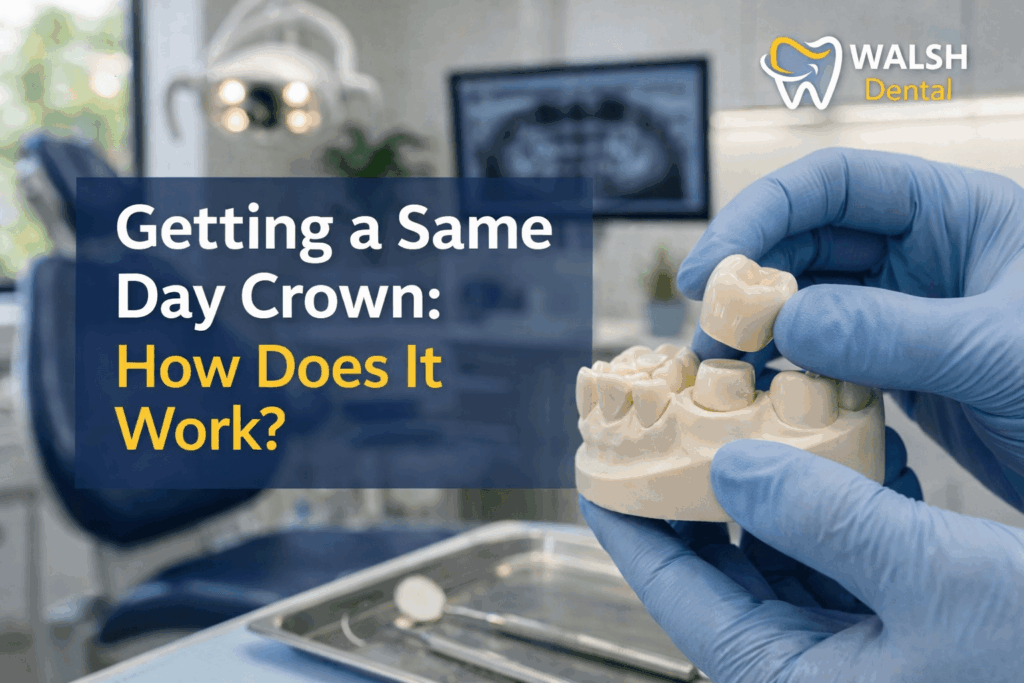
When it comes to restoring a damaged or weakened tooth, dental crowns have long been a reliable solution. Traditionally, getting a crown required multiple visits, temporary fittings, and weeks of waiting. But thanks to modern dental technology, patients can now benefit from same day crowns, a faster, more convenient option that delivers excellent results in just one appointment. At Walsh Dental, advancements in dental care have made it easier than ever for patients to restore their smiles efficiently. If you’re considering this treatment, understanding how same day crowns work can help you make a confident and informed decision. What Is a Same Day Crown? A same day crown is a custom-made dental crown designed, created, and placed in a single dental visit. Unlike traditional crowns that require lab work and multiple appointments, same day crowns use advanced digital technology to streamline the entire process. These crowns are typically made from high-quality ceramic materials that closely mimic the appearance and strength of natural teeth. This makes them a popular choice for both functional restoration and cosmetic enhancement. For patients seeking reliable Dental care in Adelaide, same day crowns offer a perfect combination of speed, durability, and aesthetics. Why Might You Need a Dental Crown? Dental crowns are used for a variety of reasons, including: Whether the issue is structural or cosmetic, crowns play a vital role in modern dentistry. At Walsh Dental, patients receive personalized care to determine whether a same day crown is the best option for their needs. How Does a Same Day Crown Work? The process of getting a same day crown is simple, efficient, and highly advanced. Let’s walk through each step so you know exactly what to expect. 1. Digital Scanning Instead of Impressions The process begins with a digital scan of your tooth. Instead of using messy traditional molds, your dentist uses a small handheld scanner to capture precise images of your teeth. These images are converted into a 3D model on a computer, allowing for accurate planning and design. This step ensures a perfect fit and eliminates discomfort often associated with traditional impressions. 2. Designing Your Crown Once the digital scan is complete, specialized software is used to design your crown. The dentist carefully shapes the crown to match your natural teeth in size, color, and alignment. This digital precision allows for a highly customized result that blends seamlessly with your smile. Patients receiving Dental care in Adelaide increasingly prefer this method due to its accuracy and convenience. 3. On-Site Crown Fabrication After the design is finalized, the information is sent to an in-office milling machine. This machine carves your crown from a solid block of ceramic material within minutes. This eliminates the need for external dental labs and significantly reduces waiting time. The result is a durable, natural-looking crown ready for placement on the same day. 4. Fitting and Placement Once the crown is created, your dentist checks the fit, bite, and appearance. Minor adjustments are made if needed to ensure comfort and functionality. The crown is then permanently bonded to your tooth using strong dental adhesive. The entire process is completed in a single visit, allowing you to leave the clinic with a fully restored smile. At Walsh Dental, this streamlined approach ensures both efficiency and high-quality outcomes. Benefits of Same Day Crowns Same day crowns have become increasingly popular due to their many advantages over traditional crowns. For anyone seeking efficient and reliable Dental care in Adelaide, same day crowns are an excellent option. Are Same Day Crowns Suitable for Everyone? While same day crowns are a great solution for many patients, they may not be suitable in every case. Factors such as the extent of tooth damage, location of the tooth, and individual oral health conditions can influence the decision. In some situations, traditional crowns may still be recommended for added strength or specific materials. That’s why a professional consultation is essential. At Walsh Dental, each patient receives a thorough evaluation to determine the most appropriate treatment plan. Same Day Crowns vs Traditional Crowns Understanding the differences between same day and traditional crowns can help you decide which option is best for you. How Long Do Same Day Crowns Last? With proper care, same day crowns can last 10 to 15 years or even longer. Their lifespan depends on factors such as oral hygiene, eating habits, and regular dental check-ups. Maintaining good oral care practices is essential for preserving your crown and overall dental health. How to Care for Your Same Day Crown Taking care of your crown is simple and similar to caring for natural teeth. Brush twice daily using a fluoride toothpaste and floss regularly to prevent plaque buildup. Avoid chewing on very hard objects like ice or hard candies, as this can damage the crown. Regular dental visits are also important to ensure your crown remains in good condition. At Walsh Dental, patients receive ongoing support and guidance for maintaining their dental restorations. Common Questions About Same Day Crowns 1. Are same day crowns safe? Yes, same day crowns are safe and widely used in modern dentistry. The technology has been thoroughly tested and provides reliable results. 2. Do same day crowns look natural? Absolutely. They are designed to match the color and shape of your natural teeth, ensuring a seamless appearance. 3. Is the procedure painful? The procedure is typically painless. Local anesthesia is used to ensure comfort throughout the process. 4. Can I eat normally after the procedure? In most cases, you can return to normal eating habits shortly after the crown is placed. Your dentist may recommend avoiding very hard foods initially. Why Choose Walsh Dental for Same Day Crowns? Choosing the right dental clinic is crucial for achieving the best results. Walsh Dental combines advanced technology with experienced professionals to deliver high-quality care. From initial consultation to final placement, every step is handled with precision and attention to detail. Patients benefit from a comfortable environment, modern equipment, and personalized treatment plans. For those
How Stress Affects Your Teeth and How Dentists in Adelaide Can Help with Dental Anxiety
Stress has become a part of everyday life for many people, but its effects go far beyond mental health. One area that often gets overlooked is oral health. From teeth grinding to gum disease, stress can silently damage your smile over time. Many patients visiting Dentists in Adelaide are surprised to learn that their dental issues are closely linked to stress and anxiety. At Walsh Dental, understanding the connection between stress and oral health is an important part of providing complete care. By identifying the signs early and taking preventive steps, you can protect your teeth and maintain a healthy, confident smile. How Does Stress Affect Your Teeth? When your body is under stress, it releases hormones like cortisol, which can weaken your immune system. This makes it harder for your body to fight off infections, including those that affect your gums and teeth. Stress also leads to behavioral changes. People may skip their oral hygiene routine, consume more sugary foods, or develop harmful habits like nail biting or teeth grinding. Over time, these factors can lead to tooth decay, gum disease, and even tooth loss. At Walsh Dental, patients are often treated for these stress-related issues using a combination of preventive and restorative treatments. Why Do People Grind Their Teeth During Stress? Teeth grinding, or bruxism, is one of the most common effects of stress. It often happens during sleep, which means many people are unaware of it until noticeable damage occurs. Grinding puts excessive pressure on your teeth and jaw, which can result in: If untreated, it may lead to serious dental complications requiring treatments like crowns, splints, or even implants. Walsh Dental provide custom mouthguards and splints that protect your teeth from grinding damage while improving overall comfort. What Are the Warning Signs of Stress-Related Dental Problems? Recognizing early symptoms can help prevent long-term damage. Some common signs include: If you notice these symptoms, it’s important to consult experienced Dentists in Adelaide who can diagnose the issue and recommend the right treatment plan. Can Stress Lead to Gum Disease? Yes, stress can significantly increase your risk of gum disease. A weakened immune system allows bacteria to multiply more easily, leading to infections in the gums. Gum disease usually starts as gingivitis, which causes redness, swelling, and bleeding. If left untreated, it can progress to periodontitis, a serious condition that may result in tooth loss. Regular check-ups and professional cleanings at Walsh Dental play a crucial role in preventing and managing gum disease effectively. What Is Dental Anxiety and How Is It Connected to Stress? Dental anxiety is a common condition where people feel nervous or fearful about visiting the dentist. This fear often leads to delayed treatments, which can worsen existing dental issues. Stress can make dental anxiety even stronger. Someone already dealing with daily stress may find dental visits overwhelming, leading to avoidance. This is why compassionate care is essential. Skilled Dentists in Adelaide focus not only on treating dental problems but also on ensuring patients feel comfortable and relaxed throughout their visit. How Can Dentists Help with Dental Anxiety? Modern dentistry focuses heavily on patient comfort. At Walsh Dental, several methods are used to reduce anxiety and create a stress-free experience. One effective approach is relative analgesia (sedation), which helps patients feel calm during procedures. It allows individuals to stay relaxed without being fully unconscious. Clear communication also plays a key role. When procedures are explained in simple terms, patients feel more in control and less anxious. Additionally, a welcoming environment, gentle techniques, and flexible appointment options all contribute to a more positive dental experience. What Treatments Help Repair Stress-Related Damage? There are various treatments available depending on the severity of the issue. These include: At Walsh Dental, each treatment plan is tailored to the patient’s needs, ensuring both functional and aesthetic results. Can Lifestyle Changes Reduce Dental Problems Caused by Stress? Yes, making small lifestyle changes can have a big impact on your oral health. Practicing stress management techniques such as yoga, meditation, or regular exercise can help reduce teeth grinding and improve overall well-being. Maintaining a healthy diet and limiting sugar intake also supports stronger teeth and gums. Equally important is maintaining good oral hygiene. Brushing twice daily, flossing regularly, and scheduling routine visits with Dentists in Adelaide can prevent many stress-related dental issues before they start. Why Preventive Dental Care Matters More Than Ever Preventive care is the foundation of long-term oral health. Waiting until you feel pain often means the problem has already progressed. Routine dental visits allow early detection of issues like cavities, gum disease, or grinding damage. This helps avoid complex and costly treatments in the future. At Walsh Dental, preventive dentistry is a priority. Regular check-ups, professional cleanings, and personalized advice help patients maintain healthy smiles for years to come. How to Overcome Fear of Dental Visits If dental anxiety is holding you back, there are practical steps you can take to overcome it. Start by choosing a clinic that understands patient concerns and prioritizes comfort. Communicate openly about your fears so your dentist can adjust their approach. You can also begin with simple procedures to build confidence gradually. Over time, regular visits will feel less stressful and more routine. With the support of caring professionals at Walsh Dental, dental visits can become a positive and stress-free experience. Why Choose Walsh Dental for Your Care? Walsh Dental is committed to providing comprehensive and patient-focused care. From preventive treatments to advanced procedures, every service is designed to support both oral health and patient comfort. The team understands how stress and anxiety affect dental health and offers solutions that address both physical and emotional needs. With modern technology, gentle techniques, and a friendly environment, Walsh Dental ensures every patient feels at ease. Final Thoughts Stress can quietly damage your teeth and gums if left unmanaged. From grinding and gum disease to dental anxiety, its effects can become serious over time. The good news is that with proper care and
Invisalign vs. Traditional Braces: Why Adelaide Patients Prefer Clear Aligners
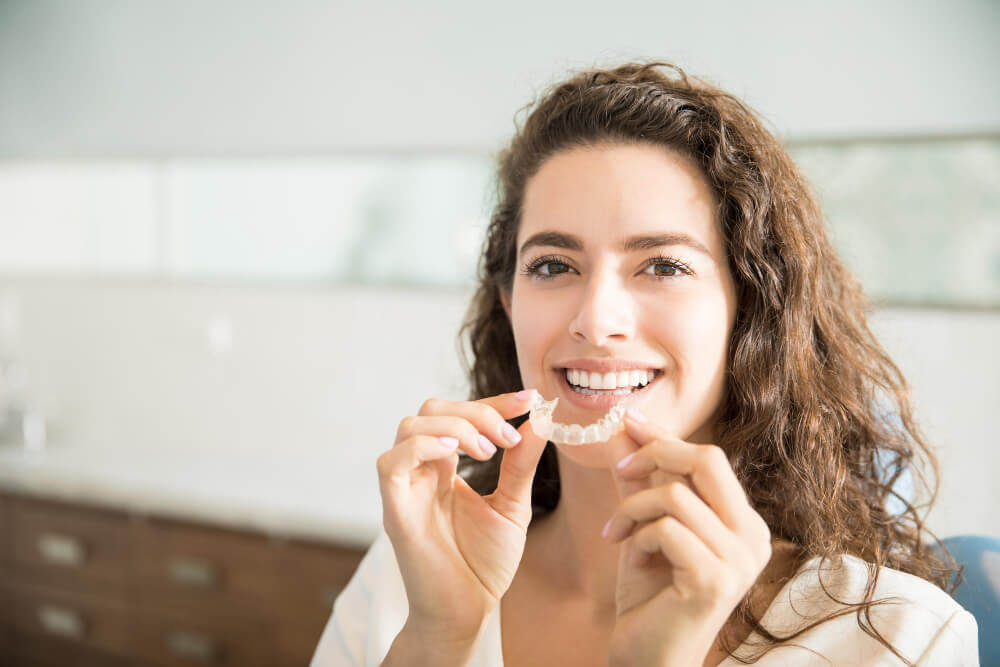
When it comes to straightening your teeth, two of the most common treatment options are Invisalign and traditional braces. Both are effective solutions, but the best choice depends on your lifestyle, dental condition, and budget. If you are looking for expert advice from an Invisalign provider in Adelaide, understanding the differences between these treatments can help you make the right decision. Whether you are considering teeth straightening for yourself or your child, knowing how each option works can make your journey toward a healthier, more confident smile easier and more comfortable. Invisalign vs Braces: Which Option Is Right for Your Smile? When it comes to straightening teeth, two of the most widely recommended orthodontic treatments are Invisalign and traditional braces. Both methods are designed to improve alignment, correct bite issues and enhance overall oral health. However, choosing the right option depends on several factors including lifestyle, dental concerns and budget. Consulting an experienced Invisalign provider in Adelaide can help you understand which treatment option is best suited to your smile goals and dental needs. If you are considering orthodontic treatment, consulting at Walsh Dental can help you understand which solution will work best for your smile. Whether you are researching treatment options for yourself or your child, learning about the differences between Invisalign and braces can make the decision easier and more confident. Understanding the Basics: Invisalign and Braces Explained To begin with, both Invisalign and braces are orthodontic treatments designed to straighten teeth and improve bite alignment. Their ultimate goal is the same: creating a healthier, well-aligned smile that can last for years. The way they achieve this result, however, is quite different, which is why many patients choose to discuss their options with an experienced Invisalign provider in Adelaide before starting treatment. Traditional braces use brackets attached to each tooth, connected with wires that gradually apply pressure to move teeth into the correct position. These brackets can be metal or ceramic, and they require regular adjustments from an orthodontist during treatment. If you visit an experienced Invisalign provider in Adelaide, they may also offer braces as an alternative depending on your dental condition. Feature Invisalign Treatment Traditional Braces How It Works Uses a series of custom-made clear aligners that fit over the teeth and gradually move them into position. Uses metal or ceramic brackets and wires attached to the teeth to shift them into alignment. Material Made from smooth, clear plastic, making them comfortable to wear. Made from metal or ceramic components fixed to the teeth. Appearance Nearly invisible, making it a discreet option for many patients. Visible on the teeth, though modern options can be less noticeable. Removability Removable, allowing you to take them out for eating, brushing, and flossing. Fixed in place and cannot be removed by the patient. Wear Time Must be worn around 22 hours per day for effective results. Works continuously since the braces stay attached to the teeth. Treatment Process Aligners are replaced every few weeks as teeth gradually move into alignment. Dentists adjust wires periodically to guide tooth movement. Patient Preference Popular because it is comfortable, discreet, and convenient. Often chosen for complex cases and does not rely on patient compliance. Appearance and Lifestyle Considerations One of the most common reasons people compare Invisalign and braces is the difference in appearance and daily lifestyle impact. Adults especially may feel hesitant about wearing visible metal brackets during professional or social situations. In such cases, visiting an experienced Invisalign provider can help you explore clear aligner treatment as a discreet alternative. Invisalign aligners are nearly invisible and removable, making them a popular option for people who want a discreet orthodontic treatment. Patients can take them out while eating, drinking, or brushing, allowing them to maintain their regular lifestyle with minimal adjustments. Clear aligners are known for offering comfortable and convenient treatment while still delivering effective results. For individuals considering this modern approach to teeth straightening, visiting a trusted Invisalign provider in Adelaide can help determine whether clear aligner therapy is the right choice based on their smile goals and orthodontic needs. Traditional braces have also improved over time, becoming smaller and more comfortable. Options such as ceramic braces are less noticeable than metal ones, but braces are still visible and require avoiding sticky or hard foods that may damage brackets or wires. Treatment Effectiveness and Expected Timeframes 1. Effectiveness of Both Treatments: Both Invisalign and traditional braces are reliable orthodontic solutions designed to straighten teeth and improve bite alignment. The most suitable option usually depends on the type and severity of the dental concern. 2. Braces for Complex Dental Issues: Traditional braces are often recommended for more complex orthodontic problems such as severe crowding, large gaps between teeth, or major bite issues like overbites and underbites. They allow dentists to control tooth movement with high precision. 3. Assessment by an Invisalign Provider: When visiting an Invisalign provider your dentist will carefully examine your teeth and bite to determine whether Invisalign is the right treatment for your case. 4. Invisalign for Mild to Moderate Alignment: Invisalign clear aligners are commonly used for mild to moderate alignment issues. With modern advancements in orthodontic technology, they are now capable of addressing more complex cases than before. 5. Differences in Treatment Time: Treatment duration varies depending on the complexity of the issue. Braces typically take 18 months to three years, while Invisalign treatment often takes around 12 to 18 months for moderate alignment corrections. 6. Personalised Digital Treatment Planning: A skilled Invisalign provider will create a customised treatment plan using digital scanning technology. This allows dentists to map each stage of tooth movement and deliver predictable results. 7. Importance of Patient Commitment: Treatment success also depends on patient cooperation. Invisalign aligners must be worn consistently as instructed, while braces continue working automatically because they remain fixed to the teeth. Cost Comparison in Adelaide Cost is another important factor when deciding between Invisalign and braces. While both treatments represent an investment in your smile and oral health,
How Your Diet Impacts Dental Health: Practical Tips from Adelaide Experts?

Overview Your smile is shaped not only by brushing and flossing but also by what you eat every day. Many people are surprised to learn how strongly diet influences tooth decay, gum health, and long-term oral wellbeing. Being the top choice, here at Walsh Dental, we see the effects of food choices on patients of all ages. As a trusted provider of Dental Care in Adelaide, our team believes that understanding nutrition is just as important as understanding toothbrush techniques. Australia continues to see high rates of tooth decay, and much of it is linked to everyday eating habits. Sugary snacks, frequent sipping on soft drinks, and even seemingly healthy juices can quietly damage enamel. At the same time, many people are unaware that the right foods can actually strengthen teeth and protect gums. In this guide, you will learn how food and drink affect your mouth, which choices support a healthy smile, and how smart diet habits can help prevent dental problems before they start. If you want stronger teeth and healthier gums, improving your diet is one of the best places to begin, alongside regular Dental Care in Adelaide with professionals you trust. Why What You Eat Matters for Your Smile? Have you ever wondered why some people seem to get cavities no matter how often they brush? The answer often lies in their diet. Studies in Australia show that sugar intake is one of the leading causes of tooth decay, especially when combined with frequent snacking. What you eat and drink every day has a direct impact on your teeth and gums, making diet one of the most important parts of oral health. Daily food choices influence the balance of bacteria in your mouth. Sugary and acidic foods feed harmful bacteria that produce acids, which weaken enamel and irritate gums. Over time, this leads to cavities, sensitivity, and gum disease. On the other hand, a balanced diet rich in nutrients supports strong enamel, healthy saliva flow, and better gum protection. How Food and Drink Affect Your Teeth? Food changes the environment in your mouth every time you eat. Bacteria feed on sugar and produce acids. This process is the core link between sugar and cavities. Acid attacks soften enamel and allow bacteria to penetrate the tooth surface. Acidic foods and enamel damage go hand in hand. Citrus fruits, soft drinks, vinegar based foods, and wine weaken enamel directly. Over time, this leads to sensitivity and a higher risk of decay. Frequent snacking is another major issue. Every snack creates an acid attack. When you snack all day, your teeth never get a chance to recover. Drinks matter just as much as food. Soft drinks, sports drinks, fruit juices, and even coffee can stain teeth and weaken enamel when consumed often. Drinks that stain teeth also dry the mouth, reducing natural protection. Foods That Strengthen Your Teeth and Gums A healthy teeth diet Adelaide focuses on foods that protect enamel and support gum tissue. Calcium rich foods help rebuild and protect enamel. Dairy products, leafy greens, and almonds provide calcium for strong teeth and support jawbone health. Crunchy fruits and vegetables like apples, carrots, and celery naturally clean teeth and stimulate saliva flow. Saliva neutralises acids and washes away food particles. Protein rich foods like eggs, fish, and lean meats supply phosphorus, which helps repair tooth structure. These foods play a key role in oral health and nutrition. Foods rich in vitamin C such as berries and capsicum strengthen gums and reduce bleeding. These are some of the best foods for gums. Foods and Drinks That Harm Your Oral Health Sugary snacks like lollies, cakes, and biscuits feed harmful bacteria. Hidden sugars in sauces, cereals, and flavoured yoghurts also increase decay risk. Soft drinks and sports drinks combine sugar and acid, which is a double attack on enamel. These drinks also stain teeth and dry out the mouth. Sticky foods such as dried fruit and chewy lollies cling to teeth and allow acid to stay longer on the surface. Alcohol reduces saliva flow, increasing the risk of decay and gum disease. How Diet Impacts Gum Health and Inflammation? 1. Nutrition and Gum Disease: Diet and gum disease are closely connected. A poor diet weakens the immune system and makes gums more likely to become infected and inflamed. 2. Vitamins That Protect Gum Tissue: Vitamin C, vitamin A, and vitamin E support gum repair and reduce bleeding. These nutrients help protect soft tissues from bacteria. 3. Poor Diet and Infection Risk: Lack of nutrients increases inflammation, making gums swollen, sore, and more prone to bleeding and infection. The Role of Water in Oral Health Diet Tips for Children’s Dental Health 1. Healthy Snacks: Choose fruit, yoghurt, cheese, and nuts instead of lollies and chips. 2. Limit Juices and Processed Foods: Water and milk are better than juice, cordial, or soft drinks. 3. Teach Smart Habits Early: Kids who learn good food choices early develop strong teeth for life. Diet Tips for Adults and Seniors 1. Preventing Tooth Wear and Sensitivity: Avoid frequent acidic snacks and rinse with water after meals. 2. Supporting Gum Health with Nutrition: Eat leafy greens and protein rich foods to strengthen gum tissue. 3. Managing Dry Mouth: Sip water often and eat moisture rich foods. Simple Daily Diet Habits That Protect Your Smile • Smart Snacking Limit snacks between meals and choose tooth friendly foods. • Timing Meals Eat full meals instead of grazing all day. • Rinsing After Eating Rinse with water to remove acids and sugars. • Balancing Treats Follow sweets with cheese or nuts to protect enamel. Final Thoughts – Eat Smart for a Healthier Smile Your diet shapes your oral health every day. The right foods strengthen enamel and gums, while the wrong ones weaken them. By choosing better meals and drinks, you support long term dental comfort and confidence. When combined with professional guidance from a Dental Care in Adelaide clinic, nutrition becomes a powerful tool for prevention. At
Dental Implant Myths Clarified by a Leading Implant Dentist in Adelaide
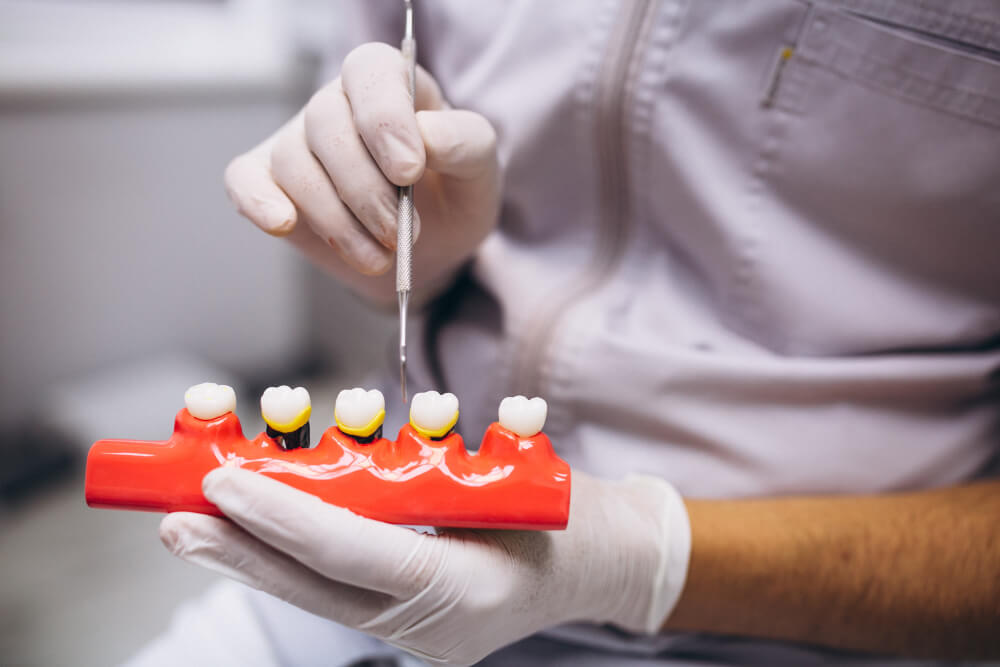
Overview Dental implants have changed the way people replace missing teeth. They look natural, feel strong, and restore confidence in everyday life. Still, many people hesitate because of myths and misunderstandings they hear from others or read online. At Walsh Dental, patients often come in with concerns based on outdated or incorrect information. That is why it is important to get facts from a trusted Implant Dentist in Adelaide who understands both the science and the patient experience. Dental implants are now one of the most popular and reliable tooth replacement solutions in modern dentistry. However, because they involve surgery and advanced planning, people often imagine the worst. They may think implants are painful, expensive, unsafe, or only for certain age groups. These beliefs stop many people from getting the care they need. In this guide, we will clear up the most common dental implant myths. You will learn what implants really are, how they work, what the procedure feels like, and who they are right for. By the end, you will have clear, honest information so you can make a confident decision about your smile. Why So Many Myths Exist About Dental Implants? Dental implants have grown quickly in popularity over the last two decades. More people now choose implants over bridges and dentures because they offer a long term and natural looking solution. Still, myths continue to spread because not everyone understands how implant dentistry works. Many fears come from old stories, online forums, or experiences from years ago when technology was not as advanced. Some people hear that implants are painful or unsafe. Others think they look fake or are only for older adults. These ideas are usually based on misunderstanding, not on modern dental practice. Expert guidance matters because every patient is different. A trained Implant Dentist in Adelaide can assess your mouth, your bone health, and your lifestyle to see if implants are right for you. Professional advice replaces fear with facts and gives you a clear picture of what to expect. In this article, you will learn what dental implants really involve, how comfortable the procedure is, how long implants last, and why they are a trusted solution for tooth replacement in Adelaide today. What Are Dental Implants and How Do They Really Work? Dental implants are artificial tooth roots made from medical grade titanium. They are placed into the jawbone where a tooth is missing. Over time, the bone naturally bonds with the implant in a process called integration. This creates a strong foundation for a replacement tooth. An implant has three main parts. The first is the implant post, which sits in the bone. The second is the connector, which attaches to the top of the implant. The third is the crown, which is the visible part that looks like a natural tooth. Unlike bridges, implants do not rely on nearby teeth for support. Unlike dentures, they do not sit on the gums. Instead, they become part of your jaw structure. This is why implants feel and function like real teeth. In dental implants Adelaide clinics, advanced imaging and planning tools are used to place implants safely and accurately. This allows patients to eat, speak, and smile with confidence again. Myth 1 – Dental Implants Are Painful One of the biggest fears people have is that the dental implant procedure is painful. In reality, most patients are surprised by how comfortable it is. During treatment, local anaesthetic is used to completely numb the area. You do not feel pain while the implant is being placed. Many clinics also offer comfort options for anxious patients. After the procedure, there may be mild soreness similar to a tooth extraction. This usually lasts a few days and is managed easily with normal pain relief. When comparing pain after dental implants to tooth removal, most patients say implants are no worse and often easier. Modern implant dentistry Adelaide focuses strongly on patient comfort. Myth 2 – Dental Implants Look Fake Another common myth is that dental implants do not look natural. This is not true with modern dentistry. Today, implant crowns are custom made to match your natural teeth in shape, size, and colour. Dentists carefully shade the crown so it blends perfectly with your smile. Because implants come from inside the bone like natural roots, they also support the gums in a natural way. This prevents the sunken look that dentures can sometimes cause. The result is a smile that looks real and feels strong. Dental implants restore both function and appearance beautifully. Myth 3 – Dental Implants Are Only for Older People Many people think implants are only for seniors. In reality, adults of many ages can benefit from dental implants. The main factor is not age. It is bone health and gum condition. Young adults who have lost teeth from injury, decay, or genetics may be excellent candidates. Older adults with good health can also receive implants successfully. A best implant dentist in Adelaide will assess your jawbone and gums to see if implants are suitable for you. With proper care, implants can benefit adults at nearly any stage of life. Myth 4 – Dental Implants Are Too Expensive Dental implants do cost more upfront than some short term solutions. However, they offer long term value. When people consider the cost of dental implants in Adelaide, they should also think about durability. Bridges and dentures may need replacing over time. Implants can last decades with proper care. Implants also help preserve the jawbone and prevent shifting teeth, which reduces future dental problems. That saves money in the long run. For many patients, implants are an investment in lasting comfort and confidence. Myth 5 – Dental Implants Don’t Last Long Dental implants are designed to last many years. In fact, they often last for decades. Research shows high success rates for implants when patients follow good oral hygiene and attend regular dental visits. The key is proper placement and ongoing care. If you
The Impact of Lifestyle on Oral Health: Tips from a Dentist in Kensington Park
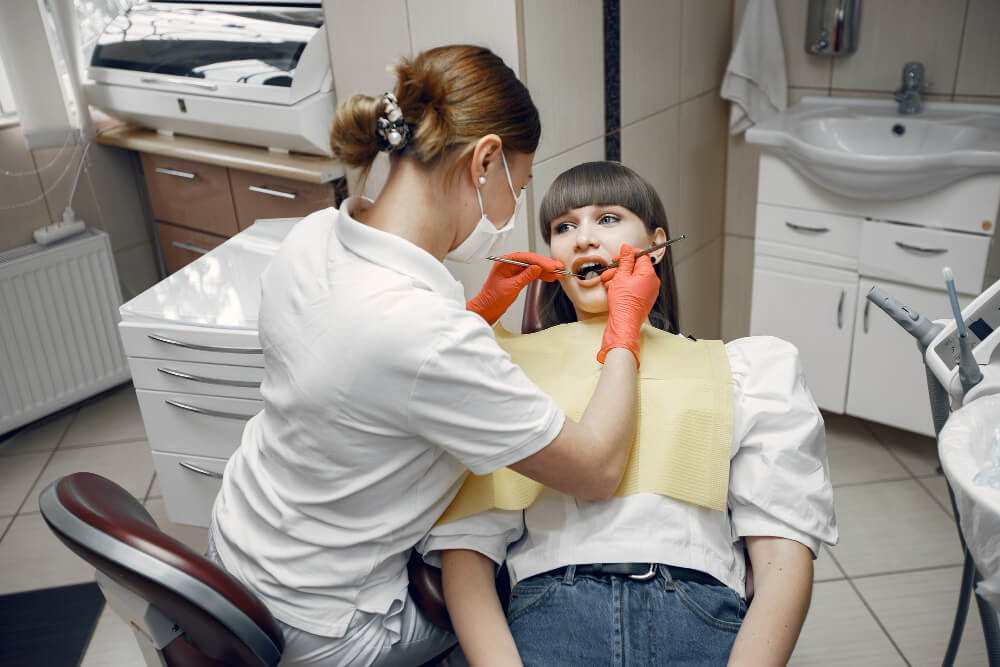
Introduction Your lifestyle choices shape more than just your general wellbeing. They also play a major role in your oral health. From what you eat and drink to how you manage stress and sleep, everyday habits influence the strength of your teeth, the health of your gums, and even your long term smile. At Walsh Dental, we see firsthand how small lifestyle changes can lead to big improvements in dental health. As a trusted Dentist in Kensington Park, our goal is to help patients understand how their daily routines connect to their oral health and how they can protect their smiles for life. Many people think brushing and flossing alone are enough, but true oral health care in Kensington Park goes beyond the bathroom sink. It includes smart food choices, avoiding harmful habits, managing stress, and visiting your dentist regularly. In this guide, you will learn how lifestyle affects your teeth and gums, what common mistakes to avoid, and how preventive dental care in Kensington Park can help you stay ahead of problems. Whether you are caring for your own smile or your family’s, this article will give you clear, practical insight into building strong, healthy habits with help from a Dentist in Kensington Park you can trust. Why Lifestyle Plays a Big Role in Oral Health? Your daily habits and routines have a direct impact on your teeth and gums. What you eat, how often you clean your mouth, whether you smoke, and how you manage stress all influence your oral health. Many dental problems are not caused overnight. They develop slowly through repeated lifestyle choices that either support or harm your mouth. One common mistake is assuming dental issues only come from poor brushing. In reality, diet and dental health are closely linked. Sugary drinks, frequent snacking, and acidic foods weaken enamel over time. Skipping dental visits or ignoring early warning signs like bleeding gums also allows small issues to become serious problems. There is growing awareness today about preventive dental care Kensington Park residents can rely on. More people are learning that it is easier to prevent cavities and gum disease than to fix them later. This guide will help you understand how lifestyle choices affect your oral health and what you can do to protect your smile for the long term. How Lifestyle Choices Affect Your Teeth and Gums? Your mouth reflects your overall lifestyle. Poor eating habits, inconsistent hygiene, and unmanaged stress can damage both teeth and gums. For example, frequent sugar intake feeds harmful bacteria that cause cavities and gum disease. Skipping brushing at night leaves plaque sitting on teeth for hours, increasing the risk of decay. Daily oral hygiene habits are the foundation of long term dental health. When brushing and flossing become routine, plaque and bacteria are removed before they can do damage. On the other hand, irregular habits allow problems to grow quietly. Prevention starts at home. The way you care for your mouth every day sets the tone for your future dental health. A Dentist in Kensington Park can treat problems, but your daily choices determine how often you need treatment. Diet and Dental Health – What You Eat Matters What you eat and drink fuels your body and your mouth. Sugary and acidic foods are among the biggest threats to your enamel. Soft drinks, sweets, and even fruit juices can slowly wear down the protective outer layer of your teeth. Balanced nutrition supports strong enamel and healthy gums. Foods rich in calcium, protein, and vitamins help your teeth stay resilient. Crunchy fruits and vegetables also help stimulate saliva, which naturally cleans your mouth. Hydration is equally important. Water helps wash away food particles and supports saliva production. Saliva plays a key role in preventing tooth decay naturally by neutralising acids and fighting bacteria. Choosing water over sugary drinks is one of the simplest ways to protect your smile. Oral Hygiene Habits That Protect Your Smile Brushing and flossing correctly every day is essential for healthy teeth and gums. Brushing twice a day removes plaque before it hardens into tartar. Flossing cleans areas your toothbrush cannot reach. Choosing the right tools matters. A soft bristled toothbrush and fluoride toothpaste are best for daily use. Hard brushes can damage gums, and non fluoride toothpaste may not protect against cavities effectively. Consistency is the real key. Daily oral hygiene habits done properly protect your smile far more than occasional intense cleaning. Your Dentist in Kensington Park can guide you on the best routine for your needs. The Effects of Smoking and Alcohol on Oral Health 1. Smoking and gum disease: Smoking reduces blood flow to the gums, making it harder for them to heal. It also increases the risk of gum disease, tooth loss, and infections. 2. Stained teeth and bad breath: Tobacco and alcohol stain teeth and dry out the mouth. This leads to bad breath and a higher chance of cavities. 3. Increased risk of oral cancer: Long term smoking and heavy drinking raise the risk of oral cancer. Regular checkups at a dental clinic in Kensington Park help with early detection. Stress, Sleep, and Teeth Grinding 1. How stress leads to bruxism: Stress and anxiety often cause people to grind their teeth at night. This wears down enamel and causes sensitivity. 2. Jaw pain, headaches, and worn enamel: Grinding leads to jaw tension, headaches, and damaged teeth. 3. Protecting teeth with night guards: A custom night guard from a family dentist in Kensington Park protects your teeth while you sleep. Preventive Dental Care in Kensington Park Why Choose a Local Dentist in Kensington Park? Choosing a local Dentist in Kensington Park means personalised care and long term support. A trusted dentist gets to know your history and can provide consistent guidance. Convenience also makes it easier to attend regular appointments, which is vital for long term dental health. Tips from a Dentist in Kensington Park for Better Oral Health Simple changes like drinking more water, brushing properly, and