
Single Tooth Implant vs. Full Mouth Reconstruction
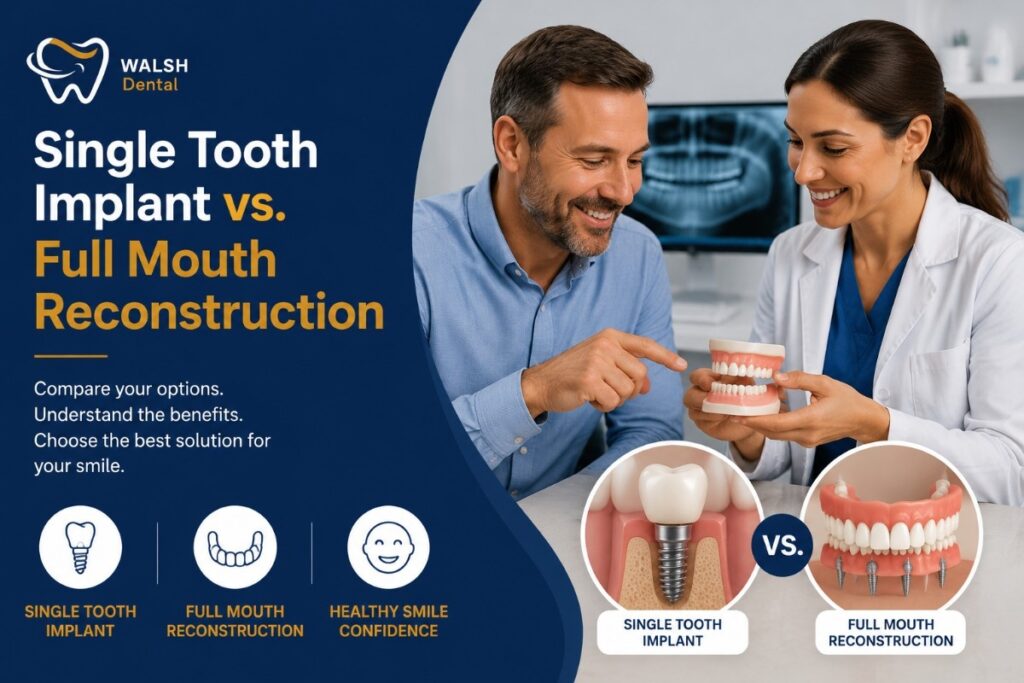
Single Tooth Implant vs. Full Mouth Reconstruction Missing or damaged teeth can affect how you chew, speak, and feel about your smile. At Walsh Dental, we assess your oral health to recommend the right solution. If you have one missing tooth and healthy surrounding teeth and gums, a single dental implant may be suitable. For those considering dental implant Adelaide treatment, a personalised consultation can help determine the best option. If you have multiple missing or damaged teeth, significant wear, or bite problems, full mouth reconstruction may be a better choice. It can address several dental concerns together and help improve your overall oral function and smile. Our team can explain both options and help you choose the treatment that best suits your needs. What Is a Single Tooth Implant? A single tooth implant is a treatment designed to replace one missing tooth without affecting the healthy teeth next to it. It’s one of the most common and predictable ways to restore both function and appearance after tooth loss. The process generally involves three parts: The implant post – a small titanium screw placed into the jawbone, acting as an artificial tooth root The abutment – a connector piece that attaches to the implant post The crown – a custom-made, tooth-coloured cap that sits on top and blends in with your natural teeth Once placed, the implant fuses with the jawbone over a period of months in a process called osseointegration, giving it the stability of a natural tooth root. Who is a good candidate? A single tooth implant is typically suitable for patients who: Have lost one tooth due to injury, decay, or infection Have healthy gums and enough jawbone density to support an implant Want a permanent, natural-looking solution rather than a removable option Don’t have widespread dental issues affecting multiple teeth For many patients, this is a straightforward, well-established procedure with a high success rate. What Is Full Mouth Reconstruction? Full mouth reconstruction is a broader, more personalised treatment plan used when multiple teeth, sometimes all of them need to be restored or replaced. It’s not a single procedure but a combination of treatments tailored to rebuild both the function and appearance of your entire smile. Depending on your needs, full mouth reconstruction may combine: Multiple dental implants Crowns and bridges Bite (occlusal) correction Gum treatment Root canal therapy where needed Full or partial dentures in some cases Because it addresses the mouth as a whole system, teeth, gums, jaw joints, and bite alignment, full mouth reconstruction is usually planned in stages over several appointments. Who is a good candidate? Full mouth reconstruction tends to suit patients who have: Multiple missing, broken, or severely decayed teeth Advanced gum disease affecting several areas of the mouth Chronic bite problems, jaw pain, or excessive tooth wear A combination of cosmetic and functional issues that a single treatment can’t resolve If you’ve experienced years of untreated dental problems or significant trauma affecting multiple teeth, this comprehensive approach is often the most effective long-term solution. Key Differences: Single Tooth Implant vs. Full Mouth Reconstruction While both treatments aim to restore a healthy, functional smile, they differ significantly in scope and approach. Scope of treatment: A single tooth implant addresses one missing tooth in isolation. Full mouth reconstruction takes a whole-mouth view, often correcting bite, gum health, and multiple teeth at once. Procedure complexity and number of visits: Single implants usually involve a more predictable, shorter treatment timeline, typically a placement appointment followed by a healing period and then the crown fitting. Full mouth reconstruction is more complex and is generally staged across multiple visits over several months since it may involve coordinating implants, restorations, and sometimes gum or bite treatment together. Recovery time: Recovery after a single implant is usually limited to the site of the one tooth. With full mouth reconstruction, recovery is spread across the whole treatment plan since different procedures may have their own healing periods. Cost comparison: A single tooth implant is a smaller, one-off investment. Full mouth reconstruction costs more overall, simply because it covers more procedures, but it’s also solving a wider range of problems in one coordinated plan rather than addressing issues piecemeal over time. Longevity and durability: Both options, when properly planned and maintained, can last for many years. Dental implants themselves are known for their durability, and with good oral hygiene and regular check-ups, both single implants and full-mouth implant-supported restorations can serve patients well for decades. Which Option Is Right for You? Choosing between the two comes down to a few key factors: Number of teeth affected – One damaged or missing tooth generally points toward a single implant. Multiple problem areas usually call for a broader plan. Condition of your bite and jaw – If you’re dealing with jaw pain, uneven wear, or bite misalignment alongside missing teeth, full mouth reconstruction is more likely to resolve the underlying cause, not just the symptom. Budget and health fund coverage – A single implant is a smaller upfront cost, while full mouth reconstruction is typically planned and staged to help spread the investment. Aesthetic and functional goals – If your main concern is one visible gap, a single implant will usually do the job. If you’re unhappy with your smile overall, or struggling to chew comfortably, a full reconstruction addresses those goals together. The clearest way to know which path suits your situation is a proper clinical assessment, including x-rays and a discussion of your goals, which is exactly what a consultation is for. Benefits of Each Option Single tooth implant benefits: Preserves healthy neighbouring teeth (no need to grind them down, unlike a bridge) Looks, feels, and functions like a natural tooth Straightforward, well-understood procedure with predictable outcomes Helps prevent bone loss in the area of the missing tooth Full mouth reconstruction benefits: Addresses multiple issues in one coordinated treatment plan Improves overall bite function, not just appearance Can relieve jaw pain and uneven wear caused by long-term dental problems
Dental Implants vs Dentures: Which Option Is Better for Long Term Oral Health?
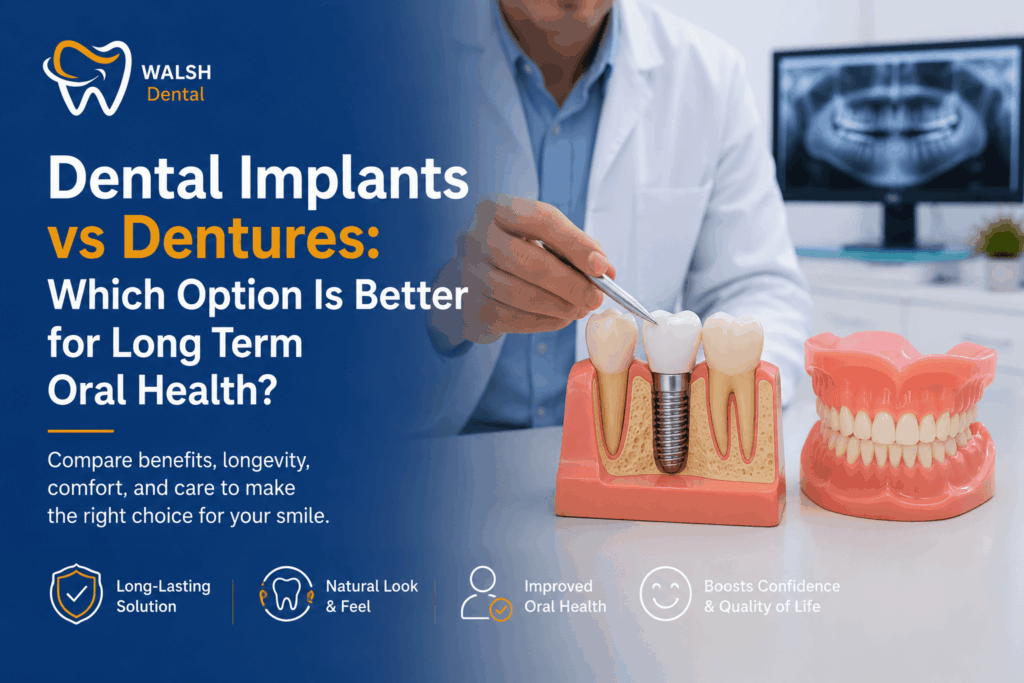
Missing teeth can affect more than just your smile. They can make eating difficult, change the way you speak, and even lower your confidence. Fortunately, modern dentistry offers reliable solutions to replace missing teeth. The two most common options are dental implants and dentures. But how do you know which one is right for you? At Walsh Dental, we understand that every smile is unique. Choosing the right tooth replacement depends on your oral health, lifestyle, budget, and long-term goals. In this guide, we’ll compare dental implants and dentures to help you make an informed decision for your future oral health. Why Is Replacing Missing Teeth So Important? Many people think losing a tooth is only a cosmetic issue. In reality, leaving missing teeth untreated can lead to several oral health problems. Some common issues include: Replacing missing teeth early helps maintain both your smile and your overall oral health. What Are Dental Implants? Dental implants are artificial tooth roots made from titanium. They are surgically placed into the jawbone, where they naturally bond with the bone over time. Once healed, a custom-made crown is attached, creating a tooth that looks, feels, and functions like a natural one. Many patients looking for Dental implants Adelaide choose this treatment because it offers a long-lasting and stable solution for missing teeth. What Are Dentures? Dentures are removable appliances designed to replace missing teeth. They can replace a few teeth (partial dentures) or all teeth (full dentures). Modern dentures are more comfortable and natural-looking than older versions. They restore appearance and improve chewing ability, making them a popular option for many patients. Unlike implants, dentures rest on the gums and do not become permanently attached to the jawbone. Dental Implants vs Dentures: What’s the Difference? Although both treatments replace missing teeth, they work in very different ways. Dental Implants Dentures Permanently fixed Removable Replace tooth roots Rest on gums Help preserve jawbone Do not prevent bone loss Feel like natural teeth May feel bulky initially Long lifespan Need replacement over time Require surgery No surgery needed Understanding these differences can help you decide which treatment suits your needs. Which Option Looks More Natural? One of the biggest concerns for patients is appearance. If aesthetics are your highest priority, dental implants usually provide the most natural-looking result. Which Option Is More Comfortable? Comfort is another major factor when choosing between implants and dentures. Modern dentures are much more comfortable than older designs, but they still cannot fully match the stability of implants. Can You Eat Normally with Both Options? Food plays an important role in overall health, and your tooth replacement should allow you to enjoy a balanced diet. If enjoying your favourite meals is important, implants often provide greater freedom. Which Option Lasts Longer? When considering long-term oral health, durability matters. This is one reason why many patients choose Dental implants Adelaide as a long-term investment in their oral health. Do Dental Implants Help Protect the Jawbone? Yes and this is one of the biggest advantages of implants. When a natural tooth is lost, the jawbone underneath no longer receives stimulation. Over time, the bone begins to shrink, which can change facial appearance and weaken nearby teeth. Dental implants act like natural tooth roots, stimulating the jawbone every time you chew. This helps maintain bone density and supports long-term oral health. Dentures replace missing teeth but cannot stop bone loss because they rest on the gums rather than inside the jawbone. Who Is a Good Candidate for Dental Implants? Dental implants are suitable for many adults, but not everyone is an immediate candidate. You may be suitable if you: If additional procedures such as bone grafting are required, an experienced Implant dentist Adelaide can assess your situation and recommend the most suitable treatment plan. Are Dentures the Better Choice for Some People? Although dental implants offer many long-term benefits, dentures remain an excellent solution for many patients. Dentures may be recommended if you: Today’s dentures are lighter, more comfortable, and more natural-looking than ever before. With regular adjustments and proper care, they can restore your smile and improve daily life. The best choice depends on your individual needs, and a professional dental assessment can help you decide which option will give you the best results. How Much Maintenance Do Dental Implants and Dentures Need? Both options require good oral hygiene, but the care routine is different. No matter which option you choose, maintaining good oral hygiene is essential for protecting your oral health. Which Treatment Is More Cost-Effective in the Long Run? Many people focus on the initial cost, but it’s equally important to consider long-term value. When thinking about long-term oral health, many patients find that implants provide excellent value because of their durability and stability. How Long Does the Treatment Take? The treatment timeline varies depending on the option you choose. If restoring your smile quickly is your main priority, dentures may be the faster option. If you’re looking for a long-term investment, implants are often worth the extra treatment time. Which Option Is Better for Your Confidence? A healthy smile can make a big difference in everyday life. Feeling comfortable with your smile is important, and choosing the right treatment can improve both your confidence and quality of life. How Can Your Dentist Help You Decide? There is no single solution that suits everyone. Your dentist will assess several factors, including: By considering all these factors, your dentist can recommend the treatment that best meets your individual needs. At Walsh Dental, every treatment plan is personalised to help patients achieve a healthy, functional, and confident smile. Whether you’re considering implants or dentures, professional guidance ensures you make the right decision for your oral health. Final Thoughts Both dental implants and dentures are effective ways to replace missing teeth, but they offer different advantages. The right treatment depends on your individual oral health, lifestyle, and personal goals. A comprehensive dental examination is the best way to determine which solution is
Molar Implants Explained: Bite Force, Bone Support & Treatment Planning
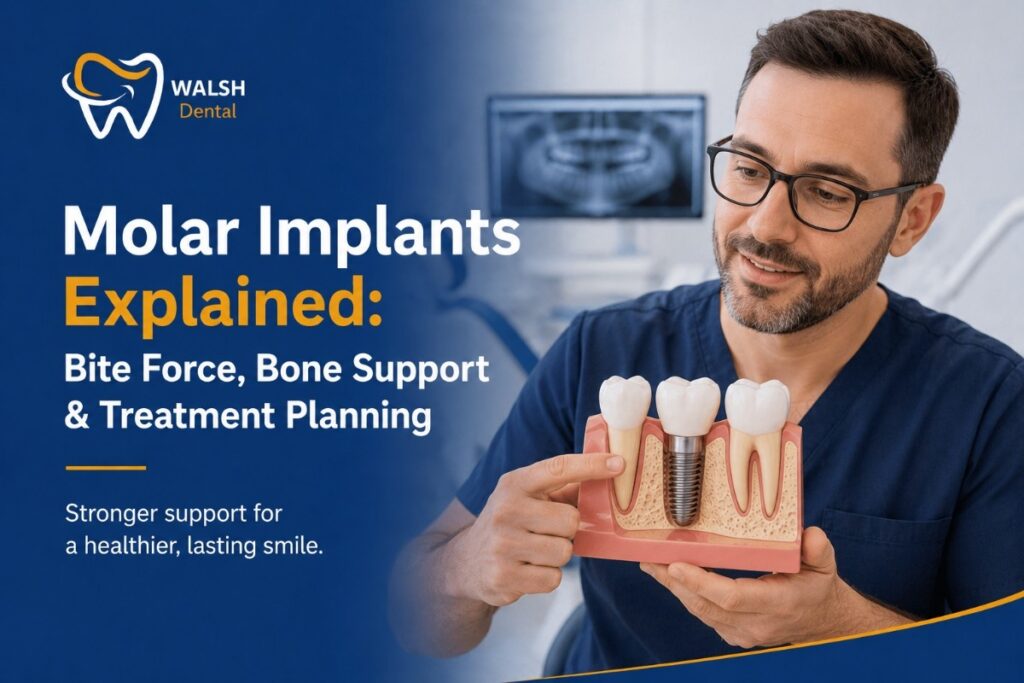
When you lose a back tooth, replacing it properly is very important. Molar implants are one of the best and longest-lasting ways to do this. At Walsh Dental, many patients ask why back teeth (molars) need extra care. The reason is simple, these teeth do most of the heavy chewing, so they need to be strong and well-supported. Molars handle a lot of pressure when you eat, and the bone around them also needs to be strong enough to hold the implant firmly. Because of this, the treatment can be a bit more detailed compared to other teeth. This guide will help you understand everything in simple terms, how molar implants work, why strength and bone support matter, and what to expect during the treatment. That way, you can feel confident and make the right choice for your smile. What Makes Molars So Important? Molars are the strong teeth at the back of your mouth. Their main job is to crush and grind food so you can chew it easily. Unlike your front teeth, which are used for biting, molars handle most of the heavy work when you eat. If you lose a molar, it can cause problems like: That’s why many dentists suggest replacing missing molars with Dental Implants in Adelaide. Implants act like real teeth and help you chew comfortably while keeping your mouth healthy and balanced. Understanding Bite Force: Why Strength Matters One of the most critical factors in molar implants is bite force. Molars endure far greater pressure compared to other teeth. In fact, the bite force in the molar region can be up to 2–3 times stronger than in the front of the mouth. Why is this important? When placing an implant in the molar area, your dentist must ensure: At Walsh Dental, careful planning ensures that every implant is designed to handle these pressures comfortably and safely. How Bone Support Affects Molar Implants Bone support plays a crucial role in the success of dental implants. After a tooth is lost, the jawbone in that area begins to shrink over time due to lack of stimulation. Key factors related to bone support: 1. Bone Density : Molars require strong and dense bone because of the high bite force. If the bone is too soft or thin, additional procedures like bone grafting may be needed. 2. Bone Volume : Adequate width and height of bone are necessary to securely place the implant. 3. Bone Health : Healthy bone ensures long-term stability and prevents implant failure. Patients considering Dental Implants in Adelaide often undergo advanced imaging (like 3D scans) to evaluate bone quality before treatment begins. What Happens If You Don’t Have Enough Bone? This is a common worry, but it doesn’t mean you can’t get dental implants. Today’s dentistry has simple solutions like: These treatments help rebuild your bone so implants can be placed safely and successfully even in more difficult cases. At Walsh Dental, every treatment plan is made just for you, so you can still get the best results no matter your starting condition. Treatment Planning: Why It’s More Complex for Molars Molar implant treatment is not a one-size-fits-all process. It requires detailed planning because of the unique challenges involved. What does treatment planning include? An experienced Implant dentist Adelaide understands these complexities and ensures each step is carefully executed. Step-by-Step Process of Getting a Molar Implant Understanding the procedure can help reduce anxiety and prepare you for what’s ahead. 1. Consultation and Planning : Your journey begins with a detailed consultation at Walsh Dental, where your needs and expectations are discussed. 2. Implant Placement : A titanium implant is surgically placed into the jawbone, acting as a root replacement. 3. Healing Phase (Osseointegration) : Over a few months, the implant fuses with the bone, creating a strong foundation. 4. Crown Placement : A custom-made crown is attached, restoring the look and function of your molar. Are Molar Implants Painful? This is one of the most common questions patients ask. The procedure is typically performed under local anesthesia or sedation, ensuring minimal discomfort. Most patients report that the experience is easier than expected and comparable to a routine dental procedure. Post-treatment discomfort is usually mild and manageable with prescribed medication. How Long Do Molar Implants Last? With proper care, molar implants can last 10–25 years or even longer. Their longevity depends on: Choosing high-quality Dental Implants in Adelaide and following your dentist’s advice can significantly extend their lifespan. Benefits of Molar Implants Molar implants offer several advantages over traditional tooth replacement options: At Walsh Dental, patients benefit from advanced techniques that ensure both comfort and long-term success. Who Is a Good Candidate for Molar Implants? You may be a suitable candidate if you: Even if you’ve been told you’re not a candidate before, advancements in implant dentistry mean there may still be options available. Common Questions About Molar Implants 1. Do molar implants look different from natural teeth? No, they are custom-designed to match your existing teeth in color, shape, and size. 2. Can I eat normally after getting an implant? Yes, once healing is complete, you can eat all your favorite foods without worry. 3. How do I care for my implant? Brush, floss, and visit your dentist regularly, just like you would with natural teeth. 4. Is the procedure safe? Yes, dental implants are a well-established and highly successful treatment when performed by experienced professionals. Why Choosing the Right Dental Clinic Matters Molar implants require precision, experience, and advanced technology. Choosing the right clinic can make a significant difference in the outcome. At Walsh Dental, the focus is on: Working with a skilled Implant dentist Adelaide ensures your treatment is handled with expertise and care. Tips for a Smooth Recovery After your implant procedure, following these tips can help speed up healing: A smooth recovery leads to better integration and long-lasting results. Final Thoughts: Is a Molar Implant Right for You? Replacing a missing molar is not just about aesthetics, it’s about restoring function, protecting your jawbone, and
Dental Implants in Adelaide: Restore Your Smile with Confidence
A confident smile can completely change the way you feel about yourself. But when missing or damaged teeth start affecting your daily life, whether it’s difficulty chewing, speaking, or even smiling freely, it can take a toll on both your health and self-esteem. This is where modern dentistry steps in with reliable solutions like dental implants. At Walsh Dental, patients receive advanced, patient-focused care designed to restore both function and confidence. If you’re considering Dental Implants in Adelaide, this guide will help you understand everything, from how they work to why they are one of the most trusted long-term solutions for missing teeth. What Are Dental Implants and How Do They Work? Dental implants are a permanent solution for replacing missing teeth. Unlike dentures or bridges, implants are surgically placed into the jawbone, acting as artificial tooth roots. Over time, they fuse with the bone through a natural process called osseointegration, creating a strong and stable foundation for replacement teeth. A complete implant typically includes: The result? A tooth that looks, feels, and functions just like your natural one. At Walsh Dental, every implant procedure is carefully planned to ensure precision, comfort, and long-lasting results. Why Are Dental Implants So Popular in Adelaide? The demand for Dental Implants in Adelaide has grown significantly over the years and for good reason. People today are looking for solutions that are not just quick fixes but long-term investments in their oral health. Walsh Dental focuses on delivering results that not only improve oral health but also enhance overall quality of life. Who Is the Right Candidate for Dental Implants? You might be wondering if dental implants are the right choice for you. The good news is that most adults with missing teeth are suitable candidates. You may be eligible if you: Even if you’ve been told you lack enough bone, advanced procedures like bone grafting may still make implants possible. Consulting an experienced Implant dentist Adelaide is the best way to determine your eligibility. At Walsh Dental, personalized assessments ensure that every patient receives the most suitable treatment plan. What Is the Dental Implant Procedure Like? Understanding the process can help ease any anxiety you may have. Dental implant treatment is typically completed in stages: At Walsh Dental, patient comfort is a top priority. Advanced technology and gentle techniques ensure a smooth and stress-free experience. Are Dental Implants Painful? One of the most common concerns patients have is about pain. The truth is, most people report minimal discomfort during and after the procedure. Thanks to modern dental techniques and sedation options, the process is far more comfortable than many expect. Mild soreness after surgery is normal, but it can usually be managed with over-the-counter pain relief. Walsh Dental ensures every patient feels informed, relaxed, and supported throughout their treatment journey. How Long Do Dental Implants Last? Dental implants are designed to be a long-term solution. With proper care, they can last 15–25 years or even a lifetime. Their longevity depends on: Unlike other tooth replacement options, implants don’t need frequent replacement, making them a reliable investment in your smile. How Do You Care for Dental Implants? Taking care of dental implants is surprisingly simple and very similar to caring for natural teeth. Here’s what you should do: Maintaining good oral hygiene ensures your implants remain healthy and functional for years to come. Walsh Dental also provides guidance and follow-up care to help patients maintain their results long-term. What Makes Dental Implants Better Than Other Options? When comparing dental implants to dentures or bridges, the advantages are clear. For many patients, dental implants offer a level of comfort and confidence that other treatments simply can’t match. Are Dental Implants Worth the Investment? It’s natural to consider the cost when choosing a dental treatment. While implants may have a higher upfront cost compared to other options, their long-term benefits often outweigh the initial expense. Think of it this way: When you factor in durability and performance, dental implants are often the most economical choice in the long run. At Walsh Dental, treatment plans are designed to suit different needs and budgets, ensuring quality care is accessible. How to Choose the Right Dental Clinic in Adelaide? Choosing the right dental clinic is just as important as the treatment itself. Here are a few factors to consider: Walsh Dental combines all these elements, offering a trusted environment where patients feel confident about their care. What Questions Should You Ask Before Getting Dental Implants? Before starting your treatment, it’s important to ask the right questions: Having these discussions ensures you make an informed decision about your dental health. Final Thoughts Missing teeth don’t just affect your appearance, they impact your daily life in ways you might not even realize. From eating comfortably to speaking clearly, every small function matters. Choosing Dental Implants in Adelaide is more than just a cosmetic decision, it’s a step toward restoring your confidence, health, and overall well-being. At Walsh Dental, the focus is on delivering personalized care that meets your unique needs. Whether you’re missing a single tooth or multiple teeth, the right treatment can transform your smile and your life. If you’ve been considering dental implants, now is the perfect time to explore your options. A consultation with Walsh Dental could be the beginning of a brighter, more confident future. Ready to Restore Your Smile? Your journey to a healthier, more confident smile starts with the right guidance and care. Reach out to Walsh Dental today and take the first step toward lasting results.
Dental Implants Adelaide: A Complete Step-by-Step Guide to the Implant Procedure
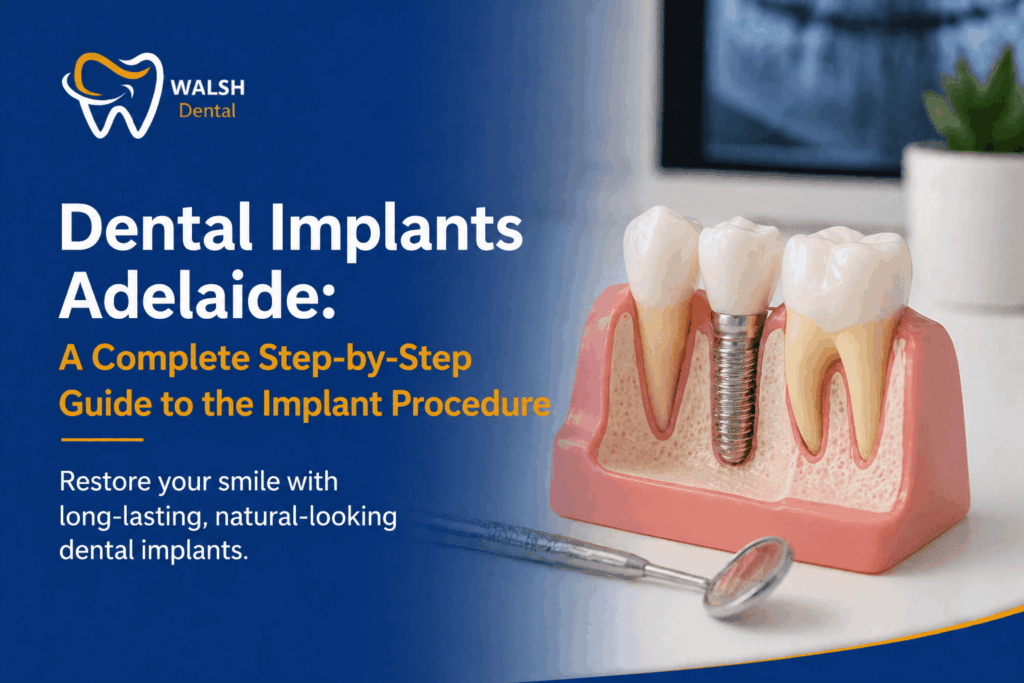
When it comes to restoring your smile and confidence, dental implants have become one of the most reliable and long-lasting solutions available today. Many people who have lost one or more teeth often struggle with eating, speaking, and even smiling comfortably. That’s where modern dentistry steps in with advanced treatments like dental implants. At Walsh Dental, patients receive high-quality care with modern techniques designed to ensure comfort and long-term success. If you are considering Dental Implants Adelaide, this complete guide will walk you through everything you need to know from consultation to recovery. What Are Dental Implants and Why Are They Popular? Dental implants are artificial tooth roots made of titanium that are placed into your jawbone to support replacement teeth such as crowns, bridges, or dentures. Unlike traditional options, implants are fixed and feel just like natural teeth. One of the biggest reasons people choose implants is their durability and natural appearance. They don’t slip like dentures and help maintain jawbone health by preventing bone loss. At Walsh Dental, dental implants are carefully planned and customized for each patient to ensure the best possible results. Who Can Get Dental Implants? Not everyone may immediately qualify for dental implants, but most healthy adults are good candidates. You may be suitable if: Even if you have bone loss, treatments like bone grafting may still make implants possible. Consulting an experienced dental professional at Walsh Dental is the best way to determine your eligibility. Step-by-Step Guide to the Dental Implant Procedure Understanding the process can help reduce anxiety and make you feel more confident about your decision. Here is a detailed step-by-step explanation of how the implant procedure works. Step 1: Initial Consultation and Assessment The first step involves a detailed consultation. Your dentist will examine your teeth, gums, and jawbone using X-rays or 3D scans. During this stage, your treatment plan is created based on your needs. At Walsh Dental, this step is very important to ensure that your implant procedure is safe and successful. Step 2: Treatment Planning Once you are approved for the procedure, a customized plan is developed. This includes: Planning ensures that every step is done with precision and care. Step 3: Tooth Extraction (If Required) If you still have a damaged tooth, it may need to be removed before placing the implant. In some cases, implants can be placed immediately after extraction. This step is done with minimal discomfort, especially with advanced sedation options available at Walsh Dental. Step 4: Bone Grafting (If Needed) If your jawbone is not strong enough, a bone graft may be recommended. This helps create a solid foundation for the implant. Although this adds time to the process, it significantly improves the success rate of implants. Step 5: Implant Placement Surgery This is the main step where the titanium implant is placed into your jawbone. The procedure is done under local anesthesia or sedation, so you won’t feel pain. After placement, the implant acts like a natural tooth root. Over time, it fuses with the bone in a process called osseointegration. Step 6: Healing and Osseointegration Healing usually takes a few weeks to a few months. During this time, the implant becomes securely bonded to your jawbone. This step is crucial because it ensures the strength and stability of your new tooth. Patients undergoing Dental Implants Adelaide often find this phase easier than expected, with minimal discomfort when proper care is followed. Step 7: Abutment Placement Once healing is complete, a small connector called an abutment is attached to the implant. This piece will hold your new artificial tooth in place. Step 8: Placement of the Final Crown The final step is placing the custom-made crown, bridge, or denture. These are designed to match your natural teeth in color and shape. At Walsh Dental, great attention is given to aesthetics so that your smile looks natural and beautiful. How Long Does the Entire Process Take? The timeline for dental implants can vary depending on your condition. On average: While it may seem lengthy, the long-term benefits make it worth the wait. Are Dental Implants Painful? One of the most common concerns is pain. The truth is, most patients report that the procedure is less painful than expected. With modern techniques and sedation options available at Walsh Dental, discomfort is kept to a minimum. Mild soreness after the procedure is normal and usually goes away within a few days. Benefits of Dental Implants Dental implants offer several advantages compared to other tooth replacement options: They look and feel like natural teeth, allowing you to smile confidently. They are also very durable and can last for many years with proper care. Unlike dentures, implants do not move or slip, making eating and speaking much easier. Another major benefit is that implants help preserve your jawbone, preventing the sunken facial appearance that often occurs with missing teeth. How to Care for Your Dental Implants Taking care of your implants is simple and similar to caring for natural teeth. Brush twice daily, floss regularly, and visit your dentist for routine check-ups. Avoid smoking and maintain a healthy lifestyle to ensure the long-term success of your implants. Patients who follow proper care routines often enjoy their implants for decades. What Makes Dental Implants a Worthwhile Investment? While dental implants may seem expensive initially, they are a long-term solution. Unlike dentures or bridges that may need replacement, implants are designed to last for many years. If you are considering Dental Implants Adelaide, it’s important to think of them as an investment in your health, confidence, and quality of life. Common Questions About Dental Implants 1. Are dental implants safe? Yes, dental implants are considered a safe and well-established procedure with a high success rate when performed by experienced professionals. 2. Can I eat normally after getting implants? After healing, you can eat almost all types of food without worry. Implants function just like natural teeth. 3. How long do dental implants last? With proper care, dental
Dental Implants vs Dentures for Replacing Teeth
When a tooth is gone, the first thought is usually how to get the smile back. Missing teeth can make chewing hard. Talking can also feel strange. A person may even feel shy about smiling. At Walsh Dental, the goal has always been to help people feel calm and proud of their smile again. Today, there are two main ways to replace teeth. One is dental implants. The other is dentures. Both can bring back the smile. Both can work well. But they are not the same in how they look, how they feel, or how they last. This blog looks at both choices more closely. That way it is easier to see which one may be right. No matter which someone chooses, the most important thing is to find an option that feels real. It should last a long time. It should also make daily life feel simple again. Why replacing teeth matters Losing even one tooth can change many things. It is not only about a gap in the smile. Teeth help chew food. They also help with clear speech. When a tooth is missing, the rest of the teeth may shift. This can throw the bite off balance. It can also strain the jaw. With time, the bone under the empty space may shrink because it is not being used. This is why leaving a space open too long can make the face look older. Replacing teeth helps stop these problems. It makes the smile look complete. It helps the jawbone stay strong. It keeps the other teeth in place. It also makes eating and speaking feel normal again. Both dentures and implants can do this, but they do it in very different ways. What are dentures Dentures are one of the oldest ways to replace teeth. They are false teeth that can be removed and put back in. They sit on top of the gums. Some dentures replace just a few teeth. These are called partial dentures. Others replace all the teeth. These are called full dentures. Dentures are usually made of acrylic or a mix of acrylic and metal. They are shaped to look like real teeth and gums. A dentist measures the mouth so the denture fits properly. It then rests on the gums. Sometimes glue or adhesive is used to hold it steady. Benefits of dentures Dentures have been used for many years. One reason is that they cost less than implants. Another reason is that they can be made fairly fast. For someone missing many teeth, this means they can get their smile back without waiting too long. Dentures can also be adjusted over time. As gums shrink with age, a dentist can reshape or reline them. This helps them still fit well. Another benefit is that dentures do not need surgery. This makes them a good choice for people who cannot or do not want to have surgery. Challenges with dentures Even though dentures look natural, they have limits. They are not as steady as teeth fixed into the jaw. Sometimes they can slip while a person eats or talks. This may feel awkward. Glue can help, but not always. Another problem is that dentures do not stop bone loss in the jaw. Over the years the bone keeps shrinking. This changes the shape of the mouth. Then the dentures may become loose and need fixing or replacing. Some people also need time to get used to them. They may feel bulky at first. What are dental implants Dental implants are a more modern way to replace teeth. They are not placed on the gums. They are fixed into the jawbone itself. An implant is a small post made of titanium. It acts like the root of a tooth. Once it is placed, the bone grows around it and holds it tightly. After the implant heals, a crown is placed on top. This crown looks like a real tooth. It matches the other teeth in shape and color. For people missing many teeth, implants can hold bridges or even a full set. Since implants bond with the bone, they feel strong and steady like natural teeth. Benefits of dental implants Implants have many good points. They look real. They feel real. They work like natural teeth. Eating feels normal because they are firm. Speaking is also easier because implants do not slip or move. Many people forget they even have implants because they feel so natural. Another big benefit is how implants help the jawbone. Since the post acts like a root, it keeps the bone healthy. It prevents the shrinking that happens when teeth are missing or when only dentures are used. Implants can also last for decades. With proper care, some even last a lifetime. Challenges with dental implants Even though implants sound close to perfect, they may not be right for everyone. They take more time than dentures. The whole process may take months because the implant must join with the bone. Implants also cost more at the start. Still, many people see them as a good long term choice because they last much longer. Implants also require surgery. Not everyone is a good candidate. A person needs enough healthy bone and gums to support them. Sometimes bone grafting is needed before placement. Healing also takes patience. The result is worth it, but it is not instant. Comfort and daily life One of the biggest questions people ask is which option feels better each day. Dentures can feel fine once someone gets used to them. But they often need changes over time. Eating sticky or hard foods may be tough. Some people also worry about dentures slipping while laughing or talking. Implants feel natural and steady. Once in place, most people forget they are not real teeth. There is no need to take them out at night. There is no need for glue. Cleaning is easy. You just brush and floss like normal teeth. For daily life,
Why Dental Implants Adelaide Are the Top Choice for Tooth Replacement

Tooth loss can affect much more than just your smile. From impaired chewing and speaking abilities to bone deterioration and a loss of self-confidence, missing teeth create challenges that extend into multiple aspects of daily life. Thankfully, modern dentistry offers several solutions, and among them, dental implants in Adelaide have emerged as the top choice for effective, long-term tooth replacement. Whether you’ve lost a single tooth or multiple teeth due to injury, decay, or disease, dental implants are a durable and natural-looking alternative to traditional dentures or bridges. In this article, we’ll explore why so many patients and dental professionals consider them the gold standard in tooth replacement, especially when offered by trusted providers like Walsh Dental in Adelaide. What Are Dental Implants? Dental implants are small titanium posts that are surgically inserted into the jawbone, acting as artificial tooth roots. Once healed, these posts serve as a sturdy base for crowns, bridges, or dentures, depending on the extent of tooth loss. Over time, the titanium fuses with the bone through a process called osseointegration, providing unmatched stability and strength. Unlike removable dentures or traditional bridges, implants are a permanent solution designed to mimic the look, feel, and function of natural teeth. 1. Unmatched Durability and Longevity One of the most compelling reasons people choose dental implants is their long lifespan. While other options such as dentures and bridges may need to be replaced or adjusted every 5–10 years, dental implants can last 20 years or more with proper care. Some patients enjoy their implants for a lifetime. This durability makes implants a cost-effective option over the long term, despite a higher initial investment. With regular check-ups and good oral hygiene, implants provide a stable and lasting solution. 2. Preserving Jawbone Health When you lose a tooth, the underlying jawbone no longer receives stimulation from chewing and biting. This lack of stimulation leads to bone resorption, a process where the bone deteriorates over time. Left unchecked, bone loss can affect your facial structure, leading to a sunken appearance and further dental issues. Dental implants are the only tooth replacement method that actively prevents bone loss by stimulating the jawbone, just like natural tooth roots do. This makes them not only a cosmetic improvement but also a preventative health measure. 3. Natural Appearance and Feel Patients often report that implants feel just like their own teeth. Because they are anchored directly into the jawbone, they provide the same support and functionality as natural teeth. The crowns placed on top are custom-made to match the shape, size, and color of your surrounding teeth, creating a seamless appearance. This natural look and feel allow patients to smile, speak, and eat with confidence—often something they haven’t done comfortably in years. 4. Improved Functionality Dentures can slip, click, or cause discomfort, especially while eating or speaking. Dental bridges may compromise the health of adjacent teeth. Implants, on the other hand, are securely anchored, which allows for full chewing power. There’s no risk of shifting or falling out, and they don’t require support from neighboring teeth. This enhanced functionality makes dental implants particularly appealing for those who want to return to a normal lifestyle without worrying about dietary restrictions or speech issues. 5. Ease of Maintenance Caring for implants is remarkably straightforward. They don’t require any special cleaning solutions or adhesives. Daily brushing, flossing, and regular visits to your dentist are sufficient to maintain your implants. Unlike dentures, you won’t have to take them out for cleaning or worry about soaking them overnight. With such minimal upkeep, implants integrate easily into your daily oral hygiene routine. 6. Boost in Self-Confidence Tooth loss often carries a social and emotional burden. Many people with missing teeth feel embarrassed or avoid smiling and speaking in public. Restoring your smile with dental implants can significantly boost self-esteem and overall quality of life. Patients often say they feel younger, more attractive, and more outgoing after completing their implant treatment—benefits that go far beyond oral health. 7. High Success Rate Dental implants boast one of the highest success rates among dental procedures—typically around 95–98% when performed by a skilled professional. This reliability gives patients peace of mind and reinforces the value of choosing implants over other alternatives. Practices like Walsh Dental in Adelaide ensure that every step of the implant process—from initial consultation to final placement—is meticulously planned and executed, maximizing the likelihood of a successful outcome. Why Choose Dental Implants in Adelaide? Adelaide is home to some of Australia’s most advanced dental facilities and highly trained professionals, making it an ideal location for implant procedures. With access to cutting-edge technology, local practices offer accurate diagnostics, precise placement, and customized treatment plans tailored to individual needs. Choosing a provider such as Walsh Dental ensures you’re getting top-tier service, compassionate care, and expert results all under one roof. Their focus on patient education, safety, and long-term outcomes makes them a trusted name in tooth replacement in Adelaide. The Role of Dental Care in Adelaide As more people become aware of the importance of oral health, the demand for quality dental care in Adelaide has risen. From preventive cleanings to advanced surgical procedures like implants, Adelaide’s dental clinics are equipped to meet diverse patient needs. Routine care plays a critical role in determining whether you’re a good candidate for implants. Healthy gums and sufficient bone density are key factors, and maintaining regular appointments with your local dentist helps ensure your mouth is in optimal condition for the procedure. Moreover, the increase in public awareness and accessibility of dental care in Adelaide has contributed to the popularity of dental implants as a mainstream solution for tooth loss. Are You a Candidate for Dental Implants? While dental implants offer numerous benefits, they aren’t suitable for everyone. Ideal candidates should have: Even if you’ve experienced some bone loss, procedures such as bone grafting may make implants a viable option for you. A comprehensive evaluation by your dentist is the first step. Conclusion: A Modern Solution for
How to Choose the Best Dental Implant Dentist in Adelaide: Your Complete Guide

Tooth loss can strike a whole lot more than your smile — chewing, talking, and even overall oral wellness are impacted. Dental implants are now the standard for replacing teeth with something that’s natural-looking, natural-feeling, and natural-functioning. But whether your dental implant is a success or not relies significantly on the training and ability of the dental implant dentist you use. If you are looking for dental implants in Adelaide, this complete guide will walk you through everything that you need to know. From learning why dental implants are necessary to how to select the ideal expert, like Walsh Dental. Why Do You Need Dental Implants? Let’s cut to why dental implants are your best option before we move on to how to select the right dentist. What If I Lose a Tooth? Teeth, apart from looks, have important functions such as chewing and speaking. After you’ve lost a tooth from decay, trauma, or gum disease, many complications can arise: Dental implants speak to these worries by replacing the whole tooth structure, root and crown, with a long-lasting and natural-feeling substitute. What Are Dental Implants? A dental implant is actually a titanium screw inserted surgically into the jawbone, which serves as a substitute root for an artificial tooth. Once the implant becomes integrated with the bone—a process referred to as osseointegration — it holds an abutment and a crown individually fabricated to match your natural tooth. The restoration replicates the appearance, sensation, and function of a natural tooth. Who Requires Dental Implants? Dental implants are well-suited for those who have: Why it is Important to Have the Proper Dental Implant Dentist in Adelaide Dental implant surgery is a procedure that needs experience and precision. The incorrect selection of a dental implant dentist can cause issues like The proper dentist will be educated, experienced, and equipped to deliver a safe procedure with stunning, long-term results. How to Choose the Best Dental Implant Dentist in Adelaide The following are the most important factors to take into account when choosing a dental implant dentist in Adelaide. 1. Credentials and Experience The dentist’s qualification is the first thing. Seasoned dentists will know the nuances and modify treatments based on your needs. 2. Modern Technology Accuracy is needed for dental implants. New technology makes it more accurate, safer, and more comfortable for the patient. Make sure your dentist’s office is equipped to provide better results. 3. Comprehensive Evaluation and Customized Treatment Plan Your dental implant dentist must give you: And now, a special bonus chapter for you: Bonus Chapter: Making an Informed Decision 4. Patient Reputation and Testimonials Reviews and testimonials from patients provide a notion of the quality of the care provided by the dentist. 5. Comfort and Support Dental implant surgery can be a source of fear for the majority. Select a dentist that: 6. Clear Pricing and Financing Options Dental implants are an investment in your health and self-esteem. 7. Follow-Up Care and Maintenance Support Post-surgery care is critical for implant success. Walsh Dental: Trusted Experts in Dental Implants Adelaide When it comes to superior dental implant treatment in Adelaide, Walsh Dental leads the way. They are renowned for marrying up-to-date technology with individualized, empathetic care. Welcoming Walsh Dental means you will receive reliable, high-level care tailored to your specific needs. What to Expect from Your Dental Implant Procedure Knowing what to expect can make you feel more at ease. This is a step-by-step guide: 1. Consultation and Examination Your dentist will: 2. Planning and Preparation If you lack jawbone, bone grafting may be necessary. Your dentist will create a detailed surgical plan. 3. Placement of Implant Surgery The implant is properly seated in the jawbone under sedation or local anesthetic. It may take less than an hour per implant. 4. Osseointegration and Healing A healing phase, which is a very important time when the implant integrates with the bone — usually 3 to 6 months. 5. Attaching the Abutment and Crown Once healed, the abutment is connected, and impressions are taken to create a custom crown that blends with your natural teeth. 6. Follow-Up and Maintenance Regular visits ensure the implant remains healthy, and your dentist will provide hygiene tips to keep everything in top shape. Why Dental Implants Are Worth the Investment Dental implants possess something that other tooth replacements do not have: Final Tips on Choosing Your Dental Implant Dentist in Adelaide In Conclusion Dental implants provide a permanent solution to missing teeth, but it’s a matter of selecting the best-trained dental implant dentist in Adelaide. Dental clinics such as Walsh Dental are the blend of expertise, technology, and care that is needed for a successful outcome. If you’re looking at dental implants in Adelaide, invest the time to learn, get your questions answered, and choose a skilled professional who’ll walk you through your implant process with precision and respect. Your new smile — confident, beautiful, and functional — is waiting! Ready to move forward? Book your appointment with skilled dental implant dentist Dr. Thadsha today in Adelaide at Walsh Dental. She will care for you with compassion, precision, and personal attention throughout your implant process to give you back beautiful, confident smiles.
Can I Replace My Dentures with Dental Implants?
Gum recession can make a huge difference on one’s ability to eat, speak, and smile with ease. For several decades, dentures have been the standard way of treating tooth loss. While numerous denture users suffer from pain, sliding, and issues chewing some food, modern dental technology means increasing numbers of people are choosing to swap dentures for dental implants. But is it a change for you? In this full guide, we are going to consider everything you should know about denture replacement with dental implants, including the advantages, treatment, price, and considerations. Understanding Dental Implants A dental implant is a surgically placed titanium post in the jawbone and acts as an artificial root for a replacement tooth. The implant becomes anchored in the bone by a process of osseointegration over time, where the implant can withstand and support replacement teeth for years. Dental implants can be employed to replace one tooth, several teeth, or a full arch of teeth. Current denture wearers can have full-arch dental implants or implant-supported dentures as an additional protection and natural-fitting option. Why Make the Change from Dentures to Dental Implants? Most people who wear traditional dentures have problems such as: With the transition to dental implants, patients can have permanent stability and a natural appearance for missing teeth. Let us find out more about the advantages. Advantages of Dental Implants Compared to Dentures Stability and Comfort Unlike conventional dentures that sit on the gums and slip, dental implants are firmly placed into the jawbone. Stability eliminates slipping, soreness, and the use of adhesives. Improved Chewing and Speaking Function Dentures hinder easy chewing of hard or sticky foods and result in food restrictions. Implants allow patients to eat a wide variety of foods, including hard fruits and chewy meat. Healthier Jawbone Without the teeth, the jawbone begins to recede since it no longer receives any stimulation. Dentures prevent bone loss but not bone reduction. But dental implants function as roots of the tooth naturally, with the preservation of bone density and facial contours. Long-Lasting Solution Dental implants last a lifetime with proper maintenance, but dentures are replaced every 5-10 years because they wear away and even change the jawbone’s shape. Better Esthetics Implant-supported teeth look and feel more natural, and patients feel more confident with their smile. Are You a Candidate for Dental Implants? Not all people are good candidates for dental implants. A thorough examination by a dentist needs to be conducted to establish candidacy. Some of the most important factors are: If you are not sure if you are a candidate for dental implants, talk to a dentist in Adelaide for a general consult. Types of Dental Implants for Denture Replacement If you currently have dentures and want a switch to implants, you have several options to choose from: 1. Implant-Supported Dentures They are attached to a dental implant system but can still be removed for hygiene purposes. They are more secure than regular dentures but not costly. 2. All-on-4 Dental Implants It is a procedure that supports the entire arch of teeth on only four implants alone. It is ideal for people with average bone loss and has a shorter recovery time. 3. One Implant for Every Missing Tooth For the most natural solution, having every missing tooth replaced with an implant and crown is as close to having your own teeth as possible. But this is costly. The Process of Replacing Dentures with Dental Implants Denture replacement with implants is not that easy. It takes a number of steps. It may last several months, depending on the needs of the patient. Step 1: Treatment Planning and Consultation Your oral condition will be assessed by your dentist on X-rays or 3D images to review bone density and formulate the best implant plan for you. Step 2: Preparation Procedures (optional) If the jawbone has weakened because of long-time denture wear, bone grafting will need to be done to build up the bone so that it can support implants. This would increase recovery time for the procedure. Step 3: Implant Insertion Surgery During this brief procedure, titanium implants are placed in the jaw. Patients are usually given local anesthesia and temporary teeth upon recovery. Step 4: Osseointegration and Healing During the next 3 to 6 months, the implants will be a firm anchor as they fuse into the jawbone. Step 5: Abutment and Final Prosthetic Tooth Placement When the final stage of healing is reached, the connector pieces (abutments) are fitted to the implants and new crowns, bridges, or dentures supported by the implants are cemented in place. Risks and Considerations There is a very high success rate for dental implants, yet a few risks are associated with it: Having a trained practitioner, like Walsh Dental, can reduce risks and yield a successful result. Keeping Dental Implants Healthy Regular care must be taken to make implants successful. This includes: Conclusion: Is It Worth Swapping Dentures for Implants? For others, a transition from a denture to an implant can be a quality-of-life, comfort, and functional upgrade that is revolutionary. If you prefer dental treatment in Adelaide, consulting Dr. Thadsha, a qualified dentist in Adelaide at Walsh Dental, is the best way to explore your options. Are you curious to learn if dental implants are the path for you? Book an appointment with Dr. Thadsha today and start on your way to a confident, stress-free smile!
How to Take Care of Your Dental Implants in Adelaide for Long-Term Success
Dental implants are one of the most advanced and perhaps among the best solutions available to date for filling in missing teeth in one’s mouth. Thus, if someone has undergone dental implant procedures recently or plans to do so, here are some aspects that are quite important to be maintained to make these implants healthy and thus successful for long periods. The proper care of dental implants will ensure that they work like natural teeth and will give you the confidence to smile, eat, and speak without worry. Proper care is what matters to you with the continuous advancement of dental technology. At Walsh Dental, we believe that the success of Dental implants Adelaide depends on how well you look after them every single day. In this blog, we will share simple and important tips to help you keep your dental implants in the best condition. You will learn about cleaning habits, lifestyle choices, and small daily actions that can prevent problems and keep your implants strong for a long time. Everything you need to know about caring for your dental implants is right here. Dental Implants: A Short Overview The main thing that needs to be understood before the detailed aspects of the care of an implant are understood is what it is and how it works. In simple terms, a dental implant is a titanium post surgically placed in your jawbone, which serves to replace the root of a missing tooth. Once it has filled the space of the bone, over this implantation, a crown or a bridge can then be placed. The function and appearance of your tooth are restored. Dental implants have a survival advantage in the long term. Nevertheless, without a doubt, complications would arise in the treatment. In the case of natural teeth, oral health has to be observed in proper maintenance for optimum performance. Oral Hygiene One of the most important aspects of your dental implants is keeping them clean and free of bacteria. Just as with your teeth, the surface of the implant and gums can become coated with plaque. If it isn’t cleaned, it can continue to move further into the infection called peri-implantitis, which is gum disease of the tissue around the implant. Prevention of these conditions begins with brushing and flossing. Here’s how: Regular Dental Checkups Even though the implant itself is made to last, regular visits to your dentist in Adelaide for check-ups ensure that they are maintained in the best possible condition. Your Adelaide dentist will look for signs of failure and ensure there is no accumulation of plaque around your implants. You should see your dentist every six months for a check-up and cleaning but if you are feeling uncomfortable, swollen, or some other abnormality around the implant, you should see your dentist sooner. Problems can be noticed the sooner it is detected hence, problems that later on prove to be severe should not come up. Professional Cleanings Significance Besides brushing and flossing at home, professional cleanings are part of the maintenance process for implants. A dentist or hygienist can use special equipment to remove plaque and tartar buildup that cannot be reached through at-home care. They can also check on the health of your gums and jawbone, which are very important to the stability of the implants. Professional cleanings play a great role in the long-term health of your dental implants. Our experienced dental team employs the latest techniques to preserve the condition of your implants. Keep Your Implants from Damage Dental implants are strong but not indestructible. Keep them at their best by taking care of them from damage. Here are some tips to help you do so. Lifestyle Factors for Implant Health The general health and lifestyle choices determine the success of your dental implants. A healthy lifestyle will improve your general well-being and the health of your implants. We’re there at Walsh Dental to keep your implants in top shape. Feel free to ring for an appointment to have us work with you on your concerns or give advice on what to do. Walsh Dental is known for the best implant services in Adelaide. We pride ourselves on providing customized care tailored to your needs. Our team will be there to assist you through all stages—from the first consultation to long-term maintenance.Proper maintenance of your dental implants means they are well-kept in health and maintained for long life. This happens by having the best oral hygiene habits, periodic check-ups with the dentist, taking great care not to damage your implants, and generally keeping yourself fit. Conclusion If you happen to be staying in Adelaide, you can simply visit Walsh Dental if you want to find answers to several questions about your dental implants’ care or maybe you want a consultation. We will be more than happy to take care of the implant needs at our best discretion. Schedule an appointment today to learn more about how we will help you look after the healthy and functional states of your dental implants. If you’re looking for expert guidance and personalized care for your dental implants, reach out to Walsh Dental. We’re here to ensure your dental implants stay healthy and successful for years to come. Contact us today to schedule your consultation!